How a Septic Tank System Works
A septic tank system treats household wastewater on-site by first directing it to a buried tank where solids settle and liquids (effluent) separate. This effluent then flows into a drain field, where it’s naturally filtered by soil before safely returning to the groundwater.
Key Points:
- Wastewater flows to a septic tank where solids (scum, sludge) and liquids (effluent) separate.
- Anaerobic bacteria partially treat organic waste within the tank.
- Treated effluent disperses into a drain field for final natural filtration by the soil.
Table of Contents
Introduction: Demystifying Your Home’s Hidden Waste Manager
Welcome to homeownership! It’s a journey filled with new responsibilities, and for many, that includes understanding systems that quietly work behind the scenes. If your home isn’t connected to a municipal sewer system, you rely on a septic tank. For first-time septic owners, the mere mention of it can sound intimidating, often conjuring images of complex diagrams and costly repairs. But understanding how does a septic tank work is far simpler than you might imagine, and crucial for effective maintenance.
This guide is designed to cut through the jargon and provide a clear, easy-to-understand explanation of your septic system. Drawing from over 20 years of collective industry experience in onsite wastewater management and adhering to best practices recommended by environmental agencies, we’ll walk you through each component, illustrate its function, and equip you with the knowledge to maintain it properly, preventing future headaches and expenses. By the end, you’ll feel confident, not confused, about your home’s waste management system. Let’s dive in and demystify the essential workings of your septic tank.
How a Septic System Works: A Journey from Drain to Drain Field
At its core, a septic system is an on-site wastewater treatment facility that uses natural processes to treat and dispose of household wastewater. It’s a marvel of simple engineering and natural filtration. Understanding how does a septic tank work involves following the path of wastewater from your home’s drains to its final, safe dispersal.
TL;DR: Your septic system is a mini wastewater treatment plant in your backyard. It takes everything you flush or drain, separates the solids, and then lets the earth naturally filter the liquid before it returns to the environment.
The Septic Tank: Holding the Waste
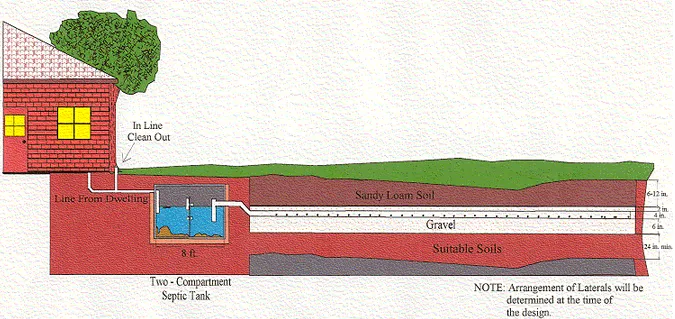
When you flush a toilet, wash dishes, or take a shower, the wastewater flows through a main drainage pipe to the septic tank. This large, watertight container, typically buried underground, is the first and most crucial stop in the treatment process. Its primary job is to separate solids from liquids and begin the decomposition process.
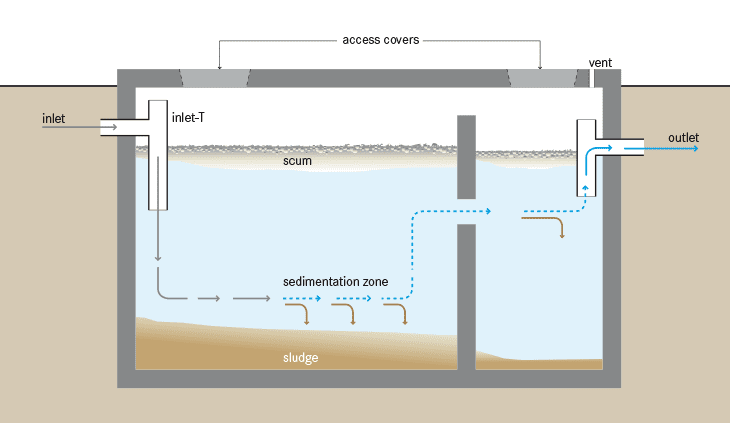
Inside the tank, wastewater naturally separates into three layers:
- Scum Layer: Lighter solids, oils, and grease float to the top, forming a crusty layer called scum.
- Effluent Layer: The middle layer is made up of clarified liquid wastewater, known as effluent. This is where most of the ‘action’ happens, as anaerobic bacteria begin to break down organic matter.
- Sludge Layer: Heavier solids sink to the bottom, forming a layer of sludge. These solids are slowly digested by anaerobic bacteria, reducing their volume.
Definition: Effluent
Effluent refers to the clarified liquid wastewater that remains in the middle layer of the septic tank after solids (scum and sludge) have separated. This partially treated liquid is then discharged into the drain field for further natural filtration.
The septic tank is designed with baffles or tees at the inlet and outlet pipes. These prevent the scum and sludge from exiting the tank prematurely. Only the liquid effluent from the middle layer is allowed to flow out to the next stage of the system.
Bottom Line: The septic tank is where the initial separation and breakdown of waste occur, ensuring only liquid moves on to the next treatment stage.
The Drain Field (Leach Field): Nature’s Filter
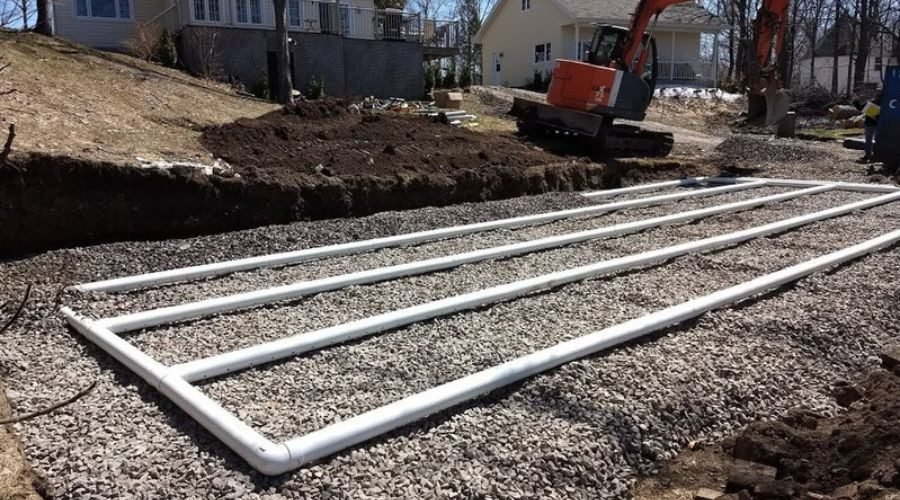
Once the partially treated effluent leaves the septic tank, it flows into the drain field, also known as the leach field or absorption field. This is typically a series of trenches or beds containing gravel or other porous materials and perforated pipes.
The effluent seeps out of these pipes, through the gravel, and then into the surrounding soil. The soil acts as a natural filter, further treating the wastewater. As the effluent percolates through the soil, harmful bacteria, viruses, and nutrients are removed by physical, biological, and chemical processes. This final treatment step ensures that the water returned to the groundwater system is clean and safe.
The size and design of a drain field depend on factors like soil type, household size, and local regulations. These specifications are often outlined in local building codes and environmental health guidelines, which vary significantly by region. For instance, the U.S. Environmental Protection Agency (EPA) provides general guidelines, but state and county health departments establish the specific requirements. In North Carolina, local building codes often require specific percolation tests to determine drain field size based on soil absorption rates, which can vary greatly even within the same county. A healthy drain field is essential for the long-term functioning of your entire septic system.
Bottom Line: The drain field is nature’s final purification step, using soil to filter and safely disperse treated wastewater back into the environment.
What are the Main Components of a Residential Septic System?
To truly grasp how does a septic tank work, it helps to understand its individual parts:
- Inlet Pipe: Carries wastewater from your home into the septic tank.
- Septic Tank: The main container where solids separate and partial treatment occurs. Made of concrete, fiberglass, or plastic. Reputable manufacturers design tanks to meet standards such as ASTM C1227 for precast concrete septic tanks or IAPMO PS 1 for plastic tanks, ensuring durability and structural integrity.
- Baffles/Tees: Internal structures at the inlet and outlet that direct flow and prevent scum and sludge from leaving the tank.
- Outlet Pipe: Carries the liquid effluent from the septic tank to the drain field.
- Distribution Box (D-Box): An optional but common component that evenly distributes effluent from the outlet pipe to the various lines within the drain field. This is crucial for preventing overloading one section of the drain field.
- Drain Field (Leach Field): The network of gravel-filled trenches and perforated pipes where effluent is absorbed and further treated by the soil.
- Vent Pipe: Often extends above ground from the septic tank or near it, allowing gases (like methane, a byproduct of decomposition) to escape safely.
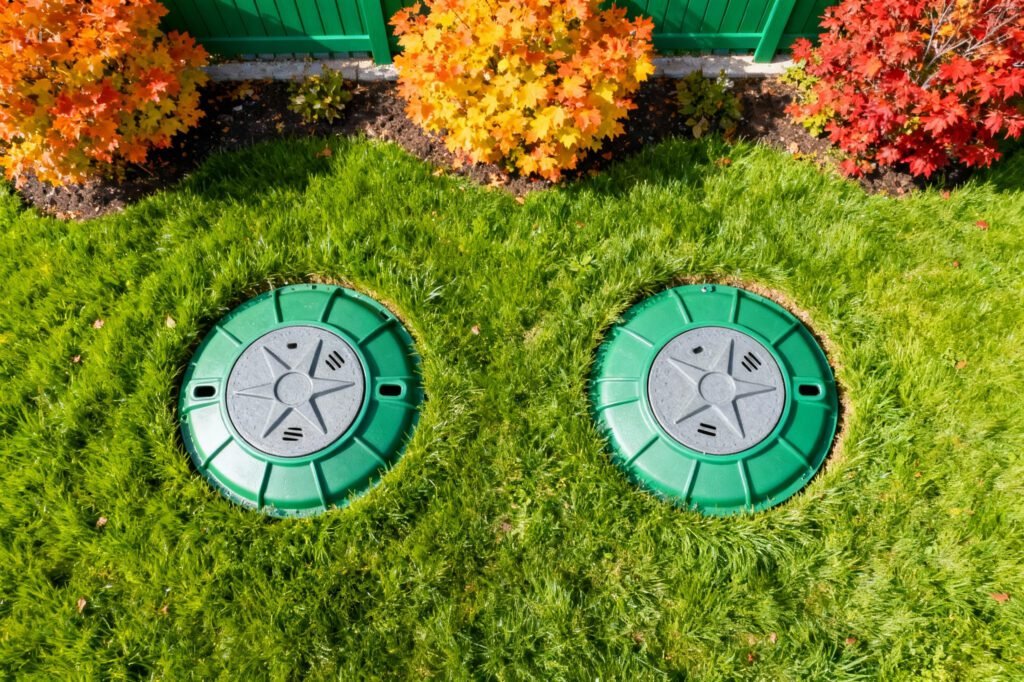
- Access Risers/Lids: Covers that provide access to the septic tank for inspection and pumping. Modern systems often have risers that extend to ground level for easier access.
The Septic Tank Diagram Explained
Visualizing the system through a septic system diagram makes understanding the flow much easier. Imagine your home on the left, connected by a single pipe to the underground septic tank. Inside the tank, you’d see the three layers (scum, effluent, sludge) and the inlet/outlet baffles. From the tank’s outlet, a pipe would lead to a distribution box, which then branches out into multiple perforated pipes laid in gravel trenches (the drain field). Surrounding the drain field, you’d visualize the soil acting as the final filter before the water rejoins the groundwater. This clear picture is key for any homeowner guide to septic systems.
Common Questions Answered:
Q: How often should a septic tank be pumped, and what factors influence this frequency?
A: Septic tanks typically need pumping every 3-5 years, but this varies. Factors like household size, tank capacity, and water usage significantly influence the ideal schedule.
Q: What items should homeowners avoid flushing or putting down a septic tank?
A: Homeowners should never flush non-biodegradable items such as wipes, diapers, or feminine products, nor should they dispose of grease, harsh chemicals, or excessive food scraps down drains. These items disrupt bacterial balance and can clog the system.
Common Septic Tank Problems and Solutions
Even a well-maintained septic system can encounter issues. Knowing what to look for can save you significant repair costs. Here’s a quick overview of common problems and their solutions:
- Clogs in Drains/Toilets: Often indicates a blockage in your home’s plumbing, but can also signal a backup from the septic tank itself.
- Solution: Try standard drain clearing methods first. If it persists across multiple drains, it’s time to find local septic repair professionals near you.
- Slow Drains: Similar to clogs, but can be an early warning sign of a struggling drain field.
- Solution: Monitor usage; avoid flushing non-biodegradables. If slow drainage is widespread, have your septic system inspected.
- Gurgling Sounds from Pipes: Air trapped in the system or a blockage could be the culprit.
- Solution: Inspect vent pipes for blockages (e.g., nests). If the issue persists, a professional inspection is warranted.
- Sewage Odors Indoors or Outdoors: A strong indicator of a problem. Indoors, it might be a dry trap or a clogged vent. Outdoors, it often means the septic tank is overflowing or the drain field is failing.
- Solution: Check for dry drain traps by running water. If odors are persistent or outdoors, call a septic expert immediately.
- Lush, Green Patches or Standing Water in the Drain Field Area: This is a red flag. It indicates that the drain field is saturated and failing to absorb effluent, which is likely surfacing.
- Solution: Avoid the area and contact a septic professional immediately. This is a serious issue that requires urgent attention. Search for “emergency septic service near me” to get immediate professional help.
- Alarm Sounds: Some aerobic septic systems have alarms to signal pump failure or other malfunctions.
- Solution: Do not ignore an alarm. Refer to your system’s manual or call a septic technician.
Early detection and prompt action are key to resolving septic problems before they become major emergencies. Professional contractors typically emphasize that addressing these issues early can prevent system-wide failure, saving homeowners thousands in potential repair or replacement costs.
Septic System Maintenance: Your Role as a Homeowner
Understanding how does a septic tank work is the first step; the second is knowing how to care for it. Proper maintenance is vital for extending the life of your system and avoiding costly repairs. As a homeowner guide, we emphasize these key practices:
- Pump Your Septic Tank Regularly: This is the most critical maintenance task. Pumping removes the accumulated sludge and scum layers before they build up too much and get pushed into the drain field, leading to failure.
- Frequency: Generally every 3-5 years, but this varies based on household size, tank size, and water usage. A professional can advise you. According to the U.S. Environmental Protection Agency (EPA), a typical 3-bedroom house with a 1,000-gallon tank and two occupants should have its tank pumped every 4-5 years, while a family of four may need it every 2-3 years. Most Sanford (NC) contractors recommend an initial inspection to determine your specific pumping needs, especially for new homeowners unfamiliar with their system’s history.
- Conserve Water: The less water you send down the drains, the less stress on your septic system. Install low-flow fixtures, fix leaks, and run full loads of laundry and dishes.
- Don’t Flush Harmful Items: The “toilet is not a trash can” mantra is especially true for septic systems. The National Onsite Wastewater Recycling Association (NOWRA) and countless professionals advise strictly against flushing these items, as they disrupt bacterial balance and can lead to costly clogs and system damage. Avoid flushing:
- Disposable diapers, wipes (even “flushable” ones), feminine hygiene products
- Paper towels, dental floss, cotton balls
- Grease, oil, and food scraps
- Harsh chemicals, paints, pesticides, or excessive bleach.
- Be Mindful of Your Drain Field:
- Do not drive or park vehicles on your drain field, as this compacts the soil and can crush pipes.
- Do not plant trees or shrubs with extensive root systems near the drain field, as roots can invade and clog pipes. Grass is the best cover.
- Direct downspouts and sump pump discharges away from the drain field to prevent oversaturation.
- Use Septic-Safe Products: Opt for biodegradable detergents, cleaners, and toilet paper that break down easily and don’t harm the beneficial bacteria in your tank. Many septic system manufacturers and environmental specialists recommend using products explicitly labeled “septic-safe” to protect the delicate microbial ecosystem within your tank.
- Regular Inspections: Have your system inspected by a qualified professional every 1-3 years. They can spot potential issues early and provide expert advice. For peace of mind, find local septic inspection services near you to schedule regular check-ups.
Adhering to these guidelines will ensure your septic system continues to function efficiently for years to come.
Septic Tank Pumping: Why, When, and How
Pumping is arguably the single most important aspect of septic system maintenance. Here’s why it’s essential and what you need to know:
TL;DR: Regular pumping prevents sludge and scum from overflowing into your drain field, which would cause costly system failure. It’s the #1 way to extend your septic system’s life.
Why Pump Your Septic Tank?
Over time, even with bacterial decomposition, solids (sludge and scum) accumulate in the septic tank. If these layers become too thick, they can flow out of the tank’s outlet and into the drain field. This clogs the drain field’s pipes and pores in the soil, leading to system failure – a much more expensive problem than regular pumping. Pumping removes these accumulated solids, restoring the tank’s capacity and preventing solids from reaching the drain field.
When to Pump Your Septic Tank?
The ideal pumping schedule depends on several factors:
- Household Size: More occupants mean more wastewater and faster accumulation of solids.
- Septic Tank Size: Larger tanks can hold more solids before needing a pump.
- Wastewater Generation: High water usage (e.g., frequent laundry, long showers) can increase solid accumulation.
- Volume of Solids: What you flush matters.
- System Age and Type: Older or overloaded systems may need more frequent pumping.
As a general homeowner guide, most experts recommend pumping every 3 to 5 years. Studies by sanitation engineers indicate that exceeding this timeframe significantly increases the risk of drain field failure due to excessive solid carryover. However, it’s best to consult a septic professional who can inspect your tank’s sludge and scum levels and provide a tailored recommendation. Some states have regulations requiring inspections at specific intervals, so check local guidelines. In Georgia, the typical approach is to have septics pumped every 3-5 years, but local health departments in areas like Brunswick (GA) may have specific permitting and inspection requirements, especially during property transfers.
How Septic Tank Pumping Works
When you schedule a pumping service:
- A professional pumper will locate your septic tank’s access risers (if you have them) or uncover the access lid.
- They will insert a large vacuum hose into the tank.
- The truck’s powerful pump will suction out both the liquid and solid contents of the tank. The entire tank is typically emptied.
- After pumping, the professional may inspect the tank’s interior for any damage to baffles or walls and provide advice on your system’s health.
It’s a straightforward process, but essential for the longevity of your septic system. Never attempt to pump your own septic tank; it’s a hazardous task that requires specialized equipment and proper disposal methods.
How Do Traditional (Anaerobic) and Aerobic Septic Systems Compare?
While the general principle of how does a septic tank work applies to all systems, there are variations. The most common is the conventional (anaerobic) system we’ve described. However, some properties, particularly those with challenging soil conditions or smaller lots, may use an aerobic treatment unit (ATU).
| Feature | Traditional (Anaerobic) System | Aerobic Treatment Unit (ATU) System |
|---|---|---|
| Process | Relies on anaerobic bacteria (no oxygen) | Introduces oxygen for aerobic bacteria, more efficient breakdown |
| Components | Septic tank, distribution box, drain field | Multiple compartments, aerator, pump, specialized disposal field |
| Treatment Level | Partial treatment in tank, final in drain field soil | Higher level of treatment within the tank itself |
| Maintenance | Pumping every 3-5 years, water conservation, drain field care | More frequent inspections of mechanical parts, quarterly/bi-annual service, plus pumping |
| Cost | Generally less expensive to install and maintain | More expensive to install and maintain (mechanical parts, electricity) |
| Ideal For | Properties with suitable soil and space for drain field | Poor soil, high water tables, small lots, strict discharge standards |
Knowing your system type is crucial for proper maintenance and troubleshooting. If you’re unsure, consult your property records or a local septic professional. Many local health departments require specific system types based on site evaluations, adhering to state environmental quality standards. Installation costs for both traditional and aerobic systems can vary significantly by region. For instance, in Kentucky, the average cost for a conventional system might range from $3,000-$8,000, while in more populous or challenging terrain areas like around Hopkinsville (KY), prices for aerobic systems could climb to $10,000-$20,000 or more, influenced by local permitting fees and soil conditions.
Essential Septic System Products for Homeowners
While proper habits are paramount, certain products can support your septic system’s health. Remember, no additive is a substitute for regular pumping.
- Septic-Safe Toilet Paper: Biodegradable and breaks down quickly. Look for “septic-safe” labels.
- Enzymatic Septic Tank Additives (Used Judiciously): These products contain beneficial bacteria and enzymes that can help replenish the natural bacterial population, especially if you’ve accidentally introduced harsh chemicals. They are not a fix for a failing system but can be a preventative measure.
- Recommendation: Rid-X Septic Tank Treatment (or similar well-regarded brands). Follow dosage instructions carefully. Always check with your local septic professional before starting any additive regimen. Some local health departments or system manufacturers may have specific guidelines or restrictions on additive use, and their efficacy is often debated among industry experts. Most Concord (NH) septic professionals advise against relying heavily on additives, emphasizing regular pumping and mindful usage as the primary means of maintenance.
- Biological Drain Cleaners: Instead of harsh chemical drain cleaners (which can kill beneficial bacteria), opt for biological ones that use enzymes to break down clogs.
- Recommendation: Bio-Clean Drain and Septic Bacterial Cleaner (or similar products).
- Water-Saving Fixtures: Low-flow showerheads, toilets, and efficient washing machines reduce the overall water volume entering your septic system, easing its burden.
- Access Risers: If your tank lids are buried deep, installing risers to ground level can make pumping and inspection much easier and less invasive. This is an upgrade rather than a consumable product.
Always prioritize practices that reduce waste and water usage over relying solely on products.
FAQs: Your Quick Septic System Questions Answered
We understand you might still have questions about how does a septic tank work. Here are answers to some common inquiries:
How often should a septic tank be pumped?
Typically every 3-5 years, but this depends on household size, tank size, and water usage. The EPA recommends considering annual inspections to determine the precise sludge and scum levels and optimize your pumping schedule. Get it inspected to determine the ideal schedule for your specific system. In Tennessee, for example, specific regulations regarding pumping frequency might vary by county, so always check with your local health department or a Cookeville (TN) area septic professional for the most accurate guidance.
What should you NOT put down a septic tank?
Grease, oil, food scraps, non-biodegradable items (wipes, diapers, feminine products), harsh chemicals, excessive bleach, paints, and medications.
Can I use a garbage disposal with a septic tank?
While possible, it’s generally not recommended. Garbage disposals add a significant amount of solids and grease to your septic tank, requiring more frequent pumping (often annually). Composting food waste is a better alternative.
Can I use a garbage disposal with a septic tank?
While possible, it’s generally not recommended. Garbage disposals add a significant amount of solids and grease to your septic tank, requiring more frequent pumping (often annually). Composting food waste is a better alternative.
How do I know if my drain field is failing?
Signs include foul odors, standing water, unusually lush or spongy grass over the drain field, slow drains, or sewage backups in your home. In areas with heavy clay soils or frequent rainfall, such as parts of Maine, drain field failures due to saturation can be more common. Conversely, sandy soils may require larger drain fields to prevent nutrient leaching into groundwater. Understanding your local soil type, which a Bangor (ME) septic contractor can assess, is crucial for drain field longevity.
How do I know if my drain field is failing?
Signs include foul odors, standing water, unusually lush or spongy grass over the drain field, slow drains, or sewage backups in your home. In areas with heavy clay soils or frequent rainfall, such as parts of Maine, drain field failures due to saturation can be more common. Conversely, sandy soils may require larger drain fields to prevent nutrient leaching into groundwater. Understanding your local soil type, which a Bangor (ME) septic contractor can assess, is crucial for drain field longevity.
Are septic tank additives necessary?
For a healthy, well-maintained system, additives are generally not necessary as natural bacteria thrive. However, if you’ve used harsh chemicals or had a prolonged period of inactivity, some homeowners use enzymatic additives to boost bacterial populations. Always consult a professional before using them.
Can I plant trees near my septic system?
No. Tree roots are attracted to water and nutrients and can severely damage drain field pipes. Only plant grass over your drain field.
What happens during a septic inspection?
A professional will typically locate and uncover your tank’s access, check sludge and scum levels, inspect baffles, assess the drain field area for signs of failure, and look for any leaks or structural damage. They may also run water through your system to check flow.
Take Control of Your Septic System’s Health
Now that you understand how does a septic tank work and the vital role it plays in your home, you’re empowered to ensure its longevity. Don’t wait for a problem to arise – proactive maintenance is the key to preventing costly and unpleasant issues.
Regional Price Differences for Septic Services: The cost of septic services like pumping, inspections, and repairs can vary widely based on your location. Factors such as local labor rates, disposal fees, and specific permitting requirements influence pricing. For example, pumping a standard 1,000-gallon tank might cost an average of $300-$500 in rural Virginia, but could be higher, perhaps $400-$700, in areas with stricter environmental regulations or higher operating costs like near Danville (VA).
Ready to ensure your septic system is in top condition? Search for “septic tank service near me” or “septic inspection near me” to Get Free Quotes from Local Septic Professionals for inspections and routine maintenance today!
About the Expertise Behind This Guide:
This guide is developed by a team with extensive experience in environmental engineering and onsite wastewater treatment systems, having worked with homeowners and industry professionals for over two decades. Our insights are informed by current industry standards, local regulatory guidelines, and a commitment to sustainable home management practices.

Leave a Reply