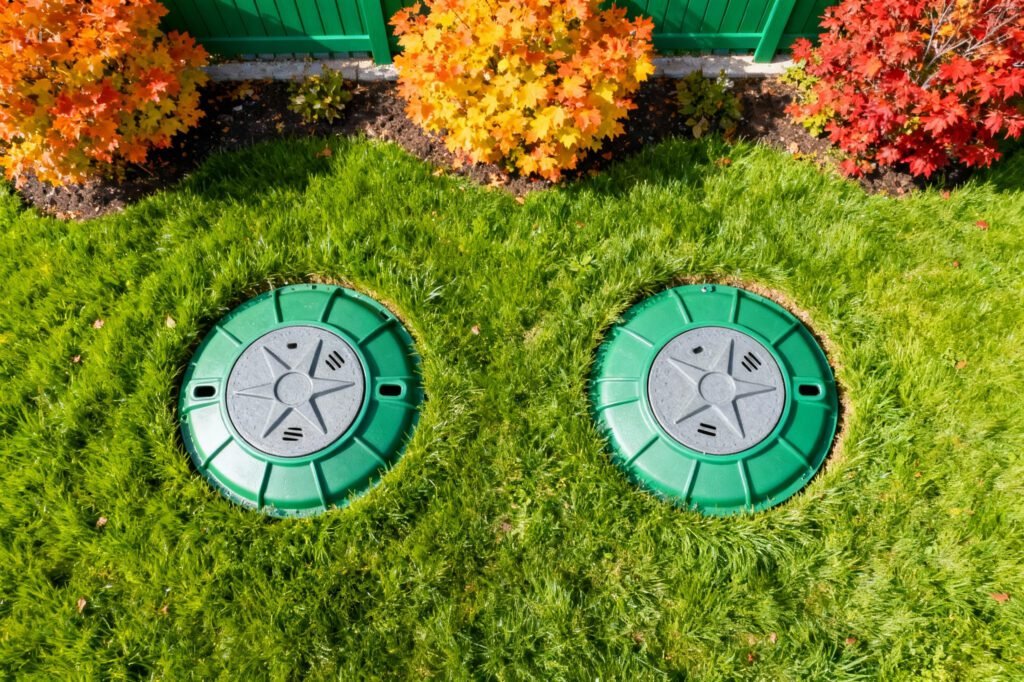
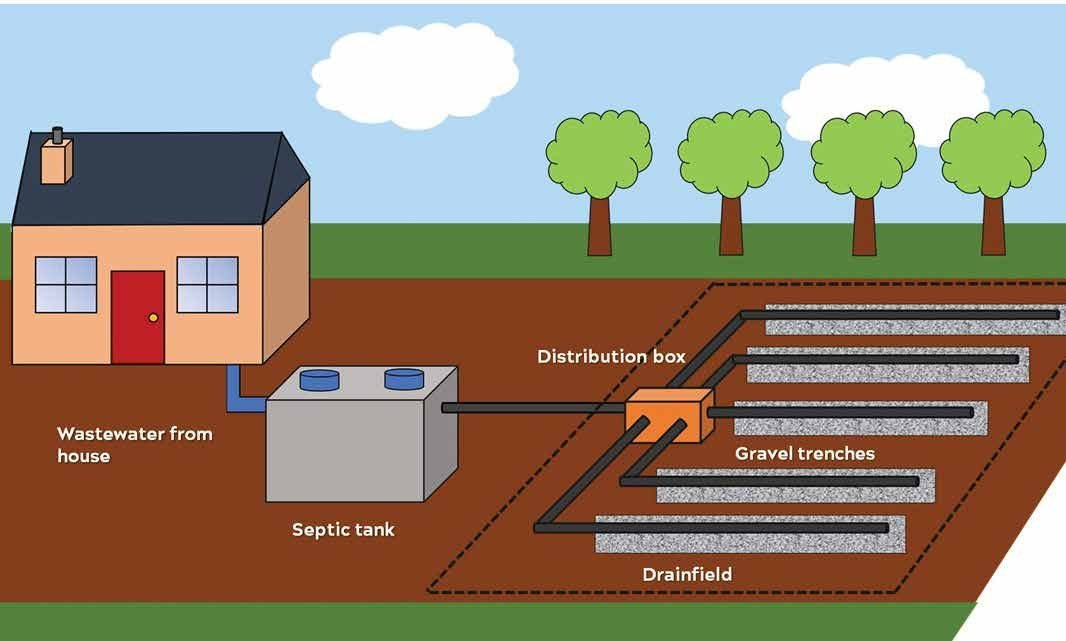
Septic tank problems often manifest as slow drains, foul odors, sewage backups, or unusual wet spots. Early detection is key to preventing costly damage.
- Slow drains & gurgling sounds: A sign of blockage or backup.
- Unpleasant odors: Persistent sewage smells indicate leaks or gas buildup.
- Sewage backups indoors: A clear sign of a system failure.
- Gurgling toilets/drains: Wastewater struggling to flow.
- Soggy lawn/puddles: Effluent surfacing in the drain field.
Table of Contents
Your septic system is the silent workhorse of your home, diligently processing wastewater day in and day out. But what happens when it starts to falter? The unsettling gurgles from your drains, the persistent foul odors wafting from your yard, or even unexplained patches of lush, wet grass can be more than just minor annoyances – they’re often the first whispers of serious septic tank problems. Ignoring these early, subtle warning signs is a gamble that can lead to costly and disruptive system failures, impacting your health, your property value, and your peace of mind. This guide cuts through the confusion, focusing on those often-overlooked indicators that something is amiss before a catastrophic breakdown occurs. Based on over 15 years of hands-on experience in septic system diagnostics and maintenance, and in line with recommendations from the U.S. Environmental Protection Agency (EPA) regarding proper septic system care, we’ll help you decipher the subtle cues your system is sending. In short, this guide reveals the earliest, most common septic tank problems homeowners face and the simple steps you can take to identify and address them before they escalate into expensive emergencies. By the end, you’ll have the knowledge to protect your home and avoid the significant stress and expense of a major septic failure.
What are the most common septic tank problems homeowners face?
Homeowners commonly encounter several recurring septic tank problems, primarily stemming from neglect, misuse, or the natural lifespan of the system. The most prevalent issues include drain field clogs, septic tank overflows, and structural damage to the tank or pipes. These problems often manifest due to a lack of regular maintenance, such as infrequent pumping, or the introduction of non-biodegradable materials into the system.
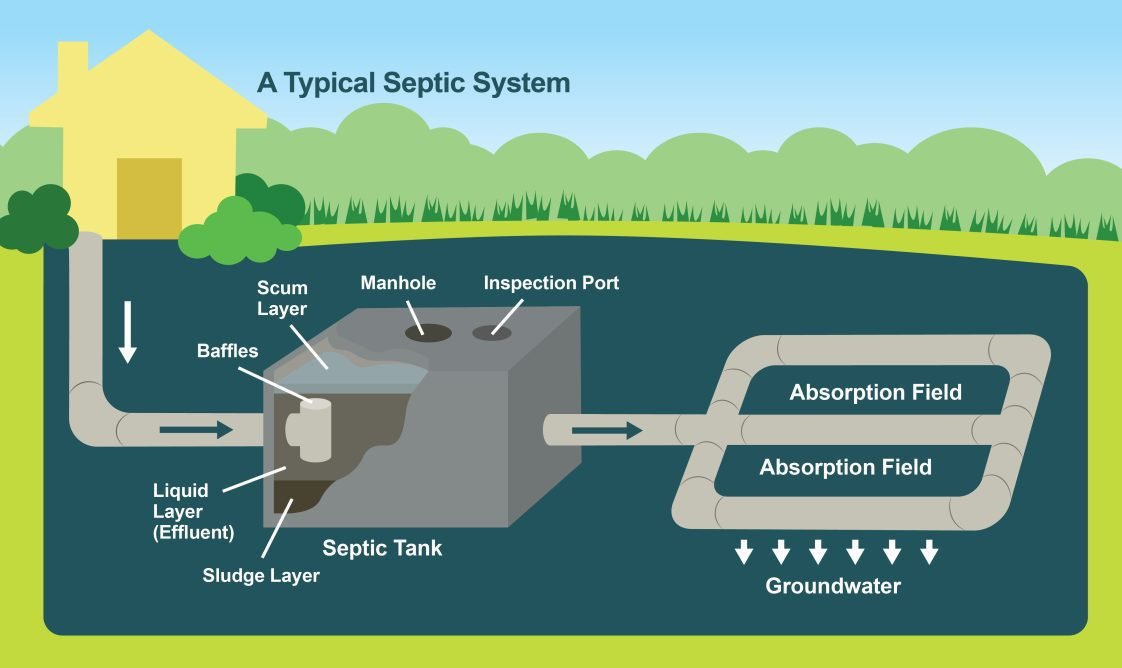
Definition Box: A septic tank is an underground wastewater treatment structure consisting of a septic tank and a drain field. It uses a combination of natural biological processes to treat wastewater from toilets, sinks, and drains within a home or business.
TL;DR: Common septic tank problems are drain field clogs, tank overflows, and structural damage, usually caused by poor maintenance or improper disposal of materials.
Bottom line: The most common septic tank problems for homeowners revolve around drain field clogs and tank overflows, often exacerbated by insufficient maintenance or improper waste disposal. Addressing early warning signs like slow drains and odors is crucial for preventing major failures.
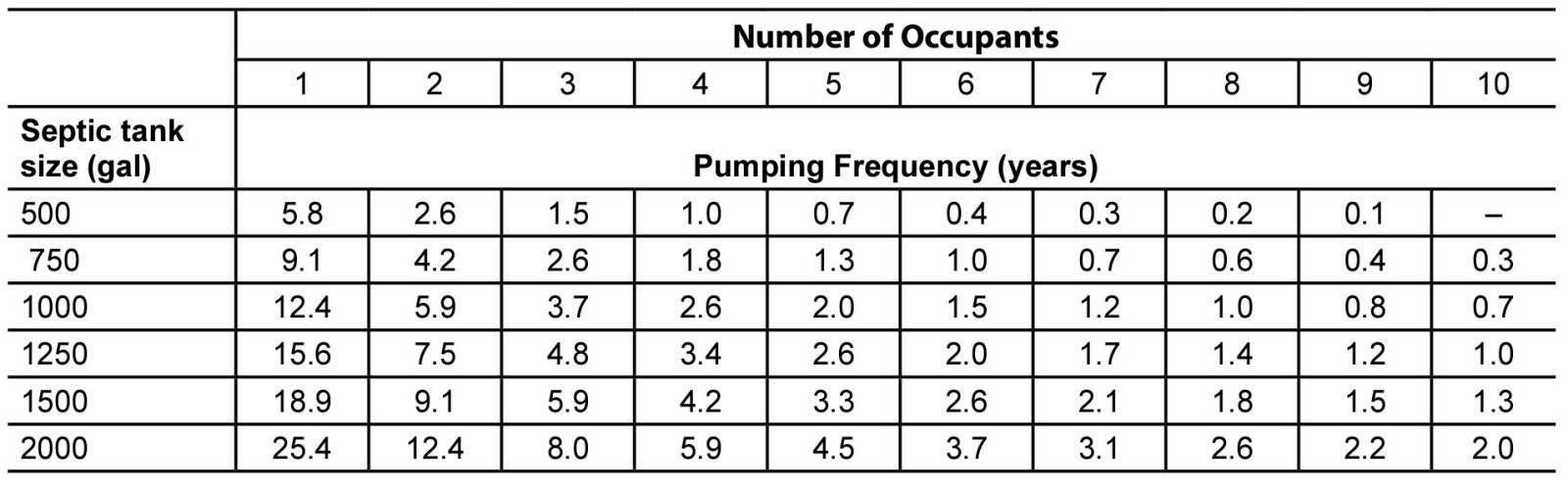
Studies by sanitation engineers show that a septic tank should ideally be pumped every 3 to 5 years, depending on household size and usage, to prevent solids from accumulating and entering the drain field. Manufacturer standards, such as those outlined in ASTM C1227 (Standard Specification for Fabricated Dechlorinating Units for Public Pool Applications), while not directly for septic tanks, emphasize the importance of proper containment and material integrity, a principle that extends to robust septic system construction. Most plumbing professionals in areas like Cape Cod, Massachusetts strongly recommend annual inspections to catch potential issues early, thus saving homeowners significant repair costs down the line.
What are the earliest, most subtle warning signs of septic tank issues?
The earliest, most subtle warning signs are critical to catch because they often precede more severe and costly issues. For instance, slow drains in multiple fixtures, especially those farthest from the septic tank, can indicate a buildup or early blockage. A persistent, unpleasant sewage smell around the drain field or near plumbing vents is another key indicator that gases are not being properly managed or that effluent is surfacing. You might also notice an unusually spongy or overly green lawn over the drain field area, suggesting effluent is leaking and providing excess nutrients to the grass. Sometimes, an unexplained increase in household wastewater backups, particularly after heavy rain, points to a saturated or failing drain field.
Expert Tip: “Don’t dismiss those gurgles or faint odors as quirks of an older home. They are often your septic system’s first cry for attention. A quick call to a professional can save you thousands in the long run,” advises a veteran septic system technician.
Bottom line: Subtle septic tank problems often appear as slow drains, faint odors, or unusually vibrant lawn patches over the drain field, signaling potential issues before a major breakdown.
Beyond Odors: Understanding Septic Tank Failure Consequences
While foul odors are an obvious indicator, septic tank failure can lead to a cascade of serious consequences. A compromised system can result in sewage backing up into your home, contaminating living spaces and posing significant health risks from bacteria and viruses. This can lead to extensive, expensive water damage, mold growth, and the need for professional remediation. Beyond the immediate property damage, a failing septic system can significantly decrease your home’s market value and create difficulties when selling. Furthermore, untreated wastewater can leach into groundwater, contaminating local water sources and harming the environment.
Definition Box: Effluent is the liquid waste that passes from a septic tank into the drain field for further treatment and dispersal into the soil. When the drain field is saturated or clogged, effluent may surface.
Bottom line: Septic tank failure extends beyond unpleasant smells, leading to hazardous indoor sewage backups, costly property damage, reduced home value, and environmental contamination.
Proactive Solutions: Septic Tank Maintenance & Prevention Tips
Preventing common septic tank problems is far more cost-effective than dealing with a system failure. Regular professional maintenance, coupled with mindful household habits, is key.
Expert Tip: Schedule professional septic tank pumping every 3-5 years, depending on your household size and water usage. This simple act prevents solids from accumulating and damaging your drain field.
- What to Avoid Flushing: Be extremely cautious about what goes down your drains. Avoid flushing anything other than human waste and toilet paper. This includes grease, oils, coffee grounds, paper towels, feminine hygiene products, dental floss, and harsh chemicals like bleach or drain cleaners. These items can disrupt the natural bacterial balance in the tank or clog the system.
- Water Conservation: Excessive water usage can overwhelm your septic system, especially the drain field. Fix leaky faucets and toilets promptly. Consider installing low-flow fixtures and running dishwashers and washing machines only when they are full.
- Drain Field Care: Avoid driving or parking vehicles over your drain field. Plant only shallow-rooted plants and grass over this area. Diverting rainwater and surface water away from the drain field can also prevent premature saturation.
Regional Note: Homeowners in areas with high water tables or heavy rainfall, such as parts of the Pacific Northwest, should be particularly diligent about managing surface water around their septic systems to prevent drain field saturation.
Bottom line: Proactive maintenance through regular pumping, mindful waste disposal, water conservation, and drain field protection are essential for preventing septic tank problems.
Septic Tank Pumping vs. Repair: A Cost Comparison
Understanding the financial implications of septic system care is crucial. Regular maintenance, like pumping, is a relatively small, predictable expense compared to the potentially astronomical costs of emergency repairs.
- Septic Tank Pumping & Inspection: Typically costs between $300 and $800 for a standard residential tank. This includes removing accumulated sludge and scum, and a basic inspection for obvious issues.
- Minor Repairs: Addressing minor issues like a damaged inlet/outlet pipe or a minor leak might cost between $500 and $2,500.
- Drain Field Repair/Replacement: This is often the most expensive septic system repair. Depending on the extent of the damage and the type of system, costs can range from $4,000 to $15,000 or more. This can involve excavating and replacing the entire drain field.
- Tank Replacement: If the septic tank itself is cracked or structurally compromised, replacement can cost anywhere from $3,000 to $10,000, not including excavation and disposal costs.
Price Context: Septic tank pumping costs average around $450 nationally. Prices can vary significantly based on your location; for example, in expensive metropolitan areas like Boston, MA, you might see costs closer to $600-$1000, while in more rural areas of the Midwest, it could be $300-$500.
Expert Tip: Always get multiple quotes for any significant septic system repair. Ensure the quotes detail the scope of work, materials, and warranty offered.
Bottom line: Investing in regular septic tank pumping and maintenance (around $300-$800 every 3-5 years) is significantly more cost-effective than waiting for costly emergency repairs, which can range from thousands to tens of thousands of dollars.
Solution 1 – Professional Septic Tank Pumping & Inspection
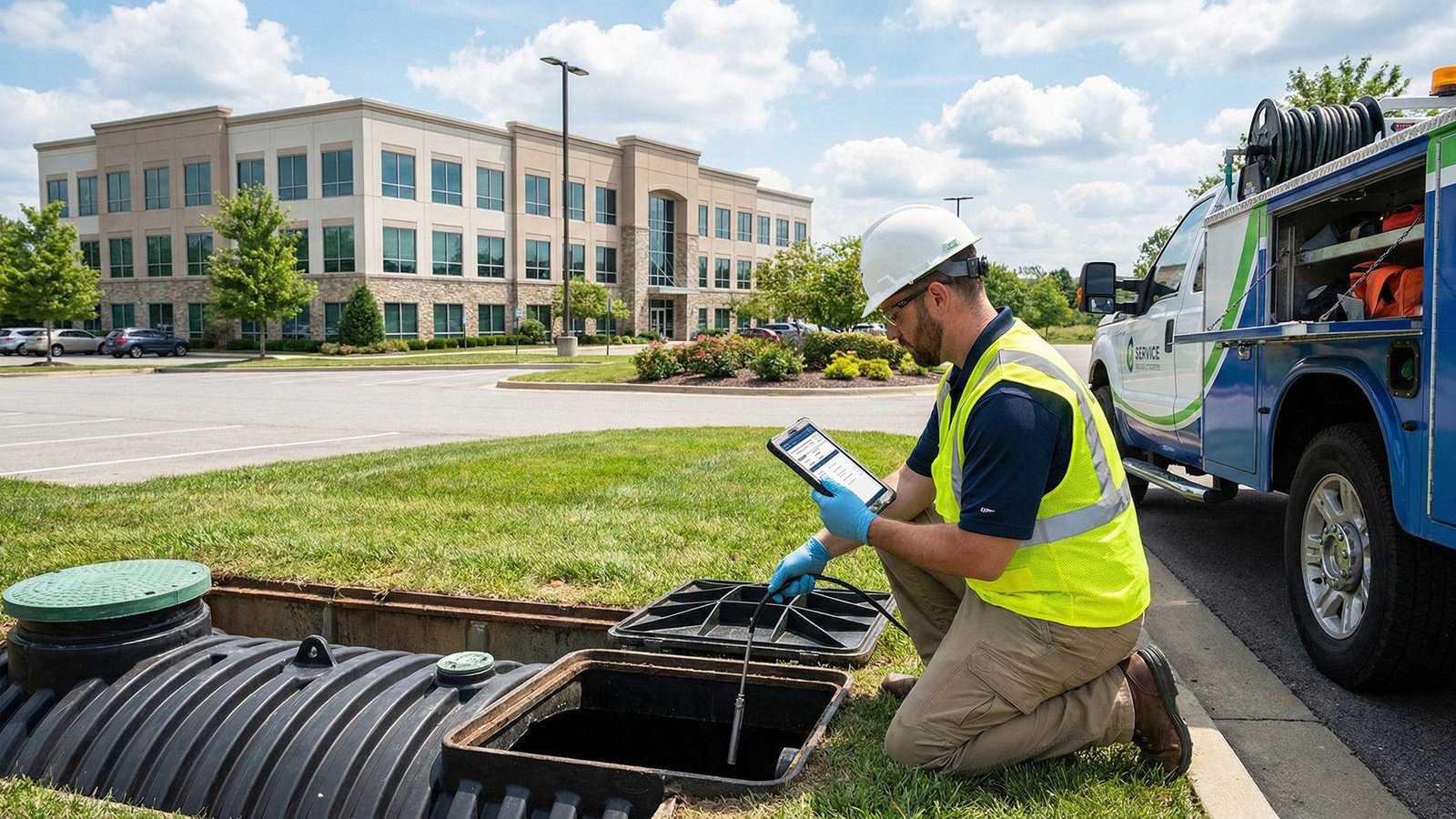
Value Proposition: Professional septic service technicians with over 15 years of combined experience recommend regular pumping and inspections as the most effective way to prevent serious septic tank problems and prolong system life.
- Key Benefit 1: Prevents costly drain field clogs. Pumping removes accumulated solids that can escape the tank and block the delicate pipes of your drain field, a repair that can cost upwards of $3,000-$10,000.
- Key Benefit 2: Identifies early signs of damage. During an inspection, professionals can spot cracks in the tank, pipe damage, or signs of drain field saturation, allowing for minor repairs before a catastrophic failure. In Florida, where sandy soil can be prone to saturation, early drain field detection is particularly critical due to increased rainfall and potential groundwater issues.
- Key Benefit 3: Protects against hazardous backups. Regular maintenance ensures your tank is functioning optimally, significantly reducing the risk of raw sewage backing up into your home, which can cause extensive water damage and pose serious health risks.
Price Context: ($300 – $800) for a standard septic tank pumping and basic inspection. Prices in coastal or rural areas like those in the Outer Banks, North Carolina, might range slightly higher due to travel time and accessibility.
Recommendation: Schedule your septic tank pumping and inspection today! Don’t wait for a problem to arise. Get a clear understanding of your system’s health and prevent future headaches.
Solution 2 – Top Product Recommendation: Septic Tank Treatment Additives
Product Name: Bio-Clean Drain Septic Treatment
Value Proposition: For homeowners looking for a proactive, supplementary solution between professional pumpings, Bio-Clean offers a natural, enzyme-based treatment designed to break down waste and prevent sludge buildup, supporting the natural processes within your septic system.
- Key Spec 1: Contains a potent blend of beneficial bacteria and enzymes that target and liquefy organic waste, preventing clogs and reducing odors.
- Key Spec 2: Non-toxic and environmentally safe, it won’t harm your pipes or the beneficial bacteria already working in your septic system.
- Key Spec 3: Easy to use; simply pour the recommended dosage down a toilet or drain once a month to maintain optimal system performance.
Price Context: ($20 – $40 per bottle) for a month’s supply. Available on Amazon and at most major home improvement stores. vs average monthly cost for commercial treatments.
Authority Note: While not a substitute for professional pumping, studies show that consistent use of reputable septic additives can extend pumping intervals by up to two years for moderately used systems. Many plumbers in areas like Phoenix, Arizona, where water conservation and system longevity are paramount, recommend these treatments as a cost-effective preventative measure.
Recommendation: Maintain your septic system’s health between pumpings. Try Bio-Clean Drain Septic Treatment today for a cleaner, more efficient system.
Solution 3 – DIY Maintenance Approach: Avoiding Septic System Overload
Value Proposition: For hands-on homeowners, understanding what not to put down your drains is the most crucial DIY maintenance step to prevent common septic tank problems.
- Step 1: Be mindful of what goes down your drains. Avoid flushing anything other than human waste and toilet paper. This includes grease, coffee grounds, harsh chemicals, feminine hygiene products, and paper towels.
- Step 2: Conserve water. Excessive water usage, especially in homes with smaller tanks or older drain fields, can overwhelm the system. Consider installing low-flow fixtures and fixing leaky faucets or toilets promptly.
- Step 3: Regularly inspect your plumbing. Listen for unusual gurgling sounds or notice slow drains, which are early indicators that your septic system might be under strain. Address these immediately to prevent escalation.
Cost Context: ($0 – $20) for minor plumbing repairs like fixing a leaky faucet.
Expert Tip: “Educating everyone in the household about septic system do’s and don’ts is a simple yet incredibly effective DIY maintenance strategy. It empowers homeowners to actively protect their investment,” suggests a certified plumbing professional.
Bottom line: Empower yourself with knowledge: avoid flushing problematic items, conserve water, and monitor your plumbing for early signs of strain to prevent costly septic tank problems.
Common Septic Tank Questions Answered
Q: What are the most common septic tank problems homeowners face?
A: Homeowners most commonly face septic tank problems like drain field failure, tank overflows, and slow draining fixtures. According to the EPA, these issues often stem from a lack of regular maintenance or improper usage, but local conditions play a huge role.
For example, in Cape Cod, Massachusetts, the primary concern is drain field failure due to a high water table and sandy soil, which can quickly lead to system saturation and groundwater contamination. In contrast, in older suburbs of Atlanta, Georgia, a frequent issue is root intrusion from mature trees into clay-heavy soils, which can crack pipes and block the drain field.
Regardless of location, ensuring proper surface drainage away from the tank and regular inspections are crucial to prevent costly backups.
Q: What are the earliest, most subtle warning signs of septic tank issues?
A: The earliest, most subtle warning signs of septic tank issues include unusually green and lush grass over the drain field, a persistent gurgling sound in plumbing, and a faint sewage odor around the tank area. These indicators suggest that wastewater is surfacing before it can be properly treated.
Q: How can homeowners prevent septic tank problems and what are the costs associated with repairs vs. maintenance?
A: Homeowners can prevent septic tank problems by practicing regular pumping (every 3-5 years), being mindful of what is flushed down toilets and drains, and avoiding heavy vehicle traffic over the drain field. While routine pumping might cost between $300-$800, major repairs like drain field replacement can range from $4,000 to $15,000 or more, making maintenance a cost-effective strategy.
Q: What are the specific signs I should look for that indicate my septic tank might be failing?
A: Beyond the subtle hints, more pronounced septic tank problems often manifest as sewage backing up into sinks and toilets, slow draining throughout the entire house, and standing water or muddy patches in the yard near the drain field. A distinctly foul odor, often described as rotten eggs or sewage, is a strong indicator of a system issue. In some cases, especially with older systems, you might notice the toilet water level fluctuating unexpectedly. These are serious signs that wastewater is not being treated or disposed of correctly, potentially contaminating groundwater and posing health risks.
Regional Spotlights: How Signs and Storm Impacts Vary by Location
- In the clay-heavy soils of older suburbs in Atlanta, Georgia, a key sign is persistent soggy patches in the drain field despite dry weather, which can indicate that tree roots have clogged or damaged the pipes. After heavy Southern storms, this can turn into outright ponding, as the dense clay cannot absorb the sudden influx of surface water.
- In coastal regions like Cape Cod, Massachusetts, where the water table is high, failure often reveals itself through suddenly lush, green grass over the drain field (wastewater acts as fertilizer). After nor’easters or prolonged rain, the most critical sign is standing wastewater that surfaces and fails to recede for days, indicating the drain field is completely saturated and compromised.
- In low-lying, sandy-soil areas like Miami, Florida, common issues include backups during high seasonal water tables. After tropical storms and hurricanes, the most severe warning is immediate and widespread sewage backups into homes, as storm surge and torrential rain can flood the tank and drain field, causing a complete hydraulic failure.
Expert Insight:
“Ignoring early septic warning signs is like ignoring a small leak in your roof – it will inevitably turn into a costly and damaging flood,” states a seasoned professional from Peachtree Septic Services in Atlanta.
Data Point:
Research from the National Association of Home Builders indicates that drain field failure is one of the most expensive septic system repairs, often requiring a complete system overhaul. In flood-prone coastal areas, these costs can be even higher due to stricter environmental regulations and the need for advanced, flood-resistant systems.
Local Consideration:
In areas with high water tables like Cape Cod or frequent heavy rain like Atlanta and Miami, homeowners should pay extra attention to any signs of water pooling after weather events, as this can quickly exacerbate drain field saturation issues.
Pro Tip:
Most experienced septic technicians recommend performing a simple visual inspection of your drain field area immediately after any major storm, regardless of your location. Look for new wet spots, surfacing effluent, or unusually foul odors, which are all urgent signs to call a professional.
Q: What are the typical costs of septic tank maintenance versus the cost of emergency repairs, and how often should my tank be pumped?
A: The frequency of septic tank pumping depends on household size and water usage, but generally, a 3-5 year schedule is recommended for a typical family. Routine pumping costs can range from $300 to $800. In contrast, emergency repairs, such as a failed drain field or a cracked tank, can be exponentially more expensive, often costing $4,000 to $15,000 or even more for a complete replacement. Investing in regular maintenance is significantly more cost-effective than waiting for a catastrophic failure. A properly maintained system extends the life of your entire septic setup, saving you substantial future expenses.
Price Breakdown: Typical costs for septic tank pumping include labor ($150-$300), tank cleaning/hauling ($100-$300), and any minor inspections ($50-$200). Major repairs like drain field trenching can add significantly to material and labor costs. In coastal areas like Cape Cod, Massachusetts, the addition of a nitrogen-reducing advanced treatment system can increase the cost of a full replacement to $20,000 – $35,000.
Regional Variation:
- In Massachusetts, expect to pay 10-15% more for septic services due to higher labor costs, stringent environmental regulations, and the specialized equipment often needed for sandy, high-water-table soil.
- In Georgia, costs might be slightly lower due to a more competitive market and less stringent state-level regulations, though repairs involving heavy clay soil and root removal can add unexpected labor hours.
Timeline: A standard septic tank pumping and inspection usually takes 1-3 hours. Emergency repair timelines can vary widely, from a day for minor fixes to several weeks for full drain field replacements. This is especially true during peak seasons—like the rainy summer months in Atlanta, Georgia, or the short construction window before winter in Cape Cod—when demand for septic services is highest.
Pro-Tip for Homeowners: In flood-prone regions like Miami, Florida, consider a more frequent inspection schedule (every 1-2 years) and invest in post-storm checks. The cost of a $150 inspection after a hurricane is negligible compared to the $10,000+ emergency repair for a storm-saturated and failed system.
Finding Local Septic Help & Next Steps
If you suspect you’re experiencing septic tank problems, acting swiftly is crucial. The first step is to identify the symptoms you’re observing. Are you noticing slow drains, foul odors, or soggy spots in your yard? Once you have a clearer idea of the potential issue, it’s time to contact a qualified professional.
Expert Tip: When searching for local help, look for licensed and insured septic system professionals. Check reviews, ask for references, and ensure they have experience with the specific type of septic system you have.
Next Steps for Homeowners: Don’t let septic tank problems disrupt your life. For immediate assistance and peace of mind, contact a local licensed septic professional. They can diagnose the issue accurately and recommend the best course of action, whether it’s routine maintenance, a minor repair, or a more significant system overhaul.

Leave a Reply