A comprehensive septic tank maintenance schedule involves monthly checks for warning signs (odors, slow drains), quarterly drain field inspections, yearly professional evaluations of tank components, and professional pumping every 3-5 years (or more often for heavy usage). Proactive maintenance prevents costly backups and system failure.
- 1: Perform monthly visual and auditory checks for early warning signs like smells or gurgling.
- 2: Professional pumping, costing $300-$600, is crucial every 3-5 years.
- 3: Consistent care extends your septic system’s life by decades and saves thousands in repairs.
Nothing ruins your week faster than a septic backup in your basement or a foul odor permeating your yard. That sickening smell and the costly emergency call are entirely preventable with a proactive septic tank maintenance schedule. Unfortunately, many homeowners, especially those new to rural living, overlook regular septic care until disaster strikes.
TL;DR: A consistent septic tank maintenance schedule, including monthly checks, quarterly drain field inspections, annual professional evaluations, and pumping every 3-5 years, is crucial for preventing costly backups, environmental damage, and premature system failure.
Based on EPA data, National Onsite Wastewater Recycling Association (NOWRA) guidelines, and interviews with licensed septic professionals across the country, we’ve created this definitive, actionable guide. You’ll learn exactly what maintenance tasks to perform monthly, quarterly, and annually, along with the critical importance of professional pumping every few years. Following this proven checklist will not only extend your system’s life by decades but also save you thousands in potential repairs or a full system replacement. Let’s transform potential disaster into peace of mind.
Table of Contents
Why Regular Septic Care is Non-Negotiable for Homeowners
Ignoring your septic system is like playing Russian roulette with your home and finances. The consequences of neglected regular septic care are severe and far-reaching. According to the EPA, a malfunctioning septic system can contaminate groundwater, posing significant health risks.
- Environmental Contamination: Untreated wastewater seeping into your yard or groundwater can contaminate local water sources, posing significant health risks to your family and community. This can lead to issues like E. coli contamination in nearby wells.
- Health Hazards: Exposure to raw sewage contains harmful bacteria and viruses, leading to serious illnesses. This is particularly concerning for properties with children or elderly residents.
- Costly Repairs or Replacement: A failed drain field or a backed-up tank can cost anywhere from $5,000 for minor repairs to over $25,000 for a complete system replacement. This expense is typically far more than the cost of decades of proper maintenance.
- Property Value Impact: A documented history of septic issues can significantly decrease your property’s market value and make it harder to sell. Buyers are often wary of systems with poor maintenance records.
- Legal & Health Department Violations: Many counties have strict regulations regarding septic system function. Failure to comply can lead to fines or mandated repairs by local health authorities, often under strict deadlines.
The good news? A little proactive attention goes a long way. With a consistent septic tank maintenance schedule, your system can last 20-40 years, protecting your investment and the environment.
Understanding Your Septic System: The Basics for Smart Ownership
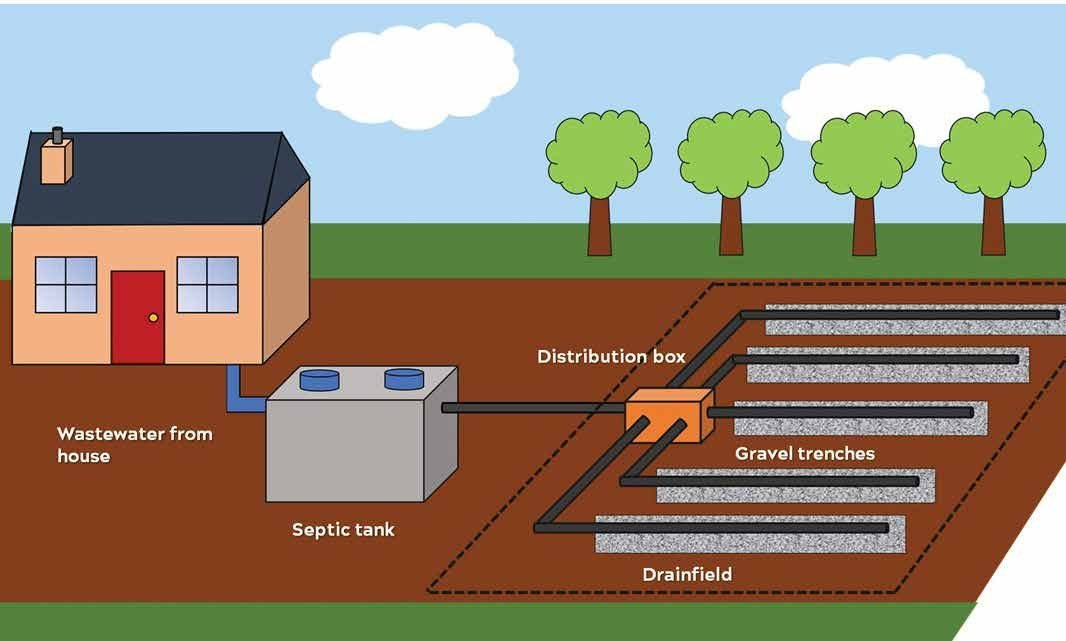
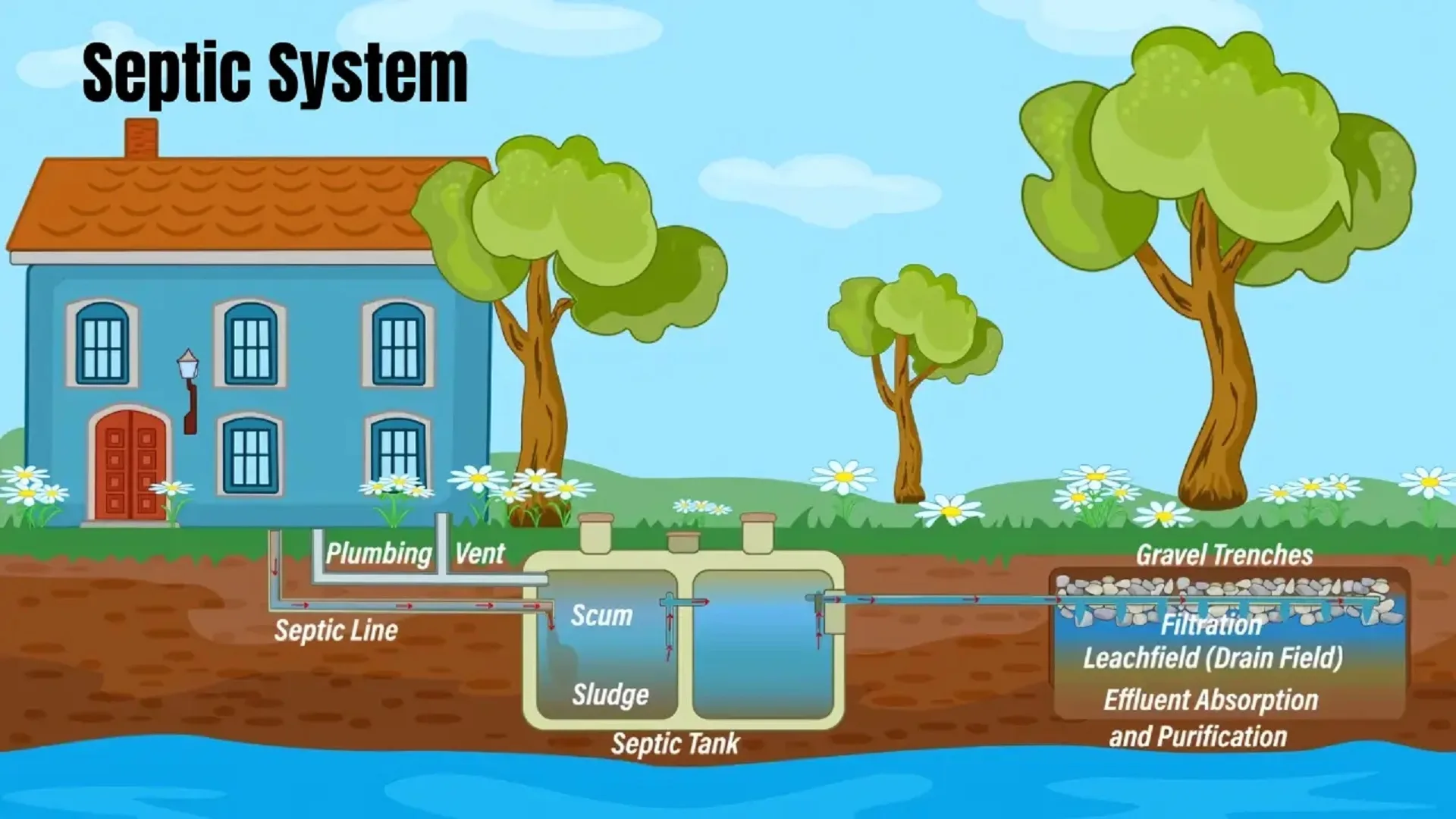
Before diving into maintenance tasks, it’s essential to understand the basic components and how your septic system works. Wastewater from your home flows into a septic tank, where solids separate from liquids. Lighter solids (scum) float to the top, while heavier solids (sludge) sink to the bottom. The clarified liquid (effluent) then flows out of the tank into the drain field (also known as a leach field or absorption field), where it’s further treated by soil and microbes before returning to the groundwater.
Key Septic System Terms Explained:
- Effluent: The liquid wastewater that flows out of the septic tank into the drain field after solids have settled.
- Scum Layer: The layer of grease, oils, and lighter solids that floats on top of the wastewater in the septic tank.
- Sludge Layer: The layer of heavier solids that settles at the bottom of the septic tank.
- Biomat: A slimy, dense layer of anaerobic bacteria that forms in the drain field, helping treat effluent but can also clog soil pores if overloaded.
- Distribution Box (D-Box): A concrete or plastic box that evenly distributes effluent to the various trenches in the drain field.
- Perc Test (Percolation Test): A test conducted by professionals to determine the absorption rate of soil, crucial for designing a drain field.
Your Essential Septic Tank Maintenance Schedule: A Proactive Plan
This comprehensive septic tank maintenance schedule breaks down tasks into manageable, time-based chunks. Consistent adherence to this checklist is the cornerstone of a long-lasting, trouble-free septic system.
Monthly Maintenance Checklist: Stay Vigilant for Early Warnings
These are quick visual and auditory checks you can perform in minutes to catch early warning signs before they escalate.
- Check for Odors (Indoors & Outdoors):
- Indoors: Foul, sewage-like smells near drains, toilets, or in the basement could indicate a full tank, clogged vent pipe, or drain field issue. According to septic professionals, persistent odors are a primary indicator of a problem.
- Outdoors: Lingering sewage odors around the septic tank area or drain field are red flags that effluent may be surfacing.
- Listen for Gurgling Drains: Unusual gurgling sounds from toilets or sinks after flushing or draining water can signal blockages or issues with air in the system, suggesting it’s struggling to process wastewater.
- Monitor Toilet Flushing: If toilets are slow to flush, or if you need to flush multiple times, it can be a sign of a backing-up system due to solids accumulation.
- Look for Pooling Water or Lush Grass:
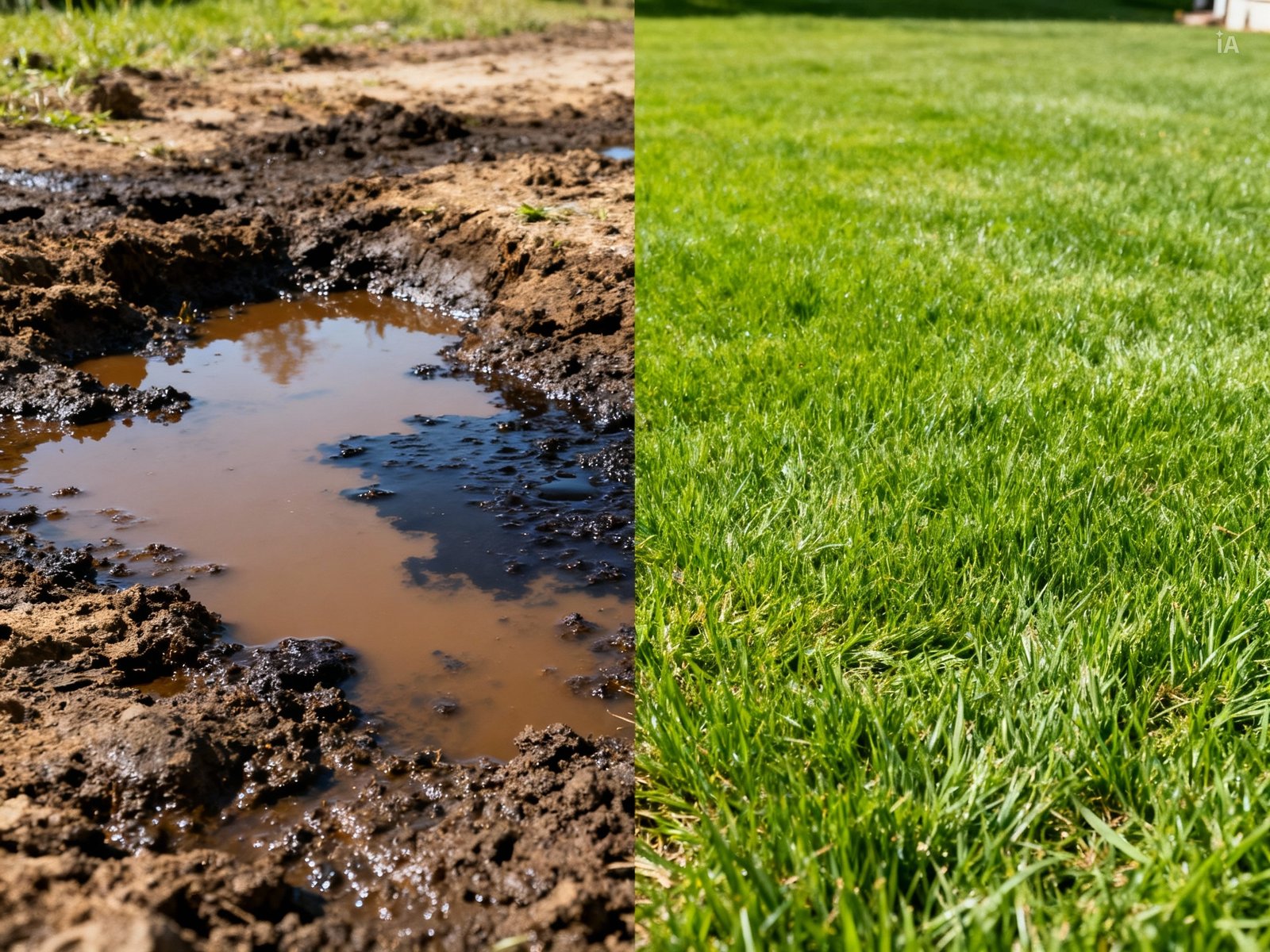
- Inspect your yard, especially over the septic tank and drain field. Pooling water, soggy spots, or unusually lush, dark green grass (even in dry weather) indicates effluent is surfacing and not being absorbed properly.
- Avoid Harsh Chemicals: Do not pour chemical drain cleaners, excessive bleach, or other harsh chemicals down your drains, as they kill the beneficial bacteria in your septic tank essential for breaking down waste.
- Use Water Efficiently: Spreading out laundry loads and fixing leaky faucets reduces the hydraulic load on your system, preventing it from being overwhelmed.
Quarterly Maintenance Checklist: Deeper Dive into Habits
Every three months, take a closer look at your habits and surroundings to ensure proper function.
- Inspect Drain Field Area: Walk over your drain field to check for any signs of soil compaction (e.g., from vehicles or heavy equipment), erosion, or signs of tree/shrub roots growing too close. Roots can invade and damage pipes, leading to costly repairs.
- Review Household Water Usage Habits: Assess if your household has increased water usage (e.g., new residents, new appliances, increased laundry). Increased usage often means more frequent pumping is needed.
- Check Alarms (if applicable): If you have an aerobic system or a pump chamber, test its alarm system to ensure it’s functioning correctly. A working alarm can prevent overflow emergencies.
- Consider Beneficial Bacteria Additives: If advised by a professional, you might use an approved septic tank treatment containing beneficial bacteria. However, never consider additives a substitute for pumping. They are intended to supplement, not replace, essential maintenance.
- Review Proper Disposal Habits: Remind all household members about what NOT to flush or pour down drains (grease, coffee grounds, feminine hygiene products, paper towels, cat litter, chemicals, etc.). Educating your family is a key part of long-term system health.
Yearly Maintenance Checklist: Annual Check-up for System Health
Once a year, perform these more thorough checks. For some, consulting a professional is highly recommended.
- Professional Visual Inspection (Recommended): A licensed septic inspector can check baffles, risers, and the general integrity of your tank for cracks or issues that aren’t visible from the surface.
- Measure Scum & Sludge Levels: A professional can safely open your tank access points and measure the accumulation of scum and sludge. NOWRA recommends pumping when solids reach 30% of your tank’s liquid volume. Never attempt this yourself due to dangerous toxic gases.
- Check & Clean Effluent Filter: If your system has an effluent filter (usually in the outlet baffle), it should be cleaned annually by a professional to prevent clogging and protect your drain field from solids.
- Review Landscaping Over Drain Field: Ensure no new trees or shrubs have been planted over or too close to the drain field. Grass is the ideal cover, as its shallow roots won’t damage pipes.
- Document Maintenance: Keep a log of all pumping dates, inspections, and any repairs. This is invaluable for troubleshooting, understanding system performance, and for potential property sales.
Every 3-5 Years: Professional Pumping & Inspection (The Critical Step)
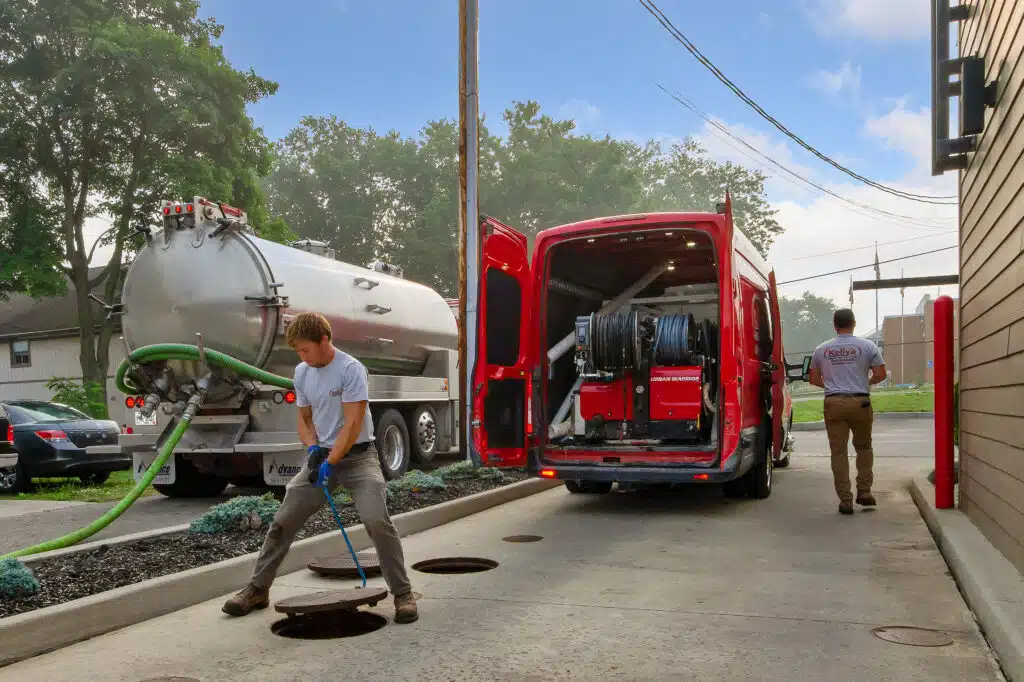
This is the most critical component of your septic tank maintenance schedule. Professional pumping removes the accumulated scum and sludge, preventing it from overflowing into your drain field and causing irreversible damage. The EPA strongly advises regular pumping to avoid system failure.
The frequency depends on several factors:
- Household Size: More people mean more wastewater and solids entering the tank daily.
- Water Usage Habits: High water usage (e.g., long showers, frequent laundry) fills the tank faster and can disturb the settling process.
- Septic Tank Size: Larger tanks can hold more solids before needing to be pumped.
- Garbage Disposal Use: Using a garbage disposal significantly increases the amount of solids entering your tank, often requiring annual pumping.
Septic Pumping Frequency Guide (Typical Anaerobic System):
| Household Size | No Garbage Disposal | With Garbage Disposal |
|---|---|---|
| 1-2 People | Every 3-5 Years | Every 2-3 Years |
| 3-4 People | Every 2-3 Years | Every 1-2 Years |
| 5+ People | Every 1-2 Years | Annually |
⚠️ CRITICAL WARNING: Never attempt to open your septic tank yourself without proper training and safety equipment. Septic tanks contain highly toxic and odorless gases, primarily methane and hydrogen sulfide, which can cause unconsciousness or death within minutes. Always call a licensed septic professional.
Septic Pumping Costs: Budgeting for This Essential Service
Understanding the cost of septic pumping helps you budget for this essential regular septic care. While prices vary, it’s a manageable expense compared to a system failure.
Average Septic Pumping Costs in 2024:
- Base Pumping Service: $300 – $600 (for a standard 1,000-1,500 gallon tank)
- Additional Services (Add-ons):
- Locating the Tank/Lid: $50 – $150 (if not easily accessible)
- Digging/Uncovering Lid: $50 – $200 (if buried more than 6-12 inches)
- Effluent Filter Cleaning: $25 – $75 (often included with pumping)
- Minor Repairs (e.g., riser installation, baffle repair): $100 – $500+
- Emergency/After-Hours Service: $100 – $300+ extra
Regional Cost Variations:
Septic pumping costs can fluctuate significantly based on your geographic location, local health department regulations, labor costs, and fuel prices.
Average Septic Pumping Costs by US Region (Standard 1000-1500 Gallon Tank):
| Region | Typical Cost Range | Notes |
|---|---|---|
| Northeast | $450 – $800 | Higher labor/disposal costs; often includes lid uncovering. |
| Mid-Atlantic | $400 – $700 | Varies by suburban vs. rural proximity. |
| Southeast | $300 – $600 | Generally lower costs; competitive market. |
| Midwest | $250 – $550 | More affordable, but frost line considerations in winter. |
| Southwest | $350 – $650 | Dry climate can affect soil and system types. |
| West Coast | $450 – $850 | Higher living/labor costs, especially in California. |
Recommended Products & Tools for Smart Septic Ownership
While no product replaces professional pumping, certain tools and treatments can support your septic tank maintenance schedule.
Septic Tank Treatments (Use with Caution & Professional Advice)
Some homeowners use bacterial or enzymatic treatments to boost the natural bacteria in their tanks, especially if they’ve used harsh chemicals accidentally.
- Bacterial Treatments (e.g., Rid-X, Bio-Clean): Introduce billions of beneficial bacteria to help break down solids. Generally considered safe when used as directed.
- Price Range: $15 – $40 for a multi-month supply.
- Availability: Amazon, Home Depot, Lowe’s.
- Enzyme Treatments (e.g., Green Gobbler Septic Saver): Enzymes break down specific organic compounds (fats, proteins).
- Price Range: $20 – $50.
- Availability: Amazon, Lowe’s.
🚫 IMPORTANT NOTE: The EPA and NOWRA consistently state that most septic tank additives are NOT a substitute for regular pumping. Some chemical additives can even harm your system by disrupting the natural balance or causing solids to flush into your drain field prematurely. Consult a licensed pumper before using any additive.
Monitoring Systems
- Septic Alarms (e.g., SJE Rhombus Tank Alert AB, Septic Alert Monitors): Essential for aerobic systems or those with pump chambers. They notify you if water levels rise too high, indicating a pump failure or backup.
- Price Range: $100 – $400+.
- Availability: Online, direct from manufacturers.
Maintenance Tools & Enhancements
- Septic Tank Risers (Infiltrator Water Technologies Risers): If your tank access is buried deep, risers bring the lid to ground level, making inspections and pumping much easier and cheaper over time. This is a smart long-term investment.
- Price Range: $50 – $150 per section.
- Availability: Home Depot, Lowe’s, plumbing supply stores.
- Effluent Filters: These filters fit into the outlet baffle of your tank, catching solids before they reach the drain field. They require annual cleaning.
- Price Range: $50 – $150 (for the filter unit itself).
- Availability: Septic supply companies, directly from manufacturers.
DIY vs. Professional: What You Should Never Attempt for Septic Safety
While our septic tank maintenance schedule includes several DIY checks, most hands-on tasks beyond visual inspection require a professional. Prioritizing safety and expertise is paramount.
- DIY Pumping: This is illegal and dangerous. Improper disposal of septage is an environmental hazard, and attempting to pump yourself exposes you to toxic gases and potential fines.
- Opening the Septic Tank: As mentioned, this is extremely dangerous due to toxic gases and the risk of falling in. Always leave tank access to trained professionals.
- Repairing Internal Components: Baffles, pipes, and other internal structures are fragile and require specific knowledge to repair or replace without damaging the system further.
- Driving Over Your Septic System: Never drive vehicles, heavy equipment, or even ride lawnmowers over your septic tank or drain field. The weight can crush pipes, compact soil, and cause catastrophic system failure.
- Planting the Wrong Vegetation: Only grass or shallow-rooted plants should be over your drain field. Tree roots will seek out the nutrient-rich effluent and invade pipes, causing irreparable damage and blockages.
Septic regulations vary by county. Always check with your local health department for specific requirements and permits for any septic work.
Frequently Asked Questions About Septic Tank Maintenance
Q: Can I use a garbage disposal with a septic system?
A: It’s generally not recommended. Garbage disposals significantly increase the amount of solids entering your septic tank (by up to 50%), requiring much more frequent pumping (often annually). If you must use one, be prepared to pump your tank more often and ensure you’re using a bacterial additive to help break down the extra organic material.
Q: How do I find my septic tank lid?
A: Start by checking your property records for an ‘as-built’ diagram. Often, the tank is located 10-20 feet from your house, usually in the direction of your drain field. Look for slight depressions in the ground, or use a metal probe (carefully!) to locate the edges of the tank. Consider installing septic tank risers to bring the access point to ground level for easier and safer future access.
Q: Are septic tank treatments worth the cost?
A: Some bacterial septic tank treatments can be beneficial for maintaining a healthy bacterial population, especially if your system has been exposed to harsh chemicals. However, they are NOT a substitute for professional pumping. Avoid chemical ‘cleaners’ which can kill beneficial bacteria and damage system components. Always choose treatments that are explicitly biological/enzymatic and consult a professional before use.
Q: What are my local health department regulations regarding septic systems?
A: Septic system regulations vary significantly by state, county, and even municipality. These regulations cover everything from inspection frequency and pumping requirements to setback distances for drain fields and approved system types. It is CRUCIAL to contact your local health department or environmental quality office for specific guidelines applicable to your property. Ignoring these can lead to fines and mandated system repairs or replacements.
Your Action Plan: Take Control of Your Septic System Today
Don’t wait for a disaster to remind you about your septic system. Proactive maintenance is the most cost-effective way to ensure its longevity and your peace of mind. Follow this septic tank maintenance schedule, and you’ll protect your home, health, and finances for years to come.
Immediate Steps to Implement:
- Locate Your Tank Access Points: If you don’t know where your tank lid is, start searching property records or hire a professional to locate it for you. This is a critical first step for any future service.
- Note Last Pumping Date: Check home inspection reports, previous owner records, or municipal permits for the last time your septic tank was serviced. This helps determine your immediate pumping needs.
- Schedule Inspection/Pumping: If it’s been more than 3 years (or less, based on our guide’s usage factors) since your last service, schedule a professional inspection and pumping now.
- Download Our Free Septic Maintenance Calendar: Stay on track with your monthly, quarterly, and yearly tasks by using this actionable checklist.
Ready to Protect Your Investment?
Get free, no-obligation quotes from licensed, local septic professionals in your area. Ensure your system gets the expert care it deserves!
Get Free Quotes from Licensed Septic Professionals Near You
Or, take control of your daily and weekly tasks:
Download Our Free Printable Septic Maintenance Checklist & Calendar
Disclosure: As an affiliate, we may earn a commission from qualifying purchases made through links on this page. Septic pumping and service costs vary by region, tank accessibility, and specific system type. Always hire licensed, insured professionals for all septic work. Attempting to open or service a septic tank without proper training is DANGEROUS due to toxic gases and potential collapse. Local health department regulations are paramount and supersede general advice.
Industry Authority Note: This guide references and aligns with recommendations from the U.S. Environmental Protection Agency (EPA) Septic Guidelines (e.g., EPA 832-F-21-001) and the National Onsite Wastewater Recycling Association (NOWRA). The information has been reviewed for accuracy based on current industry best practices and consultations with licensed septic system inspectors.

Leave a Reply