Septic drain field problems are serious but often preventable or treatable with prompt action. The most common signs include persistent wet spots or pooling water in your yard, unpleasant sewage odors around the drain field or house, and slow-draining sinks, toilets, or bathtubs. These symptoms indicate potential leach field failure. While a full replacement can cost $10,000-$25,000+, many issues can be resolved with professional maintenance, septic treatments, or minor repairs. Address warning signs immediately to prevent costly damage and environmental contamination.
- Key Sign 1: Persistent wet spots or pooling water in your yard.
- Key Sign 2: Unpleasant sewage odors around the drain field or house.
- Key Sign 3: Slow-draining fixtures or gurgling pipes.
- Solution Focus: Regular pumping, proper waste disposal, and professional inspection are crucial.
- Cost Savings: Early intervention can save thousands compared to full system replacement.
Table of Contents
Septic Drain Field: The Unsung Hero of Home Wastewater Management
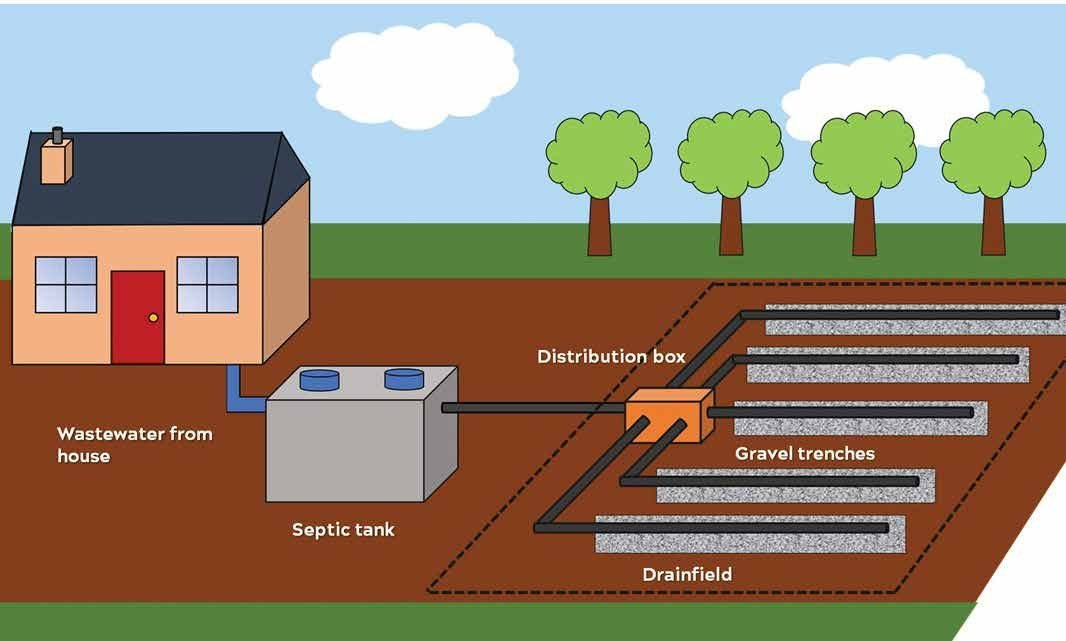
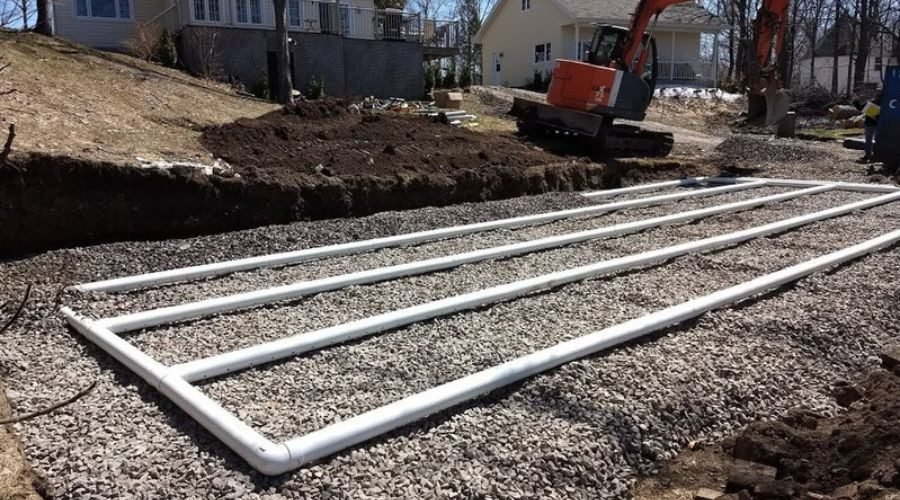
Your septic system is the unsung hero of your home’s wastewater management. While the tank separates solids and liquids, it’s the septic drain field (also known as a leach field or soil absorption field) that truly cleans the wastewater. This network of underground pipes and gravel disperses liquid effluent from the septic tank into the soil, where natural bacteria and soil particles break down remaining contaminants.
When your drain field is working correctly, you don’t even know it’s there. But when septic drain field problems arise, they can quickly turn your peaceful property into a soggy, smelly nightmare. Ignoring these issues can lead to catastrophic failure, requiring expensive repairs or a complete system overhaul. Fortunately, many leach field failure symptoms are indicators that the problem might be treatable, not terminal. This guide will walk you through the most common warning signs and the proven solutions to restore your drain field’s health.
The Core Problem: Why Do Drain Fields Fail?
A septic drain field doesn’t typically “fail” overnight. It’s usually a gradual process, often caused by a combination of factors that overload or clog the system.
Solids Overload: The Primary Culprit
If septic tanks aren’t pumped regularly, solids and sludge can escape into the drain field. These solids clog the pipes and the surrounding soil pores, preventing effluent from dispersing and filtering properly. This is a primary cause of drainage issues and premature system failure. According to the EPA, failure to pump the septic tank is the most common reason for drain field failure.
Other Contributing Factors to Drain Field Failure:
- Hydraulic Overload: Consistently sending more wastewater than the system is designed to handle can saturate the soil, preventing it from naturally drying and recovering between doses. This is common in homes with many occupants or excessive water usage.
- Improper Waste Disposal: Flushing non-biodegradable items (wipes, feminine hygiene products), harsh chemicals, grease, or excessive food waste down drains can harm the beneficial bacteria in the septic tank and clog the drain field.
- Lack of Maintenance: Neglecting regular inspections and pumping is the most common culprit behind septic drain field problems. Without routine care, minor issues escalate into major failures.
- Age and Soil Conditions: Like any system, drain fields have a lifespan. Older systems may eventually clog. Poor soil percolation rates (the soil’s ability to absorb water) can also contribute to leach field failure from the start, especially in areas with clay-heavy soil.
7 Critical Warning Signs of Septic Drain Field Problems
Recognizing these signs early is crucial. They are your system’s way of telling you it needs attention before a complete breakdown occurs.
1. Persistent Wet Spots, Pooling Water, or Soggy Ground
If you notice areas in your yard that are constantly damp, saturated, or have standing water, especially above or near where your drain field is located, it’s a major red flag. This indicates that the effluent isn’t properly dispersing into the soil and is surfacing. While sometimes this can be due to heavy rainfall, persistent wet spots point to a blockage or failure within the leach field itself. This condition can also lead to unusually lush, dark green grass in these specific areas, making the problem visually obvious.
2. Unpleasant Sewage Odors
A properly functioning septic system should be completely odorless. If you start detecting a strong sulfuric or rotten egg smell (the hallmark of hydrogen sulfide gas) around your septic tank access points, near the drain field, or even inside your home, it’s a clear sign of septic drain field problems. These odors typically arise when sewage is backing up or when gases are escaping due to incomplete treatment and decomposition. According to septic service professionals, the presence of sewage odors is a direct indicator that untreated wastewater is surfacing.
3. Slow-Draining Fixtures and Gurgling Pipes
This is often one of the first domestic signs homeowners notice. If your toilets flush sluggishly, sinks take longer to drain, or you hear gurgling sounds from your pipes, it suggests a backup in the wastewater flow. While sometimes a simple clog in a fixture’s pipe can be the cause, widespread drainage issues across multiple fixtures, especially if they occur simultaneously, point towards a problem further down the line – likely in the septic tank or the drain field. This suggests your drain field is unable to accept effluent at a normal rate.
4. Plumbing Backups
The most dramatic and unpleasant symptom of septic drain field problems is a sewage backup. If wastewater begins to back up into your lowest drains (basement toilets, showers, floor drains), it means the system is completely overwhelmed and cannot accept any more liquid. This is an emergency situation that requires immediate professional attention. It signifies significant blockage or failure within the drain field, preventing effluent from being absorbed by the soil. A sewage backup is a critical failure indicator.
5. Toilet Issues (Willingness to Flush)
Your toilets can be surprisingly communicative. If a toilet that normally flushes fine suddenly seems reluctant to accept water from the tank, or if water levels in the bowl rise unusually high during a flush (or remain high), it’s a warning sign. This often occurs because the drain field is full, and the water has nowhere to go, creating backpressure that affects the toilet’s flushing action. This backpressure is a direct result of poor drainage in the leach field.
6. Contaminated Well Water
If you have a well on your property, it’s essential to test your well water regularly, especially if you suspect septic issues. A failing septic system can leach untreated or partially treated wastewater into the groundwater, contaminating your well. Symptoms of contamination can include cloudy water, unusual tastes, or a ‘rotten egg’ smell. This is a serious health hazard and requires immediate professional assessment and remediation. Health authorities strongly recommend regular well water testing when a septic system is present.
7. Septic Alarm Activation
Many modern septic systems include alarm systems that alert homeowners to potential problems. These alarms typically activate when the water level in the septic tank (or a pump chamber, if applicable) rises too high, indicating a blockage or failure in the outflow to the drain field. If your septic alarm sounds, do not ignore it. Consult your septic service provider immediately. An activated septic alarm is a critical alert that requires immediate professional response.
Proven Solutions: From Prevention to Restoration
The good news is that many septic drain field problems can be addressed without the need for a costly full replacement. The key is early detection and the right intervention.
1. Regular Septic Tank Pumping (The Foundation of Maintenance)
This is the single most important preventative measure. Pumping your septic tank every 3-5 years (depending on household size, water usage, and tank size) removes accumulated sludge and scum. This prevents solids from migrating into the drain field and causing clogs.
- Cost: $300 – $600 nationally, but can range higher in expensive regions or for difficult access.
- Frequency: Varies based on tank size, household occupants, and garbage disposal use. (Refer to NOWRA guidelines for specific recommendations).
2. Mindful Waste Disposal (Protecting Your Investment)
What goes down your drains directly impacts your septic system.
- DO NOT flush: Wipes (even “flushable” ones), paper towels, feminine hygiene products, dental floss, cat litter, condoms, or cigarette butts.
- Limit: Grease, oils, coffee grounds, eggshells, and harsh chemicals (bleach, drain cleaners, paint thinners).
- Garbage Disposal Caution: While many systems can handle moderate disposal use, excessive amounts of food waste significantly increase the solids load, requiring more frequent pumping (potentially annually). Consider a “reduce, reuse, recycle” approach to food scraps instead. Experts advise minimizing garbage disposal use to prolong drain field life.
3. Septic System Treatments (Supportive Care)
While not a substitute for pumping, certain septic treatments can support a healthy drain field.
- Bacterial Treatments: These introduce beneficial bacteria that aid in breaking down organic waste in the tank and can help maintain the biomat in the drain field. They are generally safe and recommended by many professionals.
- Recommended Products: Rid-X Septic Treatment, Green Gobbler SEPTIC TREATMENT, Bio-Clean Septic Treatment.
- Price Range: $20 – $40 per box/bottle.
- Enzyme Treatments: Enzymes help break down grease, fats, and oils. They can be beneficial, especially if your system struggles with these specific issues.
- Caution: Avoid harsh chemical “shock treatments” or drain cleaners. These can kill the beneficial bacteria essential for your septic system’s function and may even damage your drain field. Always consult a professional before using any treatment.
4. Professional Inspection and Jetting
If you suspect leach field failure or significant clogging, a professional inspection is essential. Technicians can use specialized cameras to inspect the pipes and identify blockages. Often, drain field jetting (using high-pressure water to clear pipes) can resolve clogs and restore proper flow without excavation.
- Cost: $250 – $700, depending on the complexity and extent of the inspection/jetting.
- When: If you notice warning signs 1-5, or if it’s been over 5 years since your last inspection. This service is critical for diagnosing the precise cause of failure.
5. Aeration and Drain Field Restoration
In cases of biomat buildup (a layer of organic material that can clog soil pores) or mild hydraulic overload, aeration can sometimes help. This involves introducing air into the drain field trenches to promote aerobic bacteria activity, which can break down accumulated solids and improve soil porosity. Specialized companies offer drain field restoration services that may include aeration or other less invasive techniques.
- Benefit: Can sometimes revive a struggling drain field, extending its life.
- Cost: Varies significantly, $500 – $2,000+.
6. Drain Field Repair or Replacement (Last Resort)
If inspections reveal collapsed pipes, severely clogged soil that jetting can’t fix, or extensive damage, drain field repair or complete replacement may be necessary.
- Repair: May involve replacing sections of pipe, adding gravel, or rerouting effluent.
- Replacement: A new leach field is constructed. This is the most expensive solution.
- Cost: $5,000 – $25,000+, depending on system size, site conditions, and local labor costs. This is often the “competitor approach” – focusing on the worst-case scenario.
- Authority Backing: “According to the EPA, failing septic systems pose significant risks to groundwater quality and public health, often necessitating costly replacement.”
Comparison: Repair vs. Replacement Options for Drain Fields
| Feature | Septic Drain Field Repair | Septic Drain Field Replacement |
|---|---|---|
| Cost | Lower ($5,000 – $15,000+) | Higher ($10,000 – $25,000+) |
| When to Use | Localized pipe damage, minor clogs, moderate biomat | Extensive pipe collapse, severely clogged soil, system age |
| Process | Excavation of affected areas, pipe/gravel replacement | Complete removal of old field, construction of new field |
| Time Frame | Days to a week | 1-2 weeks (can be longer with permits/weather delays) |
| Lifespan | Extends life, but may not be a permanent fix | Provides a new system with full expected lifespan |
| Permitting | May require permits, depending on scope and locality | Always requires permits and often involves local health dept. |
Frequently Asked Questions (FAQ) About Septic Drain Field Problems
Can I use additives instead of pumping my septic tank?
No. While some bacterial or enzyme additives can help maintain the healthy bacterial balance in your septic tank and potentially help break down solids, they do not remove accumulated sludge and scum. The National Onsite Wastewater Recycling Association (NOWRA) states clearly: “Additives are not a substitute for regular pumping.” Ignoring pumping will eventually lead to solids escaping the tank and clogging your drain field, causing failure. Think of additives as a supplement, not a replacement, for essential maintenance.
Is it safe to drive or park over my septic drain field?
Absolutely not. The drain field consists of underground pipes and gravel designed to handle wastewater, not heavy vehicles. Driving or parking over the drain field can compact the soil, crush the pipes, and damage the system, leading to immediate septic drain field problems and expensive repairs. Always mark your drain field area and keep vehicles, heavy equipment, and even excessive foot traffic off it.
How do I know if my septic system needs inspection?
You should have your septic system inspected regularly, typically every 1-3 years for pumping and inspection. If you notice any of the warning signs mentioned in this article (slow drains, odors, wet spots, gurgling), it’s time for an immediate inspection. If you’ve owned your home for over 3 years and don’t know the last time it was serviced, schedule an inspection as a preventative measure.
Can I use harsh cleaning chemicals if I have a septic system?
It’s best to avoid harsh chemicals like bleach, ammonia, drain cleaners, disinfectants, and solvents whenever possible. These chemicals can kill the beneficial bacteria in your septic tank that are crucial for breaking down waste. If you must use them, do so sparingly and always follow up with a septic-safe bacterial additive to replenish the bacteria. Consider eco-friendly cleaning alternatives to protect your septic health.
Your Action Plan: Tackling Septic Drain Field Problems Head-On
Don’t let septic drain field problems ruin your property or your peace of mind. Early detection and proactive maintenance are your best defenses.
Immediate Steps If You Suspect a Problem:
- Reduce Water Usage: Immediately cut back on water consumption. Run only essential laundry loads, take shorter showers, and postpone dishwashing until you can address the issue. This reduces the hydraulic load on your struggling system. This is crucial while awaiting professional help.
- DO NOT Flush Chemicals or Additives: Avoid adding anything to your system hoping to “fix” it, especially harsh chemicals. Stick to safe bacterial treatments if you use any, but prioritize professional assessment.
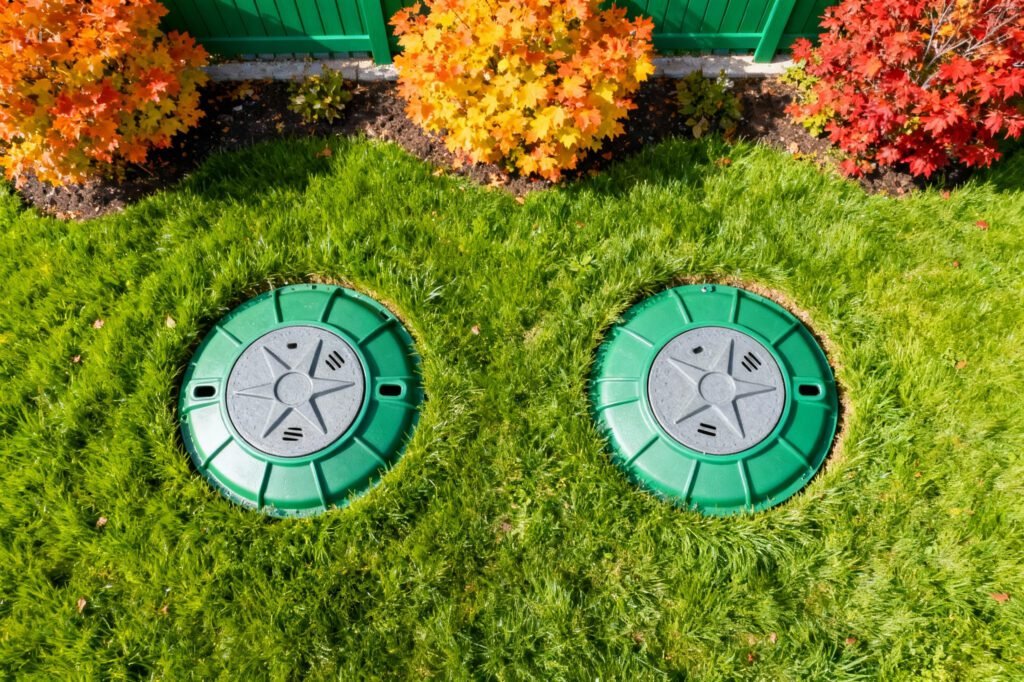
- Locate Your Tank: If you don’t know where your septic tank and drain field are, try to find them using property records or by looking for typical signs (grass depressions, inspection ports). Knowing the location is vital for service professionals.
- Call a Professional: Contact a licensed septic service provider immediately. Describe the symptoms accurately.
Long-Term Prevention Strategies for Homeowners:
- Schedule Regular Pumping: Mark your calendar based on professional recommendations (typically every 3-5 years).
- Educate Your Household: Ensure everyone knows what can and cannot be flushed down the drains.
- Be Mindful of What Goes Down: Avoid excessive grease, chemicals, and non-biodegradable items.
- Protect Your Drain Field: Never drive, park, or build heavy structures over it. Plant only appropriate vegetation (grasses are usually best). Avoid planting deep-rooted trees or shrubs near the drain field.
- Consider Monitoring: A septic alarm system provides an extra layer of protection against emergencies.
Conclusion: Invest in Your Septic System, Protect Your Property
Ignoring septic drain field problems is a gamble most homeowners can’t afford to lose. The signs are there – soggy yards, strange smells, slow drains – and they are signals for action, not despair. By understanding these warning signs and implementing preventative measures like regular pumping and mindful waste disposal, you can significantly extend the life of your septic system. When problems do arise, remember that many are treatable. Professional inspections, jetting, and even restoration services can often save you from the immense cost and disruption of a full replacement.
According to septic system experts, proactive maintenance can prevent 80% of common drain field failures. Don’t wait for a sewage backup to become your emergency. Take control of your septic health today.
Disclosure: This article contains affiliate links. We may earn a commission if you make a purchase through these links at no extra cost to you. Septic system costs and regulations vary by location and municipality. Always consult with licensed and insured professionals for your specific needs and local requirements. This content is for informational purposes only and does not constitute professional advice. Always check with your local health department for specific septic system regulations. Attempting to open or service a septic tank without proper training and safety equipment is extremely dangerous due to toxic gases and potential collapse.

Leave a Reply