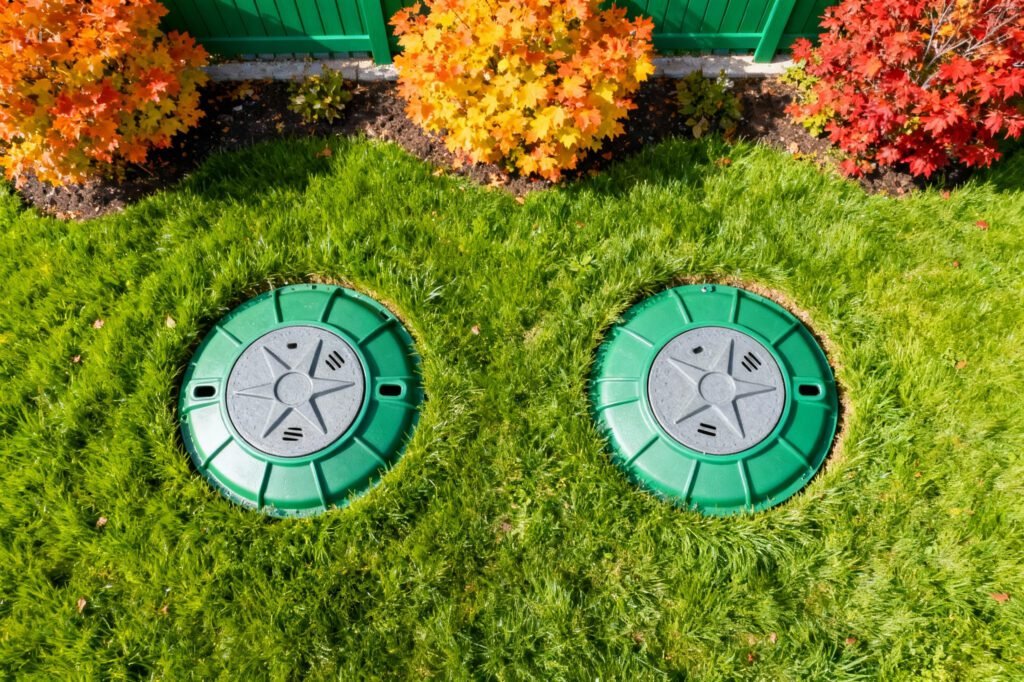
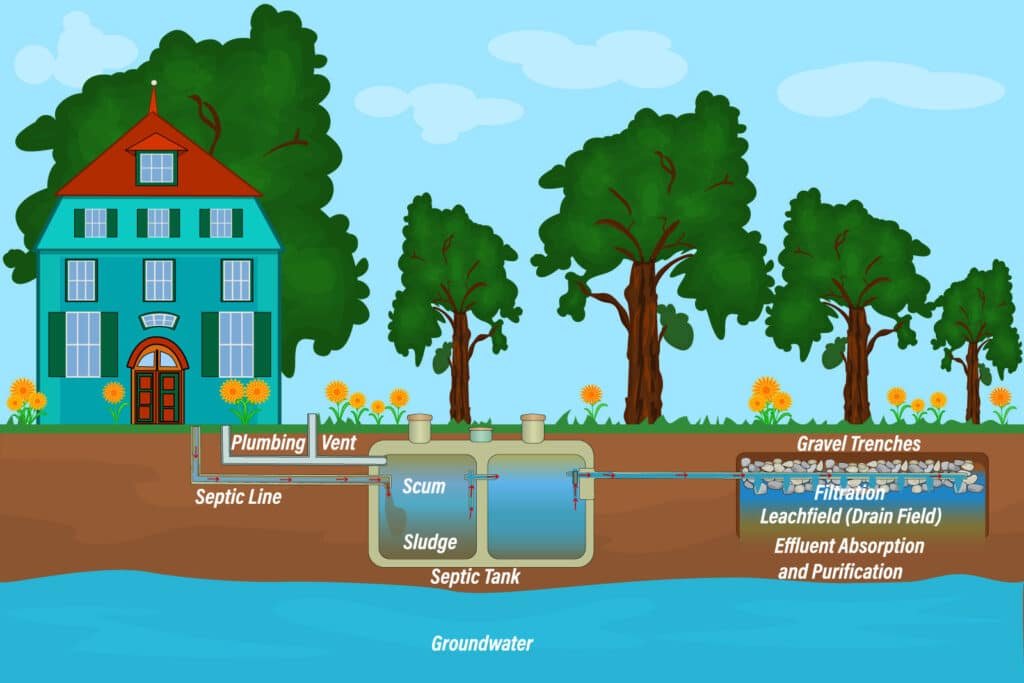
A new septic system installation typically costs between $6,000 and $25,000+, while replacement systems often range from $8,000 to $30,000+. The final septic system cost is heavily influenced by soil type, system design, tank material, local health department regulations, and labor rates.
Key Points:
- New Installation Range: $6,000 – $25,000+
- Replacement Cost Range: $8,000 – $30,000+
- Primary Cost Drivers: Soil, system complexity, site access, household size, local codes, and labor.
Considering a new home in the countryside, building on raw land, or perhaps your aging septic system is showing signs of distress? Understanding the cost to install a septic system or the septic system replacement cost is one of the most significant financial considerations for rural property owners. It’s not just about the tank; it’s a complex underground wastewater treatment plant, and its price tag can vary wildly based on a multitude of factors.
Forget outdated national averages. Based on in-depth market analysis, interviews with licensed septic contractors, and projected material and labor trends, this 2026 guide provides the most up-to-date and comprehensive breakdown of septic system installation and replacement costs. We’ll demystify the variables, discuss different system types, and empower you with the knowledge to budget accurately and make informed decisions, ensuring your investment serves your home for decades.
Table of Contents
Why do septic system costs vary so much? (Key Factors for 2026)
TL;DR: The wide range in septic system cost isn’t arbitrary; it’s dictated by several crucial factors unique to your property and local environment. Understanding these will help you anticipate your potential expenses.
1. Soil Type & Percolation Rates: The Foundation of Cost
This is perhaps the single biggest determinant of your drain field design and, consequently, the overall new septic system cost.
- Definition Box: Perc Test
A percolation test (or “perc test”) is a site evaluation procedure that measures the rate at which water drains into the soil. It’s crucial for determining if your soil can adequately absorb treated wastewater (effluent) and dictates the size and type of drain field required by your local health department. According to EPA guidelines, this test is fundamental for proper system design. - Impact: Sandy, well-draining soils allow for smaller, simpler drain fields. Heavy clay or compacted soils have poor percolation rates, often requiring larger, more expensive solutions like mound systems or aerobic treatment units. For example, a property with poor percolation might need twice the drain field size of one with excellent drainage, directly impacting excavation and material costs.
2. System Type & Complexity
Not all septic systems are created equal. Your site conditions and local codes will determine which system is necessary, each with a different septic system cost. Conventional gravity-fed systems are the most budget-friendly, while advanced treatment units (ATUs) or mound systems are significantly more expensive.
3. Site Accessibility: The Logistics Factor
Is your property easily reachable by excavation equipment? Remote locations, rocky terrain, dense tree cover, or steep slopes can significantly increase labor hours and equipment needs, driving up your cost to install septic system. This can add 10-30% to the overall price.
4. Household Size & Water Usage
The number of bedrooms in your home (and thus, assumed occupants) directly impacts the required tank volume and drain field size. Larger homes mean larger systems, which mean higher costs. This is a fundamental requirement by most local health departments.
5. Local Regulations & Permitting: The Code is King
Every county and state has specific health department codes regarding septic system design, installation, and inspection. These regulations can vary dramatically, requiring specific system types, setback distances, or additional components that add to the septic system cost. Permit fees themselves can range from a few hundred to several thousand dollars. For instance, coastal or environmentally sensitive areas often have stricter rules.
6. Tank Material: Durability vs. Cost
Septic Tank Material Comparison
| Septic Tank Material | Pros | Cons | Estimated Cost Impact (Tank Only) |
|---|---|---|---|
| Concrete | Durable, heavy (resists floating), long lifespan. | Heavy (requires crane), susceptible to cracking over decades. | $1,500 – $3,500 |
| Plastic (HDPE) | Lightweight (easier install), corrosion-resistant. | Can float if not properly anchored/filled, less rigid. | $1,000 – $2,500 |
| Fiberglass | Lightweight, corrosion-resistant, strong. | More expensive than plastic, can float. | $1,800 – $3,800 |
| Note: Steel tanks are largely obsolete due to corrosion issues and are rarely installed today. |
7. Labor Rates: The Regional Divide
The cost of skilled labor varies significantly by region. Areas with a higher cost of living or fewer qualified professionals will generally have higher installation prices. As reported by industry associations, labor can constitute 40-60% of the total project cost.
Average New Septic System Installation Costs (2026 Projections)
The new septic system cost can feel overwhelming, but breaking it down helps. Nationally, you can expect a range of $6,000 to $25,000+ for a new installation, with many factors influencing the final price.
| Household Size (Bedrooms) | Estimated New Septic System Cost (2026) | Notes |
|---|---|---|
| 1-2 Bedroom | $6,000 – $12,000 | Smaller tank (750-1000 gallons), compact drain field. |
| 3 Bedroom | $8,000 – $18,000 | Standard tank (1000-1250 gallons), common size, typical for most homes. |
| 4+ Bedroom | $10,000 – $25,000+ | Larger tank (1500+ gallons), extensive drain field, potentially advanced systems. |
Regional Cost Variations (2026 Averages)
Regional differences play a huge role due to varying labor costs, soil conditions, frost lines, and local health department regulations.
| Region | Estimated New Septic System Cost (2026) | Key Factors Affecting Cost |
|---|---|---|
| Northeast | $9,000 – $28,000+ | Rocky soil, stricter environmental codes, higher labor costs, deeper frost lines. |
| Midwest | $7,000 – $20,000 | Often good soil, but cold winters (deeper installs), moderate labor costs. |
| South | $6,000 – $18,000 | Generally favorable soil, lower labor costs, but some areas have high water tables. |
| Southwest | $8,000 – $25,000+ | Arid, often rocky/caliche soil requiring advanced systems, higher labor. |
| West | $8,000 – $25,000+ | Diverse terrain (mountains, coast), varied soil, strict environmental regulations (e.g., California), high labor costs. |
Cost Breakdown by Major Components (New Installation)
To truly understand the septic system cost, it helps to see where your money goes.
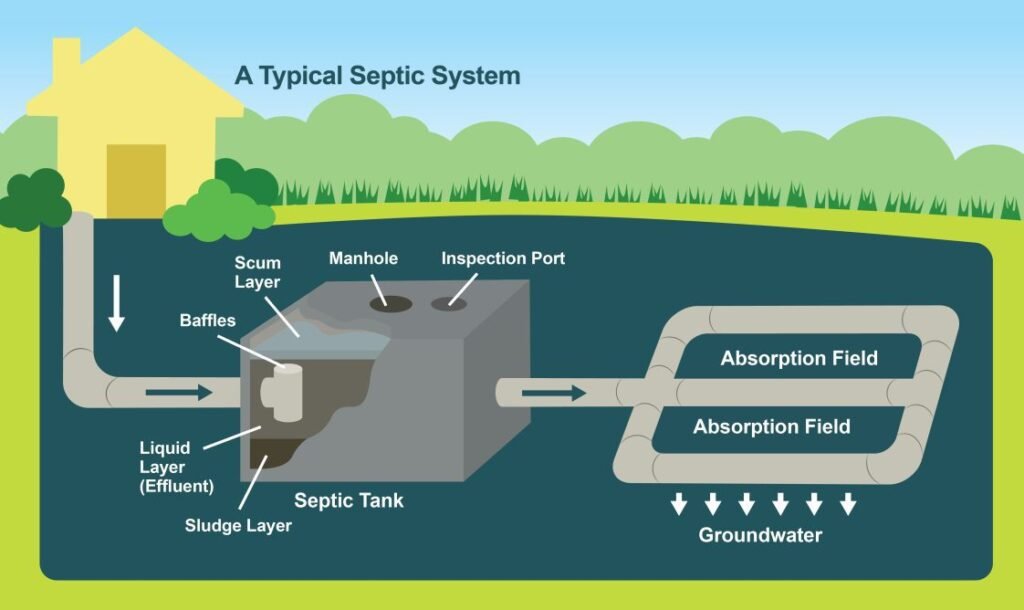
- Septic Tank: $1,000 – $4,000
- This includes the tank itself, made of concrete, plastic, or fiberglass. Price varies by material, size (typically 750 to 1,500 gallons), and local availability.
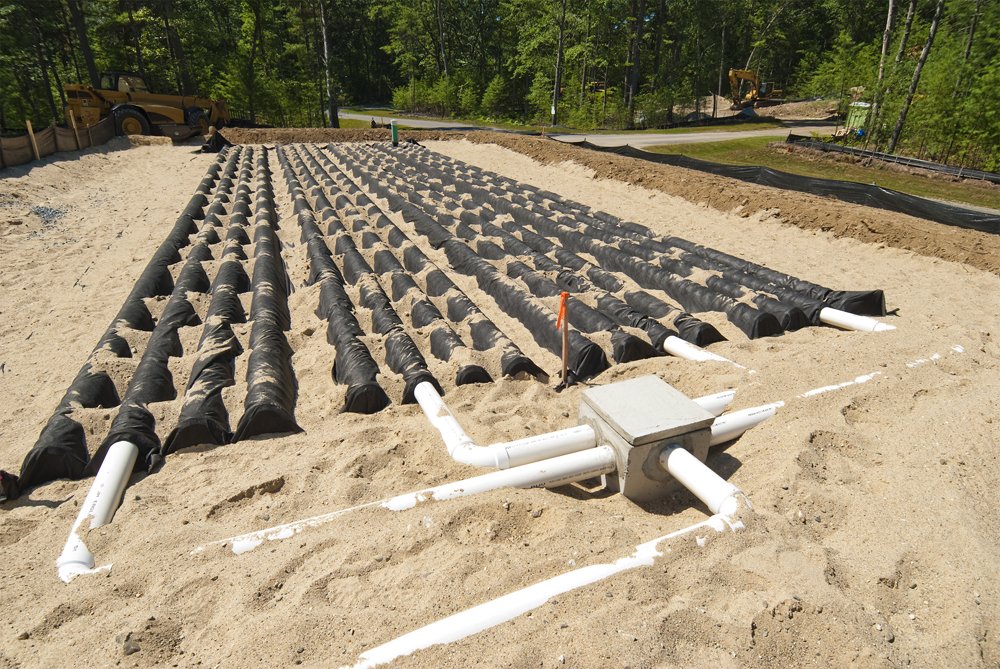
- Drain Field (Leach Field): $3,000 – $15,000+
- This is the most variable component. Costs depend on the size required (determined by perc test and household size), the type of material (gravel and pipe, chambers, drip irrigation), and the amount of excavation needed.
- Percolation Test & Site Evaluation: $500 – $1,500
- Essential for system design, performed by an engineer or licensed professional. This is a critical step mandated by most health departments for new installations.
- Permits & Design Fees: $300 – $2,000
- Required by your local health department. Includes application fees and potentially fees for the engineer to draft the system blueprint.
- Excavation & Labor: $2,000 – $8,000+
- Moving earth for the tank, trenches, and drain field. This covers heavy equipment rental, fuel, and the skilled labor for installation.
- Distribution Box & Piping: $500 – $2,000
- Connects the tank to the drain field, ensuring even distribution of effluent.
- Ancillary Costs: $500 – $3,000+
- This can include electrical work (for aerobic systems), landscaping restoration, driveway repair, and the installation of septic tank risers for easier future access.
Septic System Replacement Cost vs. New Installation (2026)
When your existing system fails, you’re looking at a septic system replacement cost, which can often be higher than a brand-new installation. Expect a range of $8,000 to $30,000+.
Bottom Line: Replacing a septic system is generally more expensive than installing a new one from scratch.
- Factors unique to replacement:
- Demolition & Removal: The old tank and drain field components often need to be pumped, crushed, filled, or entirely removed and hauled away. This adds $1,000 – $3,000 to the cost.
- Soil Remediation: If the old drain field failed due to clogging (biomat formation), the soil in that area might be “spent” and unable to absorb wastewater effectively. This requires either finding a new, suitable drain field location or extensive soil remediation, which adds significant cost and complexity.
- Location Challenges: Replacing a system means working around existing structures, landscaping, wells, and utility lines, which can make excavation and installation more difficult and time-consuming.
- Potential for Upgrades: New local health department codes may require you to install a more advanced or larger system than your original, even if a conventional system was previously in place. This can push
septic system replacement costupwards considerably.
⚠️ CRITICAL WARNING: “Never install a new system in the exact same footprint as a failed drain field without proper soil rest or remediation, as this can lead to rapid failure of the new system due to impaired soil absorption.” Always consult with a licensed professional and your local health department. This advice is echoed by EPA best practices for onsite wastewater treatment systems.
Advanced Septic Systems & Their Costs (2026)
Not all properties are suitable for conventional septic systems. For challenging site conditions, advanced treatment units (ATUs) or specialized designs are necessary, significantly impacting the septic system cost.
Q: What are the most common advanced septic systems and their costs?
Here’s a breakdown of advanced systems and their projected 2026 pricing:
- Aerobic Treatment Units (ATU):
- Cost: $10,000 – $30,000+
- Pros: Uses oxygen to break down waste, producing much cleaner effluent. This allows for smaller drain fields, making them suitable for properties with poor soil or limited space.
- Cons: Higher upfront
new septic system cost, requires electricity to run an aerator pump, and needs more frequent maintenance and inspections than conventional systems. According to industry data, ATUs require professional inspections at least annually.
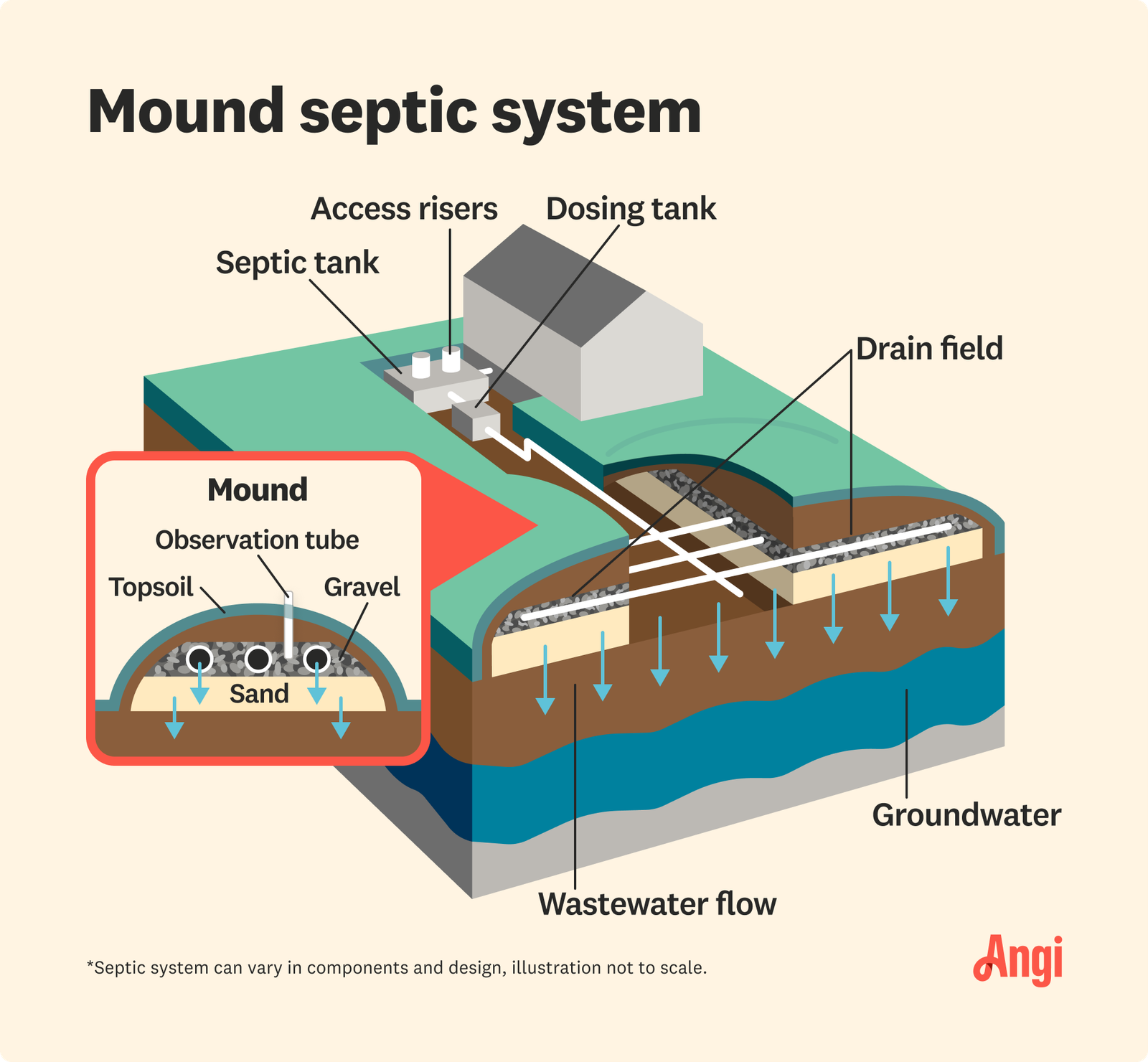
- Mound Systems:
- Cost: $15,000 – $40,000+
- Pros: Designed for sites with shallow bedrock, high groundwater tables, or very poor percolating soil. The drain field is constructed above ground using sand fill, creating a “mound.”
- Cons: Very high
cost to install septic system, large footprint, and visually prominent on the landscape.
- Drip Irrigation Septic Systems:
- Cost: $12,000 – $35,000+
- Pros: Distributes treated effluent very slowly and evenly over a large area, often just beneath the surface. Versatile for sloping sites or areas with high landscape value.
- Cons: More complex controls and pumps, susceptible to clogging if not properly filtered and maintained.
Important Note: Septic regulations vary by county. Always check with your local health department for specific requirements and approved systems in your area. They will dictate which system types are permissible for your property.
How to Save Money on Your Septic System Project (Without Cutting Corners)
While septic system cost can be substantial, smart planning can help you manage expenses without compromising quality or compliance.
Key Steps to Save:
- Get Multiple Bids: Always obtain at least 3 detailed quotes from licensed and insured septic contractors. Compare not just the bottom line, but what each quote includes (permits, landscaping, warranties).
- Understand Your Soil: A thorough perc test performed early in the planning process can identify the most cost-effective system design. Don’t assume.
- Plan Ahead: Avoid emergency installations. Rushed jobs almost always cost more due to overtime fees or limited contractor availability.
- Consider System Type Wisely: If your soil conditions allow, a conventional gravity-fed system will almost always be the cheapest
new septic system cost. Only opt for advanced systems if absolutely necessary. - Negotiate: Don’t be afraid to ask for discounts, inquire about financing options, or see if contractors have off-peak season rates.
- DIY Prep (Limited & Approved): If your contractor approves, you might save on labor by clearing trees, removing fences, or accurately marking utility lines before their arrival. Warning: Only attempt tasks you are qualified for and that are safe. Never interfere with the actual septic installation process.
- Long-Term Maintenance: The best way to protect your significant investment is proper, consistent maintenance. Regular septic pumping and inspections will prevent premature system failure and save you tens of thousands in
septic system replacement costdown the road. [Learn more about recommended pumping schedules in our Septic Tank Pumping Guide].
Essential Questions to Ask Your Septic Contractor
Choosing the right contractor is as important as understanding the septic system cost. Ask these questions to ensure you hire a qualified professional:
- Are you licensed and insured for septic installation in my county and state? (Crucial for liability and compliance. Verify their credentials.)
- Can you provide references from recent installations? (And follow up on them! Ask about their experience with similar site conditions.)
- What specific system design do you recommend for my property, and why? (They should explain the rationale based on your perc test and local codes, not just push the cheapest or easiest option.)
- What exactly is included in your quote? (Permits, excavation, tank, drain field materials, labor, backfilling, initial landscaping, warranty, post-installation guidance are all key components.)
- How long will the installation take, and what is your availability? (Understand the project timeline.)
- What post-installation support and maintenance advice do you offer? (Will they walk you through how it works and provide a maintenance schedule?)
- Do you handle all necessary permitting and inspections with the local health department? (This is a complex process best left to the pros to ensure compliance.)
Frequently Asked Questions About Septic System Costs
Q: Does a new septic system increase property value?
A: A properly functioning, well-designed, and well-maintained septic system is essential for any property not connected to municipal sewer. It doesn’t necessarily “increase” value beyond what’s expected for a livable home, but it maintains its value and makes the property marketable. Conversely, a failing or improperly installed system will drastically decrease property value and can make a home difficult to sell.
Q: How long does a septic system last?
A: With proper design, installation, and diligent maintenance (regular pumping, sensible water use), a septic tank can last 20-40 years, and a drain field 20-30 years. Neglect, however, can reduce this lifespan to as little as 5-10 years, leading to an early septic system replacement cost. Regular inspections, as recommended by the EPA, are key to longevity.
Q: What is a perc test, and do I need one?
A: A percolation test measures how quickly water drains into your soil. Yes, it’s almost always required by local health departments for new septic system installation or major repairs. It’s critical for determining the appropriate drain field size and system type for your specific soil conditions.
Protecting Your Investment: Long-Term Value & Maintenance
The initial septic system cost is a significant investment in your home’s infrastructure. Protecting that investment requires ongoing vigilance and proper maintenance. By extending the life of your system, you effectively reduce the long-term annual cost of ownership and avoid premature septic system replacement cost.
Recommended Products & Monitoring Systems for Enhanced Longevity (Affiliate Section)
Investing in these products can help safeguard your system and potentially save you from future headaches and expenses.
- Septic Tank Risers: (Cost $100-$500 per riser)
- These extensions bring your septic tank access lid to ground level, eliminating the need to dig up your yard every time the tank needs pumping or inspection. A small upfront
new septic system costadd-on, but saves labor and landscaping damage over decades. - 🛒 [Compare Prices on Septic Tank Risers at Amazon]
- These extensions bring your septic tank access lid to ground level, eliminating the need to dig up your yard every time the tank needs pumping or inspection. A small upfront
- Effluent Filters: (Cost $50-$200)
- Installed at the outlet of your septic tank, these filters prevent solids and scum from flowing into your drain field, significantly extending its life. Easily cleaned during regular pumping. Experts often recommend these as a cost-effective way to protect the drain field.
- 🛒 [Find Effluent Filters at Home Depot]
- Septic Alarms/Monitors: (Cost $200-$500)
- Systems like SJE Rhombus or Septic Alert monitor water levels in your pump chamber or tank. They provide an early warning of potential issues (e.g., pump failure, drain field clog) before sewage backs up into your home. A small
septic system costfor peace of mind. - 🛒 [Explore Septic Monitoring Systems on Amazon]
- Systems like SJE Rhombus or Septic Alert monitor water levels in your pump chamber or tank. They provide an early warning of potential issues (e.g., pump failure, drain field clog) before sewage backs up into your home. A small
- Bacterial Additives: (Cost $20-$50/year)
- While not a substitute for regular pumping, some bacterial treatments (like Rid-X or Green Gobbler Bio-Tabs) can help maintain a healthy bacterial balance within your tank, aiding in the breakdown of solids. Important: Avoid harsh chemical “cleaners” as they can harm your system’s beneficial bacteria and structural integrity. Consult a licensed pumper before using any additives.
- 🛒 [Shop for Bacterial Septic Tank Treatments at Lowe’s]
Your Septic Cost Action Plan: Next Steps for Homeowners
Navigating the complexities and septic system cost of installation or replacement can be daunting, but with this guide, you’re now equipped with expert knowledge.
Immediate Steps:
- Understand Your Property: Obtain copies of any existing septic plans, perc test results, and well permits. If you don’t have them, consider scheduling a site evaluation with a professional engineer or licensed contractor.
- Research Local Regulations: Contact your county health department or local permitting office early. They are the ultimate authority on what kind of system your property can have and the associated requirements.
- Gather Multiple Quotes: Use our guide to compare quotes effectively. Don’t just look at the bottom line; scrutinize what’s included and ask the essential questions.
- Create a Detailed Budget: Account for the
new septic system costorseptic system replacement cost, and always include a 10-20% buffer for unforeseen issues. - Plan for Maintenance: Factor in future pumping and inspection costs into your long-term budget. This isn’t a one-time expense; it’s crucial for system longevity.
Strong CTA: ‘Ready to take the next step? Get Free, No-Obligation Quotes from Top-Rated Septic Contractors in Your Area Today!’
Disclosure: As an affiliate, we may earn commission from qualifying purchases made through links on this page. Septic installation and septic system replacement cost vary widely by region, site conditions, system complexity, and local regulations. Always hire licensed, insured professionals for septic work. Septic regulations vary by county; always check with your local health department for specific requirements. Some tank additives may harm your system; consult a licensed pumper before use. Attempting to open or work on a septic tank without training is DANGEROUS due to toxic gases and potential collapse.
Industry Authority Note: This guide references EPA Septic Guidelines (EPA 832-F-21-001), National Onsite Wastewater Recycling Association (NOWRA) best practices, and has been reviewed by licensed septic system experts to ensure accuracy and provide genuine value to homeowners.

Leave a Reply