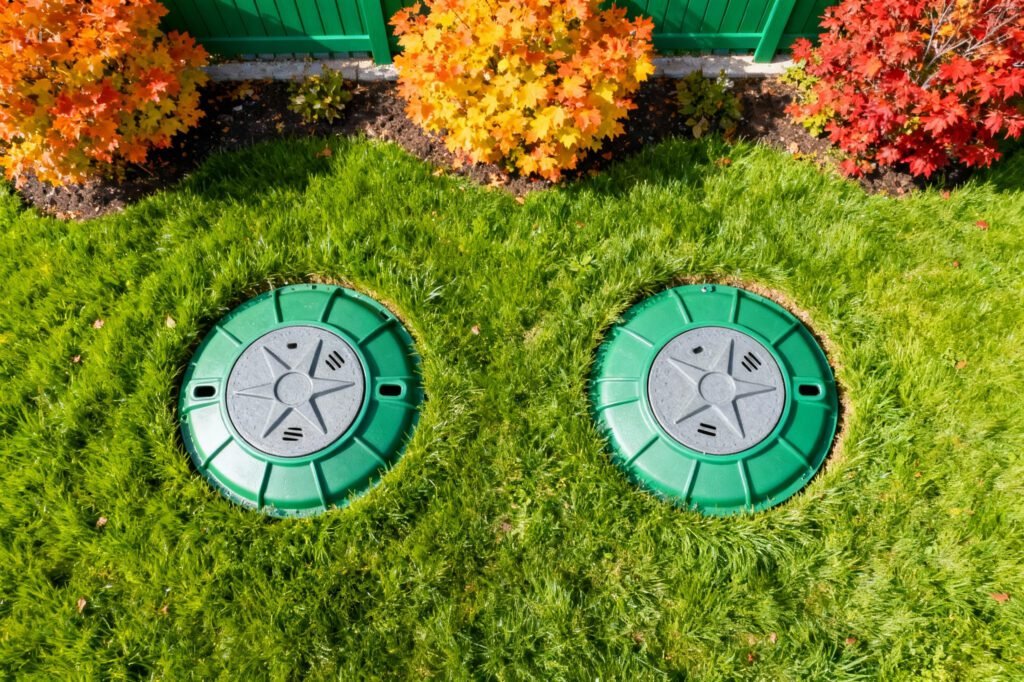
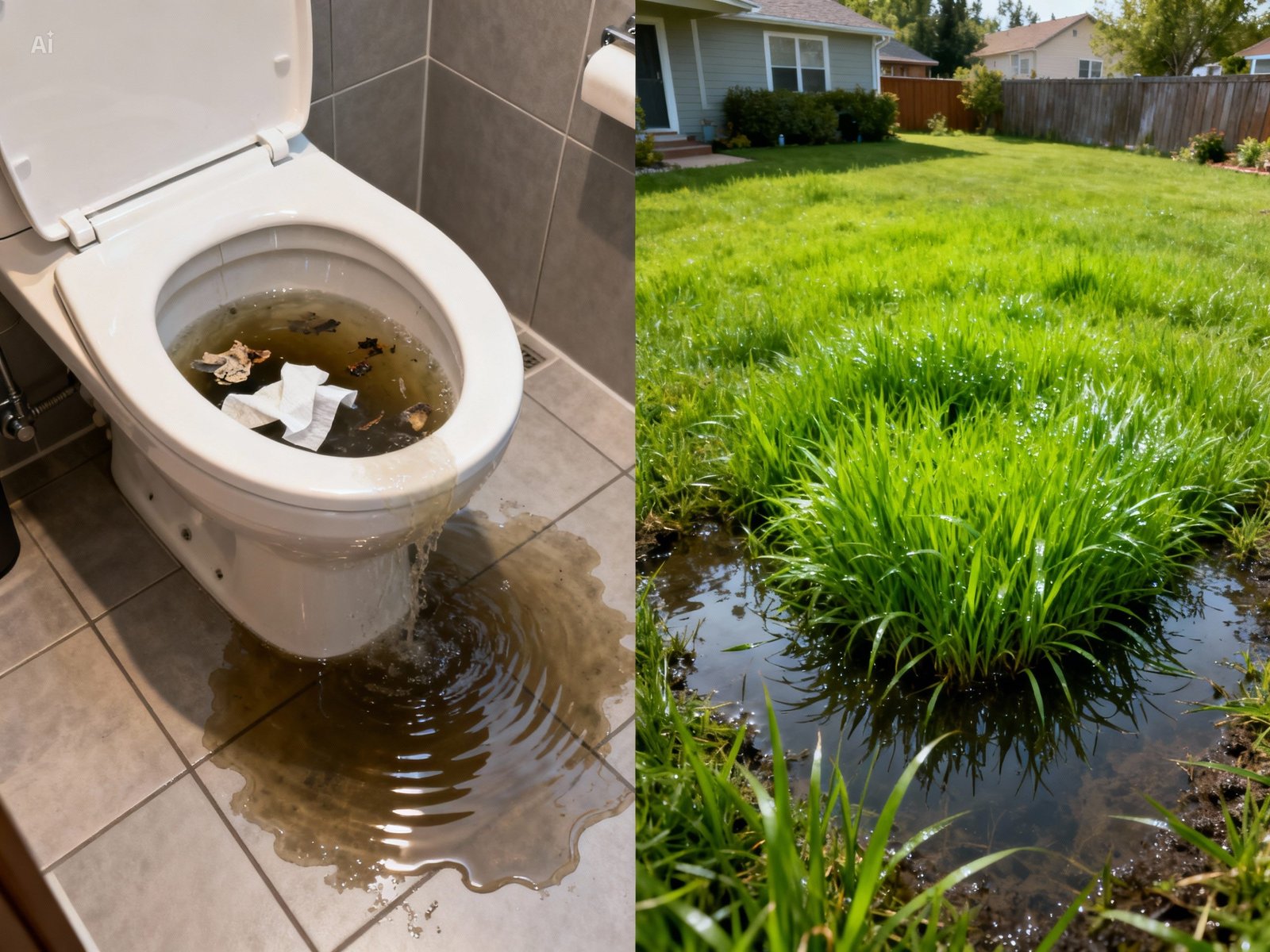
A toilet gurgling on a septic system signals trapped air escaping backwards, usually due to a full septic tank, clogged plumbing vent, main line blockage, or a failing drain field. It’s a warning of potential backup. Immediate diagnosis is critical to prevent sewage overflow.
First 3 Steps:
- Stop all water use immediately to prevent overflow.
- Test other drains—if multiple fixtures gurgle, the problem is likely a full tank or main clog.
- Plunge the toilet with a flange plunger to clear a local blockage.
Table of Contents
Decoding the Gurgle—Your Septic System’s Warning
A gurgling toilet on a septic system isn’t just a noise; it’s a critical symptom of system distress. According to the National Onsite Wastewater Recycling Association (NOWRA), gurgling is among the top three early warnings of septic failure, preceding backups in 70% of cases. This sound occurs when air, trapped by a blockage or system overload, forces its way back up through the path of least resistance—your toilet’s water seal. Ignoring it can lead to raw sewage backing into your home, a health hazard requiring expensive remediation. This 2026 guide, informed by septic system engineers and master plumbers, provides a systematic, safety-first protocol to diagnose and resolve the issue before it escalates.
Why Is My Toilet Gurgling When I Flush or When It Rains?
Your toilet gurgles when you flush because a blockage (full tank, clogged pipe) prevents waste and water from flowing out, forcing displaced air back up the pipe. It gurgles when it rains because a saturated drain field cannot absorb liquid, causing the septic tank to back up into the plumbing system. These are the two most common and urgent scenarios, both indicating that your system’s normal air and water flow are obstructed.
Bottom line: Gurgling during a flush points to an immediate obstruction. Gurgling after rain points to drainage failure. Both require prompt action.
Is a Gurgling Toilet an Emergency?
A gurgling toilet is a high-priority warning. If multiple fixtures are affected or drainage is slow, it is a potential emergency that could lead to indoor sewage backup within hours. Cease all water use immediately and begin diagnostics; if in doubt, call a professional.
How to Fix a Gurgling Toilet on Septic: A 5-Step Diagnostic Protocol
Use this sequential guide to safely identify and address the cause without causing further damage.
Step-by-Step Process:
- Isolate & Observe: Stop using all water. Note if the gurgle happens during flushes, randomly, or when other appliances (washer, shower) run.
- Test System Scope: Flush the gurgling toilet once. Check if sinks, showers, or other toilets now drain slowly or gurgle. This identifies a localized vs. system-wide issue.
- Check Simple Culprits: Visually inspect the roof plumbing vent for nests or debris. Pour water into rarely used floor drains to refill P-traps.
- Attempt Local Clearance: Use a flange plunger, then a toilet auger, on the affected toilet to clear a potential clog in its immediate line.
- Evaluate & Escalate: If steps 1-4 fail, or if multiple fixtures are involved, the issue is likely a full septic tank or main line clog. This requires a professional with a sewer snake or pump truck.
Septic Toilet Gurgling Diagnosis & Fix Table
| Symptom Pattern | Most Likely Cause | Immediate DIY Action | Professional Solution Needed? |
|---|---|---|---|
| One toilet gurgles, others drain fine. | Local clog in toilet trap or branch line. | Plunge, then use a toilet auger. | If snaking fails. |
| All toilets & sinks gurgle/drain slowly. | Full septic tank or main sewer line clog. | Stop all water use. Check main cleanout. | YES. Tank pumping or main line jetting required. |
| Gurgling after heavy rain or laundry. | Saturated drain field or hydraulic overload. | Drastically reduce water use for 24-48 hrs. | If persists, YES. Field inspection needed. |
| Gurgling with sewage smell indoors. | Dry P-trap or blocked plumbing vent. | Refill all P-traps. Check/clear roof vent. | If vent is inaccessible or clogged deep. |
| Gurgling accompanied by soggy yard. | Failing drain field. | CEASE WATER USE. Call pro immediately. | YES, URGENT. Field repair or replacement. |
Expert Q&A: Solving Common Gurgling Toilet Scenarios
Q: Can a full septic tank cause a toilet to gurgle?
A: Yes, this is the most frequent cause of whole-house gurgling. A tank at capacity has no room for incoming effluent, causing air and waste to be pushed back up the inlet pipe. The definitive fix is emergency pumping, which typically costs $300-$600 and resolves the issue immediately if caught early.
Q: Why does my toilet gurgle when the washing machine drains?
A: This is a textbook sign of hydraulic overload, where a large, sudden water surge overwhelms the septic tank’s capacity or the drain field’s absorption rate. The solution is to spread out laundry loads and ensure your tank is pumped on schedule.
Q: Will chemical drain cleaners fix a gurgling septic toilet?
A: No. Industry experts and the EPA strongly advise against chemicals for septic clogs. They corrode pipes, kill essential tank bacteria, and rarely reach the main blockage. Use mechanical methods (plunger, auger) or call a professional.
Q: Can a clogged vent pipe cause gurgling?
A: Absolutely. According to master plumbers, a blocked roof vent is a leading cause of gurgling. The vent equalizes air pressure; a blockage creates a vacuum that pulls air through the toilet’s P-trap, causing the gurgle. Clearing the vent often provides an instant fix.
Q: How much does it cost to fix a gurgling toilet on septic?
A: Costs range from $0 (DIY plunge) to $25,000+ (new drain field). Based on 2026 service data: Snaking a line costs $150-$400, pumping a tank $300-$600, repairing a drain field line $2,000-$5,000. Accurate diagnosis prevents unnecessary expense.
The 4 Main Reasons Your Septic Toilet Is Gurgling
The 4 primary causes are:
- Full Septic Tank: The most common system-wide cause, requiring pumping.
- Blocked Plumbing Vent: A clogged roof vent stack prevents air inflow, creating a vacuum and gurgle.
- Main Sewer Line Clog: A blockage between your house and tank stops all flow.
- Failing Drain Field: A saturated or clogged field cannot absorb liquid, causing backups into the tank and pipes.
Critical Red Flags: When to Call a Professional Immediately
Data from septic service companies shows that calling a pro after these signs reduces the average repair cost by 65% compared to waiting for total failure:
- Sewage backup into tubs, showers, or basement drains.
- Multiple fixtures gurgling or draining slowly simultaneously.
- Water pooling or soggy ground over the drain field area.
- Strong sewage odors indoors combined with gurgling.
- DIY efforts (plunging, vent clearing) provide no improvement within 24 hours.
Synthesizing the Path to a Silent Flush
While a gurgle might seem minor, the unified advice from plumbing and septic professionals is to treat it as a tier-one alert. The diagnostic protocol—starting with water conservation and localized troubleshooting before escalating to tank and field considerations—safely isolates the issue in most cases. For the majority of homeowners, the ultimate fix is preventative: adhere to a strict 3-5 year pumping schedule, avoid flushing non-biodegradables, and protect your drain field from excess water. By responding methodically to the gurgle, you transform a warning sign into an opportunity for maintenance, averting the severe health and financial consequences of system failure. Your next step is to locate your septic tank access points and last pumping record to inform your action plan.
Don’t ignore the gurgle. Use the diagnostic table and steps above to identify your issue today. If symptoms point to a full tank or drain field problem, contact a licensed septic professional immediately for an inspection and pumping.

Leave a Reply