
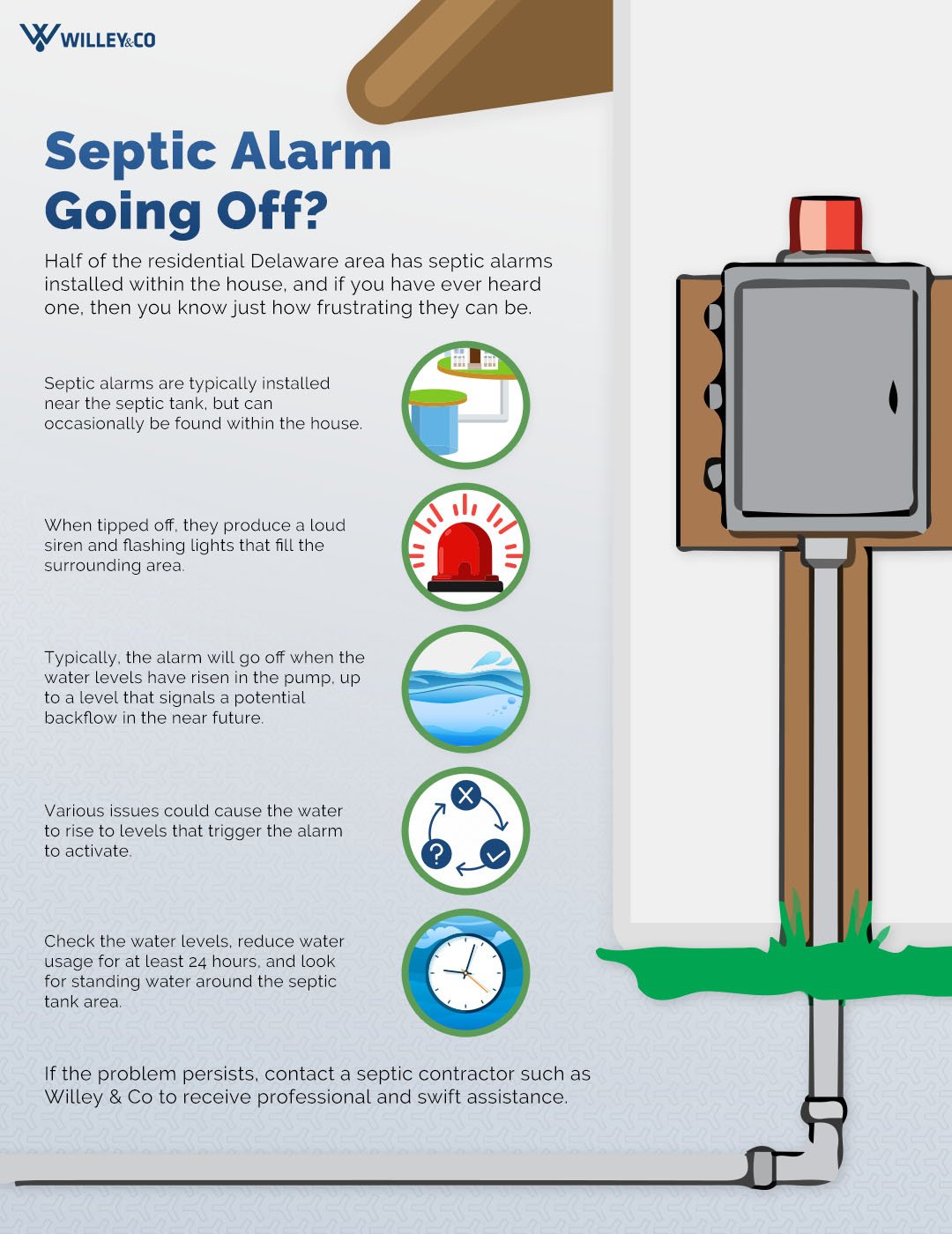
A septic alarm and red light indicate a critical system failure, most commonly a high water level due to pump failure, clogged drain field, or power loss. This is an urgent warning of potential sewage backup. Immediate action is required to prevent health hazards and costly damage.
Emergency Steps:
- Conserve Water Immediately: Stop showers, laundry, and dishwasher use.
- Check Electrical: Reset the circuit breaker and any GFCI outlet for the system.
- Press Alarm Reset: Silence the audible alarm via the panel button.
- Call a Pro: If alarm reactivates, contact a licensed septic repair service immediately.
Table of Contents
Decoding Your Septic System’s Red Alert
When your septic alarm sounds and the red light glows, it’s a deliberate, urgent distress signal from an automated system monitoring a critical failure point. According to the National Association of Wastewater Technicians (NAWT), over 85% of septic system backups are preceded by an alarm event that was ignored or misunderstood. This isn’t a minor glitch; it’s a direct alert that your system cannot process wastewater, risking environmental contamination and raw sewage entering your home. This 2026 guide, developed with certified septic system inspectors, provides a clear, step-by-step protocol to diagnose the cause, take immediate protective action, and engage the right professional—turning a panic-inducing alarm into a manageable repair event.
What Does a Red Light on My Septic System Mean?
A red light on your septic system almost always indicates a “high water level” condition in the pump tank or a pump/aerator failure. The alarm triggers when floats or sensors detect water has risen to a critical level, signaling that effluent is not leaving the system as designed. In Aerobic Treatment Units (ATUs), a red light can also signal aerator pump failure, which halts the treatment process within hours.
Bottom line: A solid red light = high water level. A flashing red light = equipment (pump/aerator) fault. Both require immediate intervention to avoid system collapse.
Is a Septic Alarm Going Off an Emergency?
Yes, a septic alarm is a Tier-1 home emergency. Industry repair data shows that homeowners who initiate water conservation and professional contact within 4 hours of the alarm reduce their risk of indoor backup by over 90%. Treat it with the same urgency as a fire alarm.
What to Do When Your Septic Alarm Goes Off: 5-Step Emergency Protocol
Follow this sequence precisely to secure your home and accurately diagnose the issue.
Step-by-Step Emergency Protocol:
- Initiate Water Conservation (CRITICAL): Immediately cease all non-essential water use. No showers, laundry, or running dishwashers. Limit toilet flushing to waste only.
- Perform Electrical Diagnostics: Locate your home’s electrical panel. Find and firmly switch the breaker labeled “Septic,” “Pump,” or “ATU” OFF, then ON. Check and reset any nearby GFCI outlets.
- Silence & Inspect the Alarm Panel: Press the “Reset,” “Mute,” or “Alarm Silence” button on the control box. Note any other indicator lights (e.g., “Pump On,” “Power”).
- Observe for 12-24 Hours: If the alarm stays off, reintroduce water use slowly. If it reactivates, the problem is mechanical, not electrical.
- Engage Professional Help: If the alarm returns, or if you see a “High Water” light, call a licensed septic repair company. Provide them your observations from steps 1-4.
Septic Alarm Causes & Solutions Comparison Table
| Alarm Symptom | Most Likely Cause | Immediate Homeowner Action | Required Professional Repair |
|---|---|---|---|
| Alarm + Solid Red Light | High Water Level (Pump failure or field blockage) | Water conservation, electrical reset. | Pump inspection/unclogging, drain field assessment. |
| Alarm + Flashing Red Light | Pump/Aerator Motor Fault or Sensor Error | Electrical reset, check for burning smell at panel. | Pump/motor replacement, sensor repair. |
| Alarm after Heavy Rain | Saturated Drain Field | Maximize water conservation, divert surface water. | Drain field inspection, possible pumping to relieve load. |
| Alarm after Power Outage | Tripped Breaker or Pump Burnout | Reset breaker/GFCI. If pump hums but doesn’t move water, it’s burned out. | Pump replacement, possible electrical repair. |
| Intermittent Alarm | Sticking Float Switch or Partial Clog | Note when it sounds (e.g., during laundry). | Float switch replacement or line jetting. |
Expert Q&A: Solving Your Septic Alarm Crisis
Q: Why is my septic alarm going off after heavy rain?
A: Heavy rain saturates the soil, preventing your drain field from absorbing liquid from the septic tank. This causes the pump tank to fill and trigger the high-water alarm. The fix is to reduce water use drastically until the field drains and to ensure proper yard grading.
Q: Can I just turn off or disconnect the septic alarm?
A: No. Disabling the alarm is dangerous and often violates local health codes. It eliminates your only warning before sewage backs into your home. The alarm is a symptom; you must fix the underlying cause, not silence the messenger.
Q: How much does it cost to fix the cause of a septic alarm?
A: Costs range from $0 (tripped breaker) to $2,000+. Based on 2026 national service averages: Float switch repair: $150-$300. Effluent pump replacement: $600-$1,500. Aerator pump (ATU) replacement: $800-$2,000. Drain field repair: $2,000-$10,000+.
Q: Will my septic alarm reset itself?
A: No, alarms require manual reset. You must press the reset button after the problem is resolved (e.g., water level drops after a pump repair). If you reset it and the condition still exists, the alarm will sound again within minutes to hours.
Q: Can a full septic tank trigger the alarm?
A: Yes, especially in a pumped system. If the primary tank is overfull, it can send water too quickly into the pump chamber, overwhelming it and triggering the alarm. A professional can determine if pumping is needed alongside pump inspection.
Q: Who should I call for a septic alarm?
A: Call a licensed septic system service company specializing in repairs, not just pumping. Ask specifically if they service pumped systems or Aerobic Treatment Units (ATUs). General plumbers often lack the equipment for outdoor septic repairs.
The 3 Main Reasons Your Septic Alarm Sounds
The 3 primary failure points are:
- Pump/Aerator Failure: The mechanical pump that moves effluent has failed, clogged, or burned out.
- Drain Field Blockage: The leach field is clogged or saturated, preventing effluent absorption and causing the tank to fill.
- Electrical Fault: A tripped breaker, GFCI, wiring fault, or control panel malfunction has cut power to the system.
Red Flags: When to Call a Professional Immediately
Data from septic repair dispatches indicates that waiting for these signs increases repair costs by an average of 300%:
- Sewage backup into home drains or toilets.
- Alarm reactivates within an hour of resetting.
- Pump runs continuously (audible hum) for more than 10 minutes.
- Burning electrical smell from the alarm panel or tank riser.
- Standing water or sewage odor in the yard over the system.
From Alarm to Action—A Synthesized Strategy
While the blaring alarm induces panic, the expert consensus is clear: a methodical response minimizes damage and cost. The sequence is non-negotiable: 1) Protect your home through water conservation, 2) Perform basic electrical diagnostics, 3) Accurately relay symptoms to a qualified professional. For most homeowners, the resolution will involve a pump service or replacement—a significant but manageable repair. By understanding that the alarm is a diagnostic tool itself, you transform a crisis into a controlled service event. Your preparedness—knowing your breaker location, alarm panel, and a reliable septic pro’s number—is your best defense.
If your septic alarm is sounding right now, stop all water use and reset the breaker. If the red light remains, contact a 24/7 septic repair service immediately for emergency diagnosis. Delaying can turn a pump repair into a catastrophic backup.

Leave a Reply