What’s the Difference Between a Septic System, Cesspool, and Holding Tank?
Quick Answer: A septic system treats wastewater using a tank and drainfield. A cesspool is an outdated, often illegal pit that provides minimal treatment and pollutes groundwater. A holding tank is just storage—it holds all waste until pumped, with no treatment or drainfield.
Key Differences:
- Treatment: Septic = Yes. Cesspool = Minimal/None. Holding Tank = None.
- Legal Status: Septic = Standard. Cesspool = Often illegal (new). Holding Tank = Niche/Last resort.
- Maintenance: Septic = Pump every 3-5 years. Cesspool = Frequent failures. Holding Tank = Pump weekly-monthly.
- Cost Over Time: Septic = High upfront, low ongoing. Cesspool = Low upfront, high failure cost. Holding Tank = Low upfront, very high perpetual pumping cost.
Table of Contents
The Three Types of Onsite Wastewater Systems
According to public health and environmental agencies, understanding whether you have a septic system, a cesspool, or a holding tank is fundamental for legal compliance, environmental safety, and financial planning. These three systems represent an evolution from primitive containment to modern treatment. In 2026, confusing a failing cesspool for a “septic tank” can lead to severe contamination and unexpected replacement costs. This guide provides the clear, actionable comparison needed to identify your system and make informed decisions.
Side-by-Side Comparison: How They Work & Key Facts
| Feature | Septic System | Cesspool (Dry Well) | Holding Tank |
|---|---|---|---|
| How It Works | TREATS waste. Tank separates solids; liquid effluent is dispersed & filtered in a drainfield. | LEAKS waste. A porous pit where liquid seeps into ground; solids accumulate. | STORES waste. A sealed tank with no outlet. All waste stays until pumped out. |
| Primary Purpose | Wastewater treatment & safe dispersal. | Historical, primitive disposal (now obsolete). | Temporary containment where treatment/dispersal is impossible. |
| Treatment Level | High. Biological treatment in tank & soil. | Very Low/None. Minimal filtering; contaminates groundwater. | None. Raw sewage storage only. |
| Legal Status (New Installs) | Standard & legal everywhere for suitable sites. | Illegal to install new in most areas. A known pollution source. | Permitted only as last resort (e.g., impossible soil, tiny lot). |
| Maintenance | Pump tank every 3-5 years. Inspect drainfield. | Cannot be maintained. Fails inevitably; requires full replacement. | Pump very frequently (weekly to monthly). High ongoing cost. |
| Failure Signs | Slow drains, soggy yard over drainfield, sewage odors. | Frequent backups, soggy yard over pit, strong sewage odors, need for constant pumping. | Alarms & imminent overflow if not pumped on schedule. |
| Environmental Risk | Low when maintained. | Very High. Direct groundwater contamination. | Low risk of leakage, but overflow causes contamination. |
| Avg. Upfront Cost | $3,500 – $30,000+ | N/A (Not installed new) | $2,000 – $5,000 |
| Long-Term Cost | Moderate (installation + infrequent pumping). | Very High (cost of full system replacement when it fails). | Extremely High (constant, lifelong pumping fees). |
Bottom Line: If you have a cesspool, plan for its costly replacement. If you have a holding tank, expect high perpetual fees. A modern septic system is the standard, responsible solution.
What is a Septic System? (The Treatment System)
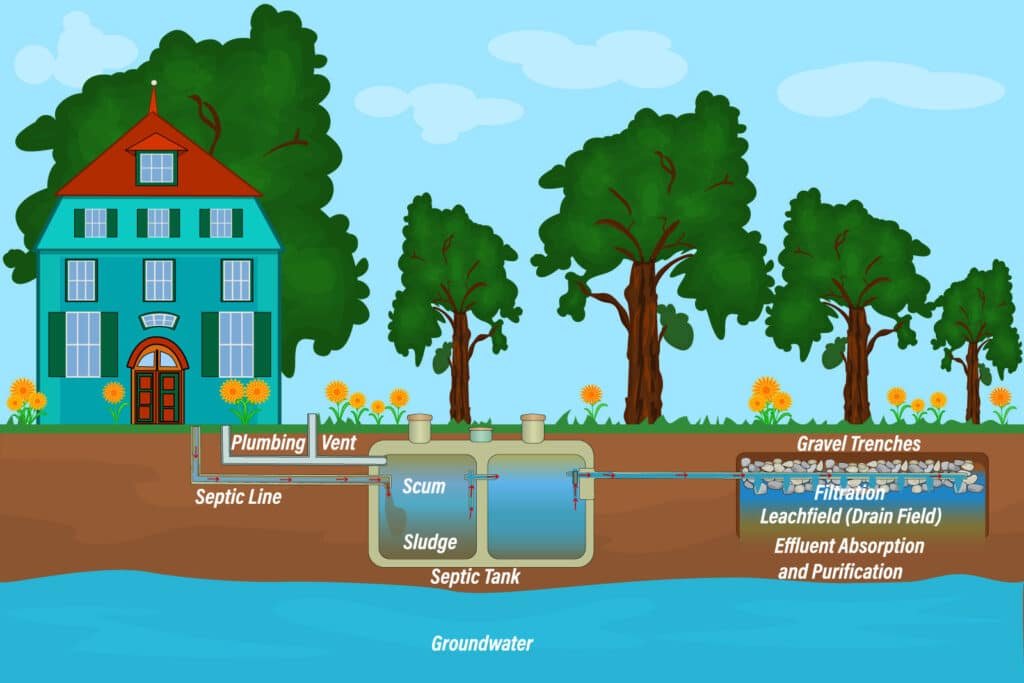
A septic system is a multi-stage, engineered wastewater treatment plant on your property.
How It Works (Step-by-Step):
- Waste enters the septic tank. Solids settle (sludge), fats float (scum).
- Liquid effluent flows out to a distribution box.
- Effluent is distributed into a drainfield (trench or chamber system).
- Soil provides final treatment as effluent percolates, removing harmful bacteria and nutrients.
Key Takeaway: It’s a treatment and dispersal system. Properly maintained, it’s effective for 25+ years.
What is a Cesspool? (The Outdated Liability)
A cesspool (or “dry well”) is a primitive, porous-walled pit that receives raw sewage.
How It Works (And Why It Fails):
- All wastewater (solids & liquids) is dumped into a single pit, often lined with stones or concrete blocks.
- Liquid seeps out into the surrounding soil, providing minimal filtration.
- Solids accumulate, eventually clogging the pit and causing it to fail, leading to surfacing sewage and groundwater pollution.
Key Takeaway: It’s a disposal pit, not a treatment system. It is a major environmental and public health concern. If you have one, plan for its replacement.
What is a Holding Tank? (The Storage-Only System)
A holding tank is a sealed, watertight container with no outlet pipe.
How It Works:
- All wastewater from the home flows into the tank.
- Nothing leaves the tank except via a pump truck.
- The homeowner must schedule frequent pump-outs to prevent overflow.
Key Takeaway: It’s a storage vessel, not a treatment system. It is a high-maintenance, costly solution used only where soil treatment is impossible.
Frequently Asked Questions (FAQs)
Q: Is a cesspool the same as a septic tank?
A: No, this is a critical distinction. A septic tank is the first component of a multi-part treatment system. A cesspool is a single, outdated pit that constitutes the entire system and provides almost no treatment.
Q: How can I tell if I have a cesspool or a septic system?
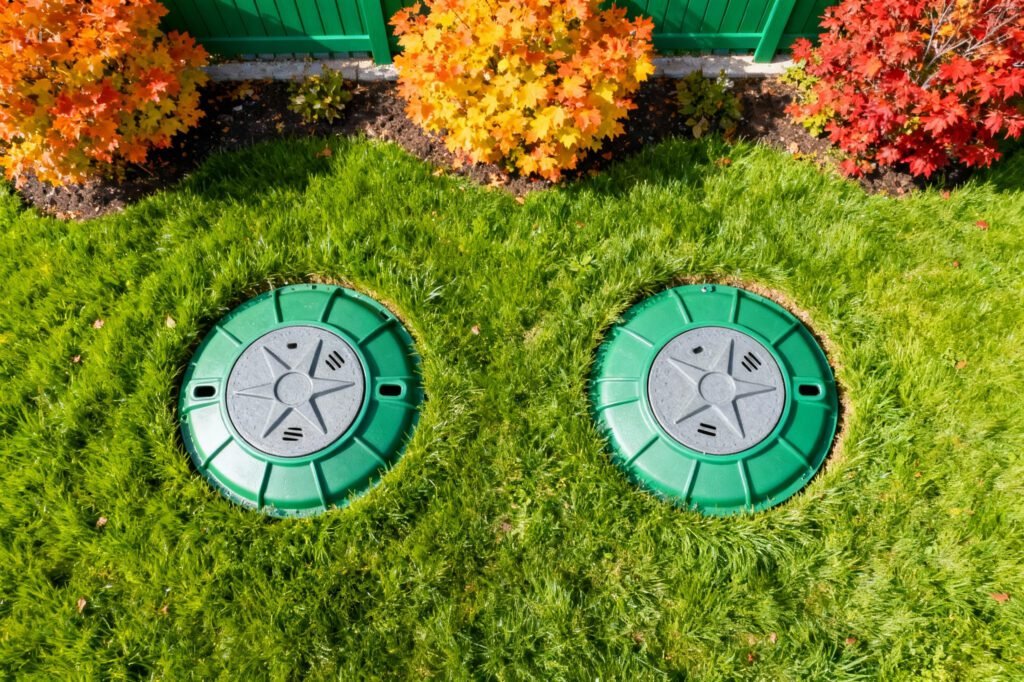
A: Key indicators of a cesspool: Your system needs pumping multiple times a year; you have a single round concrete lid often in the middle of your yard; your home was built before the 1970s. For confirmation, hire a licensed inspector.
Q: Can I repair or upgrade a cesspool?
A: Almost never. Most health codes prohibit repairing cesspools because they cannot meet modern treatment standards. “Fixing” a cesspool means abandoning it and installing a new, permitted septic system.
Q: Which is more expensive long-term, a holding tank or a septic system?
A: A holding tank is far more expensive over 10+ years due to weekly to monthly pumping costs, which can exceed $5,000+ annually. A septic system has a higher upfront cost but minimal ongoing expenses (pumping every few years).
Q: Why are cesspools illegal?
A: Cesspools are illegal to install new because they are documented sources of groundwater contamination, releasing pathogens and nitrates directly into the environment, polluting wells and waterways.
Q: What happens if my holding tank is not pumped on time?
A: It will overflow, causing raw sewage to back up into your home or spill onto your property, creating a severe health hazard and environmental violation. Alarms are critical for holding tanks.
Q: Can I replace a cesspool with a holding tank?
A: Technically possible, but a holding tank is not an upgrade—it’s a different type of liability (financial/logistical). The goal should be to install a modern septic system if your site allows it. Health departments typically prefer treatment over mere storage.
What to Do If You Have a Cesspool or Holding Tank
Expert Consensus: If you have a cesspool, it’s not if but when it will fail. Proactive replacement is cheaper and safer than an emergency.
Your Action Plan:
- Get a Professional Inspection: Hire a licensed septic professional to definitively identify your system and assess its condition.
- Contact Your Local Health Department: Understand the legal requirements for system replacement in your area. Ask about grant or loan programs for replacing failing cesspools.
- Get a Site Evaluation: A soil test will determine if your property can support a conventional or advanced septic system.
- Plan & Budget: Replacement costs for a cesspool typically range from $15,000 to $30,000+. Start saving and get multiple quotes from reputable installers.
- If Stuck with a Holding Tank: Set a strict pumping schedule with a reliable service. Install and monitor an alarm system meticulously. Budget for high annual pumping costs ($2,000-$10,000+).
Bottom Line: A modern septic system is almost always the best long-term investment for your property, your wallet, and the environment. Identify what you have today to avoid a costly and hazardous surprise tomorrow.

Leave a Reply