What is the Most Important Septic Maintenance?
Quick Answer: The single most critical septic maintenance task is to pump your tank every 3-5 years (based on size and usage) to prevent solids from clogging and destroying your drainfield—a repair that can cost over $15,000. Pair this with water conservation and flushing only the 3 P’s (pee, poop, paper) for a complete foundation.
Top 3 Priority Tasks:
- Schedule Regular Pumping: Prevents catastrophic drainfield failure.
- Conserve Water: Reduces strain on the system.
- Inspect & Protect: Find your system and walk the drainfield annually.
Table of Contents
The Non-Negotiable Guide to Protecting Your System
According to the EPA and leading septic service professionals, consistent, preventative maintenance is the only way to avoid a $10,000-$25,000+ system replacement. A neglected septic system is a ticking time bomb for both your finances and local groundwater. This 2026 checklist distills expert consensus into 8 actionable, prioritized tasks that will maximize your system’s lifespan, prevent emergencies, and ensure your wastewater is treated safely.
The 8 Essential Septic System Maintenance Tasks
Follow these tasks in order of priority to build a robust maintenance routine.
1. Pump Your Tank Every 3-5 Years (The #1 Rule)
This is non-negotiable. Sludge and scum must be removed before they flow into and clog the drainfield.
- How-To: Hire a licensed pumper. Know your tank size (typically 1,000-1,500 gallons). Frequency: Every 3 years for a family of 4; adjust based on size/usage.
- Why It’s Critical: Prevents the most expensive repair—drainfield replacement.
2. Practice Radical Water Conservation
Overloading the system with water is a top cause of failure. It doesn’t allow solids to settle or the drainfield to dry out.
- How-To: Fix leaking faucets/toilets immediately. Spread laundry loads across the week. Install high-efficiency fixtures. Avoid long showers back-to-back.
- Why It’s Critical: Reduces hydraulic load, extending system life and time between pumpings.
3. Flush ONLY the “3 P’s” (Pee, Poop, Paper)
Your septic tank is a living ecosystem of bacteria. Flushing anything else harms it and causes clogs.
- How-To: Never flush: wipes (even “flushable”), feminine products, dental floss, grease, chemicals, medications, cigarette butts, or cat litter.
- Why It’s Critical: Protects the bacterial balance and prevents physical blockages in pipes and the drainfield.
4. Conduct Annual Visual Inspections
Catch small problems before they become soggy, expensive disasters.
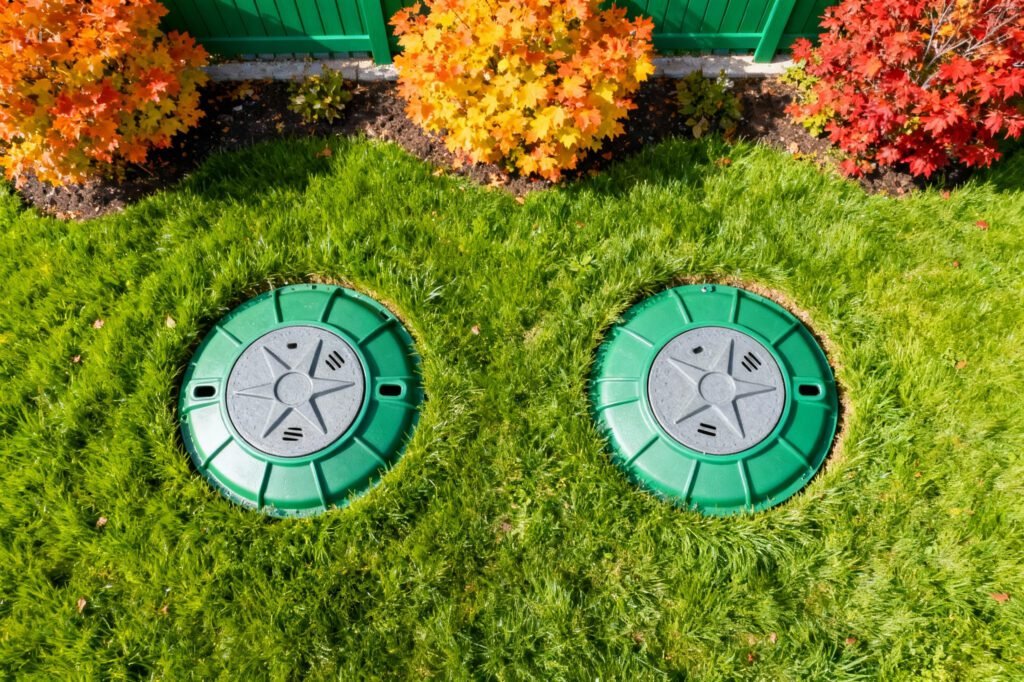
- How-To: Walk your drainfield area. Look for: soggy soil, standing water, foul odors, or unusually lush grass. Check tank access lids/risers for damage.
- Why It’s Critical: Early detection of failure signs (like surfacing effluent) allows for timely, cheaper repairs.
5. Map and Protect Your System’s Location
You can’t protect what you can’t find. Physical damage is a common, preventable failure cause.
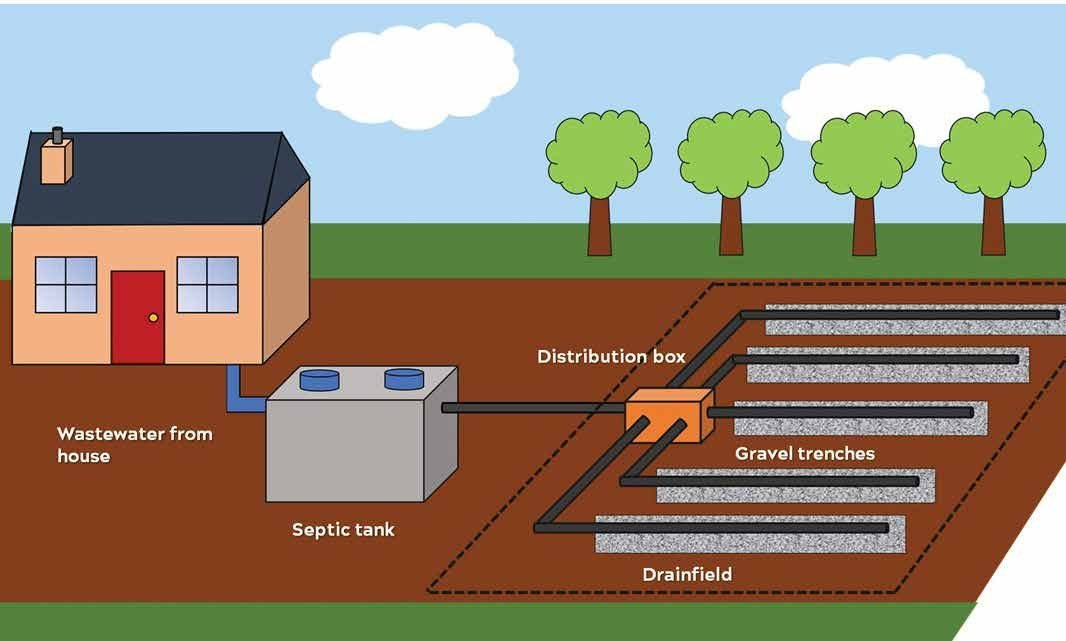
- How-To: Locate your tank and drainfield (check home inspection records or call your health department). Mark the boundaries. Never drive or park over it. Plant only grass or shallow-rooted plants above it.
- Why It’s Critical: Prevents crushing tanks/pipes and root intrusion, which are costly to fix.
6. Use Septic-Safe Products
Harsh chemicals kill the essential bacteria that treat your waste.
- How-To: Use septic-safe toilet paper (it breaks down quickly). Avoid chemical drain cleaners—use a plunger or drain snake. Choose liquid laundry detergent over powders (which contain clay fillers).
- Why It’s Critical: Maintains the microbial ecosystem necessary for waste digestion.
7. Keep Impeccable Maintenance Records
This is your system’s resume and is crucial for home sales and diagnosing issues.
- How-To: Create a file (digital or physical). Save every pumping receipt, inspection report, repair invoice, and system diagram.
- Why It’s Critical: Provides proof of responsible ownership, aids in troubleshooting, and is often required during real estate transactions.
8. Know Your Alarm and Respond Immediately
If your system has a pump or is advanced (ATU), the alarm is your early warning system.
- How-To: Locate the alarm (often in basement/garage). If it sounds: Conserve water immediately, check for a tripped circuit breaker, then call your service provider.
- Why It’s Critical: A rapid response can prevent sewage from backing up into your home.
Septic System Maintenance Schedule at a Glance
| Task | Frequency | Who Should Do It |
|---|---|---|
| Pump the Tank | Every 3-5 years (based on use). | Licensed Professional |
| Visual Drainfield Inspection | Annually (and after heavy rains). | Homeowner |
| Check/Test Alarm | Monthly (press test button if equipped). | Homeowner |
| Conserve Water & Mindful Flushing | Daily. | All Household Members |
| Update Maintenance Records | After every service or inspection. | Homeowner |
| Professional System Inspection | Every 1-3 years (or as recommended). | Licensed Professional |
Frequently Asked Questions (FAQs)
Q: How often should I really pump my septic tank?
A: The standard is every 3-5 years for a typical family of four with a 1,000-gallon tank. However, the only sure way is to have the sludge and scum layers measured by a professional during an inspection—they can give you a precise schedule.
Q: Are septic tank additives necessary or helpful?
A: Most chemical or “magic bullet” additives are unnecessary and can be harmful. A healthy system naturally contains the needed bacteria. If used, choose only enzyme-based, NSF/ANSI Standard 41 certified products to boost bacteria after antibiotic use or a chemical spill. They are not a substitute for pumping.
Q: What are the signs that my septic system is failing?
A: Key warning signs include: Sewage backing up into drains/toilets, soggy ground or standing water over the drainfield, foul odors near the tank or drainfield, slow-draining fixtures, and unusually green, lush grass over the drainfield.
Q: Can I use a garbage disposal if I have a septic system?
A: It is strongly discouraged. Garbage disposals significantly increase the amount of solids and grease entering the tank, leading to more frequent pumping needs and a higher risk of clogging and failure. If you must use one, do so sparingly and plan to pump more often.
Q: How much does it cost to pump a septic tank?
A: In 2026, the national average ranges from $300 to $600, depending on tank size, location, and accessibility. This is a minor investment compared to the cost of replacing a failed drainfield ($10,000-$25,000+).
Q: Should I avoid planting trees near my septic system?
A: Yes. Tree and shrub roots seek water and nutrients and can infiltrate and clog drainfield pipes and even crack the septic tank. Keep all trees and large shrubs at least 30 feet away from any system component.
Q: What should I do if my septic alarm goes off?
A: 1) Conserve water immediately (no showers, laundry, dishwasher). 2) Check your home’s circuit breaker for the septic system pump. 3) If the alarm persists, call your licensed septic service provider for emergency service. Do not ignore it.
Your Action Plan for a Healthy System
Bottom Line: Septic system failure is overwhelmingly caused by neglect. This checklist provides a clear defense.
Your Next Steps This Month:
- Locate & Map: Find your tank and drainfield. Mark them.
- Check Schedule: When was your tank last pumped? If >3 years ago, schedule a pumping.
- Household Meeting: Review the “3 P’s” flush rule and water conservation tips with everyone in your home.
- Start a Log: Create a simple maintenance record folder.
Commit to this routine. The few hundred dollars and few hours per year you invest in these tasks will save you tens of thousands in emergency repairs and protect your property value and the environment.

Leave a Reply