A professional septic system inspection is a 2-4 hour diagnostic assessment where a certified technician measures sludge/scum levels, checks tank and component integrity, and tests the drain field’s function. It typically costs $300-$600 and is recommended every 1-3 years, or is legally required for real estate transactions in most areas to certify the system is operational.
Key Takeaways:
- Purpose: Proactive diagnosis vs. reactive repair; determines if/when pumping or fixes are needed.
- Cost: $300-$600 for a comprehensive (Level 2) inspection.
- Frequency: Every 1-3 years for maintenance; mandatory for home sales.
- Outcome: A detailed report with pass/fail certification and repair recommendations.
Table of Contents
The Proactive Health Check for Your Home
A septic system inspection isn’t just for home sales—it’s the most powerful tool you have to prevent a $15,000+ system failure. Unlike pumping (which is maintenance), an inspection is a diagnostic assessment that reveals your system’s true health, providing a data-driven plan for its care. This guide, referencing standards from the National Association of Wastewater Technicians (NAWT), will walk you through the entire process, costs, and what to expect, transforming a complex procedure into a clear, actionable homeowner task.
Bottom Line: An inspection replaces fear of the unknown with a clear understanding. It’s the difference between budgeting for a planned service and facing an emergency repair that could drain your savings.
What is a Septic System Inspection? (The 3-Level Breakdown)
A septic system inspection is a standardized evaluation of your entire onsite wastewater system’s condition and functionality. Think of it as a physical exam from a specialist, resulting in a detailed “health report” for your tank and drain field.
Featured Snippet Target (Table): The 3 Levels of Septic Inspection
| Inspection Level | Focus & Components | Best For | Average Cost |
|---|---|---|---|
| Level 1: Basic/Visual | Sludge/scum measurement, baffle check, visual field scan. | Routine check-ups, often combined with pumping. | $100 – $200 |
| Level 2: Comprehensive/Certification | Full Level 1 + Hydraulic load test, detailed component check, written report with pass/fail certification. | Real estate transactions, refinancing, major maintenance planning. | $300 – $600 |
| Level 3: Diagnostic/Advanced | Full Level 2 + Video pipe scoping, soil percolation tests, dye testing. | Diagnosing known problems, pre-repair investigation, complex systems. | $600 – $1,200+ |
The Step-by-Step Inspection Process (What the Pro Does)
A certified inspector follows a meticulous process. Here’s what happens during a standard Level 2 Comprehensive Inspection:
Featured Snippet Target (List): The 5 Key Steps of an Inspection
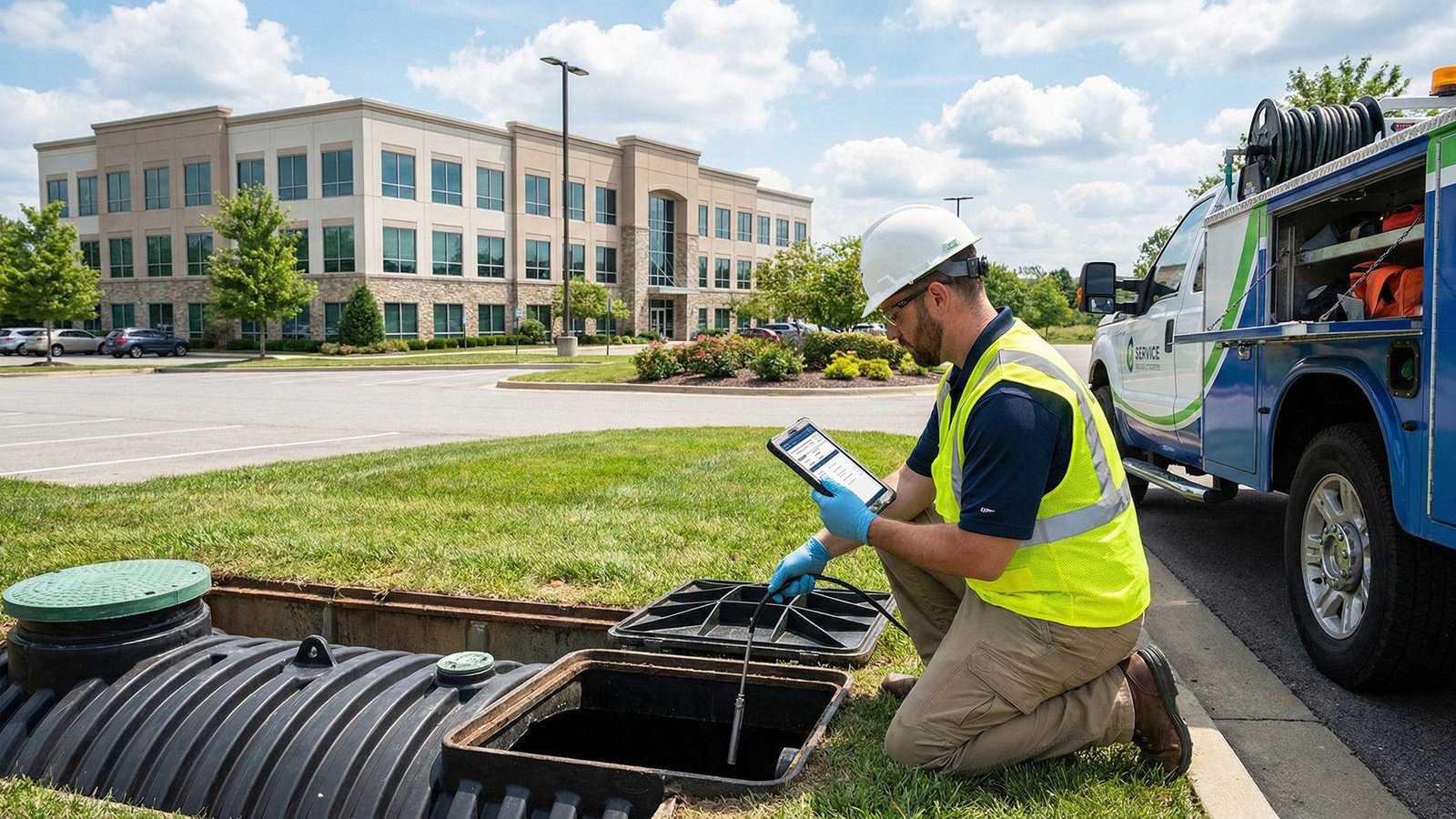
- Research & Site Prep: The inspector reviews your property records, locates the tank and drain field (using probes or electronic locators), and uncovers the access lids.
- Tank Assessment: The core of the inspection. The inspector will:
- Measure sludge depth (with a sludge judge) and scum thickness.
- Inspect inlet/outlet baffles or tees for damage or blockages.
- Check tank structure for cracks, leaks, or corrosion.
- Drain Field Evaluation: The inspector walks the field looking for effluent surfacing, soggy soil, or unusually lush grass. They may perform a hydraulic load test (running water into the system) to assess absorption rate.
- Component Check: Inspection of the distribution box (if present), pumps, alarms, vents, and cleanouts.
- Report Generation: You receive a written report with findings, measurements, photos, and a clear recommendation (Pass, Fail, Pass with Recommendations).
How Much Does a Septic Inspection Cost?
The national average for a comprehensive septic system inspection is $300 to $600. The final cost depends on:
Key Factors Influencing Cost:
- Location: Prices vary by region and local regulation complexity.
- System Size & Type: Larger tanks or advanced systems (aerobic units) cost more to inspect.
- Inspection Level: As outlined in the table above.
- Accessibility: Difficult access (overgrown, buried lids) adds labor time.
- Real Estate vs. Maintenance: Real estate inspections often carry a premium due to liability and reporting detail.
Cost Comparison: This is an investment that pays for itself. A $450 inspection can identify a small issue, like a $200 baffle repair, that prevents a $10,000 drain field failure.
When & Why You Need a Septic Inspection
Scheduling an inspection shouldn’t be a mystery. Follow these guidelines based on expert recommendations and legal requirements.
Featured Snippet Target (List): The 5 Most Common Reasons for an Inspection
- Routine Maintenance (Every 1-3 Years): The best practice for all homeowners. Catches issues early.
- During a Real Estate Transaction: Legally required in most counties for sale, and often for refinancing.
- Before Major Home Additions: Adding a bedroom or bathroom increases load; ensure your system can handle it.
- If You Notice Warning Signs: Slow drains, sewage odors, pooling water, or overly lush grass over the drain field.
- When Buying a Home (Pre-Purchase): A buyer’s inspection is critical due diligence to uncover potential future liabilities.
The Homeowner’s Pre-Inspection Checklist
Maximize the value of your inspection and avoid extra fees by preparing your property.
How to Prepare for Your Inspection:
- ✅ Locate Your System: Find the “as-built” diagram from your home files or your local health department.
- ✅ Clear Access: Remove obstacles, vehicles, and overgrowth from the tank lid area and drain field.
- ✅ Provide Information: Have the age of the system, date of last pump/service, and any known issues ready.
- ✅ Ensure Water Access: The inspector needs a hose connection for hydraulic testing.
- ✅ Be Present: Plan to be home to answer questions and review the findings on-site.
Understanding Your Inspection Report
The report is your action plan. Here’s what to look for:
Key Sections of a Professional Report:
- Executive Summary/Conclusion: A clear Pass, Fail, or Pass with Recommendations statement.
- Sludge & Scum Measurements: Expressed as a depth or percentage. Pumping is recommended when solids exceed 25-30% of tank liquid depth.
- Component Condition: Notes on baffles, tank integrity, distribution box, etc.
- Drain Field Performance: Results of visual check and any load test.
- Photographic Evidence: Pictures of sludge levels, components, and field conditions.
- Recommendations: A prioritized list of required maintenance or repairs, from “Pump within 6 months” to “Consult engineer for drain field evaluation.”
Frequently Asked Questions About Septic Inspections
Q: How often should a septic system be inspected?
A: For proactive maintenance, have a Level 1 or Level 2 inspection every 1-3 years. For systems over 20 years old or with a history of issues, annual inspections are wise.
Q: Is a septic inspection required when selling a house?
A: In the vast majority of U.S. counties, yes. Local health department regulations typically mandate a passing inspection report to transfer the property title. Always verify with your agent or local authorities.
Q: Can I do a septic inspection myself?
A: You can perform a basic visual check, but a professional inspection is required for certification. Licensed inspectors have the tools (sludge judge, water source for testing), knowledge of codes, and legal authority to provide a recognized report, especially for real estate.
Q: What happens if my septic system fails the inspection?
A: You will receive a detailed report on why it failed. For real estate, the sale is typically contingent on repairs. You must hire a qualified professional to complete the recommended septic system repairs and often obtain a re-inspection to certify the fix.
Q: How long does a septic inspection take?
A: A thorough Level 2 inspection for a standard home takes 2 to 4 hours, from initial site work to final review of the report with the homeowner.
Q: Does a home inspection include a septic inspection?
A: No, they are separate services. A general home inspector may note visible issues but cannot open the tank, measure sludge, or certify the system. You must hire a licensed septic professional for a true inspection.
Q: What’s the difference between a septic inspection and pumping?
A: An inspection is an assessment; pumping is maintenance. The inspection tells you if you need to pump and identifies other issues. Pumping is the physical act of removing waste. You need inspections regularly; you only pump when the inspection indicates it’s necessary.
Inspection is the Cornerstone of Ownership
The consensus among wastewater professionals is unambiguous: regular, professional inspections are the single most effective practice for maximizing septic system lifespan and minimizing catastrophic repair costs. It transforms system care from a guessing game into a managed, predictable part of homeownership.
Your Next Step: If it’s been over 3 years since your last inspection, or if you’re experiencing any warning signs, schedule a professional septic system inspection today. Use this guide to select the right level of service, prepare your property, and understand the report that will empower you to make smart, cost-saving decisions for your home.
Leave a Reply