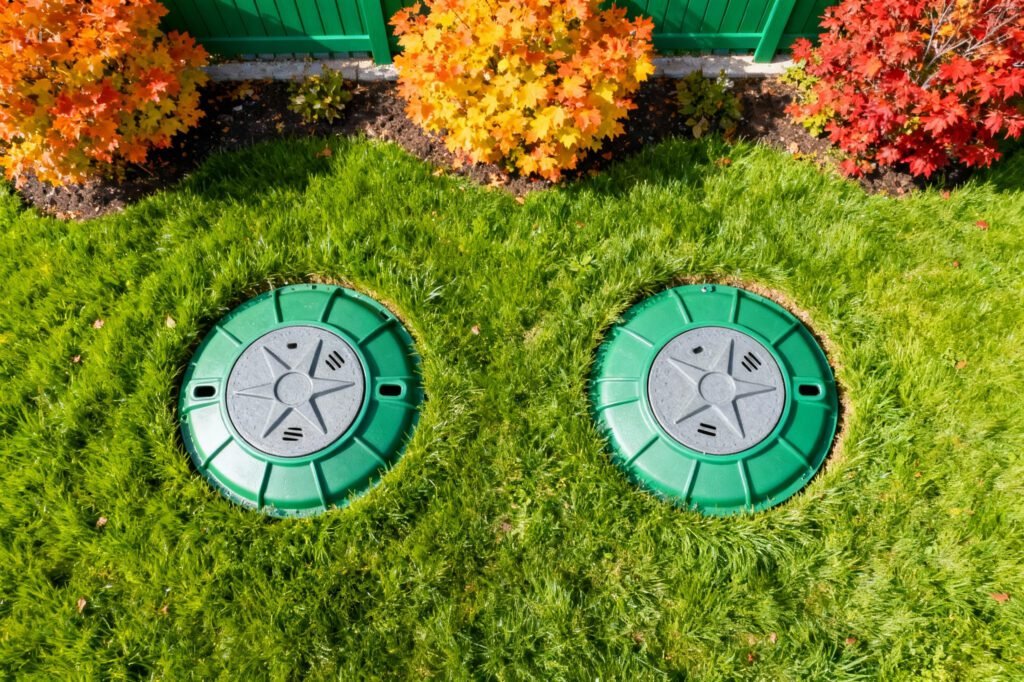
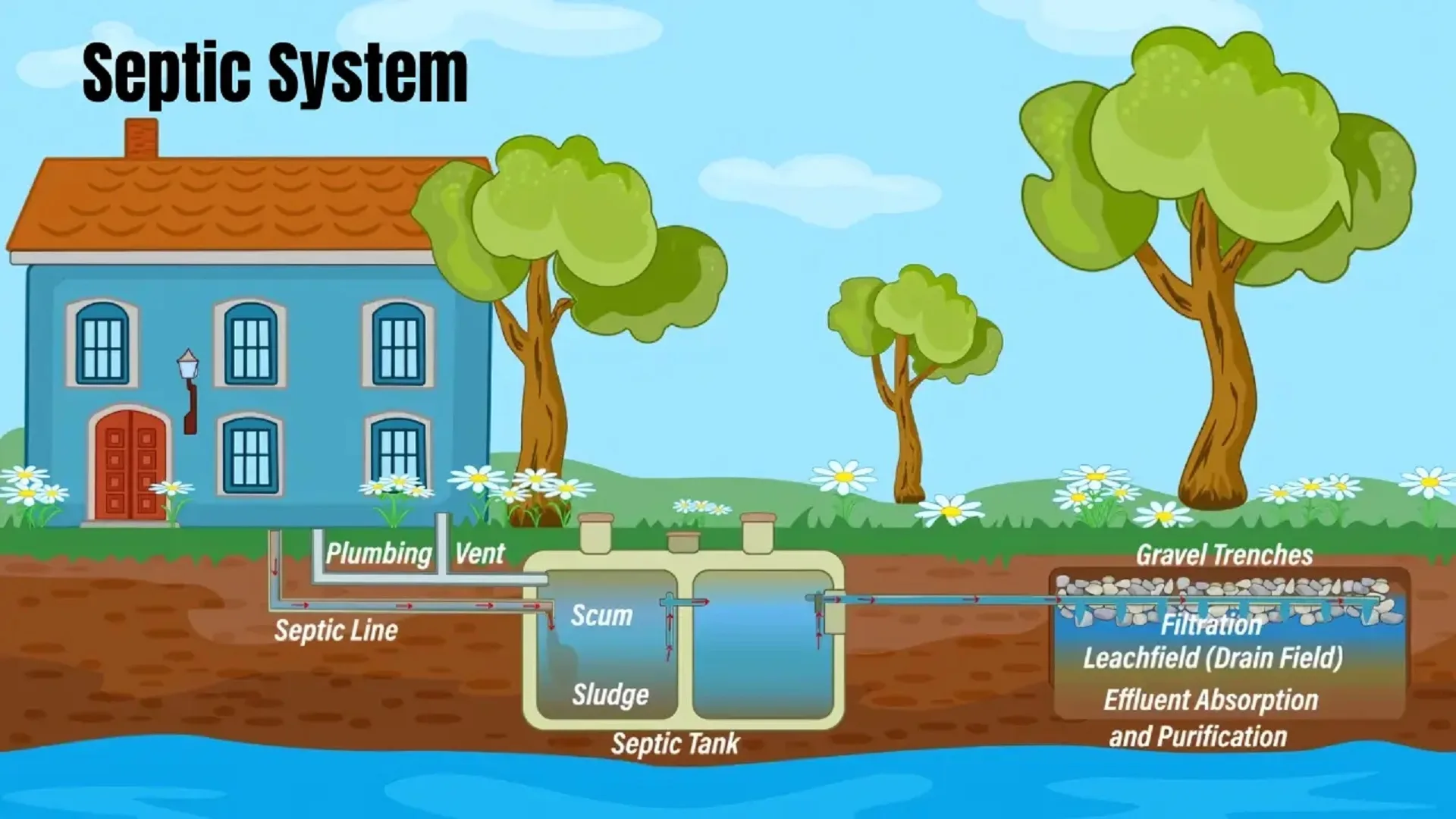
Quick Answer: If your septic system is not draining, it’s often due to a full tank, pipe blockage, drain field failure, or pump and electrical issues. Begin by checking the septic tank level and outlet for blockages. For persistent or severe symptoms—such as backups, strong odors, or electrical faults—consult a licensed professional for safe and thorough repair
- Systematic troubleshooting is essential for precise septic system diagnostics.
- Safety is critical—always use protective gear and proper methods.
- Common causes include clogged pipes, full tanks, drain field failure, and electrical faults.
- Some issues can be managed with DIY techniques, but serious problems require professional help.
- Regular maintenance and early monitoring are vital for prevention.
Systematic Troubleshooting Philosophy
When a septic system is not draining properly, homeowners face the risk of backups, costly damage, and unpleasant odors. A methodical troubleshooting approach enables precise diagnosis and efficient repair, minimizing disruption and expense. Systematic diagnosis prioritizes identifying root causes over guesswork, saving time and preventing unnecessary repairs.
Safety protocols are paramount. Septic tanks contain hazardous gases and bacteria; improper handling risks injury or environmental harm. Always use protective gear, avoid confined space entry without professional training, and ensure proper ventilation during inspection.
While minor issues can often be addressed with attentive care and basic interventions, some problems—such as ongoing backups, persistent odors, or suspected structural failures—require the expertise of a licensed septic professional for safe and comprehensive resolution.
Quick Symptom Index
| Symptom | Possible Causes | Reference Section |
|---|---|---|
| Slow drains in multiple areas | Full septic tank; clogged outlet; drain field clog | Performance Problems |
| Septic system backup | Blocked mainline; full tank; pump failure | Leakage Problems |
| Gurgling noises | Vent obstruction; partial blockages | Noise Issues |
| Odors near septic tank or yard | Tank or pipe leak; drain field failure | Leakage Problems |
| Surface pooling or soggy ground | Drain field saturation; pipe break | Leakage Problems |
| Electrical failure of system components | Pump malfunction; wiring faults | Electrical/Failure Issues |
Diagnostic Tools and Preparation
Essential Tools for Diagnosis
Reliable troubleshooting requires the right equipment:
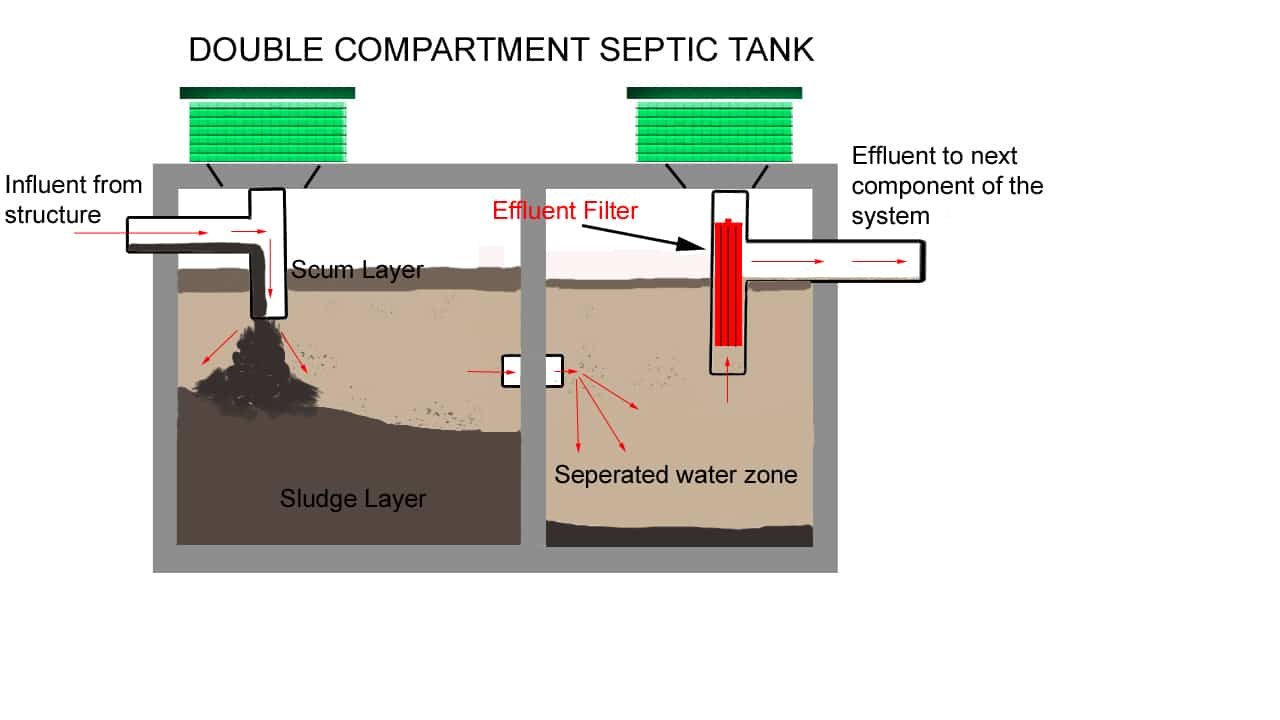
- Septic tank riser covers and inspection probes
- Drain augers and root cutters
- Multimeter for electrical system testing
- Pressure gauge for system pressure/pump checks
- Camera inspection equipment (for in-depth professional assessment)
Safety Equipment Required
- Nitrile gloves to prevent bacterial contact
- Respirator mask to protect against hydrogen sulfide and methane gases
- Eye protection (goggles or safety glasses)
- Protective clothing covering arms and legs
How to Create a Testing Environment
Choose a dry, well-ventilated area around the septic tank and lines for inspection. Delineate the work zone with visible markers. Place electrical equipment safely to prevent shock hazards. Use warning signs or barriers to keep others clear. Log ambient temperature and ground conditions since weather impacts diagnostics.
Documentation Template for Findings
A standardized log helps organize your diagnosis and supports professional intervention if needed:
- Date and time of inspection
- Symptoms and affected areas
- Tools and methodologies used
- Measurements, readings, and test results
- Photographs or diagrams of key findings
- Next steps or recommendations
Common Issues and Solutions Catalog
Issue Category 1: Performance Problems
Symptoms: Slow or incomplete drainage in sinks and toilets.
- Full septic tank — requires pumping
- Clogged outlet baffle or piping — needs mechanical cleaning
- Compacted or failing drain field — may require aeration, restoration, or replacement
Solution: Start with tank inspection and pump if full. Remove outlet blockages with augers. Persistent slow drainage after these steps likely indicates drain field issues—seek professional assessment.
Issue Category 2: Noise Issues
Symptoms: Gurgling, bubbling, or unusual noises near plumbing pipes.
- Blocked vent pipe — restricts system airflow
- Partial drain or mainline clogs — cause vacuum pressures and gurgling
- Pump motor malfunction
Solution: Inspect and clear vent pipes of debris, nests, or ice. Check for pipe blockages and remedy with augers. Test and replace pump if needed.
Issue Category 3: Leakage Problems
Symptoms: Visible leaks, soggy wet spots, or sewage odors around the septic tank or yard.
- Cracked/damaged tank or pipes
- Drain field saturation caused by heavy water use or rain
- Root intrusion breaking pipes
Solution: Arrange a professional camera inspection. Replace broken tanks or pipes and remediate the drain field with soil replacement, installation of distribution boxes, or other expert interventions.
Issue Category 4: Electrical/Failure Issues
Symptoms: Alarm beeps, system not running, pump won’t activate.
- Faulty or corroded wiring, tripped fuses
- Burnt-out pump motor, failed floats or sensors
- Control panel malfunctions
Solution: Test electrical supply and components with a multimeter. Replace faulty components. High-voltage repairs should be performed by licensed electricians or septic specialists.
Advanced Diagnostic Techniques
Using Multimeters and Test Equipment
Measure voltage and continuity on pumps, switches, and control panels. Confirm sensor function with resistance testing. Document discrepancies for accurate troubleshooting.
Pressure Testing and Leak Detection
Attach pressure gauges to pumps or seepage lines to confirm consistent flow. Run soil absorption/permeability tests on the drain field. For difficult leaks, use smoke or gas detection kits for non-invasive location.
Software/App Diagnostic Tools
Many modern septic systems offer remote monitoring through manufacturer apps or control software. Use provided tools to check pump cycles, system alerts, and logged codes for early error identification.
Interpreting Error Codes and Signals
Familiarize yourself with manufacturer-specific error code tables (see the system manual). Alarm beeps or panel lights often signify clogs, pump jams, or float switch faults—knowledge allows faster, targeted troubleshooting.
Diagnostic Decision Trees
Flowchart 1: Starting from Common Symptom
- Symptom: Slow drains indoors.
- Check septic tank level:
- If full: Schedule immediate pumping.
- If low: Inspect outlet baffle/piping for blockages.
- If clear: Assess drain field (e.g., check for pooling, soggy soil).
Flowchart 2: Starting from Specific Condition
- Symptom: Septic system backup (water/sewage rising in plumbing).
- Confirm pump operation:
- If pump runs: Check mainline for roots or debris.
- If pump does not run: Test electrical supply, control panels, and floats.
Flowchart 3: Seasonal/Environmental Issues
- During cold weather:
- Check vent pipes for frost or ice blockage.
- During/heavy after rains:
- Check for saturated drain fields. Reduce indoor water use to facilitate field drying.
Parts Replacement and Repair Guide
Common Replacement Parts Identification
- Pump motors (submersible or external)
- Float switches and liquid level sensors
- Outlet baffles
- Vent pipe and roof vent components
- Control panel circuit boards
Where to Source Quality Parts
Always purchase from trusted septic supply vendors or directly from original equipment manufacturers (OEMs). Reputable parts often hold certifications for reliability and compatibility—see NSF International for product standards.
Step-by-Step Replacement Instructions
- Isolate system power at the breaker or panel. Obtain permits if required by local code.
- Pump the tank if access is needed or to avoid spillage.
- Carefully remove the failed part, documenting original wiring/plumbing configuration.
- Install new component according to manufacturer specifications, securing all fittings/gaskets.
- Reconnect power, reseal all openings, and check for leaks or loose connections.
Testing After Repair Procedures
- Restore power to the system and run water appliances to verify flow.
- Observe multiple pump cycles and check for leaks, odd noises, or warning signals.
- Use flow meters or pressure gauges to confirm system is restored to optimal performance.
Escalation Protocol: When to Call a Pro
Safety-Related Red Flags
- Unusual or strong sewer odors inside the home
- Signs of gas leaks (hydrogen sulfide “rotten egg” smell)
- Confined space entry required for inspection or repair
- High-voltage electrical problems
Complexity Threshold Indicators
- Recurring or worsening backups even after pumping
- Drain field collapse, surface pooling, or severe sogginess
- Complex or digital electrical system faults
- Multiple, simultaneous leaks or equipment failures
Cost-Benefit Analysis for Professional Help
Scheduling professional septic repair is often more economical than risking poor DIY attempts, property damage, or groundwater contamination. A certified technician can assure full restoration, protect your property, and comply with environmental safety standards. Refer to the EPA’s Septic System Overview and seek licensed, experienced experts. For guidance, see How to Choose a Septic Service Professional.
How to Prepare for the Service Call
- Compile logs, symptom timelines, and photos for the technician.
- Ensure clear physical access to septic tank covers and control boxes.
- Minimize household water usage until professional service is completed.
Preventive Maintenance Schedule Integration
How Regular Maintenance Prevents These Issues
Consistent septic system pumping and routine professional inspections serve as the foundation of lasting system health. These practices reduce risk of overfilling, sludge buildup, and drain field exhaustion. For a tailored schedule, see our Septic Maintenance Guide.
Early Detection Systems and Monitoring
- Install water usage monitors and high-level alarms for proactive alerts.
- Leverage septic system smart sensors for early error notification and faster intervention.
Seasonal Preparation Checklists
- Pre-winter: Clear and insulate exposed vent and system pipes.
- Spring: Inspect the area around the tank and drain field for erosion, settling, or waterlogging.
Frequently Asked Questions
Why is my septic system not draining?
The most common reasons are a full septic tank, a blocked outlet pipe, or failure of the drain field. Begin by inspecting the tank level and checking for obvious clogs at the outlet.
How do I know if my septic tank needs pumping?
If your septic system isn’t draining and the tank is over two-thirds full of solid material (sludge or scum), immediate pumping is required. Signs include slow drains, bad odors, and pooling near the tank. For more, see Signs Your Septic Tank Is Full.
Can I fix a clogged septic drain pipe myself?
Minor outlet clogs may be removed with a drain auger. If the blockage is deeper or caused by roots, professional camera inspection and specialized repairs are usually needed.
What causes septic system backups?
Backups generally result from full tanks, pipe blockages, pump breakdowns, or a saturated drain field. Prompt diagnosis and mitigation are crucial to prevent further property and environmental damage.
How often should I have my septic system pumped?
According to the U.S. EPA and industry experts, most systems require pumping every 3–5 years depending on household size and water usage. Regular pumping prevents overflow, blockages, and costly repairs.
When should I call a professional for septic problems?
Contact a licensed septic technician if problems persist after pumping, if you notice foul odors indoors, experience system alarms, or encounter electrical faults during diagnosis.
Are septic system repairs covered by insurance?
Usually, standard homeowner policies do not cover routine septic maintenance. Sudden failures, accidents, or specific covered damages may be included in some plans—review your policy details or consult your insurance agent.
Trusted Resources
- U.S. Environmental Protection Agency – Septic Systems Overview
- National Onsite Wastewater Recycling Association (NOWRA)
- CDC – Septic System Safety
Need professional septic help? If you’re facing persistent drainage problems, odors, or leaks, protect your property and family’s health. Find a certified septic service professional today and ensure your system is repaired safely and thoroughly.

Leave a Reply