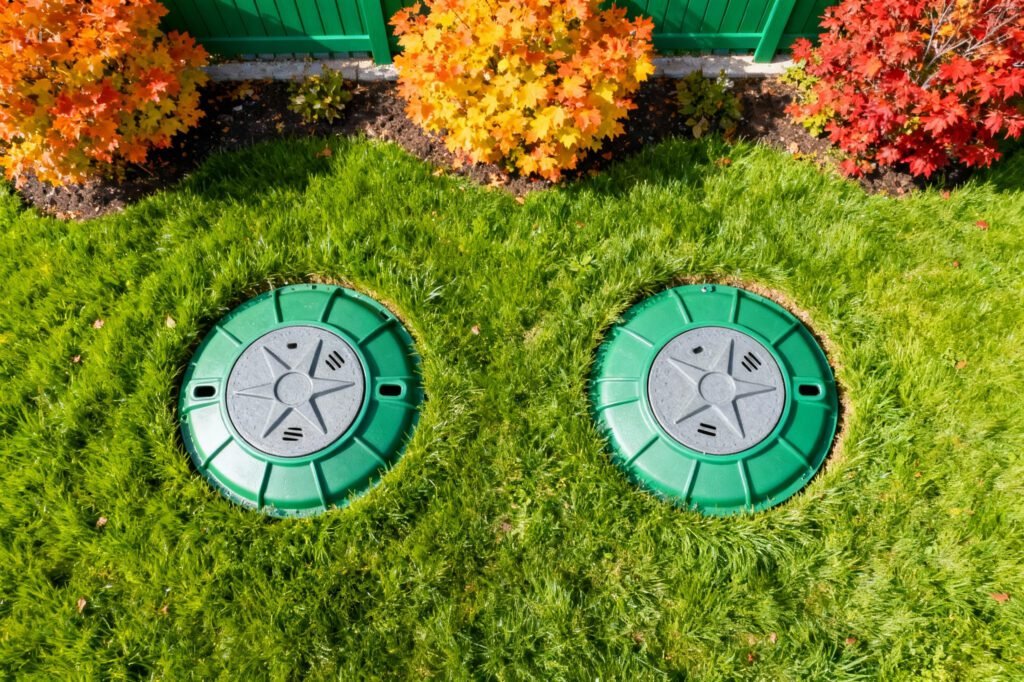
Quick Answer: The typical septic system lasts between 20 and 40 years, depending on material quality, soil conditions, usage, and maintenance. Regular professional inspection and timely pumping can often extend lifespan by a decade or more while minimizing costly repairs.
- Septic systems generally last 20–40 years with proper care
- Critical lifespan factors: tank material, soil type, maintenance frequency, water use, and waste habits
- Routine inspections, scheduled pumping, and careful water use are key to longevity
- EPA and CDC recommend professional inspection every 3 years
- Early detection of issues can save thousands in repairs and property damage
Understanding your septic system’s lifespan is critical for protecting your property’s health and avoiding costly repairs or replacements. This guide outlines the average lifespan, key longevity factors, and practical steps homeowners can take to maximize system performance. Whether you’re a seasoned property owner or new to septic care, mastering these maintenance basics can save you significant time, money, and inconvenience.
Preparation and Safety
Tools and Materials Checklist
- Protective gloves and safety goggles
- Inspection flashlight
- pH test kit (for soil and effluent testing)
- Pipe wrenches and adjustable pliers
- Septic tank riser and cover tools
- Soil probe/tube for absorption field check
- High-pressure water jet or septic tank pump service contact
Safety Precautions and Protective Gear
Septic system inspection can expose you to harmful bacteria, gases such as methane, and sharp components. Always wear rubber gloves and safety goggles. Work in a ventilated area and never enter a septic tank yourself—confined spaces are highly dangerous and require licensed professionals. If unsure, contact certified septic system service providers for any invasive tasks.
Workspace Setup and Preparation
Clear away vegetation and debris around the septic tank and absorption field before inspection. Mark off the area to prevent accidental disturbances and have emergency contact numbers ready in case of exposure, spill, or equipment malfunction.
Step-by-Step Septic System Longevity Guide
Step 1: Inspect the Septic Tank and Access Points
- Carefully remove the tank lid using appropriate tools and verify you are wearing safety gear.
- Visually inspect scum and sludge levels; use a probe to measure thickness and compare to tank capacity.
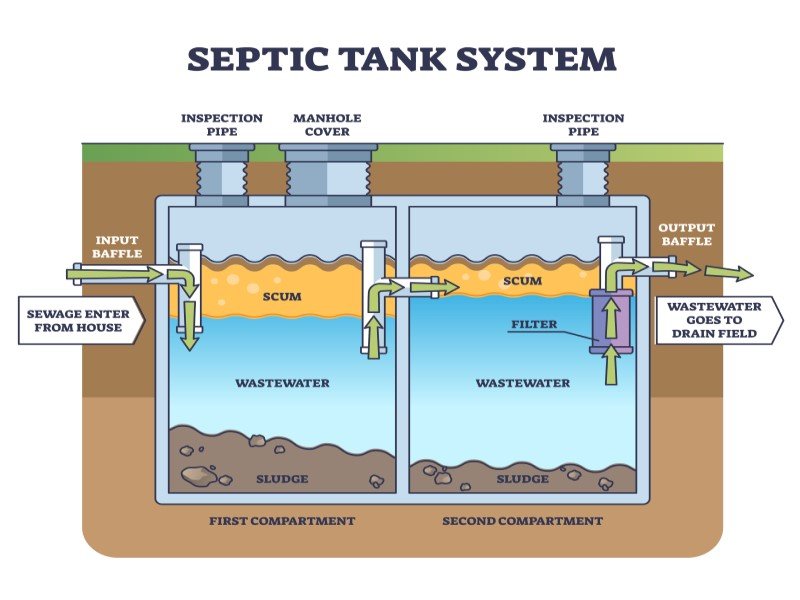
- Check risers, baffles, and walls for cracks, corrosion, or leakage—these are early failure signs.
Step 2: Examine the Drain Field Conditions
- Use a soil probe to assess moisture in and around the absorption field.
- Look for unusually green or soggy patches—these can indicate effluent surfacing or drain field failure.
- Monitor for foul odors or standing water above the field, which signal inadequate drainage.
Step 3: Test Effluent Quality and Soil pH
- Collect an effluent sample for on-site pH and biological oxygen demand test, if possible.
- Healthy systems usually maintain soil pH between 6.5 and 7.5 (according to EPA guidelines).
- Abnormal pH or low clarity can suggest overload, chemical imbalances, or contamination.
Step 4: Perform Routine Pumping and Cleaning
- Schedule regular pumping every 3–5 years to remove excess sludge (as recommended by the CDC).
- If odors, backups, or high sludge levels occur, arrange earlier professional cleaning.
Step 5: Repair or Replace Damaged Components
- Immediately address cracks, corroded pipes, or broken baffles to protect system function and nearby groundwater.
- If repeated repairs are needed, consult specialists for replacement planning. The National Onsite Wastewater Recycling Association (NOWRA) offers detailed resources.
Quality Control and Testing
How to Verify Success
A properly maintained septic system has no surface pooling, no drain or toilet backups, and no foul odors around the tank or drain field.
Post-maintenance inspections should confirm:
- Clear, accessible tank ports
- No visible cracks or leaks
- Evenly distributed effluent flow into the drain field
Testing Procedures and Key Metrics
| Test/Measurement | Ideal Value/Condition |
|---|---|
| Sludge thickness | < 30% of tank depth |
| Soil pH | 6.5 – 7.5 |
| Effluent clarity | No significant solids or cloudiness |
| Surface moisture | No pooling or soggy soil |
Troubleshooting Common Issues
- Clogs & Backups: Usually from improper waste disposal or tree root invasion. Signs: slow drains, gurgling in pipes.
- Drain Field Failure: Evidenced by saturated soil, lush growth, foul odors, or pooling water. Often tied to poor soil permeability or excess system loading.
- Leaking Components: Cracks in tank or pipes threaten groundwater and require prompt repair.
If absorption fields fail or soil tests remain poor after maintenance, contact professional septic engineers for evaluation.
Maintenance and Long-Term Care
Daily/Weekly Maintenance
- Dispose of only biodegradable toilet paper and waste—never flush wipes, feminine products, or hazardous chemicals.
- Use water efficiently—fix leaks and stagger laundry or dishwashing loads.
- Monitor visible plumbing fixtures for leaks or slow drainage.
Monthly/Quarterly Checks
- Inspect tank lids, risers, and vent pipes for damage or intrusion.
- Review household water bills for unusual usage spikes—a sign of leaks or excessive use.
- Book minor repairs fast to prevent escalation of issues.
Key Signs of Wear & Replacement Timing
- Persistent drain backups, sewage odors, or standing water on the drain field
- Heavy corrosion, recurring leaks, or components needing constant repair
- If repairs exceed 50% of system value, or function cannot be restored, plan for system replacement
Pro Tips and Advanced Techniques
Efficiency Hacks from Professionals
- Install low-flow toilets and showerheads to reduce hydraulic load
- Consider aerobic treatment units to boost bacteria efficiency without chemicals
- Use only EPA- or NSF-listed septic-safe additives as recommended
Recommended Tools & Accessories
- Electronic leak detectors for early problem detection
- Access riser kits for easier, safer tank inspections
- Dye tracer kits for diagnosing effluent movement in challenging soils
Customizing Your System for Longevity
- Upgrade your absorption field* with engineered soil blends for poor-permeability locations
- Retrofit with modern liners or expand drain field footprint as regulations allow
Frequently Asked Questions
How long does a typical septic system last?
Most septic systems last 20–40 years, determined by tank materials, soil conditions, routine maintenance, and water habits (EPA).
What factors most affect septic system lifespan?
Soil permeability, tank construction (concrete, fiberglass, plastic), maintenance frequency, household water use, and what you flush all impact longevity.
How can I extend the lifespan of my septic system?
Pump the tank every 3–5 years, avoid harsh chemicals, fix leaks quickly, and have annual professional checkups.
What is the average septic system repair cost?
Minor repairs range from $200–$1,000; major repairs or replacements may run into the thousands depending on extent and local rates.
When is system replacement necessary?
When major failures recur, structural damage or complete drain field collapse occurs, or repairs exceed half the value of a new installation.
Can regular maintenance prevent expensive replacements?
Yes. Consistent inspections and timely pumping reduce risks of failure and major expenses.
What are common warning signs that my septic system needs attention?
Unusual odors, slow or backed-up drains, soggy drain field areas, and visible sewage near the tank or yard.
Is emergency septic pumping different from regular pumping?
Yes. Emergency pumping addresses immediate overflows; regular pumping is preventative care done every 3-5 years.
Referenced External Resources
- United States Environmental Protection Agency (EPA) – Septic Systems FAQ
- National Onsite Wastewater Recycling Association (NOWRA) – Septic System Maintenance Tips
- Centers for Disease Control and Prevention (CDC) – Septic Systems and Your Health
Bottom line: With proactive maintenance, careful monitoring, and expert advice, your septic system can exceed industry lifespan averages—delivering reliable, safe performance for decades.
Ready to safeguard your septic investment? Start using our proactive maintenance checklist today and consult qualified professionals at the first sign of trouble. Your property—and wallet—will thank you!

Leave a Reply