Quick Answer: Common septic system failures—such as slow drains, foul odors, or alarms—signal clogs, baffle issues, pump failures, or drain field problems. DIY repairs like pipe clearing or baffle replacement may solve minor issues (cost: $50–$300), but persistent backups, leaks, or standing water call for a professional. Major repairs can exceed $3,000. Early intervention keeps costs and risks lower.
- Recognize early warning signs: slow drains, odors, alarms, soggy lawn patches.
- Top causes: baffle failure, clogs, pump malfunction, tank leaks, or drain field saturation.
- Tiered repair approach: address emergencies, then pursue mid- and long-term fixes.
- Professional repairs may be necessary for persistent or severe failures.
- Regular preventive maintenance significantly reduces risk of major repairs.
- DIY repairs cost hundreds; full system replacements can reach $15,000+.
- Reference standards: EPA, NOWRA, licensed septic specialists.
Recognizing the Septic System Problem
A failing septic system can escalate quickly from nuisance to crisis. Warning signs include slow drains, persistent odors, or an activated septic alarm—each indicating trouble below ground. Left unresolved, septic problems compromise household health, disrupt daily routines, and threaten property value.
Septic systems are vital for millions of rural homes without sewer connections. The U.S. Environmental Protection Agency (EPA) estimates that about 20% of U.S. households rely on them. Unfortunately, 1 in 10 systems will require major repair or fail annually, often resulting in costly fixes. Prompt detection and action can contain damage, expense, and risk.
This article delivers authoritative guidance for diagnosing and addressing typical septic issues, covering repair options—from baffles to pipes, pumps, and patching—and offers a clear path for knowing when to hire a licensed professional.
Root Cause Analysis: Why Septic Problems Happen
Primary Causes
- Baffle Failure: Baffles direct flow inside the tank. When broken, solids flow into outlet pipes, causing system backups.
- Pipe Clogs: Tree roots or debris restrict wastewater flow, often producing slow drainage or backups.
- Pump Malfunction: Pumps fail from electrical faults or wear, impeding effluent movement to the drain field.
- Tank Cracks or Leaks: Concrete or plastic tanks can deteriorate and leak, risking sewage seepage and groundwater infiltration.
- Drain Field Saturation: Heavy rainfall or improper design can oversaturate soil, impeding proper absorption and leading to surface pooling.
Contributing Factors
- Excessive household water use overloading the system
- Flushing items like wipes, grease, or hygiene products
- Skipped regular tank pumping and maintenance
- Inadequate soil or system installation
- Seasonal factors—frost heave, drought, or heavy rain
Diagnostic Self-Assessment Quiz
- Are drains running slower than usual?
- Notice sewage smells indoors or outside?
- Is there standing water or especially green grass over the drain field?
- Septic alarm sounded recently?
- Experienced any sewage backup into toilets or sinks?
If you answered “yes” to any, your septic system may require immediate attention.
How to Identify Your Specific Cause
Solution Framework: Tiered Approach
Tier 1: Immediate Emergency Fixes
- Shut off water supply to minimize strain on the system.
- Stop use of appliances (washer, dishwasher) that drain into the system.
- Clear accessible pipe blockages with caution and protective gear.
- Call a licensed septic professional if alarm sounds or problems are persistent.
Tier 2: Medium-Term Solutions
- Pump the tank to remove accumulated solids and relieve backups.
- Clear tree roots or debris from inlet/outlet lines (mechanically or with approved chemicals).
- Replace broken baffles or damaged pipe segments.
- Patch minor tank cracks with septic-safe compounds.
Tier 3: Long-Term/Professional Solutions
- Install or repair pumps, floats, or control panels.
- Replace or expand the drain field if consistent failures occur.
- Replace the septic tank or overhaul the system if outdated or irreparably damaged.
- Schedule routine inspections and tank pump-outs with a professional.
Step-by-Step Implementation Guides
Solution A: Baffle Replacement Instructions
- Locate and uncover the septic tank lid using safe digging procedures.
- Pump out the tank partway to access and inspect baffles safely.
- Use suitable tools to remove any damaged or failed baffles.
- Install replacement baffles, ensuring an accurate fit and a secure seal to prevent leaks.
- Carefully replace the tank lid and restore ground cover.
Expert tip: DIY baffle replacement is risky without septic experience; improper installation can worsen problems. Professional help is advised.
Solution B: Pipe Unclogging Instructions
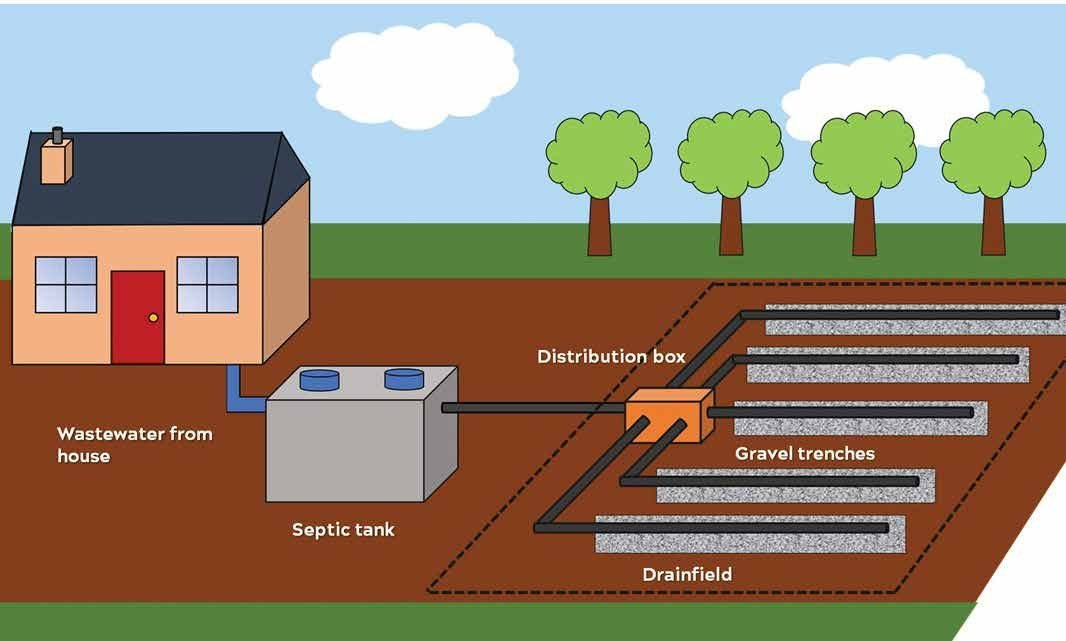
- Identify whether the inlet or outlet pipe is blocked (consult your system diagram if available).
- Employ a plumbing snake or rooter tool to clear physical blockages.
- If roots are present, use a septic-safe root killer. Only use EPA- or NSF-approved products designed for system safety.
- Test all drains afterward to ensure flow is restored and check for leaks.
Solution C: What to Expect from a Professional
- System inspection with specialized cameras and diagnostic tools
- Tank pumping and comprehensive internal cleaning
- Electrical assessment—testing and replacement of pumps or alarm systems
- Soil analysis and drain field evaluation
- Written estimates and projected repair timeframes
Prevention Strategies: Ensuring It Never Happens Again
Daily/Weekly Preventive Measures
- Monitor your home’s water usage, especially during gatherings or laundry days.
- Never flush wipes, grease, chemicals, or feminine hygiene products.
- Stagger use of high-water appliances to reduce sudden loads.
Monthly/Quarterly Tasks
- Test septic alarm and check pump panel if present.
- Check for leaks at plumbing fixtures.
- Inspect lawn over tank and drain field for unusual moisture or odors.
Early Warning Monitoring
- Schedule reminders for tank pumping every 3–5 years (more often if high household use).
- Install or maintain a functioning alarm with backup power.
- Book periodic professional evaluations—especially before buying or selling property.
Environmental and Usage Adjustments
- Direct roof and driveway runoff away from the drain field area.
- Keep vehicles and heavy equipment off the drain field to prevent soil compaction.
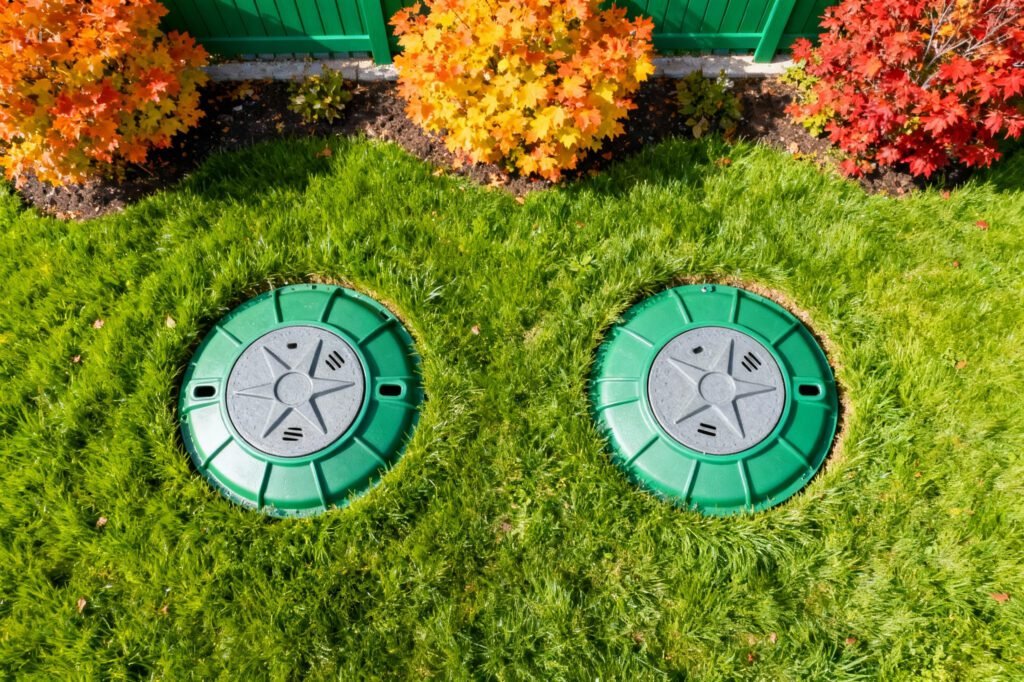
- Plant only grass or shallow-rooted plants over the septic system.
Cost Analysis: DIY vs. Professional Repair
| Repair Type | DIY Cost Range | Professional Cost Range |
|---|---|---|
| Baffle Replacement | $100–$300 | $300–$800 |
| Pipe Unclogging/Repair | $50–$150 | $300–$600 |
| Tank Patching | $30–$80 | $400–$1,000 |
| Pump Replacement | N/A (Professional recommended) | $800–$1,500 |
| Drain Field or Tank Replacement | N/A (Professional required) | $3,000–$15,000+ |
Insurance and Warranty Insights
- Home insurance rarely covers septic repairs—review your policy and consider add-ons if available.
- Some contractors offer septic system warranties—ask for coverage details before work begins.
- Routine, documented maintenance may be required to keep insurance and warranty coverage valid.
Success Verification and Quality Assurance
How to Confirm Your System Is Fixed
- Drains operate normally with no slowdowns or backups for several days post-repair.
- No alerts or alarms from your septic control panel.
- Greenery and moisture over your tank and drain field return to typical appearance.
- Professional inspection finds no undetected leaks or other red flags.
Testing and Validation Steps
- Video camera inspection of tank and lines by a technician
- Testing pump and alarm operation
- Soil absorption (“perk”) testing for repaired or replaced drain fields
Recommended Follow-Up Routine
- Pump septic tank every 3–5 years, or as local health departments recommend.
- Arrange professional checkups at least twice per year.
- Observe drains and yard for any recurrence of suspicious symptoms.
When All Else Fails: Escalation Path
Red Flags: Call a Licensed Professional Immediately
- Raw sewage visible indoors or near the home
- Persistent alarms, even after resets
- Large or prolonged pools of standing water in the yard
- Severe, persistent odors
- Unexpectedly high water or sewer bills (may indicate leaks)
How to Find and Vet a Septic Pro
- Verify the technician holds appropriate state/local licenses and insurance
- Review customer feedback for reliability and expertise
- Ensure experience with your specific system type
- Request detailed written quotes and a clear breakdown of charges
Questions to Ask Before Hiring
- Are you fully licensed and insured for septic system repairs?
- How often have you handled this type of repair?
- What warranties or guarantees do you offer?
- Can you provide a written, itemized estimate up front?
- What is your emergency response time?
Frequently Asked Questions (FAQs)
How often should I pump my septic tank?
Most septic tanks need to be pumped every 3 to 5 years, although large families or small tanks may require more frequent service. Check with a licensed professional for a schedule specific to your system’s size and usage.
What causes a septic system alarm to go off?
Septic alarms are triggered by high water levels, often due to pump failure, blockages, or power outages. Regularly test alarm systems and promptly investigate all triggers.
Can I repair a septic system leak myself?
Minor leaks can be patched as a temporary measure, but a professional should always assess and repair septic leaks to ensure safety and regulatory compliance.
How much does septic system repair usually cost?
Minor repairs (baffles, pipes) range from $100–$800; major system repairs or replacements can cost $3,000–$15,000+ depending on local soil, tank size, and required work scope.
What are common signs my drain field is failing?
Symptoms include extremely wet or soggy soil, foul odors, or slow drains throughout the home. If noticed, contact a certified septic professional immediately.
Is it safe to use chemical root killers in septic systems?
Only use EPA- and NSF-approved root killers in septic systems. Overuse can damage essential bacteria and harm system function. Consult a professional for persistent root issues.
Can heavy rainfall damage my septic system?
Yes. Saturated soil absorbs less wastewater, potentially flooding your system and causing sewage to back up. Divert runoff and avoid excessive water usage during storms.
What should I do if I smell sewage in my yard?
Stay away from the affected area and minimize water use. Contact a licensed septic professional promptly for diagnosis and repair.
Does septic system failure affect property value?
Absolutely. Homes with malfunctioning or outdated septic systems may experience significant value loss or difficulty selling. Up-to-date systems are an important investment.
How do I know if my septic pump needs replacement?
A failing pump often triggers frequent alarms, produces odd noises, or can no longer move effluent effectively. Proactive replacement avoids costly overflows and damage.
Related Resources
- How to Maintain Your Septic System
- Signs Your Drain Field Needs Repair
- Choosing the Right Septic Service Provider
- Septic Tank Pumping: What to Expect and Costs
- Understanding Septic System Alarms and Troubleshooting
Expert Sources and References
- U.S. Environmental Protection Agency: Septic Systems
- National Onsite Wastewater Recycling Association (NOWRA)
- The Spruce: Septic System Maintenance and Repair
Septic issues escalate quickly—don’t wait for disaster. Call a licensed septic professional today for a thorough inspection or repair, and protect your home’s value and your family’s health.

Leave a Reply