Quick Answer: Maintain your aerobic septic system by regularly inspecting the aerator, cleaning diffuser and sprinkler heads, testing alarms, and properly adding chlorine tablets. Conduct weekly visual checks and complete in-depth cleaning and alarm/chlorinator tasks monthly to prevent odors, ensure proper wastewater treatment, and prolong your system’s lifespan.
- Routine maintenance prevents odors, backups, and costly repairs.
- Focus on aerators, diffusers, sprinkler heads, alarms, and chlorine tablets.
- Follow a specific schedule: weekly visual checks and monthly in-depth tasks.
- Use only chlorine tablets designed for aerobic septic systems.
- Proper safety gear and preparation are essential for safe DIY maintenance.
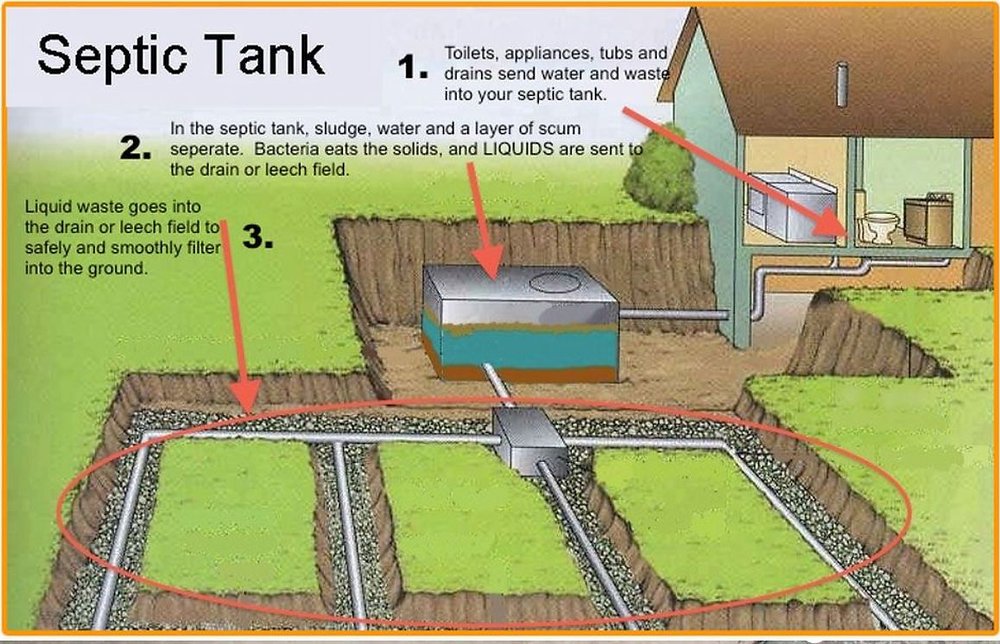
Maintaining your aerobic septic system is essential to ensure efficient wastewater treatment, prevent unpleasant odors, and avoid costly repairs. This guide provides a specific maintenance calendar for your aerobic treatment unit (ATU), focusing on key components such as aerators, diffusers, sprinkler heads, alarms, and the use of chlorine tablets. Whether you own a septic system with sprinklers or an advanced ATU, following this maintenance routine will extend your system’s lifespan and safeguard your property.
The required skill level for these tasks is intermediate; familiarity with basic plumbing and electrical components is beneficial. The maintenance steps are practical for homeowners who can dedicate approximately 1 to 2 hours monthly for routine checks, with occasional quarterly tasks. Routine maintenance costs, such as chlorine tablets and replacement parts, average $50 to $100 annually—far less than emergency repairs from neglect.
Preparation and Safety
Tools and Materials Checklist
- Rubber gloves and safety goggles
- Garden hose with spray nozzle
- Screwdriver set (flathead and Phillips)
- Replacement chlorine tablets for septic system
- Soft brush for diffuser cleaning
- Multimeter for alarm testing
- Adjustable wrench
- Towels and bucket
Safety Precautions and Protective Gear
Handling an aerobic septic system exposes you to wastewater and electrical components. Always wear rubber gloves and goggles to prevent contact with contaminants and protect your eyes. Disconnect electrical power before servicing alarms or aerators. Avoid standing in wet or slippery conditions and maintain dry footing. Follow manufacturer guidance on handling chlorine tablets safely, as they contain chemicals that can irritate skin and eyes.
Workspace Setup and Preparation
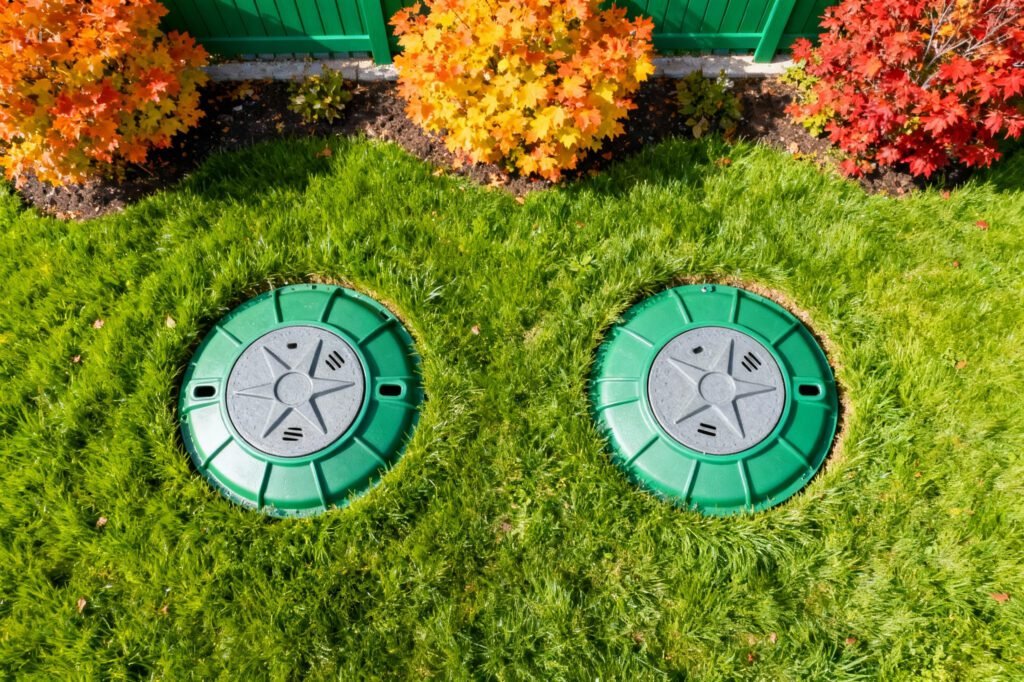
Set up your workspace near the aerobic septic system outdoors. Ensure pathways are clear to allow easy access to the tank lids, sprinkler heads, and alarm control panel. Keep all tools organized and within reach. Prepare a clean water source for rinsing parts like diffusers and sprinkler heads. Inform household members before starting to avoid accidental power activation or interference during maintenance.
Step-by-Step Implementation Guide
Inspect and Clean the Aerator
Remove the aerator cover. Check the motor and shaft for debris or corrosion. Use a damp cloth to clean dirt. If needed, remove the aerator for a thorough rinse under clean water. Reinstall securely. A well-maintained aerator maintains essential oxygen levels for aerobic bacteria, per EPA recommendations.
Clean the Diffusers
Carefully remove diffuser ports. Soak them in a water and chlorine tablet solution for 15 minutes. Scrub with a soft brush, gently, to avoid damage. Rinse thoroughly and replace securely. Consistent cleaning prevents clogging and ensures efficient treatment.Learn more about diffuser cleaning best practices →
Maintain Sprinkler Heads
Inspect each sprinkler head for blockages, damage, or misalignment. Use a garden hose to clear debris. Manually rotate to check smooth operation. Replace broken heads as needed to ensure consistent effluent distribution and optimal soil absorption.
Test and Reset the Septic System Alarm
Access the alarm panel and check for active faults. Use a multimeter to test circuits if necessary. Reset per the manufacturer’s instructions. Alarms are crucial: they alert you to malfunctions like aerator failure or high water, enabling timely fixes.Get expert tips on septic alarm selection →
Add Chlorine Tablets for Septic System Sanitization
Add only septic-system-approved chlorine tablets to the chlorinator chamber. Follow dosage and frequency per manufacturer’s instructions—typically monthly. This preserves effluent safety without harming aerobic bacteria.See why chlorine tablets matter for septic systems →
Quality Control and Testing
How to Verify Success
After maintenance, observe the system for 24 hours. Ensure there are no noticeable odors, unusual noises, or alarm triggers. Effluent should disperse evenly from sprinklers—no pooling or backflow. Smooth operation signals successful upkeep.
Testing Procedures and Metrics
| Component | Test/Metric | Optimal Value/Status |
|---|---|---|
| Dissolved Oxygen | Weekly test kit measurement | 2 – 4 mg/L |
| Effluent Clarity | Visual check/no scum | Clear |
| Sprinklers | Pressure & uniform spray | No pooling/consistent pattern |
| Alarm System | Test activation/logs | No error triggers |
Keep a maintenance log with dates, test results, and observations for every session.
Troubleshooting Common Issues
- Aerator fails to run: Check power supply and circuit breakers.
- Noisy pump: May need lubrication or replacement.
- Sprinklers not rotating: Likely due to clogs or damaged seals—clean or replace as needed.
- Persistent odors: Indicates poor aeration or low chlorine—investigate immediately.
- If issues persist: Reference system manuals or consult a certified technician. See Common Problems and Professional Solutions.
Maintenance and Long-Term Care
Daily/Weekly Maintenance Tasks
- Visually inspect for leaks or broken sprinkler heads
- Verify alarm panel status for faults
Monthly/Quarterly Checks
- Clean diffusers and sprinkler heads
- Replace chlorine tablets as system requires
- Test aerator and alarm functionality
- Check control panel and electrical connections for wear
Signs of Wear and When to Replace
- Continuous alarm activation without user reset
- Cracked/damaged sprinkler heads or diffuser ports
- Reduced dissolved oxygen despite working aerator
- Odors lasting more than 48 hours post-maintenance
- Effluent pooling or uneven sprinkler coverage
Pro Tips and Advanced Techniques
Efficiency Hacks from Professionals
- Schedule maintenance in dry weather to prevent flooding.
- Use gentle vibratory tools to clear sprinkler clogs without damaging seals.
- Log all inspection dates and set digital reminders.
- Track component replacements to predict future needs.
Recommended Tools & Accessories
- Portable dissolved oxygen meter for instant aerobic function checks
- High-quality replacement parts (nitrile seals, durable nozzles, etc.)
- Wireless alarm panel with smartphone alerts for early warning
Customization and Upgrade Options
- Energy-efficient aerators for power savings
- Adjustable sprinkler heads to match soil absorption rates
- Ecological chlorine tablets for balanced sanitization and environmental safety
Frequently Asked Questions
| Question | Quick Answer |
|---|---|
| How often should I check my aerobic septic system? | Perform weekly visual checks and monthly maintenance, with quarterly system tests for optimal performance. |
| What should I do if my septic system alarm goes off? | Investigate for issues such as aerator failure or water level rise. Check power supply and resolve the problem promptly. |
| Can I use any chlorine tablets for my septic system? | No. Use only tablets labeled for aerobic septic systems. Pool or household chlorine tablets can harm system bacteria and equipment. |
| Why aren’t my sprinkler heads rotating? | Clogs, debris, or damaged seals cause this issue. Clean and inspect regularly; replace if necessary. |
| How do I know when to replace the aerator? | Replace if it fails to start, runs noisily, or produces poor oxygenation post-maintenance. Aerators typically last several years. |
| Is professional maintenance necessary? | DIY covers routine upkeep, but an annual pro inspection finds hidden problems and prolongs system life. |
| Are there health risks if I neglect maintenance? | Yes. Neglect exposes your property to untreated wastewater, odors, and potential pathogens. Regular maintenance protects home health. |
Bottom line: Avoid costly repairs and unpleasant odors—enroll in a specialized aerobic septic system maintenance plan today to protect your property and health.

Leave a Reply