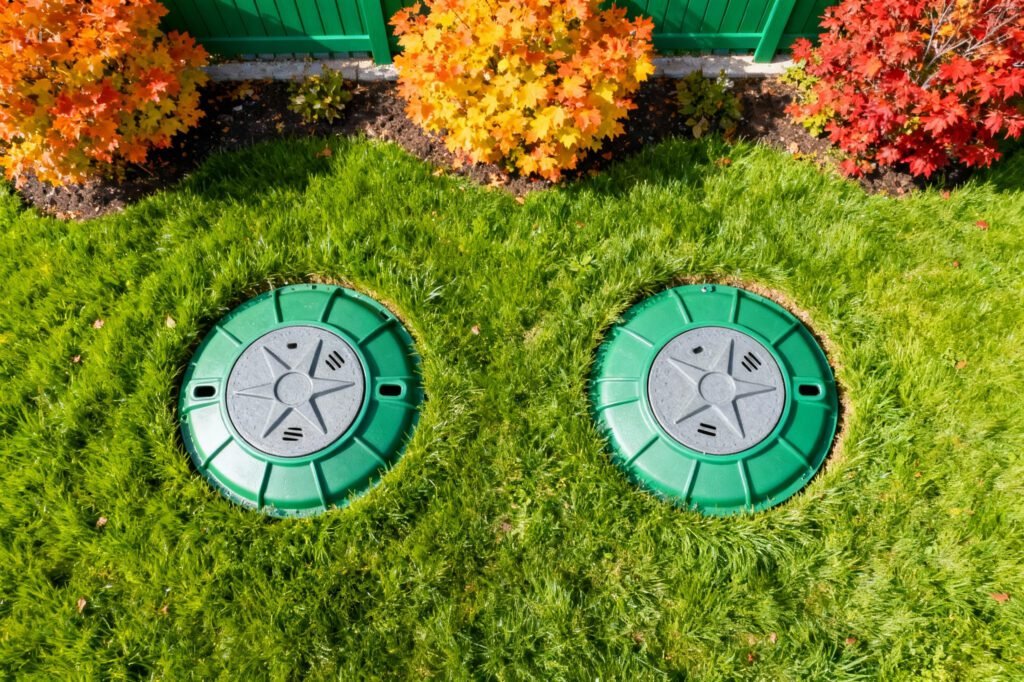
Quick Answer: A septic system is an underground wastewater treatment structure vital for properties without access to centralized sewers. It safely manages household wastewater through settling, bacterial breakdown, and soil filtration, helping protect the environment and public health. Costs range $3,000–$30,000 depending on the system. Regular inspection and pumping (every 3-5 years) are essential. Persistent odors, slow drains, or soggy ground often signal problems requiring immediate attention.
- Septic systems provide self-contained, environmentally-safe wastewater management in non-sewered areas.
- Choosing the right system type depends on site, soil, and local codes.
- Routine maintenance and periodic pumping prevent malfunctions and extend system life.
- Understanding regulations, technology, and stakeholder roles minimizes risk and cost.
- Costs and complexity depend on residential vs. commercial use, terrain, and technology level.
Table of Contents
Foundational Overview: What is a Septic System and Why It Matters
The Core Definition and Scope
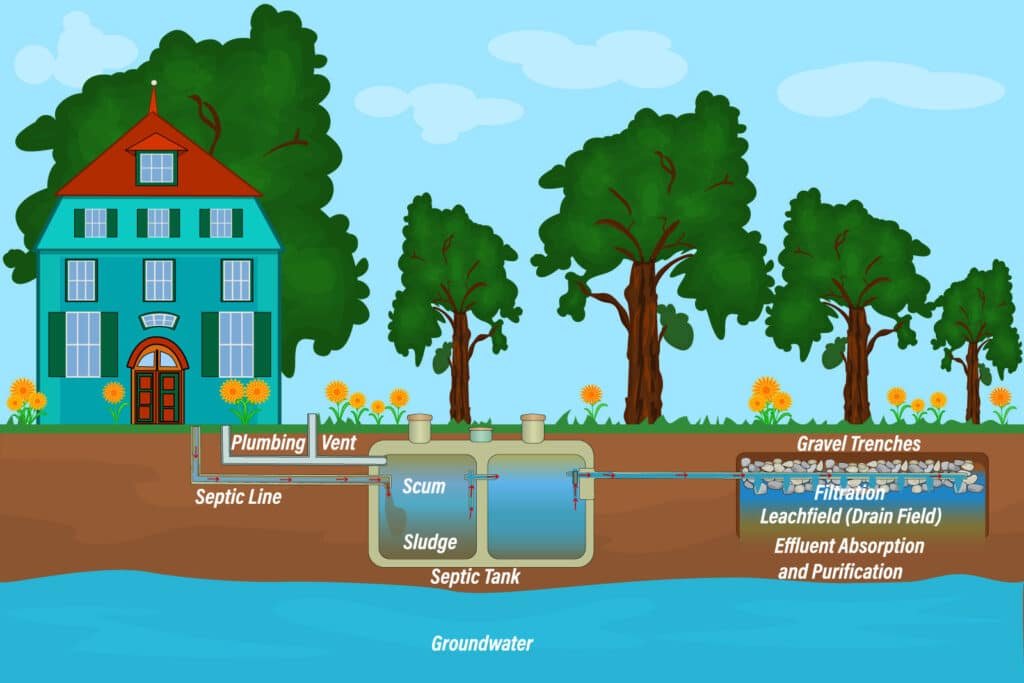
A septic system is an underground wastewater treatment structure commonly used in areas lacking centralized sewers. It collects, treats, and disposes of domestic sewage through sedimentation, biological digestion by bacteria, and final liquid filtration via the soil. The main components are a septic tank (where solids settle and break down) and a drain field (where effluent percolates harmlessly into the ground).
Properly functioning systems prevent groundwater contamination and protect public health, making them essential for homeowners relying on self-contained sanitation.
Historical Context and Evolution [UPDATE: 2026]
Since their late 19th-century inception, septic systems have evolved from basic cesspools into advanced treatment solutions. Modern systems employ improved tank materials, specialized bacterial additives, and stricter environmental controls. By 2026, industry innovations include enhanced effluent treatment units, smart monitoring sensors for early issue detection, and eco-friendly, regional-climate-adaptive designs. These improvements reflect stronger regulatory demands and growing homeowner expectations for reliable, sustainable wastewater management.
The “Magic Triangle”: Interconnected Principles That Govern Success
Effective septic systems rely on three interdependent principles known as the “magic triangle”:
- Proper Design: System sizing, site suitability, and regulatory compliance.
- Effective Maintenance: Regular pumping, inspection, and prompt repair.
- Environmental Compatibility: Soil absorption characteristics and water table considerations.
Neglecting any of these can lead to system failure, odors, and costly repairs.
The Complete Classification System
Primary Types and Models
Septic systems are generally divided into conventional and advanced types:
- Conventional Gravity Systems: Use gravity to move effluent, valued for simplicity and low cost.
- Pressure Distribution Systems: Use pumps for even effluent dispersal, ideal on uneven terrains.
- Mound Systems: Use an elevated drain field for sites with poor native soil.
- Aerobic Treatment Units (ATUs): Add oxygen to enhance bacterial breakdown for higher-quality effluent.
- Sand Filter and Drip Distribution Systems: Offer extra filtration for sensitive environments.
| Option | Best For Scenario | Advantages | Limitations | Cost Range | Skill Required |
|---|---|---|---|---|---|
| Conventional Gravity | Standard residential sites | Low cost, simple design | Not suited for poor soil or slopes | $3,000-$7,000 | Basic installation |
| Pressure Distribution | Uneven terrain | Even effluent distribution | Requires pumps and electricity | $8,000-$15,000 | Moderate |
| Mound Systems | High water table / poor soil | Suitable for challenging soils | High installation cost | $10,000-$20,000 | Advanced installation |
| Aerobic Treatment Units | Need higher effluent quality | Superior treatment, compact | More maintenance and energy | $15,000-$30,000 | Professional |
| Sand Filter Systems | Environmentally sensitive areas | Extra filtration | Complex maintenance | $12,000-$25,000 | Skilled maintenance |
Scale Variations: From Residential to Commercial Applications
Septic system size and complexity ranges from single-family homes to large commercial installations. Residential systems typically serve homes with 1–5 bedrooms, while commercial systems handle higher volumes with multiple tanks, advanced treatment stages, and digital monitoring, requiring more rigorous compliance and maintenance standards.
Regional/Climate-Based Adaptations
Systems are tailored for local soil types, temperature extremes, and groundwater level variations. In cold climates, tanks and pipes are insulated to prevent freezing; in rain-prone regions, systems require greater drain field capacity or alternative designs. Always consult your region’s codes for mandatory adaptations. For in-depth information, see our Regional Septic Design and Maintenance Guide.
The End-to-End Lifecycle Framework
Phase 1: Initiation and Planning
Involves household waste assessment, site soil/percolation analysis, system design, and permitting. Early professional guidance helps avoid redesigns and regulatory setbacks.
Phase 2: Implementation and Execution
Includes excavation, tank and piping installation, construction of the drain field, and quality control checks. Durable, certified components are essential for longevity and regulatory compliance.
Phase 3: Operation and Maintenance
Routine pumping every 3–5 years, checks for leaks, inspection of filters and baffles, and avoiding non-biodegradable waste are necessary to keep the system healthy. Smart sensors and monitoring tools are increasingly popular for preventative care.
Phase 4: Optimization and Scaling
Change in household or usage can necessitate upgrades such as adding tanks, expanding the drain field, or installing new treatment units, enhancing system efficiency and life span.
Phase 5: Renewal or Replacement
After 20–40 years, major repair or replacement may be required. Warning signs include persistent odors, slow drainage, and wet spots above the field. Schedule replacement promptly to avoid environmental and health risks.
Key Stakeholders and Ecosystem Dynamics
Roles and Responsibilities Matrix
- Homeowners: Schedule regular maintenance, monitor system, report issues promptly.
- Septic Installers/Contractors: Handle design, installation, repairs, and compliance.
- Regulatory Agencies: Issue permits, conduct inspections and audits.
- Inspectors: Conduct assessments during sales/transfers and routine reviews.
- Environmental Consultants: Advise on soil testing, environmental impact, and regional adaptation.
Communication Protocols and Documentation Standards
Second to maintenance is documentation: keep organized records of designs, permits, inspections, and maintenance. Digital tracking and standard forms ensure compliance history is easily accessible—crucial during property sales or regulatory checks.
Regulatory and Compliance Landscape
Septic system rules differ by region but typically include standards for design, installation, allowable discharge, and necessary maintenance. The EPA’s Onsite Wastewater Treatment Systems Guidelines form the federal backbone, while states enforce specific requirements. Always secure required permits to avoid penalties and environmental harm.
Tools, Technology, and Performance Management
Essential Tools and Software Solutions
- Hydraulic modeling and permitting software
- Remote monitoring sensors (for early leak/fault detection)
- Maintenance scheduling/cloud dashboards
- Inspection cameras, soil percolation testers, effluent analyzers
Key Performance Indicators (KPIs) and Metrics Dashboard
- Effluent quality (BOD, TSS, nitrogen levels)
- Frequency of system pumping and inspection
- Drain field infiltration rate
- Recorded downtime or malfunction events
A well-managed KPIs dashboard enables informed, preventive maintenance and rapid response to emerging issues.
Data-Driven Decision Making Framework
Integrate regular sensor and inspection data into a predictive maintenance schedule. Factoring weather, usage trends, and soil reports helps homeowners and contractors act before problems escalate—resulting in savings and longer system life.
Comparative Analysis and Strategic Decision Matrix
Risk Assessment and Mitigation Strategies
Key risks: system overload, poor soils, or inadequate maintenance. Mitigate with:
- Routine inspections and timely pumping
- Monitoring water usage—especially during guest visits
- Prohibiting harmful chemical or non-biodegradable waste disposal
- Installing smart monitoring tech for early issue alerts
Future Trends and Innovations [UPDATE: 2026]
Trends include sustainability and automation:
- Solar-powered aerobic units
- AI diagnostics for predictive maintenance
- Biodegradable bacterial enhancers
- Climate-ready design addressing flooding and groundwater concerns
These advances aim to reduce costs and environmental impacts while protecting public health.
Implementation Roadmap and Resources
Actionable Checklist for Getting Started
- Conduct soil and site evaluation
- Select appropriate system type
- Obtain necessary permits
- Hire licensed, experienced contractors
- Monitor installation process thoroughly
- Schedule initial and subsequent inspections
- Create a maintenance routine—and stick to it
- Organize system documentation for future reference
Common Pitfalls and How to Avoid Them
- Ignoring maintenance: Triggers backups and costly repairs.
- Flushing non-biodegradable materials: Causes blockages and tank damage.
- Excessive water use: Overloads the system, shortening lifespan.
- Poorly matched design: Results in slow absorption or outright failure.
Rely on expert guidelines, install monitoring devices, and never skip regular care to dodge these hazards.
Recommended Next Steps Based on Your Goals
- For maintenance specifics, see Septic System Maintenance Best Practices
- To budget for repairs, consult Understanding Septic System Cost Factors
- For troubleshooting help, read Common Septic System Repair Tips
- For regional advice, visit Regional Septic Design and Maintenance Guide
- To simplify evaluation, download our Septic System Inspection Checklist
Reference Section
Key Takeaways and Summary
Septic systems are reliable waste treatment solutions when designed, maintained, and managed according to best practices and regulations. Their longevity and efficiency depend on proper sizing, regular upkeep, and adaptation to local conditions. Leveraging technology and clear communication among stakeholders is essential for long-term performance and cost savings.
Complete Glossary of Terms
- Effluent: Liquid outflow from the septic tank to the drain field
- BOD: Biochemical Oxygen Demand—measures organic content in wastewater
- Percolation Test: Field test measuring soil’s ability to absorb liquid
- Drain Field: Subsurface area dispersing treated effluent
- Aerobic Treatment Unit: System that uses oxygen to enhance waste breakdown
Frequently Asked Questions
- How does a septic system work?
- A septic system separates solids in a tank, where bacteria digest waste. The liquid effluent then disperses through a drain field, with soil providing final purification before reentering the environment.
- What is the average septic system cost?
- Costs vary widely: basic gravity systems start around $3,000–$7,000, while advanced aerobic or sand filter systems can exceed $15,000–$30,000 (including installation and permits).
- How often should septic system maintenance be performed?
- Standard recommendation is every 3 to 5 years, adjusted for household size and tank capacity, in accordance with EPA guidelines.
- What are common signs of septic system failure?
- Watch for persistent odors, slow or gurgling drains, sewage backups, soggy ground near the system, or noticeable algae in nearby water sources.
- Can harsh chemicals damage my septic system?
- Yes—chemicals like bleach and antibacterial products harm the bacterial populations your system needs, risking clogs and failures. Use septic-safe cleaners only.
- Is it necessary to get a permit for septic system installation?
- Absolutely. Almost all areas require permits to assure public safety, proper design, and environmental compliance. Check local regulations before you proceed.
- How long does a septic system typically last?
- With correct installation and regular maintenance, expect 20–40 years of reliable service.
- What steps can homeowners take to extend septic system life?
- Conserve water, avoid flushing inappropriate items, maintain inspection and pumping schedules, and promptly address signs of trouble.
Further Reading and Authoritative Sources
- EPA Onsite Wastewater Treatment Systems
- National Environmental Services Center Septic System Resources
- Center for Watershed Protection: Septic System Management
Ready to protect your investment and environment? Take the next step by downloading our free Septic System Inspection Checklist or connect with a certified local professional for personalized guidance on maintenance and upgrades!

Leave a Reply