Quick Answer: A septic system is a private, on-site wastewater treatment solution for properties lacking access to municipal sewers. Proper design, installation, and care ensure safe, effective disposal of household sewage, environmental protection, and compliance with regulations. Most systems last 20–30 years with routine maintenance.
- Septic systems manage household wastewater when sewers are not available.
- Proper system design, installation, and regular maintenance are crucial for performance and longevity.
- System types include conventional, pressure, aerobic, mound, and advanced filtration models—each with specific strengths and requirements.
- Compliance with EPA, local, and state regulations is essential.
- Technology like sensors and mobile apps aids in modern system management and troubleshooting.
Table of Contents
Foundational Overview: What is a Septic System and Why It Matters
The Core Definition and Scope
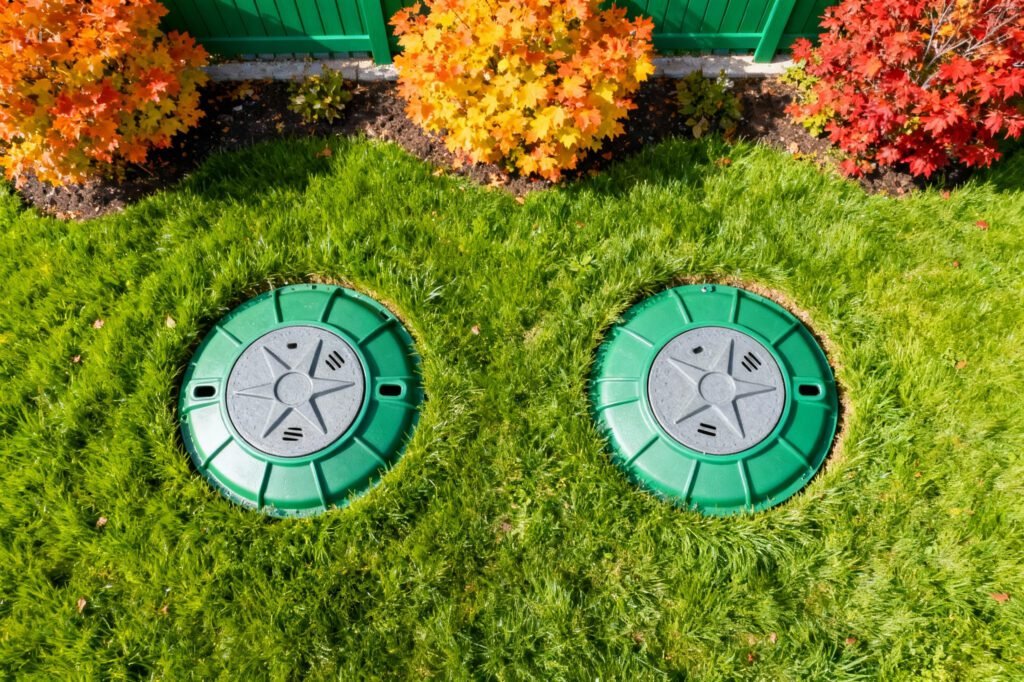
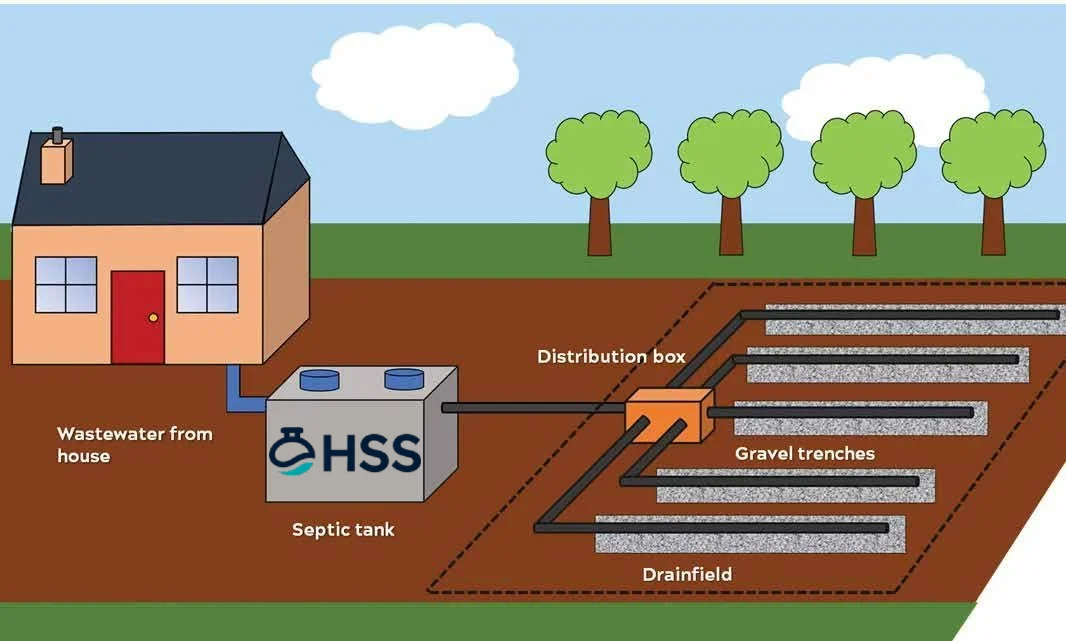
A septic system is an on-site wastewater treatment facility designed for locations where centralized sewer service is unavailable. The system collects, treats, and disposes of sewage using a combination of physical settling, biological digestion, and filtration through a buried tank and an absorption (drain) field. Proper septic system installation forms the foundation for effective, long-term wastewater management in residential, commercial, and rural settings. Each system’s scope encompasses initial design, construction, treatment processes, ongoing maintenance, and eventual renewal, all working together to uphold environmental safety and public health.
Historical Context and Evolution
Septic systems evolved from 19th-century cesspools to engineered tanks with drain fields, driven by increased understanding of microbiology and stricter environmental policies. By 2026, advances include enhanced biofilters, pressure-dosing technologies, and digital monitoring, extending system life and meeting tougher environmental standards. These innovations reflect modern priorities: groundwater protection, sustainability, and data-driven wastewater management.
The “Magic Triangle”: Interconnected Principles That Govern Success
Reliable septic system operation is built on three vital, interconnected pillars:
- Design: Correct system sizing and component selection tailored to site specifics and usage levels.
- Installation: Skilled installation following engineering plans and regulatory codes.
- Maintenance: Routine inspections, scheduled pumping, and timely repairs prevent failures.
Weakness in any area of this “magic triangle” reduces system performance and durability.
The Complete Classification System
Primary Types and Models
Septic system categories are defined by their treatment mechanisms and structural layout:
- Conventional Gravity Systems: Rely on gravity to move effluent from tank to drain field; common in residential settings with favorable soils.
- Pressure Distribution Systems: Use pumps to disperse effluent evenly in more challenging soils, supporting better treatment.
- Aerobic Treatment Units (ATUs): Inject oxygen for aerobic digestion, achieving effluent quality above conventional systems; suitable for sensitive areas.
- Mound Systems: Employ raised sand mounds for homes with shallow or poor-quality soils.
- Recirculating Sand Filters: Route effluent repeatedly through sand, maximizing contaminant removal in sensitive environments.
- Constructed Wetlands & Advanced Systems: Utilize natural or engineered bio-processes for specialized or high-standard applications.
Scale Variations: From Residential to Commercial Applications
Septic system scale depends on property type and wastewater volume:
- Residential: Serves single or multi-family homes (<1,000 gallons/day). Prioritizes affordability and simplicity.
- Commercial: For higher-flow businesses (restaurants, facilities) with robust designs and larger drain fields.
- Community/Cluster: Decentralized, shared systems for multiple homes or businesses in rural settings.
Each use case demands specific installation and maintenance strategies.
Regional/Climate-Based Adaptations
Design and installation must account for unique geographic and climate factors:
- Cold climates: Require deeper burial, insulation, or freeze-protection for tanks and lines.
- Wet/high water table areas: Necessitate advanced systems (e.g., mounds or pressure dosing) to avoid soil saturation.
- Arid zones: Favor water-saving fixtures and low-flow designs to maintain soil infiltration capacity.
See our dedicated discussion on Septic System Design by Region.
The End-to-End Lifecycle Framework
Phase 1: Initiation and Planning
Launch with site assessment, soil “perc” testing, system selection, permitting, and budgeting. Collaboration with engineers and authorities ensures plans meet environmental and legal standards. Thorough evaluation at this stage prevents future system issues.
Phase 2: Implementation and Execution
This phase covers excavation, tank placement, pipe and drain field installation, and initial system startup. Strict compliance with quality standards ensures reliable, code-compliant operation. Final inspection is required before backfilling.
Phase 3: Operation and Maintenance
Regular tank pumping (every 3–5 years), system inspections, effluent quality monitoring, and water usage management are crucial. Catching small issues early greatly reduces the risk of costly failure.
Phase 4: Optimization and Scaling
System upgrades (e.g., new pumps, advanced treatment units) and expansions can address changing household or business needs. Modern sensor technology and remote monitoring support timely, data-driven maintenance.
Phase 5: Renewal or Replacement
After 20–30 years, systems may need drain field rebuilding, equipment upgrades, or complete replacement to meet current codes and performance needs.
Key Stakeholders and Ecosystem Dynamics
Roles and Responsibilities Matrix
- Homeowners: Day-to-day care, scheduling service appointments, and record-keeping.
- Licensed Installers/Contractors: Execute installation and all repairs to code.
- Environmental Agencies: Issue permits, conduct inspections, and enforce standards.
- Engineers/Designers: Analyze sites and draft compliant system plans.
- Pumpers/Inspectors: Perform routine pumping, maintenance, and compliance checks.
Communication Protocols and Documentation Standards
Best practice is thorough documentation: site plans, inspection and pumping logs, approvals, and detailed maintenance records. This creates transparency for troubleshooting, resale, or compliance reviews.
Regulatory and Compliance Landscape
Septic systems fall under municipal, state, and federal oversight. Key requirements address effluent quality, siting/setbacks, and system construction. The U.S. EPA offers the national framework; always check with local agencies for specific standards.
Tools, Technology, and Performance Management
Essential Tools and Software Solutions
- Soil and site testing equipment (e.g., percolation testers, moisture meters)
- Sensors for tank levels, flow rates, and effluent quality monitoring
- Design/simulation software to optimize drain field and tank sizing
- Mobile apps and cloud platforms for scheduling, alerts, and digital record-keeping
Key Performance Indicators (KPIs) and Metrics Dashboard
- Effluent quality (BOD, TSS, fecal coliform)
- System uptime versus downtime
- Inspection and pumping intervals as compared to best practices
- Water usage in relation to system load capacity
Dashboards aggregating KPI data support proactive, informed decision-making.
Data-Driven Decision Making Framework
Using real-time metrics enables timely interventions—predicting overload, resolving minor issues before they escalate, scheduling upgrades, and extending overall system life.
Comparative Analysis and Strategic Decision Matrix
Side-by-Side Comparison Table
| Option | Best For Scenario | Advantages | Limitations | Cost Range | Skill Required |
|---|---|---|---|---|---|
| Conventional Gravity System | Standard residential properties | Low cost, simple | Requires suitable soil | $3,000 – $7,000 | Basic professional |
| Pressure Distribution | Challenging soil locations | Even effluent distribution | Higher installation complexity | $5,000 – $10,000 | Advanced expertise |
| Aerobic Treatment Units | High effluent quality required | Superior treatment | Regular energy use, higher cost | $10,000 – $20,000 | Specialized training |
| Mound Systems | High water table | Can be installed on poor soils | Large footprint | $10,000 – $25,000 | Skilled contractor |
| Recirculating Sand Filter | Sensitive environments | Enhanced pathogen removal | Maintenance intensive | $15,000 – $30,000 | Expert operation |
Risk Assessment and Mitigation Strategies
Common risks include:
- System overload from excessive water use
- Soil saturation or drain field failure
- Component or mechanical breakdown
- Groundwater or environmental contamination
Countermeasures: size systems appropriately, schedule routine service, use alarm systems, and always follow all regulatory codes.
Future Trends and Innovations
- Integration of IoT technology for real-time system health alerts
- Eco-friendly, modular system components improving ease of upgrade and replacement
- AI-driven design for optimized, site-specific septic layouts
- Wider adoption of advanced, low-impact treatment technologies
Implementation Roadmap and Resources
Actionable Checklist for Getting Started
- Perform comprehensive soil/site evaluation
- Secure all required local and state permits
- Select the septic system type best suited to your property
- Hire a licensed installer with proven experience
- Establish and maintain a routine service schedule
- Leverage monitoring tools and mobile apps for system oversight
- Plan proactively for renewal or system upgrades
Common Pitfalls and How to Avoid Them
- Neglecting local regulations: Confirm designs and obtain all permits before breaking ground.
- Overloading the system: Monitor and limit excessive water usage.
- Poor maintenance: Stick to an established inspection and pumping schedule.
- Using substandard materials/untested installers: Only select certified components and licensed, experienced contractors.
Recommended Next Steps Based on Your Goals
- Delve into our septic maintenance best practices
- Consult our guide to troubleshooting septic issues
- Learn about selecting the right system for your region
Reference Section
Key Takeaways and Summary
Proper septic system management begins with site-specific design and code-compliant installation, and is sustained by diligent inspection, scheduled pumping, and prompt repairs. Technology, evolving standards, and knowledge of local influences all play central roles in maintaining reliable, eco-friendly wastewater treatment and property value.
Complete Glossary of Terms
- Septic Tank: Primary, watertight vessel for settling and partial treatment of solids and wastewater.
- Drain Field (Leach Field): Subsurface soil area for dispersing and further filtering effluent.
- Perc Test: Test measuring soil permeability to determine septic system suitability.
- BOD (Biochemical Oxygen Demand): Indicator of organic matter and wastewater strength.
- Effluent: Treated liquid exiting the septic tank.
Frequently Asked Questions
- What are the key steps in septic system installation?
- Begin with soil/site evaluation, pursue system design and permitting, conduct excavation and tank placement, install piping/drain field, and complete final inspections per regulatory standards.
- How often should a septic system be maintained?
- Septic tanks typically require professional pumping every 3–5 years. However, frequency may increase with system usage or as recommended by your service provider.
- Can I install a septic system myself?
- Installation involves strict codes, environmental considerations, and specialized equipment. It should be performed by a licensed, certified professional.
- What are signs of septic system failure?
- Warning signals include slow drains, sewage smells, pooling water or saturated soil near the drain field, and household backup.
- How do I choose the right septic system type for my property?
- Key factors: your soil conditions, water table, property size, water demand, codes, and budget. Consult a qualified designer or contractor for a recommendation.
- Are there eco-friendly septic system options?
- Yes, such as aerobic treatment units, constructed wetlands, and systems with advanced recycling/filtration that minimize environmental impact.
- What is the typical lifespan of a septic system?
- Most well-maintained systems operate efficiently for 20–30 years before major renewal or replacement becomes necessary.
Further Reading and Authoritative Sources
- U.S. Environmental Protection Agency (EPA): Onsite Wastewater Treatment Systems
- National Small Flows Clearinghouse
- Journal of Environmental Engineering: Advances in Decentralized Wastewater Treatment (2025 Edition)
Ready to take the next step? Download our Actionable Septic System Planning Checklist and explore in-depth guidance on maintenance, troubleshooting, and renewal to protect your investment and the environment.

Leave a Reply