Quick Answer: Maintain your septic system by inspecting it each season, conserving water year-round, pumping it every 3–5 years, protecting components from winter freeze, and conducting spring tests for leaks and contamination. Following this schedule reduces failure risks and prolongs system life.
- Follow a seasonal schedule: spring inspection, summer conservation, fall pumping, winter protection.
- Annual pumping costs average $250-$500, far less than emergency repairs.
- Protect the drain field by monitoring for soggy areas and avoiding excess water flow.
- Always use safety gear and consult professionals when needed.
Table of Contents
Introduction: What You’ll Achieve and Why It Matters
Proper septic system care ensures your home’s wastewater treatment runs smoothly throughout the year. This guide outlines a practical, seasonal maintenance schedule to support optimal septic performance, prevent costly repairs, and protect your property and the environment.
By adopting this plan, you’ll minimize the risk of system failure and extend the lifespan of your septic system. Designed for homeowners with basic DIY skills, each task requires 1–3 hours. Annual septic system pumping typically costs $250–$500, depending on local rates—a wise investment compared to emergency repairs.
Preparation and Safety
Tools and Materials Checklist
- Protective gloves and safety goggles
- Flashlight or headlamp
- Garden hose for inspection flushing
- Inspection mirror
- Septic tank riser lid key or heavy-duty screwdriver
- Septic system water testing kit
- Antibacterial soap and cleaning supplies
- Notebook for recording inspection data
Safety Precautions and Protective Gear
Always wear gloves and goggles to prevent contact with bacteria and waste. Work only during dry weather to avoid slips and potential system damage. Never allow vehicles on the drain field to prevent soil compaction. If you notice strong odors or leakage, exit immediately and contact a professional.
Workspace Setup and Preparation
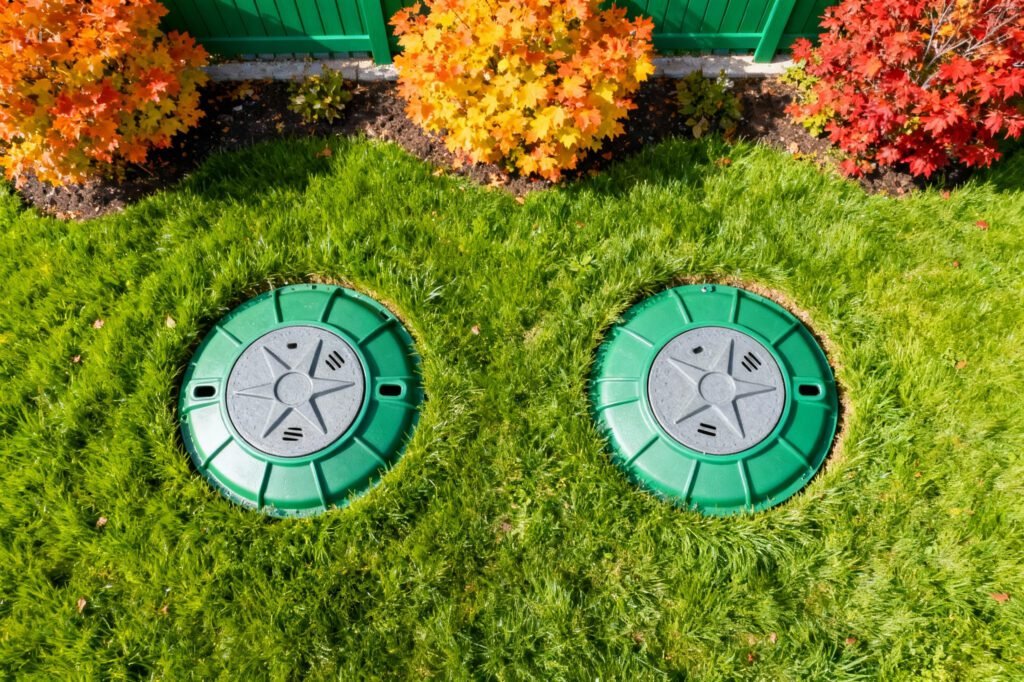
Clear all debris, vegetation, or objects from around septic tank lids and access points. Ensure the ground is stable and dry before working. Use flags or markers for easy identification of system components, and create a clear, safe path, keeping vehicles off the drain field at all times.
Step-by-Step Implementation Guide
| Season | Key Task | Description |
|---|---|---|
| Spring | System Inspection & Test | Inspect for leaks after snowmelt; test water for contamination. |
| Summer | Water Usage Conservation | Reduce water load with efficient fixtures and fixed leaks. |
| Fall | Schedule Pumping | Pump system before winter; remove solids, prevent overflow. |
| Winter | Freeze Protection | Insulate pipes/lids and avoid harsh chemicals or vehicles over system. |
Step 1: Inspect Your Septic System Manholes and Risers
Locate and carefully open your septic tank manhole or riser lids. With a flashlight and inspection mirror, check for cracks, odors, and sludge buildup. Record visible damage and note any standing water—it could indicate leaks or compromised tank integrity.
For further inspection details, see .
Step 2: Perform a Water Usage Conservation Check
Review household water habits carefully, especially in summer. High usage can overwhelm your system and disturb essential bacteria. Install water-efficient fixtures, fix any leaks, and promote conservative water use among all residents. This greatly reduces septic overload and enhances system longevity.
Learn more at .
Step 3: Schedule and Complete Septic System Pumping
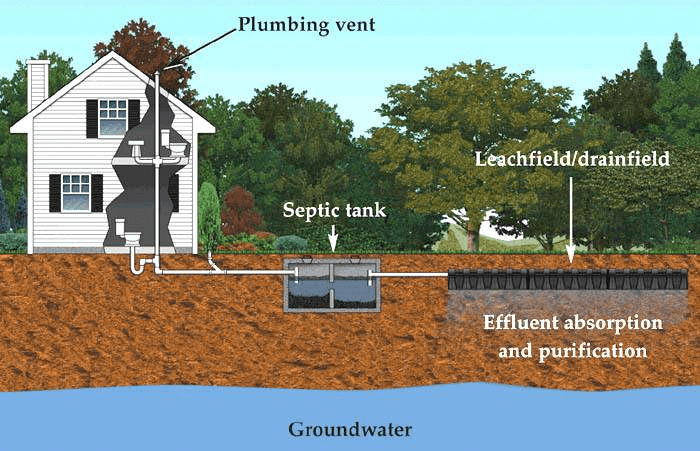
Based on tank size and household usage, most systems require pumping every 3–5 years. Schedule this with a licensed provider in fall to avoid winter access issues and overflow during cold. Proper pumping removes solids, preventing drain field clogs and protecting groundwater.
For more, see .
Step 4: Winter Freeze Protection Measures
Before the cold sets in, insulate exposed pipes and tank lids using insulation blankets or straw mulch. Do not use chemical drain cleaners or antibacterial agents that harm septic bacteria. Keep all vehicles and equipment off the drain field to prevent damaging soil and system pipes.
Step 5: Conduct a Spring System Inspection and Test
After thaw, inspect for saturated soil or lush plant growth over the drain field—both indicate possible system leakage. Use a water testing kit to check nearby wells or surface streams for nitrogen or bacteria. Early intervention in spring prevents summer issues.
Quality Control and Testing
How to Verify Success
Signs of a healthy septic system include no unusual odors, no backups in plumbing, no soggy areas around the system, and stable tank water levels. Routine inspections and scheduled pumping keep solids away from the drain field, preventing major clogs.
Testing Procedures and Metrics
- Quarterly: Use water testing kits to check for nitrates and coliform bacteria near wells.
- Each inspection: Measure sludge and scum layers—sludge should remain less than one-third of tank volume.
- Document every inspection and service in your maintenance notebook.
Troubleshooting Common Installation Issues
| Issue | Possible Cause | Solution |
|---|---|---|
| Backups in house | Excess water use, plumbing leaks, or clogs | Reduce water use, repair leaks, consult a pro. |
| Slow drains | Clogged pipes or failing drain field | Use bio-enzymes, schedule inspection. |
| Foul odors or wet areas outside | Leakage or overflow | Contact septic service professional promptly. |
Maintenance and Long-Term Care
Daily/Weekly Maintenance Tasks
- Monitor water usage and avoid heavy surges (e.g., laundry marathons).
- Check for slow drains or unusual odors each week.
- Use only septic-safe cleaners—avoid bleach and antibacterial products.
- Keep grass trimmed above drain field and prevent invasive roots.
Monthly/Quarterly Checks
- Ensure lid seals are tight and unaffected by weather or animals.
- Observe soil moisture above drain field for early problem signs.
- If close to wells or streams, run water tests quarterly.
- Review your service records to maintain a regular pumping schedule.
Signs of Wear and When to Replace
- Replace missing or damaged baffles immediately to maintain correct flow.
- Repair cracked tanks or lids to avoid leaks and contamination.
- If drain field repeatedly fails after repair, consider full system replacement.
For more details, visit .
Pro Tips and Advanced Techniques
Efficiency Hacks from Professionals
- Divert roof gutters and sump pumps to prevent excess water over the drain field.
- Use drip irrigation in gardens to avoid water pooling near system components.
- Conduct annual dye tests to detect hidden leaks or compromised pipes early.
Tools and Accessories Worth Investing In
- Septic tank riser lid key or opening tool for easy, safe access
- High-quality water testing kit for early contamination alerts
- Bacterial additives recommended by sanitation professionals
Customization and Adaptation Options
- Fit an effluent filter to trap solids before they enter the drain field.
- Install early warning alarms for tank levels and flow monitoring.
- Upgrade to advanced treatment systems if you have limited space or high water demand.
Frequently Asked Questions
How often should I schedule septic system pumping?
Most homes should pump their septic systems every 3–5 years, depending on usage and tank size. Prompt pumping removes solids and keeps your system healthy.
Can I perform septic system inspection myself?
Yes, with proper tools and safety gear, homeowners can inspect risers, check sludge depth, and monitor basic function. Leave pumping to licensed professionals.
What are signs that my septic system is failing?
Warning signs include slow drains, bad odors, backups, or soggy/green patches over the drain field. Contact a professional if you see these.
How does water conservation impact septic system maintenance?
Lower water use reduces stress on your septic system, helps maintain healthy bacterial activity, and prevents overload and premature failure.
Why is winter protection necessary for septic systems?
Freezing temperatures can damage pipes and disrupt system flow, leading to backups and costly repairs. Insulating and limiting use during cold spells prevents winter damage.
What should I do if I see standing water near my septic tank?
Standing water often indicates leaks or failure. Avoid using the system and call a professional for an inspection and proper repair.
Are chemical additives recommended for septic maintenance?
Most experts (including the EPA and National Onsite Wastewater Recycling Association) do not recommend chemical additives, which can harm beneficial bacteria. Use natural bio-enzymes if needed, following manufacturer directions.
How can I protect my drain field from damage?
Keep vehicles, livestock, and heavy machinery off the drain field. Control roots from trees and prevent water runoff from gutters or downspouts over the field.
External Resources
- Environmental Protection Agency (EPA) – Septic Systems Overview
- National Onsite Wastewater Recycling Association (NOWRA)
- Centers for Disease Control and Prevention – Home Septic Systems
Bottom Line: Set reminders for each seasonal task. Proactive septic system care ensures a healthy, long-lasting system—saving you from costly repairs and hassles. Commit to your annual schedule and protect your home, family, and environment.

Leave a Reply