Quick Answer: Septic system jetting (hydro jetting) uses high-pressure water to clear clogged septic pipes, restore flow, and prevent costly system failures. If you notice slow drains, sewage odors, or water pooling near your drain field, prompt jetting by a professional helps resolve blockages from roots, sludge, and grease without harsh chemicals.
- Clogged septic lines cause backups, odors, and possible system failure.
- Jetting uses water pressure (3000–4000 psi) to break up roots, sludge, and grease.
- DIY jetting is possible but risks expensive damage—professional service is safest.
- Routine jetting every 3–5 years prevents future obstructions and ensures system health.
- EPA and wastewater experts recommend regular septic inspections and maintenance.
Table of Contents
Recognizing the Septic System Jetting Problem
Clogged septic system lines are a serious and surprisingly common challenge for homeowners, leading to slow drains, sewage backups, foul odors, and even standing water in the yard. When the drain field or distribution box becomes obstructed, wastewater cannot flow properly, creating both inconvenience and unsanitary conditions. Without swift intervention, these issues can escalate—sometimes resulting in expensive repairs or even complete septic system failure.
The Environmental Protection Agency (EPA) estimates that 10–20% of individual septic systems become impaired each year due to clogs and lack of maintenance. Septic system jetting is a proven and effective method for clearing such blockages and restoring normal function. Recognizing when jetting is needed and acting quickly can save you significant hassle, expense, and health risks.
Root Cause Analysis: Why This Happens
Primary Causes
| Cause | Description |
|---|---|
| Accumulation of Solid Waste and Sludge | Solids escape the septic tank and settle in inlet or outlet pipes, gradually blocking flow. |
| Root Intrusion | Tree roots penetrate distribution boxes and drain field pipes, causing severe blockages. |
| Grease and Biofilm Build-up | Fats, oils, and microbial slime coat the inner pipe walls, narrowing passageways. |
| Mineral Deposits and Corrosion | Hard water or chemical reactions cause pipe constriction and buildup over time. |
| Improper System Use | Flushing non-biodegradable items or overloading with wastewater causes solids migration. |
Contributing Factors
- Irregular or skipped septic system cleaning
- Poor soil drainage slowing effluent dispersal
- Aging or damaged piping material
- Heavy compaction over drain field (e.g., parking vehicles)
Diagnostic Self-Assessment Quiz
- Do you notice slow-draining sinks or tubs—or backups in multiple locations?
- Is there a sewage-like odor around the septic tank or drain field?
- Is your drain field area persistently soggy or pooling water, even after dry weather?
- Has it been over 3 years since your last septic pumping or cleaning?
Answering “yes” to most of these may indicate clogged lines needing jetting.
How to Identify Your Specific Cause
Determine if you are dealing with root intrusion, sludge buildup, or grease by systematically evaluating the type and location of the symptoms. Consult a professional for inspection when in doubt.
Solution Framework: Tiered Approach
Tier 1: Immediate Emergency Fixes
- Apply enzyme-based drain cleaners (organic blockages only, temporary fix)
- Use mechanical snaking to clear superficial blockages
- Pump septic tank to temporarily reduce load on lines
Tier 2: Medium-Term Solutions
- Septic system jetting: Use a high-pressure water jet to clean pipes and break up hardened sludge or roots
- Replace/repair accessible sections of clogged piping
- Install root barriers to prevent future infiltration
Tier 3: Long-Term/Professional Solutions
- Full video inspection of lines to diagnose the true extent of the problem
- Comprehensive drain field rehabilitation or replacement
- Upgrade to advanced septic systems with effluent filters and pretreatment
Step-by-Step Implementation Guides
Solution A: Septic System Jetting – Complete Instructions
- Inspection: Locate and ensure access to the clogged lines via the appropriate cleanout or access port.
- Preparation: Clear area of obstacles and ensure you wear protective gear (gloves, goggles).
- Equipment Setup: Connect a high-pressure water jetting hose to the access port.
- Jetting Process: Insert nozzle and steadily advance while activating water (typically 3000–4000 psi), allowing the jet to scour away solids, grease, and roots.
- Verification: Remove hose, flush system with clean water, and check that water flows freely through pipes.
- Cleanup: Sanitize equipment and ensure cleanout ports are securely sealed.
Solution B: Alternative Fix – Mechanical Snaking with Root Cutting
- Access the clogged pipe through the cleanout.
- Insert a mechanical auger or powered root-shear tool to break up blockages or cut roots.
- Rotate and advance the snake to dislodge obstructions.
- Flush pipes with water to remove debris.
Note: Mechanical snaking is less effective than jetting for dense, hardened sludge or widespread blockages.
Solution C: Professional Option – Full Line Video Inspection and Repair
- Certified technicians insert a video camera to evaluate the entire line condition.
- The expert recommends the next steps: jetting, repair, or replacement.
- Expect a detailed report and a service warranty from reputable providers.
Prevention Strategies: Ensuring It Never Happens Again
Daily/Weekly Preventive Measures
- Avoid flushing non-biodegradable materials or grease down any drain.
- Stagger laundry and dishwashing to prevent overwhelming the system.
- Use bio-enzymes monthly to promote natural waste breakdown.
Monthly/Quarterly Maintenance Tasks
- Inspect and clear surface drains around the septic system and drain field.
- Schedule septic tank pumping every 2–5 years, per EPA recommendations.
- Check cleanout and access port seals for integrity.
Early Warning Signs Monitoring
- Watch for slow drainage or frequent backups
- Look for persistent, foul odors near your drain field or tank
- Listen for gurgling or bubbling in plumbing (potential blockages or venting issues)
Environmental/Usage Modifications
- Avoid parking or placing heavy structures on your drain field to prevent soil compaction
- Plant only grass or shallow-rooted plants above septic lines
- Consider upgrading to water-efficient fixtures for reduced loading and longer system life
Cost Analysis: DIY vs. Professional
DIY Cost Breakdown
| Item | Estimated Cost |
|---|---|
| Jetting Equipment (rental/purchase) | $150–$300 |
| Chemical/Enzyme Cleaners | $20–$50 |
| Your Time | 2–4 hours |
| Risk of Damage | Potentially high for inexperienced users |
Professional Service Cost Ranges
| Service | Typical Cost |
|---|---|
| Septic system jetting | $300–$600 per session |
| Full line video inspection | + $150–$300 |
| Pipe or field repairs | Varies (often $1,000+ for major repairs) |
Insurance and Warranty Considerations
- Most homeowner insurance policies exclude septic system failure. Review coverage specifics.
- Reputable professionals offer warranties for jetting and repair work.
- Keep maintenance records to support warranty claims or insurance discussions.
Success Verification and Quality Assurance
How to Know the Problem is Truly Solved
- All fixtures drain freely with no backups
- No unpleasant odors or wet spots near septic tank/drain field
- Consistent performance even under extended water use
Testing and Validation Procedures
- Perform dye testing to verify outlet flow post-jetting
- Request a video line inspection for assurance all blockages are cleared
- Monitor tank scum/sludge levels regularly to maintain healthy operation
Follow-up Schedule
- Reinspect and consider jetting every 2–3 years—or as recommended after professional evaluation
- Continue routine septic pumping to prevent future buildups
When All Else Fails: Escalation Path
Red Flags Requiring Immediate Professional Help
- Sewage backing up into your home fixtures
- Drain field remains saturated and foul-smelling after cleaning
- Evidence of pipe collapse or structural septic tank damage
- Signs of widespread contamination in your yard or groundwater
How to Find and Vet the Right Professional
- Choose licensed septic system specialists with verified reviews
- Confirm technician is certified, insured, and experienced specifically in septic jetting
- Request written estimates and details of all warranties before proceeding
Questions to Ask Before Hiring
- What exact jetting equipment and pressure levels do you use?
- Can you provide evidence of successful similar projects?
- Is a video pipe inspection included before and after?
- What warranties or guarantees are included with service?
- What steps are taken to ensure environmental safety and proper waste disposal?
Frequently Asked Questions
- What is septic system jetting?
- Septic system jetting (hydro jetting) uses high-pressure water streams to remove clogs and clean out septic tank inlet/outlet pipes, distribution boxes, and drain field laterals.
- How often should I jet my septic system lines?
- For most homes, jetting is recommended every 3–5 years, or as determined by a professional during inspection, especially if you’ve experienced prior clogs.
- Can I do septic system jetting myself?
- DIY jetting is possible with rented equipment, but improper technique can damage pipes—professional service is safer and more effective for most homeowners.
- Will jetting damage my septic drain field?
- When performed correctly by trained professionals, jetting is safe; however, excessive pressure can harm older or fragile pipes, so expertise matters.
- How is septic jetting different from pumping?
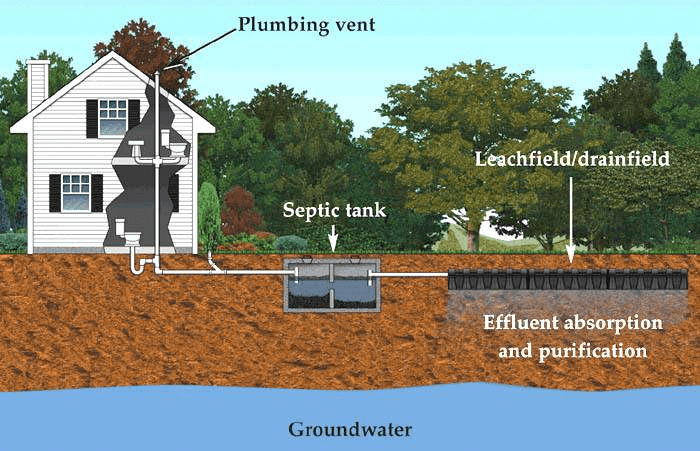
- Pumping removes solids from the tank; jetting clears the pipes that connect the tank to the drain field. Both are often needed for full maintenance.
- What are signs that my septic drain field is clogged?
- Symptoms include slow draining fixtures, pooling/soggy water over the field, persistent odors, and occasional sewage backups.
- Can tree roots be removed by jetting?
- Yes, high-pressure water jets break up and remove roots from pipes. Severe root invasions may still need pipe repair or replacement.
- How long does septic system jetting take?
- Most jetting projects require 1–3 hours, depending on the size of your system and extent of the blockage.
- Is septic system jetting environmentally safe?
- Jetting involves only water—no harsh chemicals—making it safe for your soil and groundwater when done by professionals.
- What should I do after jetting my septic system?
- Avoid heavy water use for 24 hours and schedule regular system maintenance to prevent new blockages.
Further Reading & Resources
- EPA: Septic Systems Overview
- NOWRA: Septic Maintenance Tips
- HomeAdvisor: Septic System Cleaning Costs
Related Articles
Bottom line: For persistent septic system clogs, hydro jetting is the safest and most effective option for restoring full function and protecting your property. For best results—and to avoid costly mistakes—hire a certified specialist and commit to regular maintenance. Wondering if jetting is right for your home? Request a professional septic inspection today!

Leave a Reply