Quick Answer: To detect septic system leaks, add septic-safe fluorescent dye to your tank or plumbing, run water to activate system flow, and inspect the yard, drain field, and near surface water for dyed leaks within 24-48 hours. If dye appears where it shouldn’t—or if results are unclear—consult a professional for advanced inspection.
- Dye tests offer a quick, safe preliminary way to spot septic leaks, but cannot diagnose all issues.
- Always prioritize personal safety—use proper protective equipment and avoid unsafe conditions.
- Keep thorough documentation as you proceed for better diagnosis and when consulting a professional.
- Heavy rain or saturated soil can skew results—test on dry days.
- Promptly escalate to experts if tests suggest serious leaks or structural problems.
Table of Contents
Are you noticing unexplained odors, soggy spots in your yard, or slow drains in your home? These could be warning signs of a septic system leak—a costly and hazardous problem if left unchecked. A fluorescent dye test is one of the fastest, most accessible ways for homeowners to diagnose common septic troubles before they escalate. But how does this work, and when should you stop DIY and call in the pros? This guide walks you through every step, from safety preparation to interpreting test results and knowing when to seek expert help.
Systematic Troubleshooting Philosophy
A systematic approach is critical when diagnosing septic system leaks. Rushing or skipping steps can expose you to contaminants, cause misdiagnosis, or mask larger issues. Always employ careful observation, logical evaluation of symptoms, and strict adherence to safety protocols.
Safety first: Use protective gear, avoid contact with exposed electrical components, and recognize that septic tank gases are toxic. While DIY dye testing is a valuable first step, understand its limitations—it indicates leak zones but not exact locations or the severity of all problems. If you suspect major damage or encounter hazardous conditions, halt your efforts and contact a certified septic specialist. Professional inspection often requires equipment and expertise beyond homeowner reach.
Quick Symptom Index
| Symptom | Possible Causes | Jump Link |
|---|---|---|
| Slow draining drains | Drain field clogging; tank blockage | Common Issues and Solutions Catalog |
| Strong sewage odors near yard | Septic tank cracks; drain field leaks | Common Issues and Solutions Catalog |
| Water pooling near drain field | Drain field failure; pipe leaks | Common Issues and Solutions Catalog |
| Dyes appearing in surface water | Septic tank cracks; drain field failure | Advanced Diagnostic Techniques |
| Electrical system failures related to pump | Pump malfunction; wiring damage | Common Issues and Solutions Catalog |
| Unexpected sewage backups | Blocked pipes; cracked tank | Diagnostic Decision Trees |
Diagnostic Tools and Preparation
Essential Tools for Diagnosis
- Fluorescent dye tablets (septic-safe, certified for wastewater diagnostics)
- Water-resistant flashlight
- Basic hand tools: wrench, screwdriver
- Multimeter for electrical tests
- Bucket and measuring jug
- Camera or phone for evidence capture
Required Safety Equipment
- Protective gloves (nitrile or rubber)
- Safety goggles
- Dust mask or respirator (for tank opening work)
- Waterproof boots and long sleeves/pants
Preparing the Testing Environment
- Select a dry day for accurate dye tracing.
- Work in a well-ventilated area, never alone near open tanks.
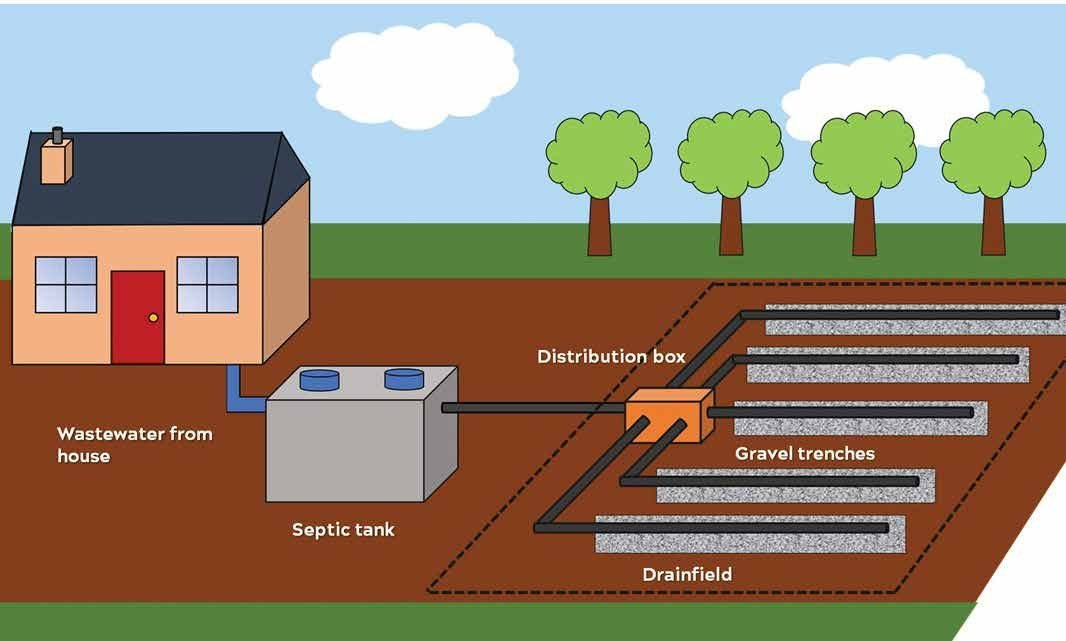
- Locate septic tank and drain field access points.
- Keep children and pets away from work areas.
- Stay clear of live electrical systems unless qualified.
Documentation Template
- Date/time of test
- Current weather
- Observed symptoms
- Dye product and amount used
- Where dye was added
- Where dye (if any) appeared
- Observation times for dye travel
- Odors, noises, anomalies, follow-up
Common Issues and Solutions Catalog
Performance Problems
Slowly draining fixtures usually mean a blocked drain field or overloaded tank. Start by adding dye near the tank outlet; monitor the drain field for dye breakthrough within 24–48 hours. If dye doesn’t emerge, blockages or saturated soils may be to blame—solutions may include tank pumping or mechanical pipe cleaning.
Noise Issues
Gurgling sounds indoors or around the tank often point to vent obstructions or pump malfunctions. Use a multimeter to safely inspect electrical controls. Noticing strange noises during rainfall? The drain field may be over-saturated and could need professional attention.
Leakage Problems
Pooling water or especially lush grass signals possible leaks or system overload. Add fluorescent dye and watch for color surfacing around suspected leaks. If dye appears on the soil or in surface water, immediate repair or drain field replacement is required to prevent contamination.
Electrical/Failure Issues
Issues with pump stations, alarms, or aerators mean inspecting electrical controls with a multimeter. Frequent cycling signals possible clogged float switches or faulty panels. Electrical repairs should be left to licensed technicians to avoid risk of shock or non-code-compliant fixes.
Advanced Diagnostic Techniques
Using Multimeters and Electrical Test Equipment
- Check voltage, current, and resistance on pump/control panels.
- Test circuit breakers and wire continuity.
- NEVER test when standing in water or during wet conditions.
Pressure Testing and Leak Detection
Low-pressure air or water can detect pipe leaks/blockages; always follow equipment guidelines. Leak detection dye clarifies the migration path of escaping water.
Software & App Diagnostic Tools
Some modern systems allow mobile/controller app integration to monitor pump cycles, alarms, and system status, aiding early detection and remote diagnostics.
Interpreting Error Codes & Signals
- Check control panel manuals for flashing codes or alarms.
- Follow manufacturer diagnostic sequences before repairs.
Diagnostic Decision Trees
Flowchart 1: Addressing Slow Drainage
- Notice slow drains →
- Check tank level (visual/manual) →
- Add dye to tank outlet →
- Observe drain field for dye—
- If dye appears on surface or in unexpected locations, address leak/blockage.
Flowchart 2: Responding to Odor Complaints
- Strong odor near home/yard →
- Inspect tank lid integrity →
- Dye test for tank or pipe cracks →
- Check vent system function →
- Escalate if leak is suspected.
Flowchart 3: After Heavy Rainfall
- Excess yard water or soggy soils →
- Inspect for pooling and dye traces →
- Check if pumping schedule needs adjustment →
- Initiate preventative maintenance as required.
Parts Replacement and Repair Guide
Common Replacement Parts
- Pump float switches
- Effluent filters
- Fuse or circuit panel boards
- Drain field piping
- Tank riser lids & seals
Sourcing Quality Parts
- Purchase only from licensed septic supply distributors or authorized dealers
- Check compatibility with your system and local regulations
- Reference NSF, EPA, or manufacturer ratings whenever possible
- Use reviews for online sources, but verify credentials
Step-by-Step Replacement Process
- Turn off power at breaker to tank/pump.
- Remove access cover; document and examine issues.
- Cautiously extract failed or faulty part using correct tools.
- Install new part to manufacturer specs and torque ratings.
- Restore power, confirm operation, reinstall covers securely.
Testing After Repair
- Repeat dye test for leaks.
- Check for correct electrical operation and alarms.
- Monitor odor and flow for several days post-repair.
- Document all findings.
Escalation Protocol: When to Call a Pro
Safety Red Flags—Seek Immediate Help If:
- You experience dizziness, severe odors, or possible exposure to hydrogen sulfide or methane.
- Electric panels spark, shock, or trigger breakers.
- Tank shows signs of collapse or surface water contamination near wells.
Complexity Indicators
- Electrical issues you can’t safely test with a multimeter
- Unclear leak source even after dye tracing
- Simultaneous multiple component failures
- Considering drain field replacement or major excavation
DIY vs. Professional Cost-Benefit Analysis
- Continued DIY after significant failures or with outdated equipment can cost more than a professional fix or result in code violations.
- Licensed pros can ensure fast, proper repair—and guide upgrades or permitting.
Preparing for a Professional Call
- Have your test logs, photos, and observed symptoms on hand.
- Ensure site is accessible and hazards (pets, children, obstacles) are removed.
- Mark or describe suspected leak zones from dye testing.
- Provide system diagrams or previous records if available.
Preventive Maintenance Schedule Integration
Why Regular Maintenance Matters
Proactive inspection and tank pumping help prevent solids buildup, protect drain field health, and stop leaks before they start. Schedule check-ups every 3–5 years, or as your system and household size requires.
Early Detection & Monitoring Add-Ons
- Install alarm monitors to detect tank overflows, high water, or pump failure.
- Monitor water consumption to catch unusual spikes signaling leaks.
Seasonal Maintenance Tips
- Check before rainy seasons for drain field saturation risks.
- In cold climates, make sure lids and exposed pipes are insulated.
Frequently Asked Questions
How does a dye test detect septic system leaks?
A fluorescent, septic-safe dye is added to the tank or piping. As you run water, the dye will flow through and, if leaks exist, become visible in the soil, surface water, or unexpected plumbing points—pinpointing where effluent is escaping.
Is dye testing safe for my septic system?
Yes—if you use dye tablets specifically designed for septic diagnostics. These products are non-toxic and do not disrupt tank bacteria or water quality.
How long does it take for dye to show in case of a leak?
Usually, the dye will appear within 24–48 hours if there’s a leak. Wet soil, cold temperatures, or heavy usage can slow or speed up test results.
Can a dye test identify all septic system problems?
No—dye tests reveal leaks and flow paths but not tank fullness, pump electrical issues, or detailed pipe damage. For a comprehensive diagnosis, professional assessment may be required.
When should I call a septic professional?
If dye appears outside the drain field or in surface water, if electrical alarms trigger, or if you find structural tank/piping damage, stop DIY immediately and contact a licensed inspector.
Can I test my septic system during rainy weather?
Avoid dye testing during rains, as saturated soils dilute dye and hide leaks—leading to inaccurate or inconclusive results. Wait for dry conditions.
How often should I check my septic system for leaks?
Get a professional inspection every 1–3 years. You may conduct a dye test once a year or anytime you note suspicious symptoms.
| Resource | Purpose | URL |
|---|---|---|
| EPA Septic Systems Guide | Authoritative system maintenance, regulations, safety | EPA Guide |
| NAWT | Professional standards and technician directory | NAWT |
| CDC Septic System Safety | Health hazards and safety guidance | CDC Septic Safety |
Key Takeaways
- A fluorescent dye test is a non-invasive, cost-effective way to check for septic system leaks—but it’s only the first step in comprehensive troubleshooting.
- Strict attention to personal safety and accurate documentation are essential throughout the process.
- Routine preventative maintenance and professional inspections remain the best defense against major septic failures and costly repairs.
- If in doubt, consult trained septic service professionals—acting early can mitigate health, legal, and property risks.
Ready to safeguard your property? Learn more about preventive septic system maintenance or find out when to call an expert for peace of mind.

Leave a Reply