Quick Answer: To safely landscape over your septic drain field, restrict planting to shallow-rooted grasses, keep heavy traffic and vehicles off the area, and regularly inspect for signs of trouble such as soggy patches or odors. Avoid trees, deep-rooted shrubs, and soil compaction to protect your septic system’s functionality and longevity.
- Never plant trees or deep-rooted shrubs over or near the septic drain field.
- Limit foot and vehicle traffic to prevent soil compaction.
- Opt for shallow-rooted, septic-safe grasses and ground covers.
- Regularly monitor and maintain your system for early signs of issues.
- Professional help is often required for drain field repairs and root intrusion problems.
Table of Contents
Did you know that nearly 10% of septic systems in the U.S. fail annually, often due to landscaping mistakes? If you want to enjoy a beautiful, functional yard while protecting your home’s unseen but vital infrastructure, knowing how to landscape safely over and around your septic system drain field is essential. Damage from deep roots, compacted soil, or careless gardening can threaten your septic system—leading to costly repairs, health problems, and property devaluation. Here’s how to achieve lush landscaping without risking your drain field.
Understanding the Risks of Landscaping Over Septic Drain Fields
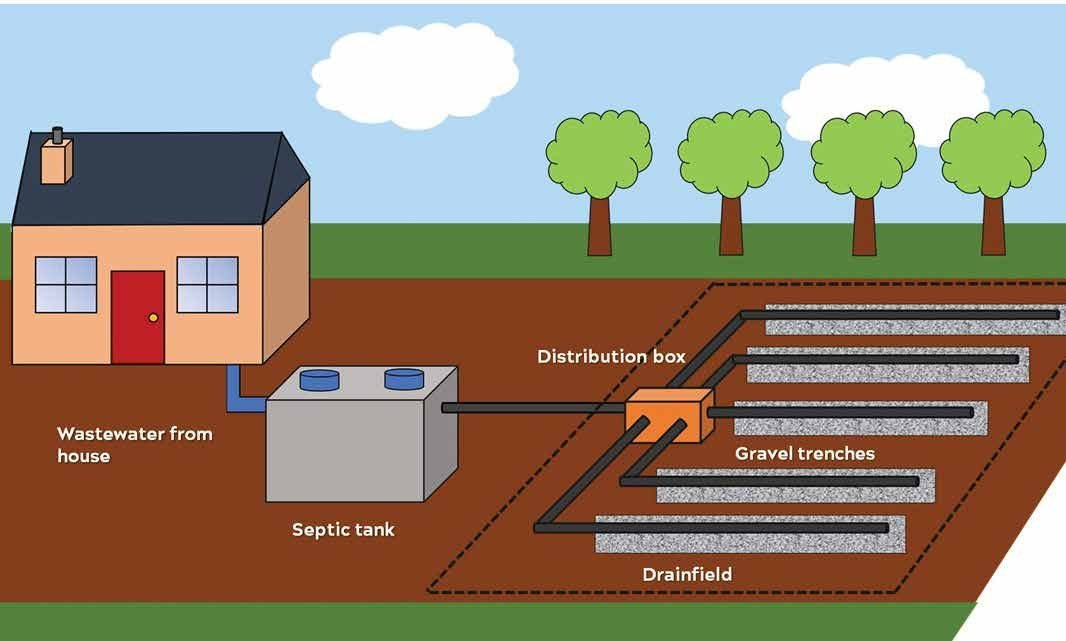
Landscaping over and around your septic drain field can be tricky. The drain field (or leach field) disperses treated wastewater safely into the soil. Improper planting, construction, or heavy traffic can damage these vital components, causing backups and environmental hazards.
System failures often result from landscaping errors, and the consequences—odors, pooling water, or sewage backups—are both disruptive and expensive. According to the EPA, failed drain fields are a common cause of septic issues in U.S. homes.
Root Cause Analysis: Why Drain Field Damage Happens
Primary Causes
- Root Intrusion: Tree and shrub roots seek out septic pipes and drain fields, clogging or breaking them over time.
- Soil Compaction: Vehicles, heavy equipment, or even repeated foot traffic compact the soil, reducing its permeability and blocking wastewater flow.
- Inappropriate Plant Selection: Deep-rooted or aggressive plants and shrubs disrupt or invade system components.
- Improper Drain Field Placement: Drain fields under or near landscaped areas with trees or vehicle activity are at greater risk.
- Poor Maintenance: Skipping routine inspection and pumping lets damage from above quickly escalate into costly failures.
Factors That Make It Worse
- Excess water use or overloading your system
- Soil erosion exposing pipes or field components
- Applying chemical fertilizers/pesticides that harm essential soil microbes
Self-Assessment: Is Your Landscaping Harming Your Septic System?
- Are there wet, mushy, or overly green patches in your yard?
- Do you smell foul odors around the tank or drain field?
- Have you planted trees or large shrubs on the drain field?
- Do you drive or use heavy equipment over the area?
- Has it been more than 3–5 years since your last system inspection?
If you answered “yes” to any of these, your landscaping may be risking septic system damage.
Tiered Solution Framework for Drain Field Landscaping
| Tier | Actions | When to Use |
|---|---|---|
| Tier 1: Emergency | Stop all traffic over the area Reduce indoor water use Remove visible invading roots | Signs of immediate damage (soggy patches, odors, backups) |
| Tier 2: Medium-Term | Replace risky plants with shallow-rooted species Aerate compacted soil carefully Schedule an inspection and possible pumping | If early damage or improper landscaping is detected |
| Tier 3: Long-Term | Hire licensed professionals for repairs or mapping Install root barriers if needed Plan future landscaping with clear drain field boundaries | For persistent or advanced drain field damage |
Step-by-Step Landscaping and Repair Guides
Solution A: Replanting with Septic-Safe Grasses & Shallow-Rooted Plants
- Locate and mark drain field boundaries using your septic map or a pro inspection.
- Remove existing deep-rooted trees, shrubs, or thick ground covers.
- Aerate soil gently to reduce compaction (avoid damaging pipes).
- Choose climate-appropriate, shallow-rooted grasses (e.g., fescue, ryegrass, clover) or native septic-safe ground covers.
- Plant and water moderately—do not overwater.
Solution B: Soil Aeration and Compaction Relief
- Keep all foot/vehicle traffic off drain field during repairs.
- Use a manual or mechanical aerator to gently perforate the soil (do not till deep).
- Topdress with a thin layer of sand or compost for improved drainage.
- Monitor for proper drainage before restoring traffic or watering as usual.
Solution C: When to Call a Professional & What to Expect
- Professional evaluates with inspection (camera, probes); reports condition.
- Repairs may involve partial/full field replacement, pipe repairs, or root barrier installs.
- Restoration with approved landscaping and clear documentation for insurance.
- Costs and timelines are provided in detail with proper permits and warranties.
Prevention Strategies: Keeping Your Drain Field Healthy
Daily/Weekly Preventive Steps
- Keep all vehicles and heavy equipment off the area at all times.
- Avoid sudden spikes in water use; stagger laundry and dishloads.
- Walk the yard and watch for wetness, smells, or lush grassy spots.
Monthly/Quarterly Maintenance
- Mow using lightweight equipment only.
- Inspect for new tree or shrub root encroachment.
- Schedule regular septic inspections and pumpings (every 3–5 years).
Early Warning & Monitoring
- Keep a yard condition log (note odors, soggy spots, abnormal growth).
- Test drainage after rain or dry spells with simple percolation checks.
- Use a checklist to spot potential system distress early.
Environmental & Usage Modifications
- Use only approved shallow-rooted plants over the field (see landscaping basics).
- Add rainwater diversion to prevent field saturation.
- Refrain from using fertilizers or pesticides near your drain field.
Cost Analysis: DIY vs. Professional Septic Landscaping
| Option | Typical Costs | Considerations |
|---|---|---|
| DIY | Soil aerator rental: $20–$100 Grass seed or approved plants: $50–$150 4–8 hours per typical yard | Risk of damaging pipes if area not clearly marked or techniques not followed |
| Professional Services | Inspection & pumping: $250–$500 Drain field repair: $3,000–$10,000 Root barrier install: $1,000–$3,000 | Licensed, insured, often covered by limited warranties |
Insurance, Warranty, and Documentation Tips
- Many homeowner policies don’t cover landscaping-induced drain field damage—ask your provider.
- Keep records of inspections and repairs to support any claims.
- Professional repairs are typically warrantied for labor/materials; DIY fixes are not.
Success Checks: Confirming Your Drain Field is Protected
How to Know It’s Fixed
- Even, healthy grass (no bare, wet, or exceptionally green spots)
- No sewage smells; clean drainage across the field
- Clean bills of health in professional inspection reports
Recommended Testing & Monitoring
- Soil percolation tests confirm water absorption
- Visual checks and simple moisture tests
- Prompt re-inspection after any significant weather or landscaping changes
Follow-Up Schedule
- Inspect drain field at least twice a year for signs of stress
- Pump tank every 3–5 years
- Adjust plant care and mowing routines based on seasonal growth
When All Else Fails: Escalation Path
Red Flags for Immediate Professional Help
- Standing water or floods over field, despite reduced household water usage
- Persistent sewage odors—inside or out
- Clogs, backups, or slow drains signal field/pipeline failure
- Visible soil collapse, exposed pipes, or surface erosion
How to Find & Vet a Trusted Septic Pro
Refer to our local septic service guide for tips on selecting licensed, experienced, and insured professionals. Always check references and confirm qualifications before hiring.
- Ask about licensing, insurance, and recent references
- Clarify their experience with drain field and root issues
- Understand proposed warranties and follow-up procedures
- Request itemized quotes and permit documentation
Frequently Asked Questions (FAQs)
Can I plant trees over my septic system leach field?
No. Trees should never be planted over or near septic drain fields. Their deep roots can clog or break drain pipes, leading to costly damage and repairs.
What are the “do’s and don’ts” for landscaping over a septic field?
Do use shallow-rooted grasses and perennials; don’t plant deep-rooted shrubs or use heavy machinery. Always avoid soil compaction and unnecessary digging over the field.
How often should my septic system be maintained?
Every 3–5 years, schedule professional inspections and pumping to maintain healthy septic function and protect the drain field.
Does soil compaction really harm my septic drain field?
Yes. Compacted soil blocks wastewater movement, leading to backups and possible system failure.
Is it safe to grow vegetables over my septic field?
No. Homegrown food over a septic field may be exposed to contaminants and is not safe to eat.
What are failure warning signs for my drain field?
Poolings of water, unpleasant odors, slow indoor drains, and patches of unusually green or lush grass indicate likely failure.
What root depth is safe for grass planted over a septic system?
Select grasses with roots shorter than 6 inches to avoid system intrusion and damage.
How do I prevent roots from nearby trees invading my drain field?
Keep all trees well away from drain fields. For existing trees, ask a professional about installing root barriers.
Can I park on my drain field?
No. The weight of vehicles compacts soil and can crush septic pipes and components.
What should I do if I suspect landscaping damage to my septic system?
Stop harmful actions (remove traffic, limit water use), then contact a licensed specialist immediately for assessment and repair planning.
Helpful Resources & Further Reading
- Environmental Protection Agency – Septic Systems
- National Association of Wastewater Transporters
- USDA – Soils and Drainage
- How to Maintain Your Septic System for Long-Term Use
- Selecting the Right Plants for Your Yard: Landscape Design Basics
- Local Septic Service Providers: Find and Vet Professionals
- Soil Compaction: Causes, Effects, and Solutions
- DIY Septic System Inspections: What You Can Do
Key Takeaways
Landscaping over and around your septic system drain field takes careful planning, plant selection, and a commitment to gentle use of the land. Avoid trees, deep-rooted plants, and vehicles; use only shallow-rooted, septic-safe species above your field. Regular inspection and smart daily routines ensure your landscaping won’t put this critical system at risk. When in doubt, consult professionals and rely on proven, eco-friendly strategies for a beautiful yard and a healthy septic system.
- Never allow trees, heavy machinery, or constant foot traffic over the drain field.
- Opt for shallow-rooted grasses, maintain regular inspections, and act quickly on warning signs.
- Professional assistance is best for major repairs or root intrusion issues.
Ready to protect your septic system and revive your yard? Find a trusted local septic pro or explore our full maintenance guide to stay problem-free!

Leave a Reply