Quick Answer: A leach line is a perforated pipe installed within a septic system’s drain field, responsible for distributing effluent from the septic tank into the surrounding soil. Properly installed and maintained leach lines allow for natural filtration, prevent overloading, and protect both household plumbing and groundwater. Ensure professional installation per local codes, and inspect leach lines annually to maximize lifespan (20–30 years typical).
- Leach lines are perforated pipes in the septic drain field that release and filter effluent into the soil.
- Proper design, installation, and maintenance are crucial for septic system longevity and environmental protection.
- Common problems include clogs, saturated soil, root intrusion, and soil compaction—early detection prevents costly repairs.
- Follow EPA, local regulations, and professional guidelines for installation and inspection.
Table of Contents
Did you know a single clogged leach line can jeopardize your entire septic system? If you rely on a septic system where municipal sewer isn’t available, understanding how leach lines work—along with their care and troubleshooting—could save you thousands in future repairs. As the hidden workhorses of your drain field, leach lines manage wastewater’s final treatment step, safeguarding your home and the environment. This article explains what leach lines are, how they function, and the best ways to implement, troubleshoot, and maintain them for long-lasting system performance.
Understand Leach Lines for Septic System Efficiency
Define Each Component Clearly
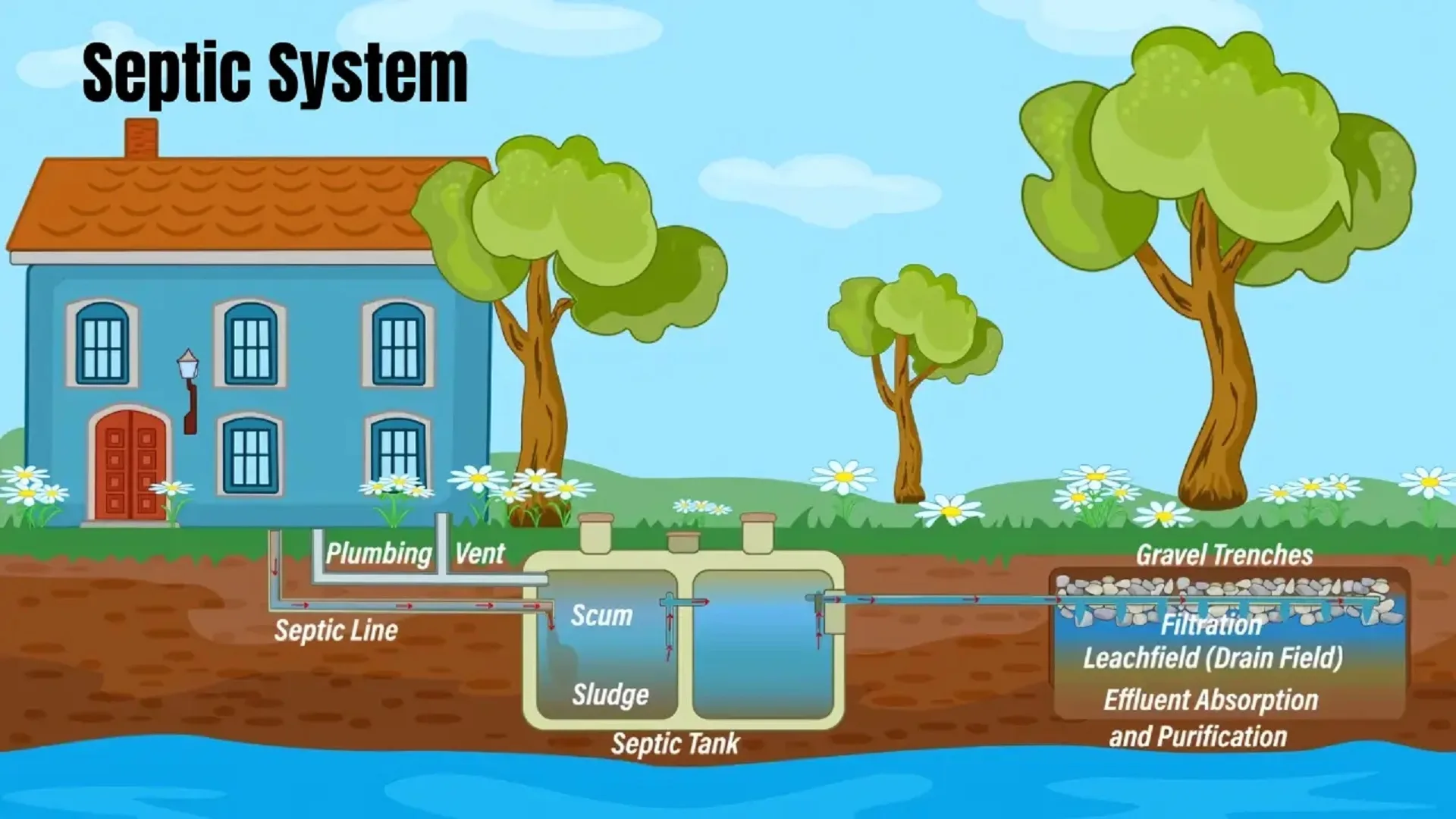
Leach lines are the horizontal, perforated pipes installed within trenches in the drain field. Once effluent exits the septic tank, these pipes slowly release it into a base of washed gravel and underlying soil, which further filter and treat the wastewater.
| Component | Purpose |
|---|---|
| Perforated Pipes (PVC or ABS) | Transport and distribute effluent |
| Gravel Bed | Supports pipes, enhances flow and filtration |
| Trenches | Contain pipes and gravel at correct grade and spacing |
| Filter Fabric (often used) | Prevents soil from clogging gravel bed |
The soil beneath your leach lines completes the treatment by naturally removing contaminants, as recommended by the U.S. Environmental Protection Agency (EPA).
Explain Leach Line Function in the Septic System
Leach lines operate as the final treatment and dispersal phase in your septic system’s network. After solids settle in the septic tank, clarified effluent flows into the leach lines and is spread across the drain field. The combination of pipes, gravel, and bioactive soil layers removes pathogens and nutrients, and prevents direct contamination of groundwater. This process only works with properly sized and maintained components compliant with EPA and local health regulations.
Apply Leach Lines in Real-World Septic Scenarios
Residential Septic Systems Without Municipal Sewer
In suburban and rural areas, homes without access to municipal sewers depend on effective leach lines for wastewater management. Homeowners must ensure installation matches household water usage and site soil conditions to avoid leach field overloading.
Repairing and Upgrading Failing Drain Fields
If standing water, odors, or backups indicate a leach field failure, the problem often traces to clogged, damaged, or undersized leach lines. Solutions include line replacement, additional trench capacity, or soil remediation, guided by local health codes and EPA best practices.
Commercial and Agricultural Septic Installations
Larger applications—such as farms or small businesses—require scaled versions of leach lines, tailored to the volume and characteristics of their wastewater. These systems follow the same principles and guidelines, but often use more advanced filtration and monitoring controls.
Follow the Step-by-Step Leach Line Installation Process
- Site Evaluation: Test soil percolation, absorption rate, and topography to determine drain field size and layout.
- Permitting: Secure required local permits in accordance with health department or environmental agency regulations.
- Trenching: Excavate trenches as specified (usually 18–36 inches deep and 12–36 inches wide, per local code).
- Laying Gravel and Pipes: Place 6–12 inches of washed gravel, lay perforated pipes at proper slope, then cover with additional gravel.
- Filter Fabric Installation: (If used) Lay fabric over gravel to keep soil out of drain bed.
- Backfilling: Cover with soil, compact only gently to avoid crushing pipes.
- Final Inspection and Testing: Local inspector checks slope, connections, and tests for leaks before final closure.
| Tool / Resource | Use |
|---|---|
| Excavator/Trenching Tool | Dig trenches to correct depth and width |
| Level, Tape Measure | Ensure grade and pipe alignment |
| Perforated Pipes, Gravel, Filter Fabric | Drain field construction |
| Soil Test Kit | Confirm soil absorption |
| Protective Gear | Safety during installation |
Typical Timeline
- Day 1–2: Soil testing, design, and permitting
- Day 3: Trenching and material placement
- Day 4: Pipe laying, gravel fill, inspections
- Day 5: Final backfilling and system testing
Integrate System Health: Connections to Septic Tank and Site Evaluation
Maintain Your Septic Tank for Leach Line Longevity
Consistent septic tank maintenance is essential—regular pumping (every 3–5 years per EPA and CDC guidelines) prevents excess solids from clogging leach lines. For maintenance tips, see our Guide to Septic Tank Maintenance and EPA Septic System Resources.
Why Soil and Site Evaluation Is Critical
Soil characteristics directly determine leach line design and performance. Assessing absorption rates, seasonal saturation, or unsuitable soils protects you from costly field failures. Detailed evaluation steps are available in our Soil and Site Evaluation for Septic Systems.
Proven Tips to Optimize Leach Line Performance
- Avoid driving over or compacting the drain field with vehicles or equipment.
- Reduce household water use to minimize effluent volume.
- Redirect roof and surface runoff far from the leach field area.
- Ensure distribution boxes split flow evenly across all lines.
Troubleshoot Leach Line and Drain Field Issues
Common Problems and System Symptoms
- Persistent standing water or mushy ground over the drain field
- Slow indoor drains or sewage backing up in plumbing
- Sewage odors in yard, particularly near the drain field
- Extra-lush, green grass or vegetation only above leach lines
Diagnostic Flow and Solutions
| Problem | Likely Cause | Solution |
|---|---|---|
| Saturated Soil | Poor absorption, high water table, overuse | Reduce water use, improve drainage, consult a professional |
| Clogged Lines | Solids/sludge migration, pipe damage | Jet or replace lines—professional service required |
| Root Intrusion | Nearby trees/shrubs entering pipes | Root removal or chemical treatment, re-route landscape plants |
| Soil Compaction | Traffic over drain field area | Aerate soil, restrict access, expand drain field as needed |
Know When to Call a Septic Professional
If you encounter persistent backups, multiple failing leach lines, or need excavation work, bring in a licensed septic system specialist (see Septic System Professional Services). Per NOWRA and EPA, expert intervention often prevents total system replacement.
Establish a Maintenance Schedule & Best Practices
Daily/Weekly Habits
- Minimize water waste—repair leaks, choose low-flow fixtures
- Don’t flush fats, oils, wipes, or chemicals down any drain
Monthly/Quarterly Checks
- Walk the drain field to check for soggy areas or foul smells
- Direct gutters and yard drainage away from the leach field
Annual Reviews and Professional Maintenance
- Schedule professional pump-outs based on household size (every 3–5 years)
- Arrange a septic inspection to evaluate leach lines and distribution box
Key Takeaways
Leach lines are the backbone of your septic system’s drain field, ensuring safe, effective dispersal and treatment of household wastewater. By understanding what leach lines are, how to implement and maintain them, and when to seek professional help, homeowners protect their property, health, and local environment. For more guidance, consult our Septic System Components Overview and stay proactive with regular inspections and maintenance from qualified specialists.
Frequently Asked Questions: Leach Lines and Septic Drain Fields
What is the difference between a leach line and a drain field?
A leach line refers specifically to the perforated pipes that distribute effluent, while the drain field is the entire area including pipes, gravel, soil, and surrounding zone that treats wastewater.
How long do leach lines typically last?
With proper design, installation, and maintenance (EPA and CDC guidelines), leach lines last 20–30 years or more before significant repairs or replacement are required.
Can I repair or replace clogged leach lines myself?
Homeowners may attempt minor jetting for small clogs, but replacement, excavation, or addressing major failures should always be done by licensed professionals per local regulations.
How do I know if my leach lines are failing?
Warning signs include slow drains, persistent sewage odors, soggy ground or effluent pooling in the drain field, and sewage backups inside your home.
How often should a septic system leach field be inspected?
Annual inspections are strongly recommended by the EPA and local health authorities to catch early signs of malfunction and keep systems running efficiently.
What affects the size of the leach field needed?
Factors include household water usage, soil percolation rate, property slope, and local health department or state plumbing codes.
External Resources for Further Reading
- U.S. Environmental Protection Agency (EPA): Septic Systems and Maintenance
- National Onsite Wastewater Recycling Association (NOWRA): Homeowner Septic System Information
- Centers for Disease Control and Prevention (CDC): Septic Systems and Health
Take action now:Download our leach field maintenance checklist and subscribe to our newsletter for pro tips and seasonal reminders to keep your septic system healthy, year-round!

Leave a Reply