Quick Answer: To protect and extend the life of your septic system, immediately stop any non-essential water use during stress events, fix leaks, and replace outdated fixtures with low-flow models. Schedule regular septic system maintenance every 3-5 years, and always consult a licensed professional if you notice backups or persistent wet spots near your drain field. Excessive water use is a leading cause of septic failure, risking costly repairs and environmental harm.
- Excessive water use overloads septic systems, leading to early failure and costly repairs.
- Updating fixtures, fixing leaks, and adopting water-saving habits are key prevention strategies.
- Routine septic maintenance and professional assessments are crucial for system longevity.
- Many homeowners unknowingly exceed their septic system’s design threshold of 300 gallons per day.
Table of Contents
Did you know that over 25% of septic system failures are caused by simple water overuse? For homeowners with septic systems, everyday habits—like running extra laundry loads or ignoring a dripping faucet—can quietly undermine your investment and threaten your property. Left unchecked, excessive water overwhelms your septic tank, triggers messy backups, and could even contaminate groundwater. The good news? With the right strategies, you can cut water usage, prevent costly damage, and protect both your home and the environment.
Analyze Common Causes of Septic System Overload
Water overload is the single most frequent cause of septic system stress and failure. Here’s why it happens:
Pinpoint Primary Causes
- High Household Water Usage: Multiple daily showers, frequent full laundry cycles, and excess toilet flushing can push daily water input beyond a system’s design limit.
- Inefficient Fixtures and Appliances: Older toilets, washers, and showerheads use much more water than today’s water-saving designs.
- Leaking Faucets and Toilets: Even slow leaks can add dozens of gallons per day to your tank’s load.
- Poor Drainage or Saturated Drain Field: Overly wet or compacted soil reduces absorption, compounding the overload risk.
- Large Household Size: More occupants mean more wastewater—sometimes overwhelming systems installed for smaller families.
Recognize Contributing Factors
- Unaddressed leaks multiplying wasted water
- Frequent garbage disposal use, increasing tank solids
- Infrequent septic tank pumping, limiting available capacity
- Improper landscape or drainage allowing rainwater to flood drain field
Diagnostic Self-Assessment Quiz
- Do you have fixtures made before 1994? (Yes/No)
- Recent slow drains or plumbing backups? (Yes/No)
- More than one full laundry load daily? (Yes/No)
- Soggy or foul-smelling spots near the septic area? (Yes/No)
- Do you regularly check for leaks in toilets/faucets? (Yes/No)
If you answered “Yes” to multiple questions, your septic system may be at risk due to excessive water use.
Identify Your System’s Specific Issues
Apply Tiered Solution Strategies
Tier 1: Take Immediate Emergency Actions
- Stop using dishwashers, washing machines, and other non-essential water sources right away.
- Quickly repair leaking toilets or faucets.
- Avoid garbage disposals to reduce solids entry.
- Contact a licensed septic professional if you experience backups or flooding.
Tier 2: Adopt Medium-Term Water-Saving Measures
- Upgrade to low-flow showerheads (≤2.0 GPM), faucets, and dual-flush toilets.
- Take shorter and timed showers; fill sinks for washing instead of letting water run.
- Schedule septic tank pumping for maximum absorption capacity (learn how).
- Improve yard drainage to reduce water pooling near drain field zones.
Tier 3: Invest in Long-Term and Professional Upgrades
- Expand system capacity for larger households if necessary.
- Consider engineered drain field enhancements with professional guidance.
- Install ENERGY STAR or WaterSense-labeled appliances.
- Set up a scheduled maintenance plan with a local septic specialist (find a pro).
Follow Step-by-Step Implementation Guides
A. Repair Water Leaks Efficiently
- Inspect every toilet—listen for constant running or hissing noises.
- Conduct a toilet dye test: Add food coloring to the tank, wait 15 minutes, check the bowl. Color means a leak (replace flapper/fill valve).
- Check all faucets for dripping; replace washers or cartridges where needed.
- Re-test after repair to confirm leaks have stopped.
B. Install Low-Flow Fixtures Properly
- Locate showers, sinks, and toilets manufactured before 1994.
- Select WaterSense-certified, low-flow models (≤2.0 GPM for showerheads, ≤1.28 gal/flush for toilets).
- Remove old fixtures, clean threads, and install new ones using plumber’s tape as needed.
- Double-check all installations for leaks or drips.
For more detailed fixture recommendations, visit our Low-Flow Fixture Guide.
C. Prepare for a Professional Septic System Assessment
- Licensed technician inspects tank levels, drain field saturation, and effluent clarity (EPA standard procedures).
- Optional percolation or dye tracing tests may be performed for advanced diagnostics.
- Receive a full written report outlining repairs, pumping schedule, or recommended upgrades.
- All work should meet EPA and local health department guidelines.
Reference: EPA Septic Systems Guide
For more information, see Understanding Septic System Inspections.
Prevent Future Problems with Routine Septic System Care
Daily and Weekly Water-Saving Habits
- Shut off faucets when not in use (brushing, shaving).
- Take shorter showers and use a timer if needed.
- Operate dishwashers/laundry machines only with full loads.
- Inspect for drips or slow leaks weekly.
Monthly/Quarterly Maintenance Checklist
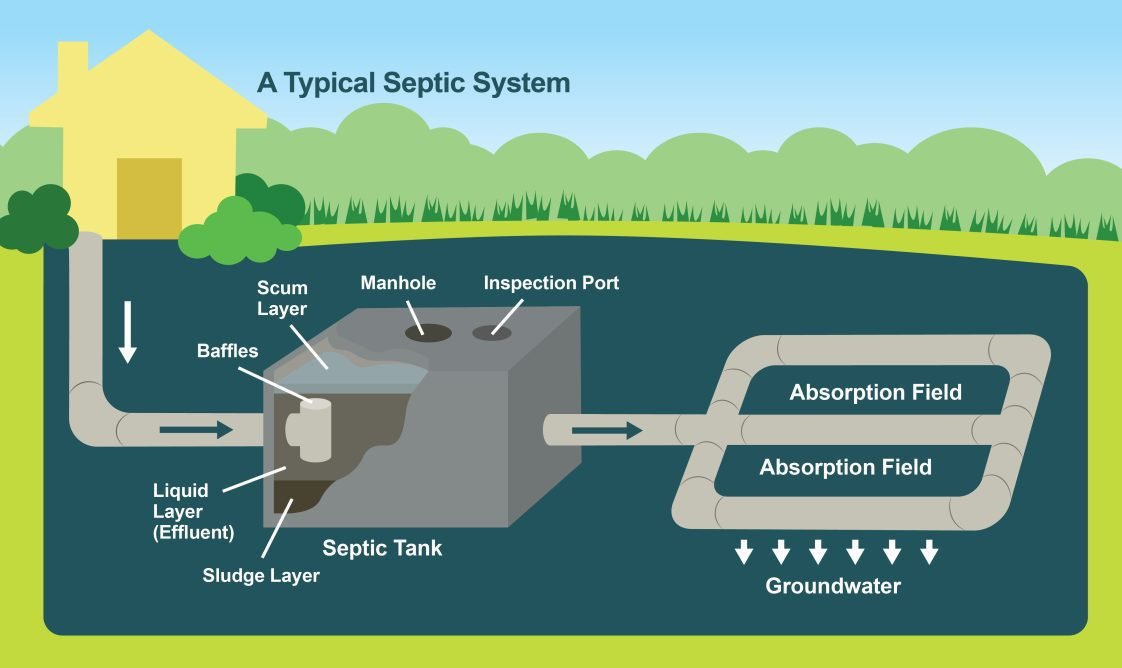
- Monitor septic tank sludge and scum levels (by inspection port if available).
- Schedule professional pumping every 3-5 years.
- Inspect the yard for excessive wetness, growth, or unexplained odors near drain field.
- Clean faucet aerators and showerheads to keep water flow efficient.
Early Detection and Monitoring Tips
- Check water meter for unexplained spikes in usage.
- Listen for gurgling pipes or observe slow draining fixtures.
- Watch the yard for standing water—especially after rain.
Environmental and Usage Adjustments
- Redirect roof gutters and landscape grading to channel rainwater away from leach field.
- Use only septic-safe, non-toxic cleaners and limit grease disposal.
- Plant only shallow-rooted flora above septic fields to prevent root damage.
Compare Costs: DIY Repairs vs. Professional Services
| Task | DIY Cost (Parts & Time) | Professional Cost |
|---|---|---|
| Leak Repairs | $10–$50 (1-3 hours) | $75–$150 (service call) |
| Low-flow Showerhead | $20–$70 each | $100+ (installed) |
| Toilet Replacement | $100–$250 | $250–$400 (installed) |
| Septic Tank Pumping | N/A | $200–$500 |
| Full System Repair/Upgrade | N/A | $1,000–$10,000+ |
- Insurance: Homeowner policies rarely cover septic failure (verify your coverage).
- Warranties: Some septic installers offer warranties; always review terms in writing.
- Rebates: Many localities offer rebates for WaterSense or high-efficiency appliance installations. Check EPA WaterSense and utility programs.
Verify Results: Ensure Your Fixes Are Effective
Signs of Septic System Health
- All drains run freely without gurgling or backing up.
- No odors indoors or outdoors near drain field zones.
- Visible reduction in household water bills after conservation efforts.
Testing and Validation Checklist
- Repeat dye tests for toilet leaks bi-annually.
- Monitor water meter weekly following repairs or upgrades.
- Request a professional septic inspection every 1-2 years for early warning signs (inspection guide).
Establish a Follow-Up and Maintenance Schedule
- Pump septic tank at recommended intervals (3-5 years per EPA guidance, 2023).
- Check for leaks and fixture performance every 6 months.
- Upgrade appliances as more efficient technology becomes available.
Know When to Seek Professional Septic System Help
Immediate Red Flags
- Sewage backing up into your home or pooling in your yard
- Persistent, strong sewage odors inside or outside
- Ongoing wet, mushy, or odorous patches above the drain field
- Sudden increases in water bills without logical explanation
Finding and Vetting Septic Professionals
- Use local directories and online reviews to find specialists with a solid track record (see our directory).
- Verify licenses and certifications—most states require them for legal operation (Reference: National Onsite Wastewater Recycling Association, 2024).
- Request references, proof of insurance, and a written service estimate.
Key Questions to Ask Pros
- What credentials and experience do you hold?
- How do you evaluate septic system health and performance?
- What’s included with your maintenance service—and are emergency services available?
- Can you provide a detailed, written cost estimate?
Frequently Asked Questions
How much water does a typical septic system handle daily?
Most residential septic systems are designed to process about 300 gallons of wastewater daily per household, but this varies with tank capacity and local soil absorption rates. Excess use can cause overload and failure.
What are the dos and don’ts for water use with septic systems?
Do use efficient fixtures and fix leaks. Don’t overwhelm the system with heavy, continuous water use or flush non-biodegradable materials.
Can low-flow fixtures really extend my septic system’s life?
Yes—by reducing daily water volume, low-flow fixtures prevent system overload and help maintain optimum treatment cycles.
How often should I pump my septic tank?
Septic tanks should be pumped every 3–5 years, depending on household occupancy and daily usage (EPA, 2023).
What causes septic backups due to water use?
Excess water fills the tank and field faster than they can process, causing backups and sometimes surface discharge.
Is it safe to DIY septic repairs?
Repairs such as fixing leaks or replacing fixtures are homeowner-friendly. Septic tank pumping and structural repairs should be left to licensed professionals.
How can I detect early signs of system stress?
Watch for slow drains, strange odors, wet lawn spots, and unexpected increases in water bills.
What home appliances put the most stress on septic systems?
Washing machines and toilets typically contribute the most daily wastewater volume.
Will water conservation lower my bills?
Yes—effective water conservation reduces both municipal utility bills and extends septic system life.
Are rebates available for efficiency upgrades?
Check with your municipality and utilities. Many offer rebates for WaterSense or ENERGY STAR appliances/appliance installations.
How do I manage wastewater if my septic system fails?
Immediately call a professional. Temporarily restrict water use and use portable options until repairs are complete.
Can heavy rain affect my septic system?
Absolutely. Excess rain often saturates the drain field, reducing absorption, slowing processing, and causing surface discharge.
Prioritize Septic Water Management for Long-Term Benefits
Excessive household water use is the most common—and most preventable—risk to your septic system’s longevity. By addressing leaks, upgrading to modern plumbing fixtures, and adopting daily water-conservation habits, you not only reduce the risk of costly septic system failure but also safeguard your property value and the environment. Professional maintenance, as recommended by the U.S. EPA and National Onsite Wastewater Recycling Association, ensures regulatory compliance and optimal system function year after year.
Start your septic system protection plan today by scheduling routine maintenance, fixing leaks, and replacing outdated fixtures. This approach will keep your septic investment safe and functioning efficiently for decades to come.
Helpful Resources
- How to Schedule Regular Septic Tank Pumping for Maximum Efficiency
- Top 10 Water Conservation Tips for Eco-Friendly Homes
- Guide to Selecting Low-Flow Plumbing Fixtures for Septic Systems
- Understanding Septic System Inspections: What Homeowners Need to Know
- Local Septic System Professionals: Finding Trusted Experts Near You
External Resources
- U.S. Environmental Protection Agency (EPA) Septic Systems Guide
- EPA WaterSense Program
- National Onsite Wastewater Recycling Association (NOWRA)
Ready to protect your septic system—and your investment? Schedule a professional assessment today or explore our in-depth guides for step-by-step water-saving upgrades!

Leave a Reply