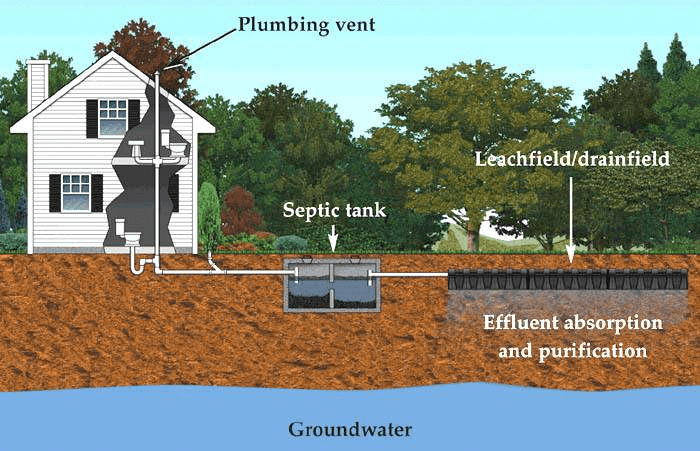
Quick Answer: A septic system collects and treats household wastewater on-site using a buried tank and soil absorption area. Wastewater flows into the tank, where solids settle and bacteria break down organic matter. The clarified effluent then disperses into a drainfield for final purification. Regular inspections and pumping every 3-5 years are required for safe operation, as per Environmental Protection Agency (EPA) guidelines.
- Septic systems provide on-site wastewater treatment for homes not connected to municipal sewers.
- Key components include the septic tank, baffles, and drainfield.
- System type, size, and features must align with household needs, soil conditions, and local regulations.
- Regular maintenance and compliance with inspection intervals are critical for longevity.
- Regulatory standards and technologies continue to evolve, enhancing safety and sustainability.
Table of Contents
Ever wondered what happens to the water after it leaves your drain? If you rely on a septic system, understanding how it works is crucial to protecting your home, health, and environment. This comprehensive guide breaks down every aspect of septic systems—from basic operation to modern innovations, maintenance essentials, and regulatory compliance—so you can make informed decisions and avoid costly mistakes.
Understand What a Septic System Is and Why It Matters
Review the Core Definition and Scope
A septic system is an on-site wastewater treatment solution for homes without access to municipal sewers. It handles all wastewater from toilets, sinks, showers, and appliances by collecting, treating, and dispersing it safely into the environment. Knowing how a septic system works is essential for homeowners, as it safeguards both personal health and local groundwater. The system manages wastewater flow from your home’s plumbing through a series of components that separate solids, foster bacterial digestion, and release cleaned water back into the soil.
Track the Historical Context and Recent Evolution (Updated: 2026)
Septic systems first emerged in the late 1800s as rural communities grew beyond centralized sewer coverage. Early designs were basic, consisting of simple tanks and drainage trenches. Over time, advances in materials, tank designs, and regulatory oversight greatly improved their reliability and environmental safety. The most recent updates as of 2026 introduce advanced biofiltration, smart monitoring devices, and more stringent environmental protections, all reflecting a stronger focus on sustainability per EPA and local health department requirements.
Apply the “Magic Triangle” of Septic System Success
Three core principles—proper design, regular maintenance, and suitable site conditions—govern successful septic system performance:
- Design: Must match household wastewater volume and site-specific soil characteristics.
- Maintenance: Routine pumping and inspection prevent blockages and failures.
- Site Conditions: Soil permeability, groundwater level, and climate affect treatment efficacy.
Neglecting any of these factors will compromise system efficiency and lead to costly repairs or environmental hazards.
Classify the Types of Septic Systems
Compare Primary Types and Models
Septic systems fall into four main categories:
- Gravity Systems: Wastewater moves by gravity through tanks and drainfields; most cost-effective but limited to percolable soils.
- Pressure Distribution Systems: Use pumps to evenly spread effluent throughout the drainfield; suitable for level or irregular terrain.
- Aerobic Treatment Units: Inject oxygen to foster aerobic bacteria that break down waste faster; suitable for high-strength wastewater or poor soil.
- Advanced Treatment Systems: Incorporate filtration and disinfection; ideal for environmentally sensitive areas.
Assess Scale Variations from Residential to Commercial
Residential systems treat 300–600 gallons/day, serving a single household. Commercial systems are larger, often featuring multiple tanks, additional treatment steps, and complex management, all designed to handle higher and more variable waste volumes, as well as stricter compliance checks.
Adapt System Design to Regional and Climate Factors
Septic design must address local soil and weather. Cold climates require frost-resistant tanks and insulated piping. Wet or high-water-table locations need raised or mound systems to avoid groundwater contamination. In dry regions, water efficiency measures are essential. See our in-depth guide on septic systems for different climates for tailored solutions.
Follow the End-to-End Lifecycle of a Septic System
Phase 1: Initiate With Careful Planning
Start with site evaluation, soil testing, and system sizing based on household needs. Engineers and homeowners collaborate to choose system type, secure local permits, and design detailed plans. Septic system diagrams help visualize placement and flow for efficient, code-compliant installation.
Phase 2: Implement and Install Properly
System installation involves excavating the site, placing the tank, running inlet/outlet pipes, and building the drainfield. Adherence to local code (such as setback distances and material requirements per EPA and relevant local health departments) is mandatory. Qualified contractors and inspection by local authorities verify compliance and quality.
Phase 3: Operate and Maintain Routinely
Once operational, regular monitoring is key. This includes checking levels of sludge and scum in the tank, avoiding harmful chemicals or solids, and pumping the tank every 3–5 years. Other tasks: inspect baffles, pipes, and drainfields for early signs of trouble.
Phase 4: Optimize and Scale as Needed
As home usage patterns change, upgrades may be necessary: larger tanks, improved filtration, or automated monitors (such as IoT sensors) can maintain high system performance and prevent overloads.
Phase 5: Renew or Replace Before Failure
All septic systems have a limited lifespan. Eventually, tanks degrade or soils become saturated. Renewal may involve tank reconditioning or drainfield replacement. Total replacement is sometimes required. Planning ahead ensures uninterrupted wastewater management and prevents costly remediation.
Map Stakeholders and the Septic Ecosystem
Clarify Roles and Responsibilities
Involved parties include:
- Homeowners: Daily use, basic maintenance, record-keeping
- Designers: Engineer system per household and regulatory requirements
- Installers: Complete construction per approved plans
- Inspectors: Certify installation, maintenance, and compliance
- Regulators: Enforce EPA and local health standards
Standardize Communication and Documentation
Clear documentation—design plans, inspection records, maintenance logs, compliance certificates—is crucial. Digital records and standardized forms facilitate communication and legal compliance.
Register Regulatory and Compliance Requirements
Septic systems are governed by EPA onsite wastewater guidelines and enforced at state or local levels. Regulations specify tank design, soil requirements, and minimum distances from water sources. Review the EPA’s official guidance for your region and consult your local health department for current rules.
Utilize Tools, Technology, and Performance Management Solutions
Gather Essential Tools and Leverage Software
Useful tools include inspection cameras, sludge measuring devices, pressure gauges, and GIS mapping software. Homeowners can use septic tracking apps for reminders and record keeping. Contractors rely on flow modeling and scheduling software for efficient service.
Monitor KPIs With a Septic System Dashboard
Important key performance indicators (KPIs) include:
- Effluent quality (clarity, absence of contaminants)
- Tank fill and pumping frequency
- Breakdown or repair events
- Audit and inspection pass rates
Dashboards aggregate this data for early problem detection and strategic maintenance.
Adopt Data-Driven Decision Frameworks
Modern systems use historical data and real-time sensor inputs to predict when maintenance or upgrades are due. This proactive approach reduces emergency repairs and extends system life, as recommended by the National Sanitation Foundation (NSF) and EPA best practices.
Examine System Choices With a Strategic Decision Matrix
Consult the Side-by-Side Comparison Table
| Option | Best For Scenario | Advantages | Limitations | Cost Range | Skill Required |
|---|---|---|---|---|---|
| Gravity Septic System | Homes on sloped land | Low operational cost | Limited to permeable soils | $3,000–$7,000 | Basic installation expertise |
| Pressure Distribution | Flat or irregular terrain | Even effluent distribution | Additional maintenance needed | $5,000–$10,000 | Moderate |
| Aerobic Treatment Unit | High wastewater volume/quality | Efficient treatment | Requires electrical power | $7,000–$15,000 | Advanced |
| Advanced Treatment System | Environmentally sensitive areas | Superior filtration & disinfection | Higher installation & upkeep costs | $12,000–$20,000 | Specialized |
Assess Risks and Apply Mitigation Strategies
- System Overload: Mitigate by sizing correctly and enforcing household water use limits.
- Clogging/Blockages: Prevent with regular inspections and no disposal of non-biodegradable items.
- Soil Saturation: Rotate drainfields, maintain proper landscaping, and adjust usage after heavy rain.
- Groundwater Contamination: Install in proper soils, elevate drainfields, and observe all EPA setbacks.
- Component Failure: Use monitoring alarms, backup systems, and periodic professional checks.
Stay Informed on Future Trends and Innovations (Updated 2026)
- Smart IoT monitoring devices enable real-time system alerts and performance diagnostics.
- Bioaugmentation with targeted microbes accelerates treatment.
- New tank materials improve lifespan and reduce environmental risk.
- Regulatory trends favor highly efficient, water-recycling systems and digital compliance tracking.
Follow the Step-by-Step Implementation Roadmap
Use This Actionable Checklist to Get Started
- Conduct professional soil and site evaluation
- Select septic system type based on household needs, soil, and climate
- Obtain all required local permits and submit engineered plans
- Hire certified installers familiar with EPA and local codes
- Establish a routine maintenance and pumping schedule
- Document all work and communicate with local health authorities
Avoid Common Septic System Pitfalls
- Do not overload the system with excessive or inappropriate waste
- Never skip scheduled pumping or cleaning servicess
- Avoid building or parking over the tank or drainfield
- Act immediately on warning signs (slow drains, odors, wet spots)
- Keep up with regulatory changes and local inspection intervals
Choose Next Steps to Suit Your Goals
Ready to dive deeper? Explore these related resources:
- Septic System Maintenance Best Practices— Detailed tips for extending your system’s life.
- Signs Your Septic System Needs Repair— Early detection and troubleshooting.
- Septic System Technologies for Different Climates— Solutions for unique site and weather challenges.
- Step-by-Step Septic System Installation Guide— All phases from planning to inspection.
Reference Section
Key Takeaways and Quick Recap
Septic systems are essential for homes without centralized sewers, combining engineered design, ongoing maintenance, and environmental stewardship. Knowing how a septic system works—from inflow to soil dispersal, and the roles of all stakeholders—prepares you for proactive management and regulatory compliance. Regular care and adoption of new technology can extend system life, prevent failures, and protect your environment.
Complete Glossary of Terms
- Effluent: The clarified, treated liquid that exits the septic tank.
- Drainfield: The subsurface area dispersing effluent into the soil.
- Baffles: Barriers inside the tank directing flow and containing solids.
- Sludge: Solid waste accumulated at the tank bottom.
- Bioaugmentation: Use of supplemental microorganisms to improve treatment efficiency.
Frequently Asked Questions
How does a septic system work in treating household wastewater?
A septic system collects wastewater in a buried tank. Solids settle to the bottom (sludge), while bacteria break down organic material. Clarified effluent exits to a drainfield, where soil microbes finish the purification before water returns safely to the groundwater.
What are the main components of a septic system?
They include the septic tank, inlet and outlet pipes, baffles, a distribution box, and the drainfield. Some advanced systems add filters, pumps, and monitoring sensors.
How often should a septic tank be pumped?
The EPA recommends pumping every 3–5 years, though frequency varies by tank size, usage, and household size.
Neglecting this leads to clogs, backflow, and system failure.
Can septic systems fail? What causes failure?
Yes, failure is most often due to lack of pumping, overloads, improper installation, mechanical faults, or saturated soil. Early detection and regular maintenance can prevent most failures.
What signs indicate a septic system problem?
Common warnings are slow drains, persistent sewage odors, soggy or extra-green patches above the drainfield, and sewage backups inside your home.
Are there systems for challenging soil conditions?
Yes. Technologies such as mound systems, sand filters, and aerobic treatment units resolve poor soil drainage and high groundwater issues, complying with EPA and state codes.
How does climate affect septic system design?
Colder climates need frost-protected tanks and pipes; wet climates may require raised drainfields; dry areas must prioritize water-saving features. Local building code and engineering adjust for these variables.
Is a professional inspection required before buying a home with a septic system?
Absolutely—always have a certified inspector check system health, compliance, and service history to avoid major post-purchase expenses.
Further Reading and Authoritative Sources
- EPA Onsite Wastewater Treatment Systems
- National Small Flows Clearinghouse
- American Ground Water Trust Septic System Factsheet
Ready to take charge of your home’s wastewater system? Explore our step-by-step installation and maintenance guides to become a septic system pro and protect your property for years to come!

Leave a Reply