Quick Answer: A septic system is an on-site wastewater treatment solution consisting of a septic tank and a drainfield, used where centralized sewer systems are unavailable. It separates and treats household sewage, requiring site-specific design, regular maintenance, and compliance with local and EPA regulations to prevent environmental contamination.
- Septic systems manage wastewater locally where centralized sewers aren’t available.
- Main components are the septic tank and soil absorption (drainfield).
- Proper design, routine maintenance, and user behavior are crucial for performance.
- System type is chosen based on soil, climate, and property needs.
- Federal, state, and local regulations govern installation and operation.
- Regular inspections, pumping, and documentation extend lifespan and ensure compliance.
Table of Contents
Ever wondered how homes manage wastewater when there isn’t a public sewer system? Septic systems play a vital role in wastewater treatment for millions of properties, protecting both household health and the surrounding environment. Whether you’re a homeowner, developer, or planning to build in a rural area, understanding how septic systems work is essential for safe, efficient water management and regulatory compliance.
Understand the Core Principles of a Septic System
Define “Septic System” and Its Scope
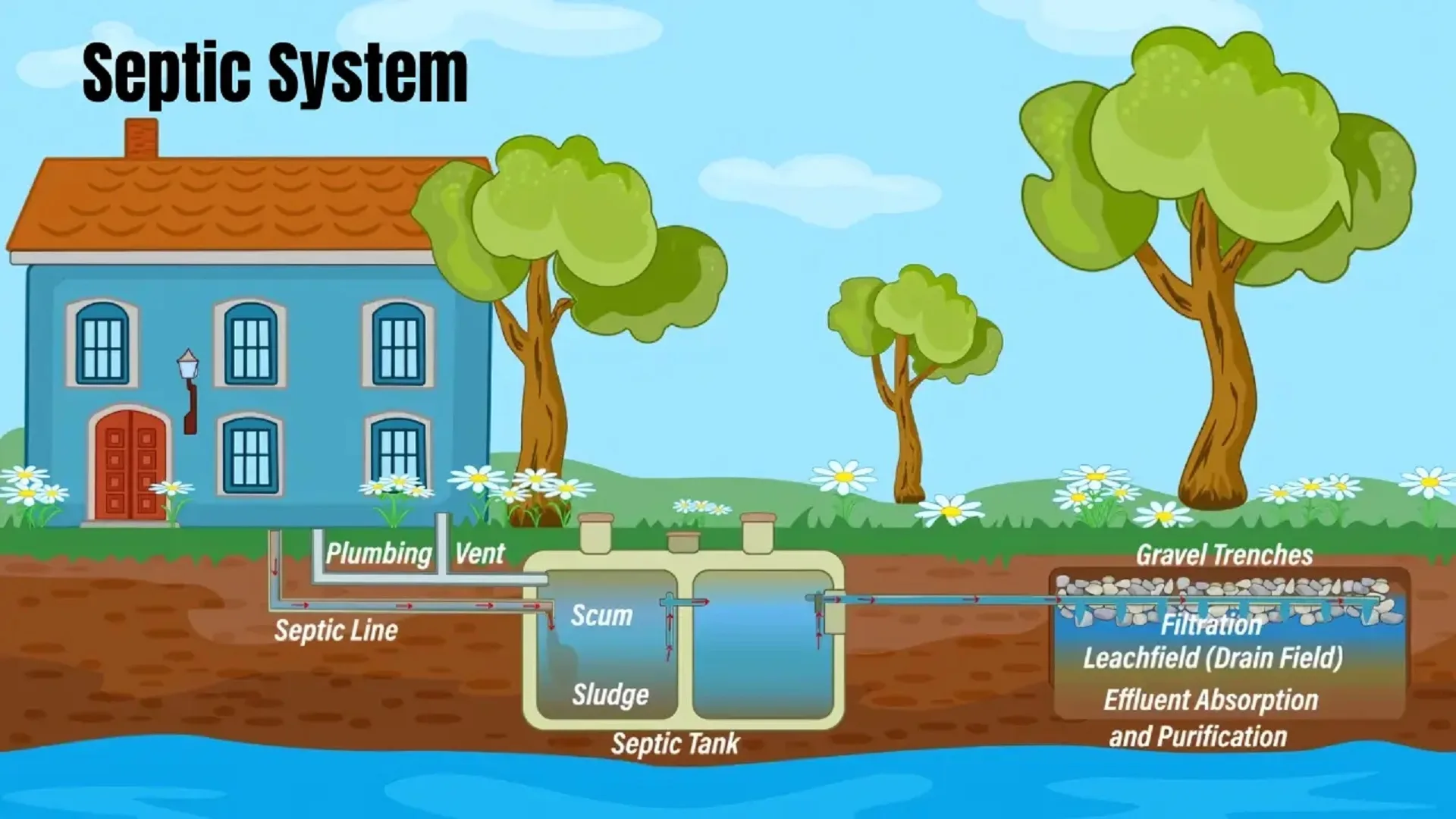
A septic system is a decentralized, on-site wastewater treatment infrastructure serving properties not connected to municipal sewers. Its two primary components are:
- Septic Tank: Separates solids from liquids and starts anaerobic digestion.
- Soil Absorption Field (Drainfield): Disperses pretreated effluent into surrounding soil for natural filtration.
Septic systems are essential for safely managing residential or small-scale commercial wastewater, especially in rural or suburban regions. Homeowners, land developers, and property managers need a working knowledge of these systems for effective upkeep and legal compliance.
Trace the Historical Development and 2026 Standards
Modern septic systems have evolved from their late-19th-century origins to incorporate advanced tank designs, environmentally resilient materials, and strict regulatory frameworks. With the 2026 updates, sustainability, pathogen control, and nutrient management are prioritized. Recent innovations include smart monitoring sensors and eco-friendly components, aiming to protect groundwater, meet tougher environmental standards, and increase system longevity (per EPA guidelines, 2024 update).
Apply the “Magic Triangle” for Long-Term Success
According to septic system experts and the EPA, reliable performance hinges on three fundamental, interdependent factors:
- Proper Design: Tailored to the specific site (soil type, topography, water table).
- Routine Maintenance: Scheduled inspections, tank pumping, and timely repairs.
- User Behavior: Controlling water usage, avoiding chemical disposal, and managing waste inputs.
All three are essential—compromising any one increases risk of failure or regulatory noncompliance.
Identify Septic System Types and Suitability
Compare Primary System Models
| System Type | Site Best For | Core Advantages | Main Limitations |
|---|---|---|---|
| Conventional Gravity | Typical single-family lots | Affordable, low-tech, proven reliability | Needs well-drained, deep soil |
| Chamber | Shallow, rocky soils | Durable, simplified installation | Slightly higher cost |
| Mound | High water tables, poor soils | Customizable for challenging sites | Higher build and upkeep costs |
| Aerobic Treatment Units (ATUs) | Small lots, stricter discharge standards | Superior treatment, compact | Complex, higher operational costs |
| Sand Filters | Advanced filtration/local code requirements | Improved effluent quality | Engineering and maintenance intensive |
Assess Scale: Residential vs. Commercial Applications
Residential systems serve single homes with standard capacities, while commercial/multi-family setups require engineered solutions for higher flow rates, more robust treatment, and complex permitting. Intermediate-scale systems (e.g., small business, clustered housing) mix features from both, with tailored maintenance expectations.
Evaluate Regional and Climate-Based Design Variations
Soil type, geology, climate, and groundwater depth dictate system design. For example:
- Colder climates: frost-protected tanks, insulated piping.
- Arid zones: evaporation-based adaptations.
- Coastal/marine regions: saltwater-resistant components.
- Mountain/slope areas: reinforced and level-protected structures.
For a deeper dive, see Regional Septic System Design Variations.
Follow the Septic System Lifecycle Framework
- Initiation and Planning: Conduct site/soil tests (percolation), obtain permits, and select the system best matching projected usage and site constraints.
- Implementation and Execution: Excavation, tank/drainfield installation, and full compliance with local/state codes—performed by certified contractors.
- Operation and Maintenance: Institute regular inspections, typically pump tank every 3–5 years, and educate residents about usage best practices.
- Optimization and Scaling: Retrofit or upgrade components to meet changing household needs or regulatory shifts.
- Renewal or Replacement: When systems fail or age out (soil saturation, material breakdown), decommission and upgrade/replace per updated standards (see US EPA’s Guide, 2024).
Clarify Stakeholder Roles and Responsibilities
Refer to the Stakeholder Matrix
| Stakeholder | Primary Responsibilities |
|---|---|
| Homeowners | System operation, maintenance scheduling, records upkeep |
| Design Engineers | Site evaluation, design plans, permitting assistance |
| Installers/Contractors | System construction, code compliance, initial testing |
| Regulators | Permit issuance, inspection, enforcement of environmental and public health standards |
| Maintenance Providers | Pumping, repairs, diagnostics, and documentation |
Use Effective Communication and Recordkeeping Protocols
Maintain robust records—design documents, permits, inspection reports, and maintenance logs. Adopting digital recordkeeping/software streamlines communication between all parties and ensures compliance tracking.
Navigate Regulatory and Compliance Requirements
All new and existing septic systems must meet state/local codes and frequently reference federal guidance. Key compliance resources include the US EPA Onsite Wastewater Treatment Systems Guide. Always consult your local health department before proceeding.
Leverage Modern Tools and Performance Management
Choose Essential Tools and Monitoring Technologies
- Soil testing kits for accurate site suitability assessment
- Automated flow meters and remote sensors for real-time system monitoring
- Maintenance scheduling and compliance software
- GIS-based tools for optimal placement and environmental risk minimization
Track Key Performance Indicators (KPIs)
- Effluent quality: BOD (biochemical oxygen demand), TSS (total suspended solids)
- Tank sludge and scum levels
- Absorption field infiltration rates
- Inspection and maintenance history
Using dashboards for ongoing metrics review helps prevent costly breakdowns and extend system life.
Drive Data-Informed Decision Making
Combine historical maintenance data with real-time sensor feedback to:
- Anticipate and prevent overloads or leaks
- Right-size pump intervals
- Assess and optimize user behavior impacts
- Meet evolving environmental and health codes
Apply Comparative Analysis and Make Strategic Decisions
Reference Detailed System Comparison Table
| Option | Best For Scenario | Advantages | Limitations | Cost Range | Skill Required |
|---|---|---|---|---|---|
| Conventional Gravity | Standard residential properties | Low complexity, cost-effective | Requires suitable soil | $3,000-$7,000 | Low–Moderate |
| Chamber Systems | Shallow or rocky soil | Durable, easier installation | Slightly higher cost | $4,000-$8,500 | Moderate |
| Mound Systems | High water table, poor soil | Effective in challenging sites | Higher maintenance | $7,000-$15,000 | Moderate–High |
| Aerobic Treatment Units | Stricter discharge rules | Enhanced treatment, smaller footprint | Higher initial/operational costs | $10,000-$20,000 | High |
| Sand Filters | Advanced filtration requirements | Superior effluent quality | Complex design and upkeep | $8,000-$18,000 | High |
Analyze Risks and Implement Mitigation Strategies
- Failure from overloading: Avoid excess water/solid waste discharge.
- Poor design: Always engage certified professionals for design and installation.
- Neglect: Create and adhere to maintenance schedules.
- Soil/groundwater issues: Regular monitoring for saturation or contamination (EPA, 2024).
Monitor Future Trends and Innovations (2026 Update)
- Increased use of IoT-enabled smart diagnostics and remote system controls
- Bioaugmentation and modular, upgradable treatment modules
- Greener designs prioritizing nutrient recovery and water footprint reduction
- Climate-resilient installations for weather volatility and regulatory shifts
Follow This Step-by-Step Implementation Roadmap
Actionable New System Checklist
- Conduct thorough site assessment and soil (percolation) testing
- Verify and obtain all necessary permits and approvals
- Select system type best matched to property, use, and regulatory requirements
- Hire licensed and experienced design/installation professionals
- Set up recurring maintenance and inspection schedule in advance
- Educate all household members or staff on proper system use and care
Avoid These Common Pitfalls
- Do not overload system with excessive water or chemical inputs
- Never DIY critical installation steps—this risks code violations and future failures
- Neglecting pumping or ignoring early warning signs (slow drains, odors) can lead to costly repairs
Plan Next Steps Based on Your Goals
For customized property guidance, see Choosing the Right Septic System for Your Property, or explore these related resources:
- Septic System Maintenance Best Practices
- Understanding Soil Testing for Septic Installation
- Troubleshooting Common Septic Issues
Key Takeaways and Reference Section
Septic systems are critical, decentralized solutions for safe and efficient on-site wastewater treatment. Their long-term success requires tailored design, continuous maintenance, and regulatory awareness. By selecting the right system type and following expert-recommended upkeep protocols, owners protect property value, health, and the environment—while remaining compliant with evolving standards.
Glossary of Common Septic System Terms
- Septic Tank: Below-ground tank separating solids and initiating treatment
- Drainfield (Leach Field): Subsurface area dispersing treated effluent for soil-based filtering
- Anaerobic Digestion: Breakdown of waste solids by bacteria without oxygen
- Effluent: Liquid output from tank ready for soil absorption
- Percolation Test: Soil test determining absorption suitability for drainfields
- Aerobic Treatment Unit (ATU): Mechanized system adding oxygen for advanced purification
Frequently Asked Questions
What is a septic system and how does it work?
A septic system collects household wastewater, separating solids in a tank while allowing the treated liquid (effluent) to be safely absorbed into the surrounding soil. Natural processes then further purify the effluent before it enters groundwater.
How often should a septic tank be pumped?
Most septic tanks should be pumped every 3 to 5 years, depending on tank size, household occupancy, and usage habits, per EPA and local health department recommendations.
What are the main types of septic systems?
Conventional gravity, chamber systems, mound systems, aerobic treatment units (ATUs), and sand filters are common types—each designed for specific property and environmental needs.
Can I install a septic system myself?
Installation must be performed by certified professionals. Improper setup can result in drainage failure, environmental hazards, and noncompliance with building codes.
What are common signs of septic system failure?
Indicators include sewage odors indoors or outdoors, slow drains, standing water or lush grass over the drainfield, and sewage backups in toilets or sinks.
How do regional climates affect septic system design?
Factors such as soil freezing, rainfall patterns, ground slope, and water table elevation influence material selection, system layout, and installation methods to ensure year-round reliability.
What regulations govern septic systems?
Local health and environmental agencies enforce installation, operation, and maintenance codes, referencing best practices in the EPA’s Onsite Wastewater Treatment Systems Guide.
Further Reading and Authoritative References
- US Environmental Protection Agency, Onsite Wastewater Treatment Systems Guide
- National Small Flows Clearinghouse, Septic System Basics
- Centers for Disease Control and Prevention, Septic System Maintenance
Ready to take the next step? Explore our in-depth guides on Choosing the Right Septic System, and don’t miss our tips on Septic System Maintenance Best Practices to ensure long-term safety, compliance, and peace of mind.

Leave a Reply