If you experience septic system backflow (sewage rising through drains or onto your property), immediately stop all water use, keep people and pets away from contaminated areas, and contact a licensed septic professional. Backflow typically results from hydraulic overload, drainfield failure, major blockages, or broken components—acting fast minimizes property damage, health risks, and costly repairs.
Never attempt to pump or repair a failing septic system yourself—this exposes you to harmful pathogens and may violate local codes (EPA, local health departments).
- Septic system backflow is a critical emergency indicating major failure.
- Common causes: hydraulic overload, drainfield saturation, blockages, or pump failure.
- Immediate action protects health, property, and prevents environmental contamination.
- Both short-term fixes and long-term professional solutions may be necessary.
- Prevention: regular maintenance, monitoring, and water use management are vital.
Table of Contents
Did you know? About 10% of U.S. homes with septic systems will face a major failure in any given year, with backflow representing the most severe form. Imagine the distress of raw sewage emerging through your toilets or drains—this is never a minor issue. Acting quickly is essential: backflow can damage property, jeopardize health, and contaminate both your yard and nearby groundwater. If you notice these alarming signs, immediate intervention is critical for the safety of your home and family.
Analyze Key Causes of Septic System Liquid Backflow
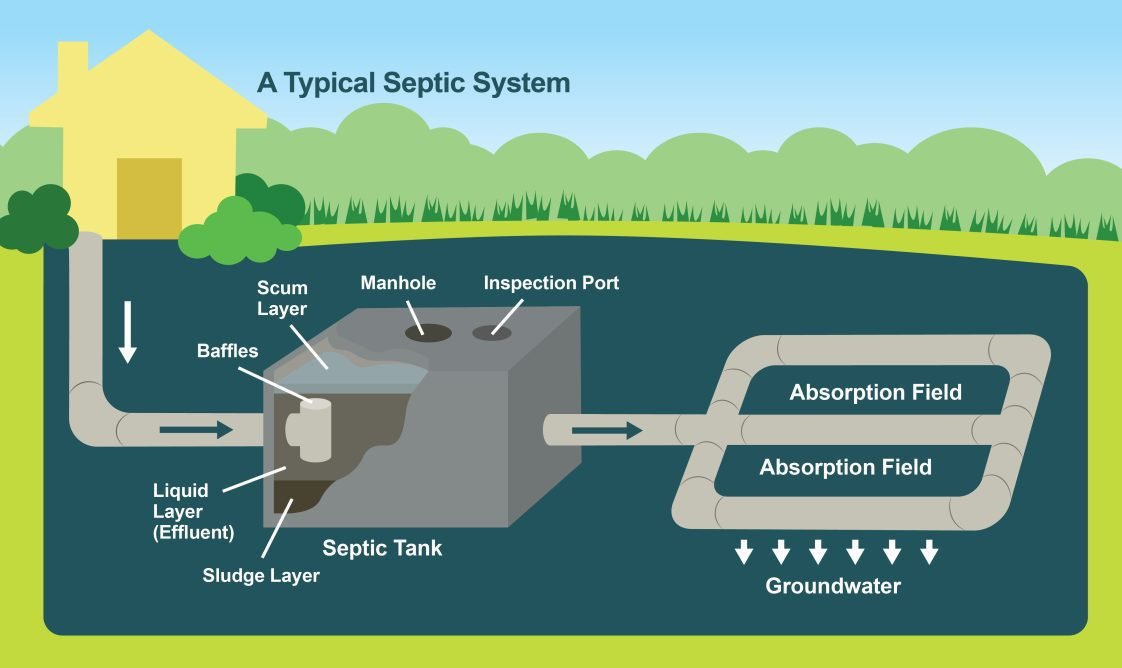
Septic backflow occurs when the system can no longer process or absorb wastewater, causing effluent to reverse flow into your home or yard. Understanding what triggers this problem helps you respond effectively.
Identify Leading Causes
- Total Hydraulic Overload: Using too much water (laundry, showering, dishwashing) floods the system, outpacing the tank and soil’s ability to treat or absorb effluent.
- Drainfield Failure: The soil absorption area becomes saturated or clogged—often due to age, poor maintenance, or high water tables—blocking wastewater dispersal.
- Septic Tank Blockage: Accumulated solids, grease, or foreign objects clog outlet pipes or baffles, forcing effluent back into household plumbing.
- Broken or Collapsed Pipes: Physical damage from age, soil shifting, or heavy vehicles can compromise pipes and halt system flow.
- Pump or Component Malfunction: In systems with pumps, failures stop effluent movement, causing backup.
Spot Common Contributing Factors
- Heavy rainfall or flooding saturating the drainfield
- Organic buildup or disposal of grease and non-biodegradables
- Tree root intrusion damaging pipes and absorption areas
- Lack of regular septic pumping and maintenance
Diagnostic Self-Assessment Quiz
- Is sewage liquid visibly rising in more than one home drain?
- Have you noticed persistently slow drainage or gurgling before backflow occurred?
- Is there an unusual, foul odor near the septic tank or in your yard?
- Has your household water usage increased in recent weeks?
- Is the area above your drainfield soggy, muddy, or especially lush and green?
Use a Decision Flowchart to Determine Root Cause
Implement Solutions: Tiered Response Framework
Once septic backflow is detected, respond in stages—from emergency actions to long-term solutions—to contain risks and restore system function:
Tier 1: Take Immediate Emergency Measures
- STOP ALL WATER USE—immediately halt water use in the home to minimize sewage flow into the system.
- Avoid flushing or draining anything; adding water worsens the backup.
- Contact an emergency septic service licensed with your state or local health department.
- Isolate affected areas—keep children, pets, and unprotected adults away from spill zones due to infection risk (CDC, 2023).
Tier 2: Take Interim (Medium-Term) Steps
- Schedule professional septic pumping to remove solids from the tank and relieve biosolid blockages.
- Repair minor pipe blockages or root intrusions if detected early.
- Temporarily divert water usage if possible (e.g., portable toilets, laundry at another location) until repairs are complete.
Tier 3: Complete Long-Term/Professional Repairs
- Repair, replace, or upgrade failed drainfield components as needed for long-term system health.
- Install or repair pumps and effluent dosing systems (if applicable).
- When necessary, plan for a full septic system replacement—including compliance with EPA and local health department standards.
Step-by-Step Solution Guides
Stop Water Usage Immediately
- Advise all household members to stop using toilets, sinks, and appliances linked to plumbing.
- If accessible, shut off the main interior water supply.
- Post warning signs near contaminated areas until experts arrive.
- Contact a licensed septic repair specialist for emergency assessment.
- Avoid contact with backflow liquid—always use gloves, boots, and protective gear if emergency access is needed.
Arrange Septic Tank Pumping & Temporary Clearing
- Schedule a certified septic company for urgent pumping.
- Request a full inspection of tank, inlet/outlet baffles, and transfer lines for blockages or damage.
- Temporarily reduce all water use until the system is confirmed functional.
- Monitor for repeated slow drainage or odor, signaling unresolved issues.
Understand Professional System Repair or Replacement
- Diagnostics: Detailed visual inspection, tank level checks, and video camera pipe inspection.
- Excavation: Remove or replace failed drainfield or soil absorption system.
- Component Installation: Pumps, alarms, and advanced filters if required.
- Regulatory Compliance: Ensure all repairs meet EPA and local code requirements (EPA, 2021; consult Section 5 of your local health code).
- Follow-up: Schedule post-repair inspection and set a service reminder for routine maintenance.
Adopt Prevention Strategies for Long-Term Protection
Proactive habits and maintenance are the best defense against septic backflow emergencies.
Daily/Weekly Habits
- Monitor water use during laundry and bathing—spread out usage across days.
- Never dispose of grease, baby wipes, personal care products, chemicals, or non-biodegradable materials down toilets or sinks.
- Use only septic-safe, non-antibacterial cleaning products.
Monthly/Quarterly Tasks
- Check for early warning signs like lingering odors or slow drains.
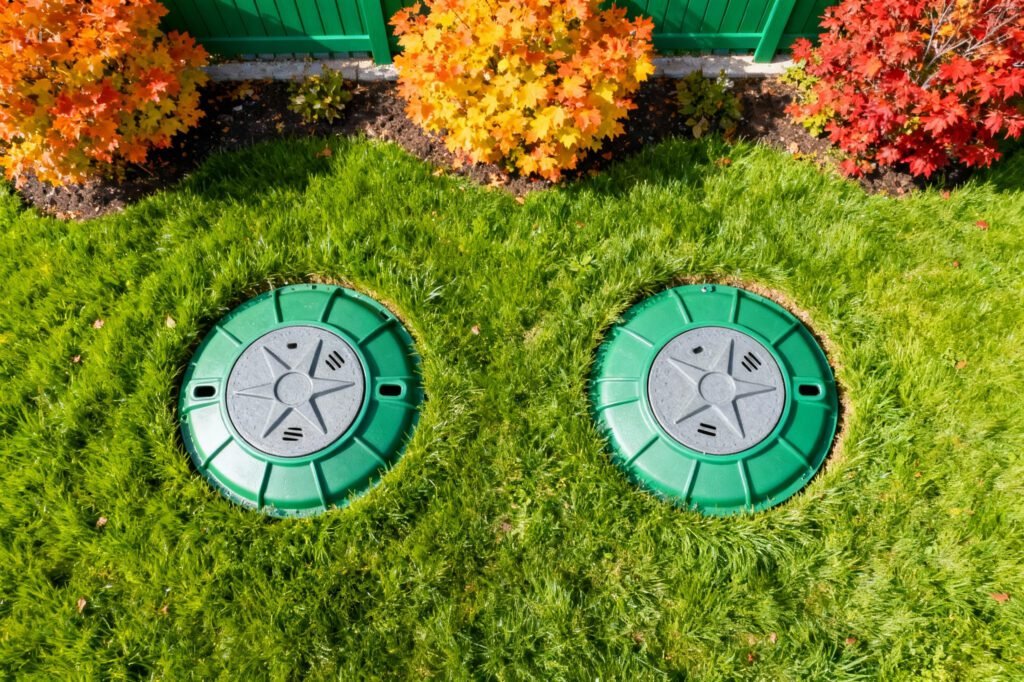
- Inspect tank access lids for cracks, loose seals, or signs of leakage.
- Schedule professional septic tank inspection and pumping every 3-5 years (EPA recommendation, 2021).
Monitor Early Warning Signs & Install Alarms
- Install liquid-level alarms in tanks to catch overfilling before backflow occurs.
- Arrange annual video camera inspections of high-risk pipe sections.
- Monitor your water bill for unexplained consumption spikes, indicating leaks or overuse.
Optimize for Rain, Trees, and Usage
- Redirect roof gutters and downspouts away from the drainfield.
- Plant only grass (not trees or shrubs) above septic tanks and drainfields to avoid root damage (NSF, 2022).
- Switch to low-flow fixtures and appliances where possible.
Compare Costs: DIY vs Professional Septic Repair
| Repair Approach | Estimated Cost | Time Required | Main Risk |
|---|---|---|---|
| DIY pumping (rental) | $300 – $600 | 4-8 hours | Disease & system damage risk |
| Additives/Enzymes | $30 – $75 | 1-2 hours | Ineffective for blockages; false sense of security |
| Professional emergency pumping | $500 – $1,000+ | 2-4 hours | Low — experts manage hazards per EPA/CDC |
| Minor professional repairs (pipes, roots) | $300 – $1,200 | 4-12 hours | Low |
| Drainfield replacement | $3,500 – $15,000+ | Several days | Low; permits required |
| Full system replacement | $10,000 – $30,000+ | 1-2 weeks | Low; extensive disruption |
Insurance & Warranty Considerations
- Homeowners insurance: Rarely covers septic failures unless caused by external or sudden covered events—review your policy carefully.
- Professional warranties: Reputable companies provide limited warranties on parts/labor—always request documentation.
- Pre-authorization: Before starting repairs, confirm both insurance and contractor coverage to avoid costly mistakes.
Ensuring Quality Repair and System Safety
How to Know Your Septic System Is Fixed
- No sewage backflow or standing effluent in home or yard after repair.
- All drains flow freely, and toilets flush normally—no more slow drainage or foul odor.
- Yard and absorption area is dry and shows no unusual growth or pooling.
Testing, Validation, and Follow-up
- Professional video camera pipe inspection showing clear, debris-free flow.
- Effluent level checks inside septic tank confirm working float levels and outflow.
- Drainfield percolation tests (where replaced) document restored soil function.
Set a Maintenance Schedule
- Request a biannual inspection by a licensed technician for the whole system.
- Schedule pumping every 3-5 years or per usage/household size and local code (EPA Standard, 2021).
- Conduct annual water usage reviews to identify any new risks or errors.
Escalate Urgently If These Issues Occur
Critical Red Flags: Immediate Help Needed
- Sewage flooding any living area or the yard
- Persistent foul sewage odor inside or outside, even after repair
- Visible ground subsidence, sinkholes, or effluent rising above soil near the tank or field
- Recurrent backups after “repairs” are performed
Find and Vet the Right Professional
- Confirm licensing and insurance per state/local requirements.
- Request both written references and customer reviews for previous backflow and system failure cases.
- Verify experience with advanced repairs including drainfield and pump systems.
Questions to Ask Certified Septic Contractors
- What is your typical emergency response time?
- Do you provide complete diagnostic reports and detailed written estimates?
- Which warranties/guarantees apply to both labor and system components?
- Will you handle local permits and ensure EPA/state compliance?
Frequently Asked Questions
Why would a septic system backflow liquid?
Septic system liquid backflow happens when the tank or drainfield cannot process waste—because of hydraulic overload, severe blockages, mechanical failure, or drainfield saturation. The result: sewage reverses direction and enters your home or rises to the ground surface.
Can excessive water use cause septic backup?
Yes. Overloading the septic system with more water than it is designed to process (for example, running multiple loads of laundry in a short period) causes hydraulic overload—often resulting in backflow.
How quickly should I act if my septic system is backflowing?
Immediately. Stop all water use, isolate affected areas, and contact a certified septic professional. Backflow exposes occupants to pathogens and worsens property damage the longer you wait.
Is pumping the septic tank enough to fix backflow?
Pumping is often a vital first step to remove blockages, but many cases also require drainfield repair/replacement or pipe fixes for lasting resolution.
Can I repair a septic system myself?
Only basic maintenance (checking lids, limiting water use) is safe as a DIY. Major repairs, pumping, and backflow emergencies require professional expertise and safety equipment, as well as compliance with local codes (EPA, NSF).
How often should I have my septic system inspected?
Every 1-3 years for inspections, and every 3-5 years for full pumping (EPA 2021). High-use households may require more frequent checks.
What are the health risks of septic system liquid backflow?
Exposure to raw sewage can cause bacterial, viral, and parasitic infections, as well as respiratory problems (CDC, 2023). Protect yourself and avoid all contact until an area is professionally cleaned.
Will insurance cover septic system repairs due to backflow?
Most policies exclude septic system failures unless caused by a sudden, covered external event (e.g., fire, specific covered damage). Always consult your provider for details.
Can heavy rain cause septic backflow?
Yes. Heavy rain saturates the soil in the drainfield, preventing proper effluent absorption and often leading to system backups.
What should I do while waiting for professional septic repair?
Cease all water use, keep people and pets away from contaminated areas, and open windows to ventilate if safe. Do not attempt cleanup without proper protective gear and disinfection (per CDC and EPA guidelines).
Reading Suggestions
- Septic System Maintenance Tips for Homeowners
- How to Know When Your Septic Tank Needs Pumping
- Identifying and Repairing Septic Drainfield Problems
- Choosing the Right Septic Repair Service Near You
- Emergency Plumbing Services for Septic System Failures
Resources & References
- U.S. Environmental Protection Agency: Septic Systems Overview
- National Onsite Wastewater Recycling Association: Septic System Facts
- Centers for Disease Control and Prevention: Health Risks of Sewage Exposure
Quick Recap:
Septic system liquid backflow is a severe and urgent hazard—never ignore the signs. STOP all water use, avoid exposure, and call a licensed septic professional immediately. Quick intervention can limit property damage and safeguard your household’s health. Routine maintenance and preventive habits will help avert future emergencies—protect your investment with vigilance and professional care.
Do you need urgent septic repair or want peace of mind from an annual inspection?
Contact a certified local septic expert today for a fast, compliant, and fully guaranteed solution to any septic emergency!

Leave a Reply