Quick Answer: For properties with challenging soils like clay, mound and engineered septic systems are typically the best choice. Conduct a soil test, consult a licensed septic designer, and match system type to your site’s drainage, space, and regulatory requirements. Never install a system yourself without professional oversight, as it may violate local codes and risk contamination. Expect installation costs between $3,000 and $10,000+, depending on system complexity and site.
- Assess soil type and property constraints before selecting a septic system.
- Mound and engineered systems excel in clay soils or difficult sites.
- Professional evaluation is required to ensure compliance and system efficiency.
- Installation budget varies by system type and site restrictions.
- Regular inspections and maintenance extend system life.
Table of Contents
Are you wondering how to pick the best septic system for your unique property? With soil type, water table, and site constraints all playing essential roles, your choice has a big impact on your property’s long-term value, safety, and environmental impact. This comprehensive comparison guide will walk you through how to match the right septic system to your soil—especially if you have clay—ensuring compliance with environmental regulations and saving you unnecessary costs or problems down the line.
Prepare Your Site and Keep Safety First
Tools and Materials Checklist
- Soil test kit or access to professional soil analysis
- Property site plan or survey
- Measuring tape and stakes for layout
- Notebook/log for recording results
- Previous septic records if available
- Personal protective equipment (PPE): gloves, safety glasses
- Shovel or soil probe (for test pits if DIY testing)
Safety Precautions and Protective Gear
- Always wear gloves and safety glasses to prevent contact with contaminants.
- Wear a mask during soil excavation to avoid inhaling dust or bioaerosols.
- Before digging, contact local utility location services to avoid underground hazards.
- Ensure good ventilation if using soil conditioners or chemicals.
- Comply with local health regulations to protect water sources.
Workspace Setup and Preparation
- Clear debris and mark the designated testing/installation area.
- Avoid restricted zones (e.g., within setback distances of wells, bodies of water, or property lines).
- Plan for equipment and contractor access.
- Check for proper site drainage to prevent flooding during work.
Step-by-Step Guide: Select the Right Septic System
- Assess Your Soil Type and Site Conditions
- Conduct percolation (perc) testing or obtain a professional soil analysis.
- Record soil texture (clay, sand, loam) and permeability.
- Identify water table height and any rock or hardpan layers.
- Understand Septic System Types
- Conventional Gravity Systems: Rely on gravity—best for deep, permeable soils.
- Pressure Distribution Systems: Use pumps for even dispersal—effective for variable soils.
- Chamber Systems: Modular and flexible—used in varied site conditions.
- Mound Systems: Elevate the drain field above ground—excellent for shallow or clay soils.
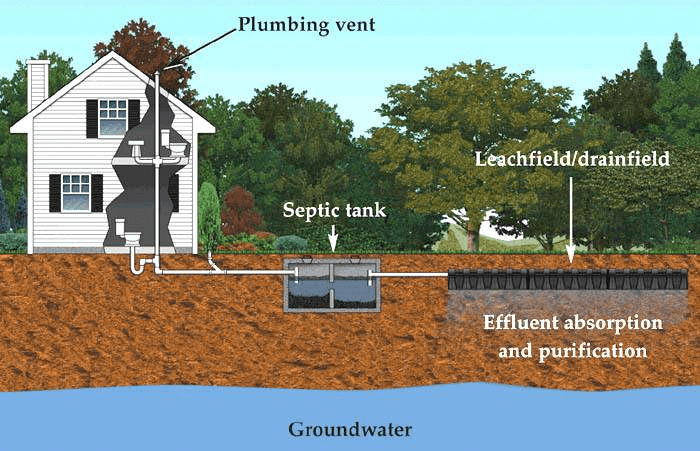
- Engineered Systems: Custom designs using advanced treatment stages—for tough sites (e.g., high clay, small lots).
- Match Property Constraints to System Options
- Measure available space for drain field or alternative placement.
- Note property slope, surface water, and distance to buildings or wells.
- Mound and engineered systems are often best for small or challenging lots.
- Consult a Licensed Professional
- Present your soil and site data to a septic designer or engineer licensed per your state health codes or EPA guidelines.
- Professionals will design a compliant, efficient system for your location and assist in the permit process.
- Plan Installation and Budget
- Clarify installation timelines and system costs—including design, permitting, excavation, and materials.
- Prepare the site for contractor access, equipment movement, and safety compliance.
Ensure System Quality and Performance
How to Verify a Successful Installation
- Check for even effluent distribution (no pooling at surface).
- Absence of foul odors indicates good function.
- System components (tanks, pipes, valves) free of visible leaks or damage.
Testing Procedures and Key Metrics
- Perform a dye or water flow test to confirm effluent travel and absorption.
- Monitor soil saturation and absorption after start-up.
- Mandate regular health department inspections per local regulations (reference: EPA Septic Systems Guidance 2023).
Troubleshooting Common Septic Issues
- Uneven effluent distribution: May require pressure dosing or adjusting distribution lines.
- Surface ponding: May indicate undersized or clogged system – consult a professional immediately.
- Odors: May signal blockages, open lids, or damage. Address quickly to avoid system failure.
Maintain and Extend Your System’s Lifespan
Routine Maintenance Tasks
- Never flush chemicals, grease, or non-biodegradable materials.
- Conserve water to reduce daily system strain.
- Inspect home plumbing for leaks that may overload the system.
For an in-depth maintenance checklist: Maintaining Your Septic System: A Homeowner’s Checklist
Monthly and Quarterly Inspections
- Test and maintain pumps, alarms, and float switches.
- Check tank risers, lids, or inspection ports for intrusion or damage.
Identifying Wear and Scheduling Replacements
- Frequent backups or slow drains signal possible septic failure.
- Standing water or persistent odor around field area requires prompt evaluation.
- Pump septic tanks every 3–5 years, or as recommended by system capacity and household size.
Expert Tips and Advanced Options
Efficiency Strategies from Professionals
- Install effluent filters to prevent solids from clogging drain fields (per NSF/ANSI Standard 46).
- Update to low-flow plumbing fixtures to reduce wastewater generation.
- Schedule annual or biannual professional inspections to catch problems early.
Recommended Tools and Upgrades
- Backup power supplies for pumps (critical for pressure or engineered systems).
- Monitor and alarm sensors to catch failures before they escalate.
- High-quality risers for maintenance access, reducing overall servicing time and cost.
Adapting Systems for Complex Properties
- Engineered systems can include advanced filters, UV disinfection, or recirculating sand media for compliance or difficult soils.
- Mound systems work especially well for shallow soils or high water tables.
- Pressure distribution can optimize effluent dispersal in tight or sloped sites.
Frequently Asked Questions (FAQs)
Which septic system is best for clay soil?
Mound and engineered septic systems are generally best for clay soil. These designs elevate the treatment area or use advanced treatment steps, compensating for slow drainage and poor absorption, as recommended by the EPA and local health departments.
What are the different septic system types?
Common septic system types include conventional gravity, pressure distribution, chamber, mound, and engineered systems. Each is selected based on site soil, space, and environmental constraints.
How long does a septic system last?
With proper care, septic systems typically last 20–30 years. Lifespan can be shortened by poor soil, improper installation, or neglecting regular maintenance such as pumping.
Can I install a septic system myself?
No. Septic installation is regulated in all jurisdictions and must be performed by licensed professionals to ensure safety and legal compliance.
What is an engineered septic system?
An engineered septic system is a custom-designed wastewater treatment solution using advanced components for exceptional site challenges like high clay content, small lot size, or strict regulatory demands.
How much does septic system installation cost?
Costs range from $3,000 to over $10,000 depending on system type, site complexity, and local regulations. Mound and engineered systems are usually higher due to added components and site preparation.
How do I know if I need a professional site evaluation?
Professional evaluation is always recommended and, in most areas, required by law before installation to ensure the chosen system will meet local health and environmental standards.
Can I upgrade my existing septic system?
Yes, most systems can be upgraded to meet code or enhance performance by adding filters, pumps, or transitioning to an engineered solution based on your property’s needs and regulations.
External Resources and Regulatory Guidance
- U.S. Environmental Protection Agency (EPA) – Septic Systems Guidance
- National Onsite Wastewater Recycling Association (NOWRA)
- Centers for Disease Control and Prevention (CDC) – Septic System Maintenance
Key Takeaways
- Selecting the right septic system depends on understanding your property’s soil type, drainage, and local codes.
- Mound and engineered systems are often the preferred solutions for clay soils or restricted sites.
- Always involve licensed professionals to ensure code compliance and optimal system function.
- Proactive maintenance and regular inspections can extend the lifespan and reliability of your system.
- Rely on trusted expertise—including EPA, local health departments, and NOWRA guidance—for safe, sustainable septic solutions.
Ready to get started? Download our full septic system comparison checklist or contact a licensed septic professional in your area to schedule your site evaluation today!

Leave a Reply