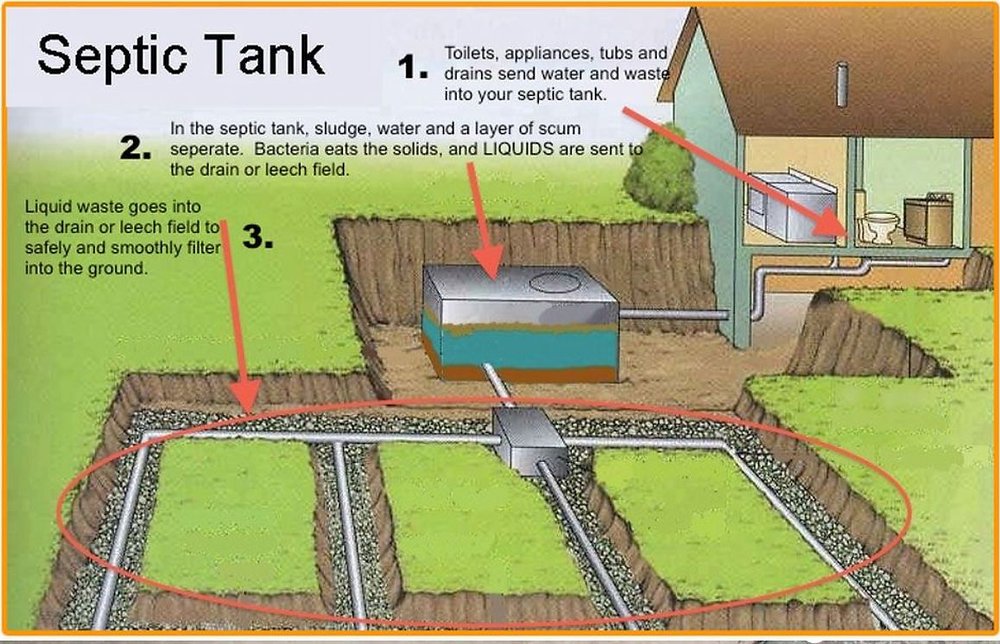
Quick Answer: If your property cannot support a conventional septic leach field due to space, soil, groundwater, or regulatory limitations, choose an alternative treatment system such as constructed wetlands, evapotranspiration beds, or aerobic treatment units. Ensure compliance with local codes, plan for professional installation if advanced treatment is needed, and maintain your system regularly to prevent health and environmental hazards.
- Homes without available soil for a leach or drain field need alternative septic treatment options.
- Common causes include small lots, poor soil, high water tables, and regulatory restrictions.
- Alternative systems such as constructed wetlands, ET beds, and aerobic units can provide safe wastewater treatment.
- Professional design and permitting are often required for advanced systems—always check local and EPA guidelines.
- Routine maintenance and early warning monitoring are essential to prevent failures.
Table of Contents
Did you know that up to 15% of new homes in land-constrained areas must install a septic system without a conventional leach field? For many property owners, confronting this situation is both confusing and stressful. A septic system without a leach field isn’t just a technical challenge—it affects daily routines, impacts property values, and can lead to legal headaches if not addressed properly. By learning about alternative treatment options, you can secure reliable, code-compliant wastewater management even when space or soil conditions are less than ideal.
Identify Why Your Site Can’t Support a Leach Field
Understanding the root causes of your septic limitations ensures you select the right alternative treatment system. Here’s how to pinpoint the issue:
| Primary Cause | Description |
|---|---|
| Insufficient or No Available Soil Area | Urban or small-lot properties lack enough space for a standard drain field. |
| Poor Soil Permeability | Clay-rich or compacted soils prevent wastewater from infiltrating properly. |
| High Groundwater Tables | Consistently wet soils do not allow effluent absorption. |
| Environmental Regulations | Restrictions near wells, lakes, or streams may prohibit leach fields. |
| Site Topography/Rock Layers | Bedrock close to the surface or steep slopes hinder installation. |
Factors That Can Worsen Septic Limitations
- Old septic systems failing due to improper dispersal.
- Neglected maintenance leading to clogs or backups.
- Seasonal groundwater fluctuations.
- Excessive household water use.
Diagnostic Self-Assessment Quiz
- Do you have less than 1/4 acre available for septic installation?
- Has a soil percolation test indicated standing water or poor drainage?
- Is groundwater within 2 feet of ground level?
- Are you near water bodies or wells restricting leach field construction?
If you answered yes to any, your property may need an alternative septic solution.
Choose the Right Alternative Septic System: Three Tiers of Solutions
| Tier | Solution Type | Application |
|---|---|---|
| Immediate | Emergency: Temporary holding tank, water reduction, professional pump-outs | Prevents overflow while a long-term plan is arranged |
| Medium-Term | Constructed wetlands, evapotranspiration (ET) beds, recirculating media filters | Above-ground biological or mechanical treatment if rapid fix is needed |
| Long-Term | Mound systems, aerobic treatment units, drip dispersal/sand filtration | Engineered solutions for permanent, code-compliant use |
Follow Step-by-Step Implementation Guides
Constructed Wetlands
- Design a wetland area appropriate for your household size and local ordinance requirements (per EPA guidelines).
- Excavate a shallow basin; line it with an impermeable liner to prevent seepage.
- Add layers of gravel and sand, then plant native wetland vegetation known for nutrient uptake (e.g., cattails, reeds).
- Install distribution piping to deliver pre-treated septic effluent through the wetland zone.
- Monitor the system regularly to ensure proper flora health and check effluent quality.
Evapotranspiration (ET) Bed
- Select a well-sunlit, wind-exposed area for optimal evaporation.
- Build a lined bed with sufficient sand or gravel base.
- Plant native, drought-resistant shrubs or grasses.
- Connect septic effluent via a pressure distribution system for even dispersal.
- Inspect seasonally for functioning covers, plant health, and evaporation rates.
Professional Systems
- Have a licensed engineer conduct soil and site tests.
- Collaborate with certified contractors for installation.
- Secure all applicable permits and inspections.
- Sign up for professional maintenance contracts for periodic system service.
Practice Prevention: Ongoing Maintenance and Early Warnings
- Daily/Weekly: Limit water consumption and avoid dumping grease or chemicals.
- Monthly/Quarterly: Inspect outlets, clean filters, trim wetland or bed vegetation.
- Long-Term: Pump your tank every 3–5 years (as per EPA recommendations), schedule professional inspections, and check for surface pooling or odor issues.
Modify Property to Reduce Risk
- Divert roof and surface runoff from treatment zones.
- Install water-saving appliances.
- Maintain vegetated buffers near wells and waterways.
Compare Costs: DIY vs. Professional Installation
| System Type | DIY Estimated Cost | Professional Cost Range | Time & Labor |
|---|---|---|---|
| Evapotranspiration Bed / Small Constructed Wetland | $1,000–$5,000 | $10,000–$15,000+ | Weeks–months, moderate difficulty |
| Aerobic/Mound System | Not recommended DIY | $15,000–$25,000+ | Professional only |
| Design & Permitting | — | $1,000–$3,000 | Professional only |
| Ongoing Maintenance | Varies | $300–$1,000/year | Annual |
Consider Warranties and Insurance
- Request installation warranties (labor & materials).
- Confirm if your homeowner’s policy covers septic system failures or if a special rider should be added.
- In some states, proof of professional maintenance may be required for insurance renewal (check local codes).
Verify Success: Testing and Quality Assurance
- Check for backup-free operation and absence of surfacing effluent after installation.
- Confirm no septic odors on or near property lines.
- Pass all required health department or building code inspections.
Recommended Routine Testing
- Effluent sampling for nutrient/pathogen analysis.
- Soil and absorption checks (if applicable).
- Pump and flow rate monitoring—refer to manufacturer and EPA schedules.
- Semiannual professional inspections.
Seek Help When Necessary: Escalation Steps
Signs You Need Immediate Professional Assistance
- Continued backups despite maintenance or repairs.
- Sudden, strong sewage odors near your house or property boundary.
- Visible effluent surfacing or near wells and water bodies.
- Health symptoms correlating to system proximity (nausea, headaches—see EPA wastewater health resources).
How to Find and Vet Qualified Septic Professionals
- See EPA’s septic service provider resources.
- Check for local licensing, references, and verified reviews.
- Contact your county health department or water agency for an approved installer list.
Questions to Ask Before Hiring
- What is your experience with properties lacking leach fields?
- Do you offer site-specific design and permit assistance?
- What types of warranties and ongoing maintenance contracts do you provide?
- How do you handle site complications or system troubleshooting?
Frequently Asked Questions: Alternative Septic Systems Without Leach Fields
What is a septic system without a leach field?
A septic system designed for properties where a traditional gravity-fed leach field cannot be installed due to space, soil, groundwater, or regulatory issues.
How do alternative septic systems function without soil absorption?
They use engineered biological or mechanical processes (like wetlands, evaporation, or aerobic treatment) to treat effluent above ground or within a contained medium.
Are constructed wetlands effective for residential wastewater treatment?
Yes, constructed wetlands mimic natural filtration using wetland plants and specific media. Their effectiveness is backed by research from the EPA and National Small Flows Clearinghouse.
What maintenance is required for alternative septic systems?
Routine inspections, periodic tank pumping, vegetation management (for planted systems), and system performance monitoring are crucial for longevity and compliance.
Can homeowners install alternative septic systems themselves?
DIY is possible for simple ET beds and small wetlands, but most systems—especially those with electrical, mechanical, or permitting requirements—should be professionally installed.
How do costs compare with conventional septic systems?
Alternative systems are typically more expensive upfront due to engineering needs, but may be necessary for legal and functional reasons on challenging properties.
Is a mound system considered a no-leach-field solution?
No. Mound systems elevate the drain field above ground but still use subsurface dispersal; true alternatives use above-ground or contained methods.
What environmental protections do alternative systems offer?
They lower risk of groundwater contamination and can provide wildlife habitat—especially constructed wetlands—when properly designed and maintained.
How long do alternative septic systems last?
With regular maintenance, most systems offer 20+ years of service—similar to conventional setups.
What factors should I consider when selecting an alternative septic system?
Evaluate your property’s soils, size, regulatory limits, maintenance expectations, upfront costs, and environmental priorities. Always consult local authorities or the EPA.
Useful Resources and Further Reading
- U.S. EPA: Septic Systems Overview
- National Small Flows Clearinghouse: Residential Wastewater Treatment
- EPA Onsite Wastewater Treatment Systems Manual (2002)
Related Articles
- Understanding Different Septic System Types
- How to Maintain Your Septic System Year-Round
- Finding Local Professionals for Septic System Installation
When a leach field isn’t an option, alternative septic systems provide safe, legal, and environmentally responsible wastewater management. The right solution depends on your property’s site conditions, regulatory environment, and household needs—and may require professional expertise. Prioritize regular maintenance and quick attention to system warnings to protect your health, home, and the environment.
Need help selecting or installing a septic system without a leach field? Contact an experienced local professional today and get expert guidance tailored to your property!

Leave a Reply