Quick Answer: A septic system leach field is an underground network that treats and disperses effluent from your septic tank via soil filtration and microbial breakdown. Proper installation, routine maintenance, and adherence to EPA/local health codes are essential—never compact the area or allow chemicals and grease into your system. Inspect annually, pump your tank every 3–5 years, and hire licensed professionals for major repairs.
- The leach field is the critical final step in onsite wastewater treatment.
- Proper sizing, soil testing, and maintenance prevent failures and contamination.
- Signs of trouble include pooling water, slow drains, and odors—act quickly to mitigate risks.
- Follow EPA, local health, and code requirements for safe operation.
- Routine inspection and responsible use greatly extends system life.
Table of Contents
Did you know a malfunctioning leach field is one of the leading causes of groundwater pollution in rural areas? For homes not connected to municipal sewers, the septic system leach field—or drain field—is the linchpin protecting both your property value and local ecosystem. Whether you’re a new homeowner or seeking to prolong your system’s life, mastering leach field function and care ensures efficiency, legal compliance, and peace of mind.
Understand the Septic System Leach Field and Its Components
Define the Septic System Leach Field
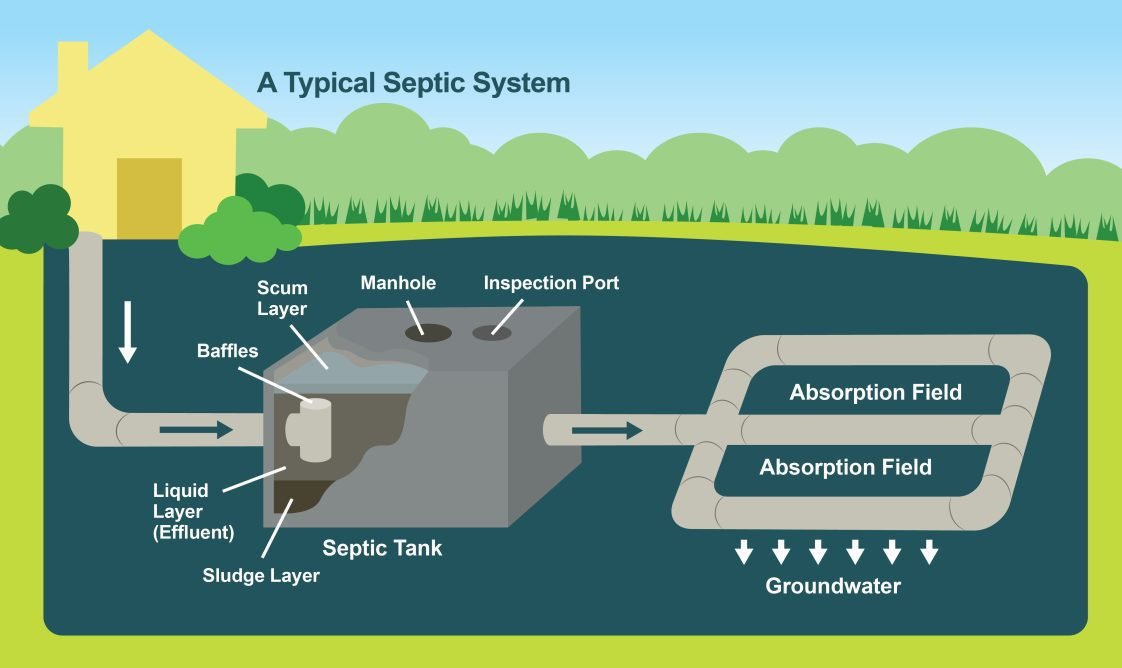
A septic system leach field (also called a drain field) is a subsurface layout of perforated pipes or chambers bedded in gravel- or aggregate-filled trenches. It receives partially treated wastewater (effluent) from the septic tank and treats it further as it percolates through natural or engineered soil. Main components include:
| Component | Description |
|---|---|
| Distribution Pipes | Perforated pipes that disperse effluent evenly across the field |
| Gravel/Media | A base layer providing drainage and supporting microbial breakdown |
| Soil Layers | Final treatment zone where microbes neutralize contaminants |
| Synthetic Chambers (if used) | Plastic units that replace gravel in some modern designs |
Explain How the Leach Field Functions in the System
Once effluent leaves the septic tank, it flows into the leach field, where distribution pipes evenly spread it across the trenches. As the wastewater slowly filters through the gravel and underlying soil, beneficial bacteria and other microbes break down remaining organic and pathogenic materials. This process naturally cleans the water before it eventually reaches groundwater, per EPA guidelines (EPA Septic Systems Guide, 2024).
Apply Leach Field Principles to Real-World Scenarios
Use in Rural Residential Homes
For rural properties, a properly designed and sized leach field offers a long-term, low-maintenance wastewater solution, provided that soil percolation rates and household water usage are accounted for carefully (see design tips).
Maintenance for Seasonal or Vacation Homes
Homes used part-time require additional attention, such as gradual reintroduction of water use after dormant periods, prevention of vehicle access over the field, and periodic visual inspection according to EPA recommendations.
Industry-Specific & Commercial Applications
The leach field concept scales for remote commercial, agricultural, and ecotourism operations. Customizations (larger fields, enhanced filtration, engineered soils) enable safe handling of higher or more variable wastewater volumes, aligning with National Onsite Wastewater Recycling Association (NOWRA) standards.
Install a Septic System Leach Field: Step-by-Step Guide
Follow These 7 Essential Steps
- Conduct a Site Assessment: Perform a soil percolation (perc) test and site survey to confirm suitability and determine the needed size. Learn how to conduct a perc test.
- Create a Design Plan: Layout system per local codes, estimating water demand, trench dimensions, and required setback distances.
- Excavate Trenches: Use excavation equipment for trenching, following approved depth and width specifications (usually 18–36 inches deep, per local code).
- Install Components: Lay perforated pipes, spread gravel, and position geotextile/filter fabric as needed to prevent soil infiltration.
- Backfill and Restore Surface: Carefully replace soil, ensuring proper grading for drainage and erosion control. Avoid excessive compaction.
- Test System Function: Simulate typical flow to confirm percolation without surface pooling or backups.
- Obtain Final Inspection/Approval: Have your install checked and approved by the local health/environmental authority before covering completely.
Essential Tools and Resources
- Soil/perc test kits
- Excavator or trenching tool
- Perforated piping and connectors
- Aggregate gravel or manufactured chambers
- Geotextile/filter fabric (if required)
- Measurement, leveling, and grading tools
- Professional engineer or septic system designer for plans (as mandated by local code)
Standard Timeline and Key Milestones
Expect a full installation (including assessment and testing) to take 1–2 weeks, subject to permitting and weather. Allow several days for planning and local approvals; always comply with local health department rules.
Connect Leach Field Operation to System Care & Optimization
Maintain the System for Long-Term Performance
Regularly pump your septic tank (every 3–5 years, as recommended by the EPA), and schedule annual inspections. This routine prevents solids from overflowing and clogging the leach field, a leading cause of premature failure.
For optimal results, practice water conservation and avoid introducing grease, antibacterial chemicals, or non-biodegradable materials, which impair the microbial ecosystem responsible for treatment (best practices here).
Link Repairs to Field Health
Early detection—through regular system checks—can allow non-invasive repairs (such as pipe flushing or targeted trench repair) and avoid catastrophic failures. Trust licensed professionals who follow local and EPA standards for any invasive work (find experts here).
Optimize Your Leach Field for Efficiency
- Stagger showers, laundry, and dishwashing to prevent hydraulic overload.
- Never park or drive over the leach field—weight compacts the soil and crushes pipes.
- Landscaping: plant only shallow-rooted grass species over the drain field; avoid trees and shrubs.
- Upgrade with advanced treatment units if your soil has low natural filtration capacity.
Troubleshoot Common Septic System Leach Field Problems
Identify Typical Signs of Trouble
- Slow-flushing toilets or drains
- Pooled or muddy areas above the drain field
- Noticeable sewage odors in the leach field area
- Lush, green grass patches or algae blooms nearby
- Sewage or greywater backup indoors
Match Problems to Solutions
| Issue | Symptoms | Recommended Solution |
|---|---|---|
| Clogged Pipes | Slow drains, gurgling noises, localized wet spots | Hydro-jetting, mechanical cleaning, or pipe replacement |
| Soil Saturation | Standing water, mushy soil | Limit water use, improve surface drainage, expand leach field |
| Root Intrusion | Sudden backups, field failure near trees/shrubs | Professional root removal, chemical treatments, replanting with grasses |
| System Overload | Multiple plumbing slowdowns, overflow at tank | Repair leaks, educate household, possibly upsize system |
Know When to Contact a Licensed Professional
Persistent, worsening, or sudden field problems—especially those causing backflow or odor—require immediate attention by a certified septic professional. DIY attempts may violate health codes and worsen contamination.
For professional repairs, see our Septic System Repair Services Near Me resource.
Follow a Proven Septic System Leach Field Maintenance Schedule
Daily and Weekly Maintenance
- Practice water conservation: fix leaks, stagger water usage tasks
- Keep grease, food waste, and chemicals out of the septic system
Monthly and Quarterly Tasks
- Check distribution boxes and cleanouts for obstructions
- Survey the drain field for signs of compaction or stress (e.g., depressions, novel vehicle tracks)
Annual and Long-Term Checks
- Schedule a professional visual inspection and, if warranted, a soil absorption/percolation assessment
- Review landscaping—remove deep-rooted plants, monitor for erosion or animal damage
- Pump septic tank every 3–5 years (frequency varies by usage and system size, per EPA 2024 Guidelines)
Key Takeaways
The septic system leach field is the most vital and sensitive part of your onsite wastewater treatment solution—without it, treated effluent cannot safely re-enter the environment. By understanding its construction, operation, practical applications, and required upkeep, you can safeguard your property, protect groundwater, and avoid expensive emergencies.
For a deeper dive, see our Ultimate Septic System Pillar Guide and Septic System Maintenance Best Practices.
Download our free “Septic System Leach Field Protection Checklist” to start safeguarding your investment today.
Frequently Asked Questions
What is the difference between a septic system leach field and a drain field?
Both terms refer to the same underground wastewater dispersal and filtration area. “Leach field” emphasizes subsurface absorption and treatment; “drain field” highlights the drainage function. They are interchangeable per EPA terminology.
How long does a septic system leach field last?
With correct design, professional installation, and regular care, a leach field typically lasts 20–30 years or more. Lifespan depends on soil quality, household water usage, and maintenance frequency.
Can I plant trees or shrubs over my septic system drain field?
No. Deep-rooted vegetation can infiltrate and damage pipes, reducing absorption. Use only shallow-rooted grasses or ground covers to stabilize soil without threatening the system’s integrity.
How often should I have my septic system drain field inspected?
Schedule annual visual inspections and arrange for comprehensive soil absorption/percolation tests as needed (every few years or if symptoms arise), following EPA and local health authority advice.
What causes septic system leach field failure?
Most failures result from hydraulic overload, improper maintenance, solids clogging, soil compaction, tree root intrusion, or chemical contamination. Prompt diagnosis and action can prevent total system loss.
How do I know if my septic system drain field is failing?
Warning signs include persistent slow drainage, sewage odors, water pooling above the field, or unexpectedly lush vegetation in the field area. Early intervention is crucial.
Can I repair a failing septic system leach field myself?
While surface improvements (like re-grading or replanting) may be handled by owners, internal repairs—including pipe work and major remediation—must be conducted by licensed professionals for health, legal, and environmental reasons.
How can I extend the life of my septic system leach field?
Practice water conservation, schedule regular tank pumping, avoid hazardous chemicals, monitor for early warning signs, and minimize compaction/physical disturbance over the leach field area.
References and Standards
- U.S. Environmental Protection Agency (EPA) Septic System Guide (2024)
- National Onsite Wastewater Recycling Association (NOWRA)
- Centers for Disease Control and Prevention (CDC) – Septic System Safety
Ready to protect your septic system for decades to come?
Explore our Ultimate Septic System Guide or start with maintenance best practices now!

Leave a Reply