Quick Answer: Septic system filters—including outlet tee (effluent) filters and external canister filters—are crucial for protecting your drain field by trapping solids before they exit the tank. Clean outlet tee filters every 6–12 months, inspect for damage, and always use protective gear. Never skip filter maintenance; clogged or damaged filters can cause system backups and costly repairs. Refer to EPA and local health department guidelines for compliant care.
- Septic system filters prevent solid waste from reaching and clogging the drain field.
- There are two main types: outlet tee (effluent) filters and external canister filters.
- Regular cleaning—every 6 to 12 months—is vital to system health and longevity.
- Early diagnosis and filter maintenance can save homeowners from expensive replacements.
- Always follow EPA and local plumbing codes for proper septic system care.
Table of Contents
Did you know? Neglecting your septic system filter could lead to early drain field failure and thousands in repair costs. For every homeowner with a septic system, understanding filter maintenance isn’t optional—it’s essential for dependable, long-term wastewater management.
Understand Septic System Filters: Types and Components
Identify Septic System Filter Types
A septic system filter is specifically designed to trap and hold solids, preventing them from leaving the septic tank and clogging the drain field. There are two primary types of septic filters:
- Septic System Effluent Filter (Outlet Tee Filter): Installed at the outlet tee inside the septic tank, this filter captures sludge and floating scum, preventing debris from traveling to the drain field.
- External Canister Filter: Housed in a separate chamber outside the septic tank, this filter can be retrofitted to existing systems and is especially useful for older tanks.
| Filter Type | Location | Main Benefit | Maintenance Frequency |
|---|---|---|---|
| Outlet Tee (Effluent) Filter | Inside septic tank at outlet pipe | Prevents solids leaving the tank | 6–12 months |
| External Canister Filter | Outside septic tank in filter housing | Upgrade for older systems; handles higher solids | 6–12 months, may require more frequent checks in high-use environments |
Key Components and Their Functions
- Mesh or Screen Media: Filters solids from effluent.
- Housing Unit: Encloses the filter, attached to the outlet tee or installed externally.
- Removable Baskets/Trays: Allow for easy cleaning and maintenance.
The Filter’s Role in Overall System Operation
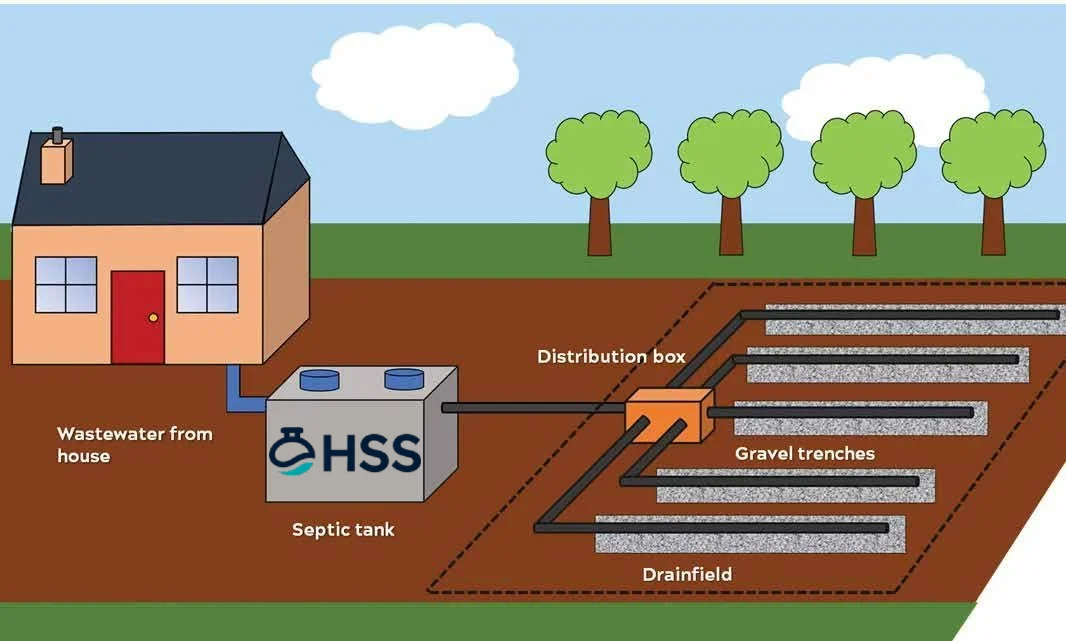
Located immediately downstream of the tank’s settling zone, filters allow only clarified wastewater (effluent) to reach the drain field, protecting the system from clogging, soil contamination, and failure. According to the U.S. Environmental Protection Agency, regular filter maintenance is a best practice for optimal septic performance (EPA Septic Systems Overview, 2023).
Apply and Upgrade: Real-World Septic Filter Scenarios
Maintain Your Home’s Effluent Filter
Routine filter cleaning prevents blockages and overflows. For residential systems, forgetting filter upkeep is a leading cause of costly emergencies. Cleaning your outlet tee filter every 6–12 months dramatically lowers the risk of backups, alarms, and overflow.
Upgrade Older Systems with External Canister Filters
If your septic tank is older and lacks an effluent filter, retrofitting an external canister filter can enhance treatment quality without major construction. This is especially recommended if you have experienced early drain field issues.
Optimize Filters for Agricultural or Commercial Use
Larger-volume systems, including those serving agricultural or commercial operations, require high-capacity canister filters. Maintenance schedules are generally more frequent, and filter selection should be based on effluent load and solids content.
Implement Proper Filter Maintenance: Step-by-Step Guide
- Identify the Filter Type: Confirm whether you have a built-in outlet tee filter or an external canister filter.
- Locate the Filter: Open the septic tank lid for tee filters, or access the external filter housing.
- Prepare Safety Gear: Always wear gloves, goggles, and protective clothing to minimize exposure to harmful pathogens.
- Remove the Filter Basket or Screen: Gently lift out the filter element for service.
- Clean the Filter: Use a garden hose and stiff brush to remove solids—never use chemicals or pressure washers, which may damage the filter mesh.
- Inspect for Damage: Check for any cracks, holes, or tears in the filter. Replace if damaged.
- Reinstall and Secure: Replace the filter element and securely close the tank lid or canister housing.
| Step | Key Tools / Materials |
|---|---|
| Remove/Access Filter | Screwdriver or wrench, gloves, goggles |
| Clean Filter | Garden hose, stiff brush |
| Inspect/Replace | Replacement mesh (if damaged) |
Recommended Schedule:
- Initial inspection: within 1 month of installation or upgrade
- Routine cleaning: every 6–12 months (more often for heavy use)
- Full inspection/replacement: every 3–5 years
Integrate Filter Care with Overall Septic System Maintenance
Good filter hygiene isn’t just a standalone task—it’s an essential part of robust septic system maintenance and complements scheduled septic tank pumping and inspection (as advised by EPA and local health authorities).
- Always clean or check filters before having the system pumped to avoid dislodging contamination.
- Choose filter replacements that meet NSF/ANSI Standard 46 for onsite wastewater treatment components (per NSF International).
- Protect external filter housings from freezing or mechanical damage in cold climates.
- Incorporate filter checks into your routine homeowner maintenance log.
Troubleshoot Septic Filter Problems
Common Warning Signs
- Slow drains or backups: Points to a clogged filter needing immediate cleaning.
- Strong odors near the tank: May indicate a damaged filter or poor housing seal.
- Visible damage on the mesh: Replace the filter if there are cracks, holes, or tears.
- Pumping frequency increases: Suggests filter is not functioning or is missing entirely.
Recommended Solutions
- Clogged Filter: Remove and clean or replace immediately to restore proper flow.
- Damaged Filter Mesh: Replace filter media or the entire filter housing.
- Odors: Reseal lids and filter housing; inspect for cracks or improper fit.
- Frequent Pump-Outs: Assess the entire system; seek professional advice if problem persists.
For persistent issues or if you’re uncomfortable with any of the procedures above, always contact your local septic system service provider. Licensed professionals ensure both safety and full compliance with EPA, state plumbing codes, and local health regulations.
Establish and Follow a Robust Filter Maintenance Schedule
Daily to Weekly Tasks
- Visually inspect for signs of leaks, odor, or surface wetness around external filter housing.
- Practice water conservation to reduce strain on the system.
Monthly or Quarterly Tasks
- Remove tank lid (if accessible) to check filter status and buildup.
- Inspect external canister filter for cracks or winter damage.
- Rinse visible debris from exterior filter screens.
Annual Tasks
- Completely clean or replace the filter as recommended by the manufacturer.
- Hire a septic professional to review entire system function.
- Log filter cleanings/replacements for warranty and maintenance tracking.
Conclusion / Key Takeaways
Caring for your septic system filter is non-negotiable for system efficiency and long-term reliability. Routine identification, cleaning, and inspection of your effluent and canister filters prevent costly repairs and protect your drain field from premature failure. Use safety gear, adhere to EPA and local regulator guidelines, and schedule maintenance based on actual system use.
For an extended guide on keeping your entire onsite treatment system healthy, return to our Septic System Maintenance Pillar Article and progress to specific topics like Septic Tank Pumping and Inspection or Component Replacement.
Tip: Filters vary! Confirm your setup and follow manufacturer or professional guidelines to ensure maximum protection for your septic investment.
Don’t miss out:Download our detailed “Septic System Filter Maintenance Checklist” and stay proactive with your filter care routine for peace of mind and a longer-lasting septic system.
Frequently Asked Questions
What is the difference between an outlet tee filter and an external canister filter?
An outlet tee filter is built into the septic tank’s outlet line and filters effluent before it leaves the tank, while an external canister filter is installed outside the tank, typically as a retrofit, to catch solids in systems lacking built-in filters.
How often should I clean my septic system effluent filter?
Clean your effluent filter every 6 to 12 months, based on system usage and household size. Check your manufacturer’s instructions for exact intervals.
Can I retrofit an effluent filter to an older septic system?
Yes, external canister-type effluent filters can be added to older tanks for improved solids control without the need for complete system overhaul.
What happens if my septic filter becomes clogged?
A clogged filter slows draining, triggers alarms, causes tank backups, and could damage other system components. Clean or replace promptly to avoid emergencies.
Is it safe to clean a septic filter myself?
Yes, with gloves and goggles, most homeowners can clean filters safely. If you observe damage, experience continued issues, or are uncomfortable, hire a professional.
How do I know if my septic system has a filter?
Inspect your outlet pipe for a filter cartridge or look for an external canister filter near the tank. A professional assessment can confirm filter type and location.
Can a damaged filter mesh harm my system?
Yes, a broken mesh allows solids to pass through, risking drain field blockage and system failure. Replace any damaged filters immediately.
Should I have my filter cleaned during septic tank pumping?
Filter cleaning should occur more frequently than tank pumping. However, cleaning the filter just before pumping ensures maximum system performance and reduces solids risk.

Leave a Reply