Quick Answer: For optimal septic system health, inspect your tank and drain field each season, avoid flushing non-biodegradable items, and schedule professional pumping every 3–5 years. Always follow safety protocols—do not enter a septic tank yourself, and hire a licensed professional for any major inspection, repair, or pumping, as required by EPA and local regulations.
- Seasonal septic system maintenance prevents costly repairs and environmental hazards.
- Combine septic care with your regular home maintenance calendar for efficiency.
- Major tasks (like pumping) require licensed professionals per EPA guidelines.
- Proper daily use and routine checks extend your system’s lifespan.
- Use approved products and never neglect safety precautions—serious health risks exist.
Table of Contents
Ever wondered how to keep your septic system running smoothly all year—without the stress or sudden expenses? Neglecting septic system maintenance can lead to costly repairs, nasty odors, or even health hazards that impact your whole household. Fortunately, a well-organized, calendar-driven approach will keep your septic system—and peace of mind—intact. This guide walks homeowners through a comprehensive schedule to help you prevent problems before they arise, safeguard your property value, and ensure your family’s health, season after season.
Prepare for Safe and Effective Septic Maintenance
Gather Essential Tools and Supplies
| Tool/Supply | Purpose |
|---|---|
| Protective gloves and boots | Personal safety |
| Safety goggles and mask | Protection from bacteria and gases |
| Screwdriver set | Opening lids, minor tasks |
| Flashlight or headlamp | Improved inspection visibility |
| Septic inspection checklist | Consistent process tracking |
| Rake and shovel | Clear debris from access points |
| Septic system bacteria additives (optional) | Boost tank bacteria levels |
| Pipe wrench and pliers | Check/secure pipes and connections |
| Measuring tape | Check tank and field dimensions |
Follow These Safety Precautions
- Never enter a septic tank; inhaling gases inside is deadly. Call professionals for any entry or deep inspection.
- Always wear gloves, goggles, and a mask during checks and maintenance.
- Keep flames and smokers far from the septic area—flammable gases are often present.
- Ensure children and pets remain away throughout any maintenance.
Set Up a Safe and Efficient Workspace
- Clear surface debris, plants, and obstructions from around your tank and drain field.
- Confirm dry, well-lit conditions for safer inspection—especially for underground or covered components.
- Alert household members to maintenance for safety and teamwork.
Implement Your Year-Round Septic Maintenance Schedule
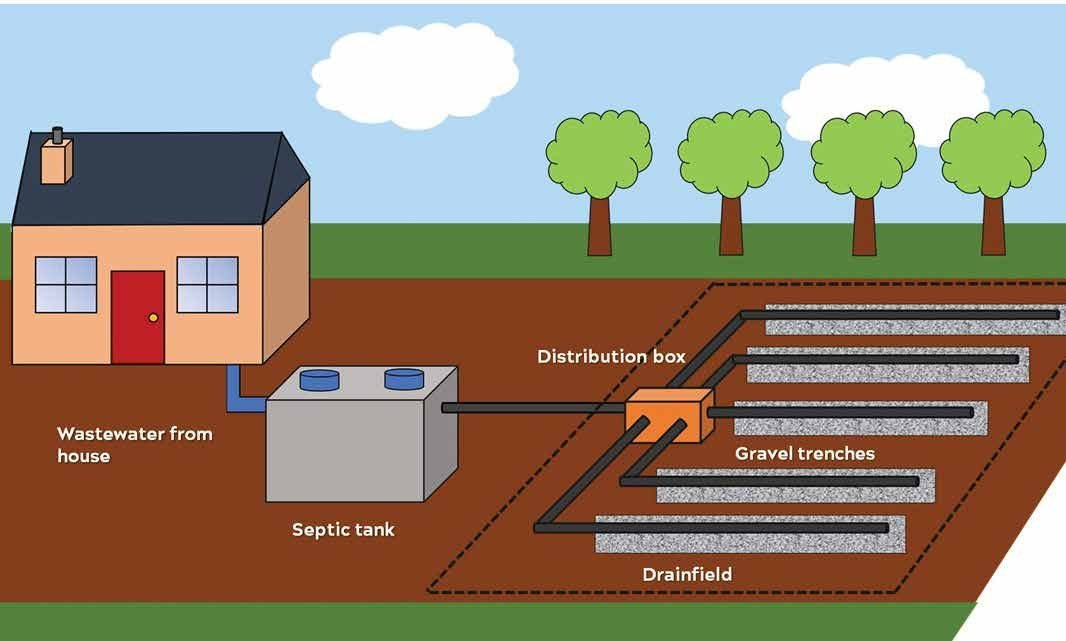
Step 1: Locate and Access Your Septic Tank and Drain Field
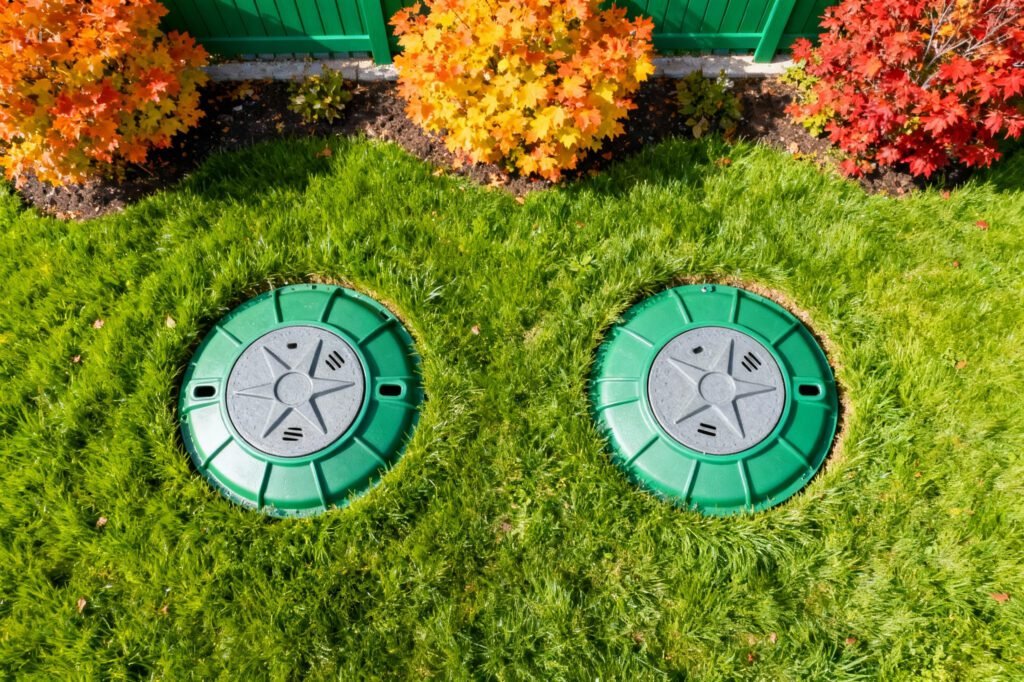
Use home blueprints, property maps, or past inspection records to find your system’s tank and drain field. Remove or clear access covers carefully to allow for proper inspections and servicing.
Step 2: Visually Inspect Tank and Components
Look for visible damage, cracks, leaks, or moist spots on and around the tank and lids. Inspect inlet/outlet pipes for signs of corrosion, clogs, or compromised seals. Examine the drain field for soggy soil or foul smells—early warning signs of trouble.
Step 3: Schedule Professional Septic System Pumping
Arrange septic pumping every 3 to 5 years based on your household’s size and system capacity (per EPA guidelines). Regular pumping is crucial to prevent solids from escaping into—then clogging—the drain field. Always use a licensed professional for this service; DIY septic pumping is not permitted and exposes you to dangerous contaminants.
Step 4: Use Bacteria Additives When Advised
If recommended for your region or system, add only EPA-registered bacteria additives to the tank as directed by the manufacturer. This can enhance waste decomposition but is not necessary in most properly functioning systems according to the National Onsite Wastewater Recycling Association (NOWRA).
Step 5: Protect and Maintain Your Drain Field
- Never drive, park, or build structures on top of the drain field.
- Avoid planting deep-rooted trees or shrubs within 10–20 feet of the field (exact distance per local codes).
- Redirect roof gutters and runoff to keep extra water off your drain field and prevent soil saturation.
Check System Performance and Monitor Quality
How to Confirm Septic System Health
- Check for absence of surface leaks, standing water, or sewage odors around the tank and field.
- Monitor household drains and toilets—no gurgling, slow drainage, or backup should occur.
- Ensure all access lids are sealed securely after each check.
Recommended Testing Procedures
- Track tank (sludge and scum) levels annually, using professional testing tools if needed.
- Arrange professional inspections at least every 3 years. Experts will test percolation rates and check tank integrity (CDC septic best practices, 2023).
Troubleshoot Common Problems
- If odors persist or you see backup, check for vent blockages or broken baffles; call a professional if unresolved.
- Pooling water over the drain field signals drainage failure—immediate expert assessment is recommended.
Maintain and Protect Your Septic System for the Long Term
Daily/Weekly Maintenance
- Do not flush wipes, feminine products, or paper towels—only human waste and toilet paper.
- Avoid pouring fats, oils, grease, or harsh chemicals down drains.
- Regularly observe for slow drains or anything out of the ordinary.
- Track water usage for spikes that can stress your system.
Monthly/Quarterly Checks
- Inspect risers and tank lids for cracks or damage.
- Check the drain field for soggy areas, odors, or unusual vegetation.
- Add bacteria additives if part of your approved maintenance regimen.
Warning Signs and Replacement Needs
- Persistent odors, water pooling, or frequent backups (less than three years apart between pumpings) means it’s time to replace damaged components or call a specialist.
- Cracked lids, pipes, or signs of root penetration require prompt repair or replacement to avoid total system failure.
Expert Tips and Recommended Upgrades
Pro Strategies for Efficiency
- Install water-saving toilets and faucets to reduce daily load.
- Stagger laundry loads and major water use to spread out demand on the system.
- Address leaks and drips immediately—chronic excess water shortens system life.
Smart Tools and Equipment
- Add a tank riser for safer, quicker access during routine inspections.
- Invest in a drain field moisture meter to detect over-saturation before it causes system damage.
- Consider a basic inspection camera for viewing pipe interiors if you have an older system or frequent issues.
System Customization Ideas
- Upgrade to aerobic treatment units for more efficient waste breakdown (confirm with local health department for approval).
- Install effluent filters to trap solids before they reach the drain field.
- Use thoughtful landscaping—shallow-rooted grass or wildflowers can help absorb water and prevent erosion.
Frequently Asked Questions
How often should I schedule septic system pumping?
Schedule septic tank pumping every 3 to 5 years, depending on household size, tank volume, and system usage. Frequent pumping may be required for larger or heavily used households, per EPA guidelines.
Can I use septic system bacteria additives regularly?
Yes, but only use EPA-approved additives following the manufacturer’s directions. Unnecessary or excessive use can sometimes disrupt natural bacterial balance. Ask your service professional if your system truly needs additives.
What are the early warning signs of a failing septic system?
Be alert for slow drains, sewage smells indoors or outdoors, persistent wet spots or surface pooling near the drain field, or frequent backups. These symptoms require immediate attention from a licensed technician.
Is inspection still necessary if my tank is pumped regularly?
Yes. Pumping removes solids, but only an inspection can reveal issues like tank integrity, early damage, or drain field problems. Schedule professional inspections every 1–3 years, as recommended by the EPA and CDC.
How does septic maintenance fit with other home care?
Integrate septic checks with your regular seasonal maintenance (spring yardwork, gutter cleaning, etc.) to ensure no task gets missed and to protect all home systems efficiently.
What safety steps should I follow for septic maintenance?
Always wear gloves, mask, and goggles; never attempt entry or deep cleaning yourself; keep children and pets away from work areas. Consult professionals for any in-tank work or if in doubt about procedure.
Can I plant trees near the septic drain field?
No. Keep deep-rooted trees at least 10–20 feet away from the field to prevent roots from blocking or breaking your system’s pipes and causing failure, as specified in many local regulations.
How can I conserve water to help my septic system last longer?
Install low-flow fixtures, repair leaks promptly, and avoid running multiple high-water-use appliances at the same time. Less water usage means less system stress and longer lifespan.
Quick Recap: Core Septic System Maintenance Steps
- Inspect and clean tank and drain field with each change of season.
- Pump the septic tank every 3–5 years with a licensed professional.
- Follow safety protocols, and avoid dangerous or prohibited DIY methods.
- Check for warning signs and address issues early.
- Integrate septic care into your full home maintenance plan for best results.
Key Takeaways
Year-round septic system maintenance is an essential part of responsible homeownership. By sticking to a seasonal routine, using approved tools and products, and hiring professionals for critical tasks, you’ll prevent most problems before they start. Not only does this protect your family’s health and your property’s value, but it also saves money and stress over time. Use this guide to keep your septic system—and your home—in top shape, all year long.
External Resources for Further Reading
- EPA: Septic Systems
- National Onsite Wastewater Recycling Association (NOWRA)
- CDC: Septic Systems and Protecting Your Health (2023)
Ready to keep your septic system—and your whole home—running like clockwork? Sync your septic care with your seasonal checklist now, and enjoy fewer surprises and a safer environment for your family.

Leave a Reply