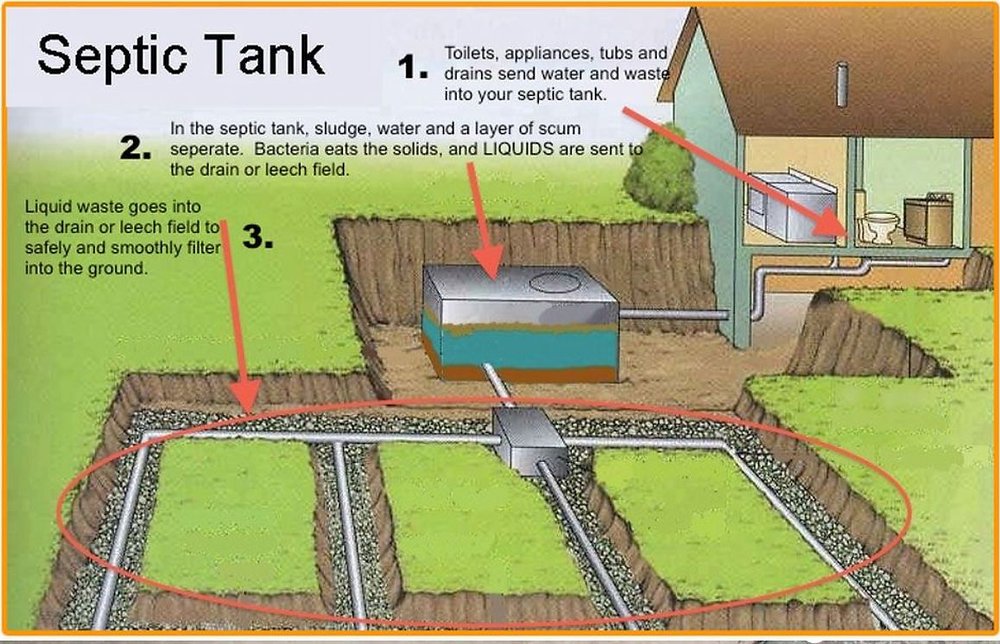
Quick Answer: To maximize the lifespan of your septic system and avoid costly repairs, follow these 10 essential rules: conserve water, flush only human waste and septic-safe toilet paper, avoid garbage disposals, schedule professional pumping every 3-5 years, keep oils and chemicals out, protect your drain field, maintain access points, limit detergents, properly handle water softener backwash, and educate all household members. Regular maintenance and daily best practices prevent system failures in full compliance with EPA and local health department guidelines.
- Never flush anything except human waste and septic-safe toilet paper.
- Schedule septic pumping every 3-5 years – don’t wait for warning signs.
- Compost or dispose of food scraps; do not use a garbage disposal for septic systems.
- Protect your drain field by keeping it clear of vehicles, trees, and heavy structures.
- Educate everyone in your home on essential do’s and don’ts to prevent accidental damage.
Table of Contents
Did you know improper septic use is one of the leading causes of costly home repairs and environmental contamination? Even a single misstep can disrupt your system’s health for years. This concise, authoritative 10-rule poster guide helps you avoid the most common – and expensive – mistakes. Use it as your daily reference and safeguard both your property and community health.
The Complete Countdown: 10 Septic System Do’s and Don’ts
| # | DO | DON’T | Reason & Reference |
|---|---|---|---|
| 1 | Conserve water to prevent system overload. | Don’t flood drains with excess water. | Prevents backflow and encourages proper bacterial action (EPA, 2022). |
| 2 | Only flush human waste and septic-safe toilet paper. | Don’t flush hygiene products, wipes, or toxins. | Prevents pipe clogs and maintains biological balance (EPA, 2022). |
| 3 | Compost or properly dispose of food scraps. | Don’t use a garbage disposal. | Reduces sludge buildup and pumping frequency (NSF standards). |
| 4 | Schedule professional septic pumping every 3–5 years. | Don’t wait for failure signs like slow drains or odors. | Prevents overflow and system damage (EPA, 2022). |
| 5 | Dispose of oils, grease, and chemicals safely. | Don’t pour them into sinks or toilets. | Protects beneficial bacteria; prevents system imbalance (EPA, 2022). |
| 6 | Maintain grass cover over the drain field. | Don’t plant trees or build heavy structures on top. | Prevents root intrusion and pipe damage (EPA, 2022). |
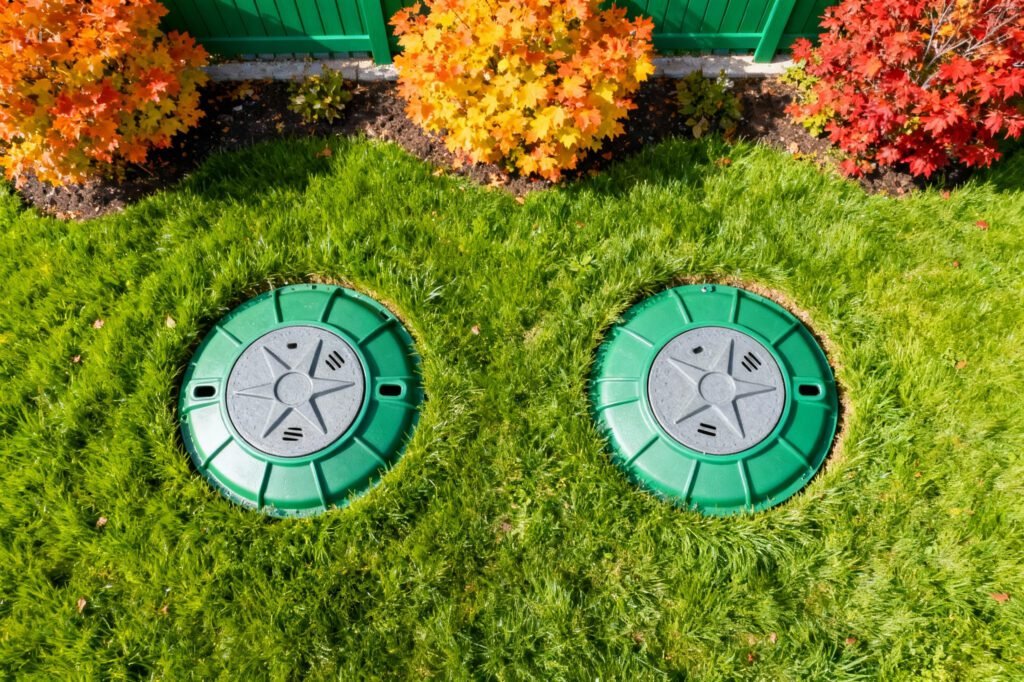
| 7 | Keep access lids and risers clear for inspections. | Don’t cover lids with soil or debris. | Ensures safe, easy maintenance (local health department guidelines). |
| 8 | Minimize both garbage disposal and detergent use. | Don’t overload system with cleaning products or water. | Protects bacteria and system integrity (EPA, 2022). |
| 9 | Route water softener backwash away from your septic system. | Don’t allow backwash to enter the tank. | Preserves bacterial activity and prevents disruption (EPA, 2022). |
| 10 | Educate all residents and tenants about septic rules. | Don’t assume everyone understands the guidelines. | Consistency prevents accidental system damage (EPA, 2022). |
Analyze the Top 10: Patterns, Cost Efficiency, and Expertise Needed
Identify Common Success Patterns
All recommended do’s focus on keeping your tank’s bacteria healthy and maintaining the system’s structure. Each don’t targets a common homeowner mistake that can introduce chemicals, solids, water overload, or soil disruptions – all leading causes of failure cited by the U.S. EPA. Prevention is emphasized through consistent, simple habits that reduce risk before issues develop.
Compare Cost-to-Value Ratios
Pumping your system every 3-5 years and eliminating garbage disposal use involve moderate investment but the greatest savings by preventing emergency repairs or replacements (EPA, 2022). Water conservation and correct waste flushing are free yet produce exceptional long-term system durability.
Evaluate Skill Level Requirements
The vast majority of best practices can be implemented by homeowners themselves. However, scheduling pumping and managing landscaping over drain fields (like tree root control) may require professional input for optimal outcomes and code compliance.
Honorable Mentions: Other Key Septic Practices
- Consider Enzymatic Septic Additives: May support bacteria but cannot replace core maintenance tasks.
- Install Risers for Easy Access: Improves convenience for future maintenance visits.
- Regularly Monitor System for Blockages: Requires some technical knowledge and tools.
- Avoid Parking Vehicles on Drain Field: Prevents soil compaction and pipe damage.
How to Use This List for Maximum Septic System Protection
Select the Right Actions for Your Home
- Start with water conservation and proper waste flushing for immediate impact.
- If you have a garbage disposal, switch to composting or trash for food waste.
- Base pumping intervals on your specific household size and tank capacity.
Follow a Step-By-Step Implementation Timeline
- Today: Educate your household and change poor flushing/drain habits.
- Within 6 Months: Schedule a professional inspection/pumping and assess your drain field’s condition.
- Annually: Adjust backwash and landscaping as needed for ongoing compliance and performance.
Common Mistakes to Avoid
- Delaying action when signs of trouble, such as slow drains or odors, start to appear.
- Trusting products labeled as “flushable” without checking for septic safety certification (NSF).
- Not updating new residents or tenants about your system’s specific do’s and don’ts.
Combine Multiple Practices for Best Results
Pairing water reduction strategies with limited detergent usage optimizes microbial activity. Using regular pumping in tandem with vigilant drain field care maximizes your system’s lifespan and reliability.
Frequently Asked Questions
What should never be flushed down a septic system?
Never flush sanitary napkins, diapers, wipes (even if advertised as “flushable”), cigarette butts, fats, oils, chemicals, or any non-biodegradable items. Only human waste and septic-safe toilet paper should enter the system, per EPA and NSF guidelines.
Can I use a garbage disposal with a septic system?
It is not recommended. Garbage disposals contribute excessive solids, leading to rapid sludge buildup and frequent pumping (EPA, 2022). Composting or trash disposal is preferable.
How often should my septic tank be pumped?
Every 3 to 5 years, depending on the number of occupants and tank size. Avoid waiting for signs of breakdown—proactive pumping prevents major repairs (EPA, 2022).
Does water softener backwash harm septic tanks?
Yes, if the backwash enters your septic system. It can disrupt beneficial bacteria and system function. Direct it elsewhere per EPA recommendations where possible.
How can I protect my drain field from physical damage?
Don’t drive or park on the drain field. Maintain grass cover and avoid tree planting nearby to prevent roots from invading pipes (EPA, 2022).
What are the warning signs that my septic system needs service?
Indicators include slow-running drains, foul odors near the tank or field, wet areas in the yard above the system, or sewage backup. Schedule service promptly to prevent severe failures.
Why is educating my household about septic rules so important?
Consistently following septic-safe practices is crucial. Even a single neglected “don’t” can result in costly failures, so ensure everyone knows and follows the rules.
Related Lists Every Septic Owner Should Use
- Septic System Maintenance Checklist for Every Season – Essential tasks by season for continuous protection.
- Top 7 Essential Septic System Repairs Explained – Spot common repairs early to avoid major expenses.
- Eco-Friendly Alternatives for Household Waste Disposal – Reduce system load and environmental impact with sustainable strategies.
External Resources
- U.S. Environmental Protection Agency: Septic Systems
- National Small Flows Clearinghouse: Septic System Best Practices
- Water Environment Federation: Residential Septic Systems
Consistent Septic System Care Pays Off
Following these 10 do’s and don’ts keeps your septic system compliant, efficient, and long-lasting, with minimal disruption to your property or neighborhood. Most tips require only simple behavioral changes—yet they deliver long-term value, preventing emergency repairs and protecting public health. Print or display this guide in your home to ensure everyone follows best practices, and refer to trusted resources for more information or when professional help is needed.
Protect your property and the environment: Download or print this top 10 septic system do’s and don’ts poster for your home today, and consult your local septic professional for system-specific guidance.

Leave a Reply