Quick Answer: For a healthy septic system, clean your effluent filter every 3–6 months by wearing protective gear, removing the filter, rinsing it with water, and reinstalling it securely. Always avoid harsh chemicals and check for filter damage. If damage or persistent clogs are found, replace with a compatible model for your system. Never bypass filter cleaning—neglect can cause blockages, backups, and expensive repairs (per EPA Septic Systems Guidelines, 2023).
- Regular filter cleaning prevents clogs, backups, and costly septic repairs.
- Use gloves, goggles, and proper tools to minimize health risks.
- Inspect and replace damaged filters to maintain system efficiency.
- Monitor system flow after cleaning; resolve persistent drainage issues promptly.
- Follow local sanitation codes and guidelines for safety and compliance.
Table of Contents
Ever wondered what stands between your home’s plumbing and a costly septic disaster? The answer might surprise you: a simple filter inside your septic system. Cleaning that septic effluent filter isn’t just recommended—it’s essential to prevent backups and protect your household. This straightforward guide, with step-by-step instructions and professional tips, will help you clean your septic filter efficiently, safely, and in line with EPA, CDC, and local health department standards.
Gather Tools and Set Up Your Workspace for Safe Septic Filter Cleaning
| Tool/Material | Purpose |
|---|---|
| Heavy-duty rubber gloves | Protect hands from wastewater and debris |
| Protective goggles | Shield eyes from splashes |
| Plastic bucket or container | Catch drips and hold filter |
| Garden hose with nozzle | Rinse filter thoroughly |
| Screwdriver/wrench | Remove access or housing cover |
| Septic-safe brush | Scrub off stubborn debris |
| Old towels/rags | Protect surrounding surfaces |
| Replacement filter (optional) | Swap out damaged filters |
| Disinfectant/diluted bleach | Clean work area afterward |
| Flashlight | Illuminate dark filter locations |
Protective Gear is Essential: Always wear heavy-duty gloves and goggles for this job. Septic tank effluent contains harmful bacteria—direct contact can lead to infection or illness. If you have any skin injuries, cover them securely or delay cleaning until healed.
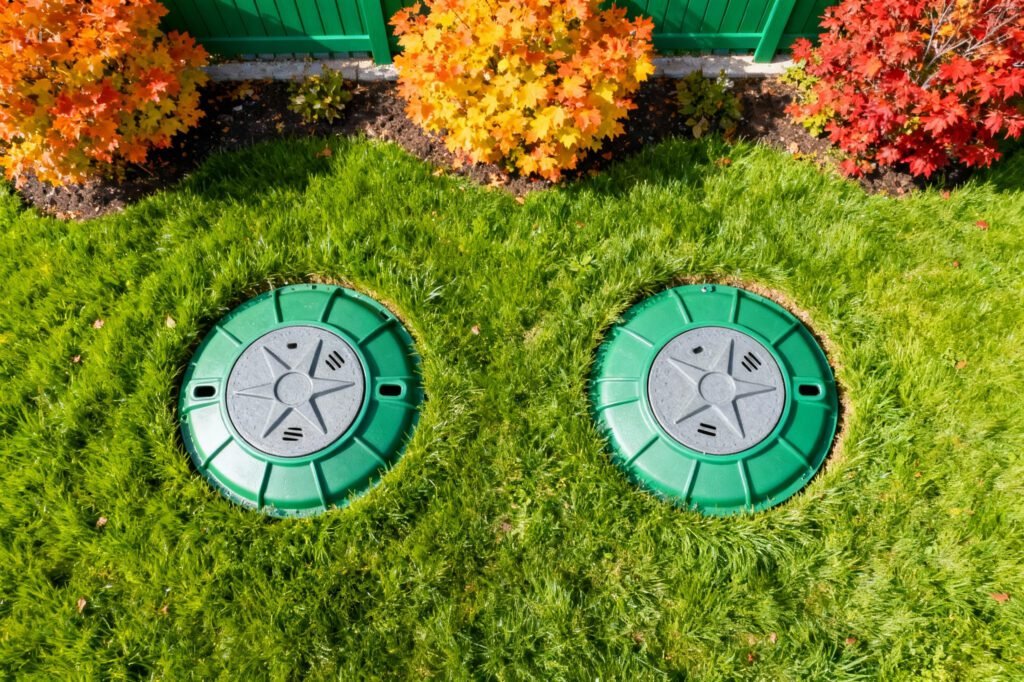
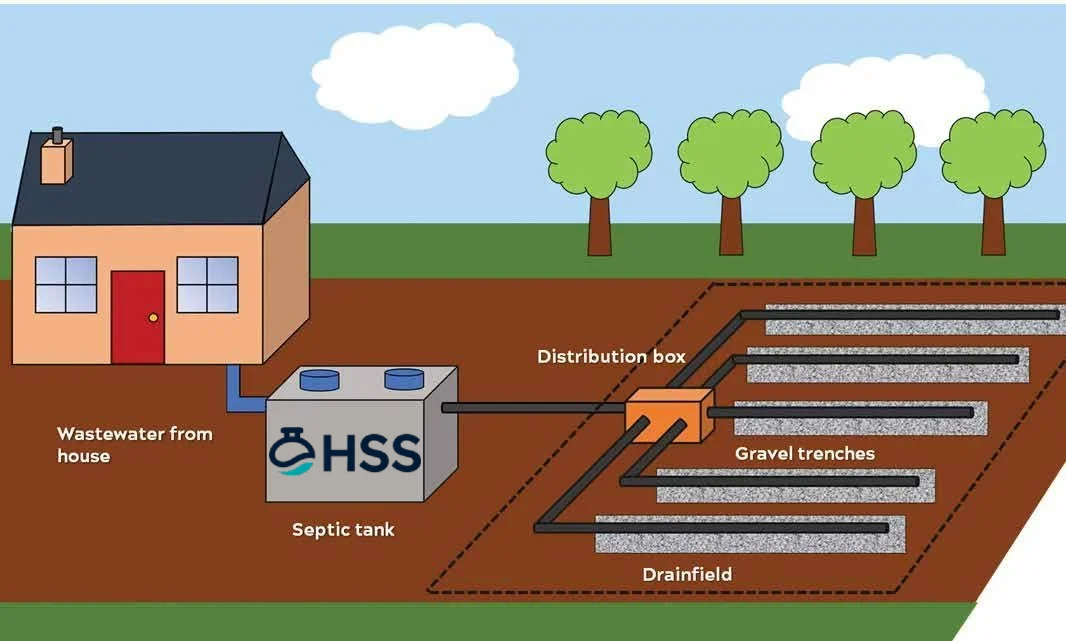
Work outside or ventilate your area well to avoid inhaling odors or gases. Prepare by clearing access to the filter housing (typically at the septic tank outlet), organizing your tools, and laying towels/rags to prevent spills. Have a bucket or container handy for filter removal and drips.
Follow Step-by-Step Instructions to Clean Your Septic System Filter
- Locate the Filter Housing: Find your septic filter chamber, usually on the tank’s outlet side. Remove the cover slowly with screwdriver/wrench—use a flashlight for visibility if needed.
- Remove the Filter: Carefully lift the filter straight up and hold it upright above your bucket/container to catch drips. Move slowly to minimize splashing.
- Inspect for Damage: Examine the filter for cracks, holes, or excessive wear. A damaged filter must be replaced with one matching your manufacturer’s specifications.
- Clean the Filter Thoroughly: Use your hose with spray nozzle to rinse away sludge and residue. Scrub gently with a septic-safe brush to remove stubborn buildup—never use harsh chemicals, as these can destroy beneficial bacteria crucial for your septic’s function (EPA Septic Systems, 2023).
- Reinstall the Filter: Return the clean (or new) filter to its slot, ensuring it’s snug and upright. Replace and firmly tighten the housing cover to block odors and leaks.
Test and Verify Your Septic System After Filter Cleaning
Flush Household Drains: Run water through several sinks or tubs to encourage flow through the cleaned filter. All drains should operate normally without backups or sluggishness.
Observe for 48 Hours: Monitor your yard near the tank and inside your home’s drains for any odors, slow drainage, or visible surfacing. Smooth flow and neutral odors signal success.
If problems persist (e.g., ongoing drainage issues, odors), inspect the filter placement and the housing seal. If the filter is seated correctly but issues remain, contact a licensed septic professional, as the cause may be a downstream blockage or system malfunction.
Maintain Your Septic System for Long-Term Performance
- Avoid Problematic Items: Never flush wipes, paper towels, sanitary items, or grease—these quickly clog the filter and tank (per EPA guidelines).
- Monitor Water Usage: High water flow can overload your filter and tank. Spread laundry and high-use tasks throughout the week.
- Routine Inspection: Check your septic filter every 3 to 6 months. In large households or where water use is high, inspect filter more often for early buildup.
- Filter Replacement: Swap out the filter if you see cracks, damage, or the filter remains clogged after thorough cleaning. Don’t delay replacement—damaged filters can compromise system performance and cause backups.
Apply Pro Tips for Effective and Safe Septic Filter Maintenance
- Clean Before Peak Season: Schedule filter maintenance before summer or periods of heavy plumbing use.
- Use a Flexible Hose Nozzle: This helps reach filter crevices, yielding a cleaner result.
- Invest in a Filter Cleaning Kit: Kits usually include specialized brushes, PPE, and a filter wrench for safer, faster work.
- Add a Filter Alarm: Install an effluent filter alarm to alert you if cleaning is overdue or flow is restricted, preventing emergencies.
Frequently Asked Questions (FAQ)
How often should I clean my septic system filter?
Every 3 to 6 months is recommended. Clean more frequently if you have a large household, guests often, or high water use. Consistent maintenance avoids clogs and expensive repairs (EPA, 2023).
What happens if I don’t clean my septic system effluent filter regularly?
Solids will build up, eventually clogging the filter—this causes slow drainage, sewage backups, bad odors, and costly system repairs. Regular cleaning is critical to avoid these problems.
Can I clean the septic system filter myself safely?
Yes. With gloves, goggles, and safe techniques, most homeowners can successfully clean their filter. Always follow EPA and CDC septic safety guidelines.
What tools are required to clean the septic system filter?
You’ll need heavy-duty gloves, safety goggles, a bucket, hose with nozzle, septic-safe brush, screwdriver or wrench, towels/rags, and (optionally) a new replacement filter.
How do I know if the septic system filter needs replacement?
Replace if you observe cracks, tears, or if clogs remain despite cleaning. Persistent clogging or filter damage immediately warrants a swap.
Is an odor normal while cleaning the septic filter?
Yes. Expect typical wastewater smells. Work quickly, ventilate the area, and always wear PPE to minimize risk and discomfort.
Can I use harsh chemicals when cleaning the septic filter?
No. Only use water and septic-safe brushes. Harsh chemicals can kill the beneficial bacteria vital to septic operation (see EPA Septic Guidance).
Quick Recap of Septic System Filter Cleaning Steps
- Put on gloves and goggles; assemble all tools at your workspace.
- Locate, uncover, and safely remove your septic system filter.
- Inspect the filter—replace if cracked or overly worn.
- Spray clean with water; scrub if necessary with a septic-safe brush.
- Reinstall filter, secure housing, and test drains for smooth operation.
- Monitor system performance for 48 hours; address problems promptly.
Related Resources
- Environmental Protection Agency (EPA): Septic Systems
- National Association of Wastewater Technicians: Septic Maintenance Tips
- CDC: Septic System Safety Guidelines
Key Takeaways:
Regular cleaning of your septic system filter is a simple but vital maintenance task to avoid frustrating backups and extend the life of your septic system. With proper tools, safety measures, and routine inspections, most homeowners can perform this maintenance confidently. Always consult local codes—and if in doubt or facing persistent issues, call a licensed septic professional. Your health, your home, and your wallet will thank you for it.
Ready to take the next step in septic care? Explore our detailed inspection guide or learn about DIY septic tank pumping. Stay proactive and prevent problems before they start!

Leave a Reply