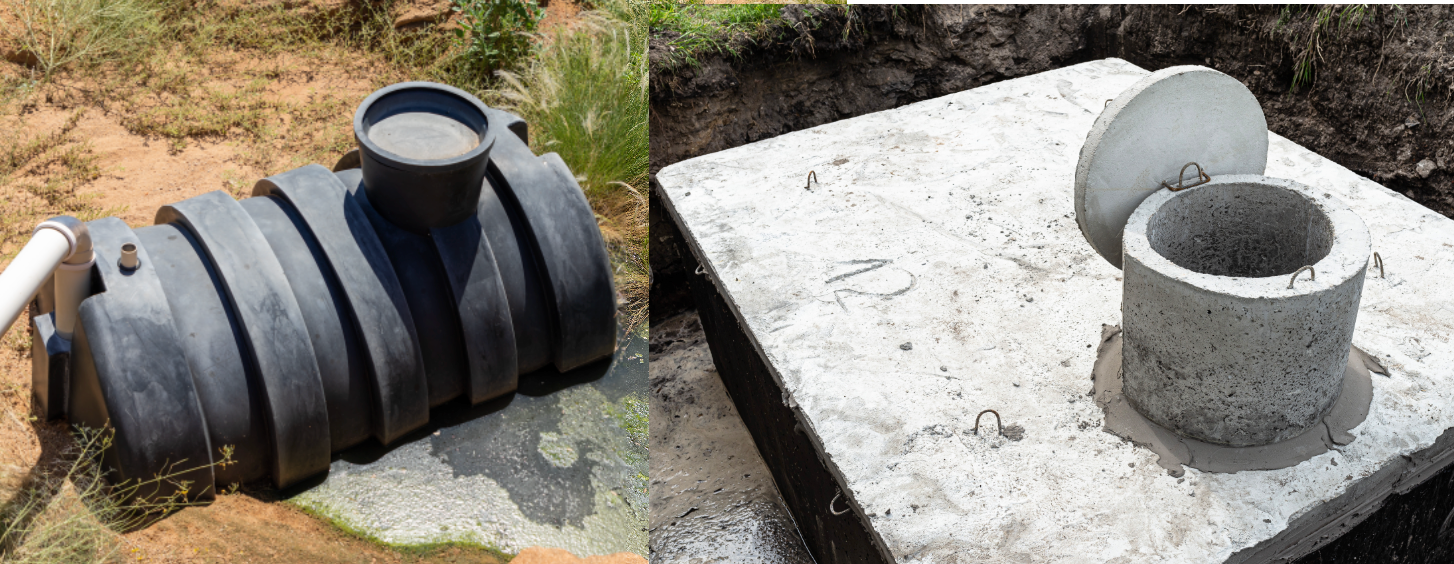
Concrete septic tanks typically cost $1,500-$4,000 upfront, are heavier, more durable in stable soil, and can last 50+ years. Plastic (HDPE) septic tanks are lighter, easier to install, and cost less initially ($1,000-$3,000), usually lasting 30-50 years. However, plastic tanks pose a risk of floating in high water tables or damage from heavy equipment. The optimal choice hinges on soil conditions, water table, installation ease, and your long-term budget.
Key Takeaways:
- Concrete Tanks: Higher upfront cost, superior durability in stable soil, longer lifespan potential (50+ years).
- Plastic Tanks: Lower upfront cost, easier installation, lighter weight, potential floatation risk, lifespan 30-50 years.
- Critical Factors: Soil stability, water table height, installation budget, and local regulations are paramount.
Table of Contents
Introduction: The Foundation of Your Home’s Wastewater System
The septic tank is the crucial first line of defense in your home’s wastewater management system, collecting and treating effluent from toilets, sinks, and showers before it flows to the drain field. The material of this vital component—primarily concrete vs plastic (HDPE) septic tanks—significantly influences installation, longevity, maintenance, and overall cost. While many guides offer surface-level comparisons, this comprehensive analysis delves into the nuanced pros and cons, examines long-term cost-effectiveness over three decades, and highlights critical site-specific factors like soil conditions and local regulations. Understanding these differences is paramount for ensuring a reliable and enduring wastewater treatment system.
The Septic System Problem: Why Tank Material is Crucial
A septic system’s core function is the safe and effective management of household wastewater. System failure can lead to severe consequences, including:
- Health Hazards: Sewage backups contaminate homes with harmful bacteria and pathogens.
- Environmental Contamination: Leaks can pollute groundwater and local ecosystems.
- Extensive Repair Costs: Failed drain fields or compromised tanks can cost tens of thousands of dollars.
- Reduced Property Value: A malfunctioning septic system is a significant deterrent for potential buyers.
- Regulatory Violations: Non-compliance with local health department standards can result in fines.
The septic tank’s material directly impacts its resilience against underground pressures, its ability to contain waste, and the overall reliability of the system. Choosing the wrong material can accelerate wear, increase failure risks, and incur unexpected expenses.
Solution: Choosing the Right Septic Tank Material
The optimal solution involves aligning the distinct characteristics of concrete vs plastic septic tanks with your specific property needs and long-term goals.
Concrete Septic Tanks: The Traditional Workhorse
Concrete tanks are the established industry standard, valued for their robust construction.
Key Advantages:
- Durability & Longevity: Properly installed concrete tanks can last 50+ years, resisting crushing forces from stable soil.
- Weight & Stability: Their significant weight prevents floating, especially crucial in high water table or flood-prone areas.
- Resistance: Impervious to fire and rot.
- Repairability: Minor cracks can often be professionally repaired.
- Neutral pH: Does not leach chemicals.
Potential Disadvantages:
- Higher Upfront Cost: Generally more expensive to purchase and install.
- Heavy & Difficult Installation: Requires heavy machinery, increasing labor costs.
- Cracking Risk: Can crack over time due to soil shifting or freeze-thaw cycles.
- Porous Nature: Can be slightly porous, though designed to be watertight.
- Curing Time: New tanks require a curing period.
Plastic Septic Tanks (HDPE): The Modern Lightweight Contender
High-Density Polyethylene (HDPE) tanks offer ease of installation and lower initial costs.
Key Advantages:
- Lower Upfront Cost: Typically more affordable than concrete.
- Lightweight & Easy Installation: Reduced labor and machinery costs, minimal site disruption.
- Corrosion/Rot Resistant: Impervious to rust and decay.
- Watertight: Seamless construction ensures excellent seals.
- Smooth Interior: Resists solid material adhesion, simplifying cleaning.
Potential Disadvantages:
- Buoyancy/Floating Risk: Lighter weight makes them susceptible to displacement in high water tables or saturated soils.
- Crushing Susceptibility: Can be damaged by heavy equipment or shifting soils if not properly protected.
- Shorter Lifespan (Generally): Typically rated for 30-50 years, potentially less than concrete.
- Installation Damage: More prone to scratches or damage during handling.
- Chemical Sensitivity: May be affected by prolonged exposure to extreme chemicals.
The 30-Year Cost Comparison: Concrete vs Plastic Septic Tanks
A long-term cost analysis reveals that while upfront prices differ, the total cost of ownership over 30 years is often comparable.
Assumptions: Average 4-person household, pumping every 3-5 years, mid-range regional costs.
Concrete Tank – 30-Year Cost Projection:
- Upfront Purchase & Installation (2026): $1,500 – $4,000 (Avg. $2,750)
- Pumping (7 pumpings @ $450/pump): $3,150
- Inspections/Minor Repairs: $1,000
- Total Estimated 30-Year Cost: ~$6,900
Plastic Tank – 30-Year Cost Projection:
- Upfront Purchase & Installation (2026): $1,000 – $3,000 (Avg. $2,000)
- Pumping (7 pumpings @ $450/pump): $3,150
- Potential Ballasting/Anchoring (High Water Table): $500 – $1,500 (Avg. $1,000)
- Contingency (Potential Repairs/Earlier Replacement): $500
- Total Estimated 30-Year Cost: ~$6,650
Analysis: The 30-year cost projections are remarkably similar. Concrete’s higher initial cost is offset by its stability and longevity, while plastic’s lower upfront price is balanced by potential anchoring needs and a slightly shorter lifespan.
Crucial Caveats & Regional Variations:
- High Water Table/Flood Zones: Concrete’s weight is a significant advantage, potentially saving costs associated with anchoring plastic tanks.
- Soil Conditions: Stable, well-drained soil favors plastic. Shifting or expansive soils may benefit from concrete’s robustness.
- Northern Climates: Proper burial depth below the frost line is critical for both; material differences are less impactful than installation depth.
- Site Accessibility: Easier installation of plastic tanks can yield significant labor savings in tight or remote locations.
- Local Regulations: Always verify specific county/state requirements for tank materials.
- Garbage Disposal Use: Increases solids, requiring more frequent pumping for both tank types, adding to long-term costs.
Deeper Dive: Key Factors in Your Decision
1. Soil Conditions and Water Table:
- High Water Table/Flood Prone: Concrete’s weight is highly advantageous. Plastic tanks require robust anchoring to prevent flotation, adding cost and complexity.
- Stable, Well-Drained Soil: Plastic tanks perform well, with simpler installation.
- Rocky Terrain: Plastic tanks may be easier to maneuver, but require protection from sharp rocks. Concrete installation can be more challenging.
- Expansive Clay Soils: Concrete’s rigidity offers better resilience against significant soil pressure fluctuations.
2. Installation Logistics and Cost:
- Equipment Needs: Concrete requires heavy machinery; plastic often needs only smaller equipment, potentially saving thousands in installation fees.
- Backfilling: Critical for both. Plastic tanks may require specific granular materials and careful compaction for stability.
- Site Accessibility: Difficult access often favors the lighter weight and maneuverability of plastic tanks.
3. Longevity Expectations and Maintenance:
- Long-Term Investment: For homeowners planning 40-50+ years, a well-maintained concrete tank often provides superior longevity.
- Lifecycle Cost: While initial costs vary, the total cost over decades can be similar. However, premature failure of a plastic tank incurs higher lifetime costs.
- Pumping & Cleaning: Frequency is dictated by usage, not material. Both require regular pumping.
4. Environmental Impact and Regulations:
- Manufacturing: Concrete has a higher initial carbon footprint, but concrete’s longevity can equalize lifecycle impact. Plastic relies on fossil fuels.
- Local Codes: Crucially, consult your local health department. They often mandate specific materials, sizes, and installation standards based on regional conditions. Adherence to local regulations is non-negotiable.
Frequently Asked Questions: Concrete vs Plastic Septic Tanks
Can I use a garbage disposal with either tank type?
While possible, it significantly increases solid waste, necessitating much more frequent pumping (potentially annually) for both concrete and plastic tanks. Minimal or no garbage disposal use is recommended.
Which tank is better for cold climates?
Both can perform well if installed at the proper depth below the frost line. Concrete’s mass may offer slight insulation, but installation depth is the primary factor for preventing freezing.
How do I know if my septic tank needs replacement?
Signs include frequent backups, slow drains, sewage odors, or unusually lush areas over the drain field. Age (over 30-40 years) is also an indicator. A professional inspection is the definitive way to assess system condition.
Are there specific maintenance differences?
Pumping frequency is similar. Plastic tanks require extra vigilance regarding installation stability and buoyancy risks. Concrete tanks should be monitored for cracks over time. Always follow manufacturer and local health department guidelines.
Can a plastic tank float away?
Yes, this is a risk if the tank is empty or partially empty in saturated soil or a high water table. Proper installation involving ballast or anchoring is critical to mitigate this risk. This is a key consideration when choosing between concrete vs plastic septic tanks in wet areas.
What is the lifespan difference?
Concrete tanks can last 50+ years with proper maintenance. Plastic (HDPE) tanks typically last 30-50 years.
Conclusion: Making the Informed Choice
The best septic tank material—concrete vs plastic—depends entirely on your specific circumstances.
Choose Concrete if:
- You have a high water table or live in a flood-prone area.
- Maximum potential lifespan and inherent stability are priorities.
- Your budget accommodates a higher upfront investment.
- Soil conditions are challenging (shifting, expansive clay).
- Local regulations require or favor it.
Choose Plastic if:
- Upfront cost is a primary concern.
- Site access requires lighter equipment.
- You have stable, well-drained soil and a low water table.
- Ease and speed of installation are significant factors.
- You understand and mitigate buoyancy risks through proper installation.
Your Action Plan:
- Assess Your Site: Analyze soil type, water table levels, and accessibility.
- Consult Local Regulations: Contact your county health department for material requirements.
- Get Multiple Quotes: Obtain detailed installation quotes for both materials from licensed professionals.
- Factor in Long-Term Costs: Consider the total cost of ownership, including pumping and potential anchoring.
- Prioritize Professional Installation: Regardless of material, expert installation is paramount for system longevity and reliability.
By carefully evaluating these factors, you can select the septic tank material that ensures reliable wastewater treatment for years to come.
Ethical Disclosure: This article contains affiliate links. We may earn a commission from qualifying purchases at no extra cost to you. Tank prices and pumping costs vary by region. Always hire licensed, insured professionals. Septic regulations differ locally; consult your health department. Septic system work carries inherent risks; professional training is essential.

Leave a Reply