“STOP,” “Call,” “Never pour.”
A septic backup is an emergency. STOP ALL WATER USE IMMEDIATELY. Call a 24/7 septic service professional right away. Key signs include sewage odors, slow drains, or backups in toilets and sinks. Don't attempt DIY fixes; you risk health hazards and further system damage.
- Key Point 1: If you see or smell sewage, STOP all water use.
- Key Point 2: Call a licensed, insured 24/7 septic service provider immediately.
- Key Point 3: Never pour chemicals or unclogging agents down drains during a backup.
Table of Contents
When Your Septic System Becomes a Crisis
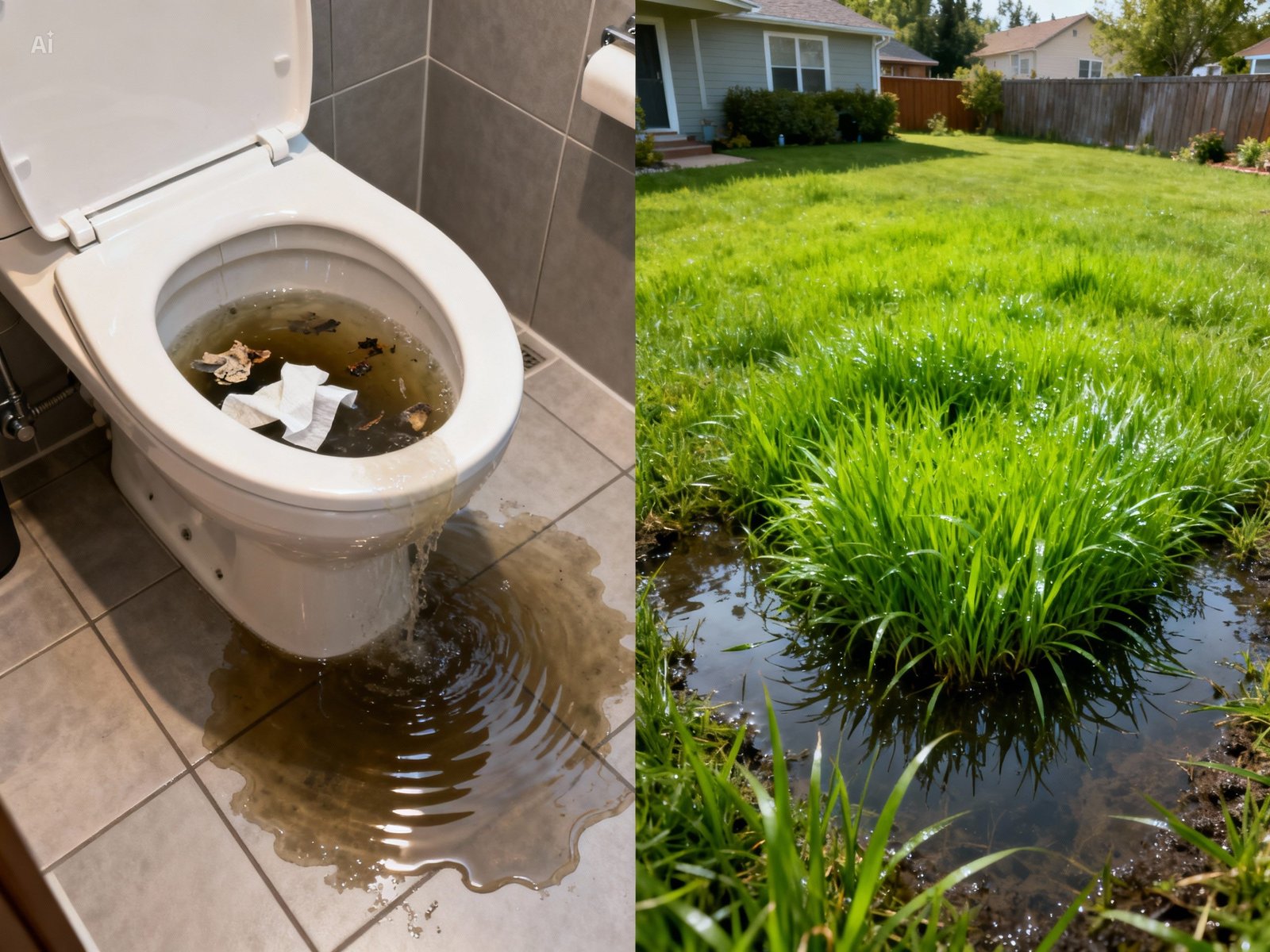
The smell hits first – a foul, unmistakable odor of sewage creeping into your home. Then, drains start to gurgle, toilets refuse to flush properly, or worse, wastewater begins to back up into your lowest plumbing fixtures, like a bathtub or floor drain. This is the nightmare scenario for any homeowner with a septic system: a septic backup, and it demands immediate, decisive action from reliable emergency septic services.
A septic system is a complex underground marvel, silently treating your home’s wastewater. But when it fails, it can quickly turn into a messy, hazardous, and expensive crisis. Unlike a clogged sink that a plunger can often fix, a septic backup is a serious issue that can flood your home with harmful bacteria and viruses, damage your property, and potentially lead to significant repair or replacement costs if not handled correctly.
TL;DR: A septic backup is a serious health hazard and property damage risk. Act fast: stop water use, call 24/7 emergency septic services, and avoid DIY fixes.
This guide isn’t about regular maintenance; it’s about crisis management. We’ll walk you through the essential 5-step plan to tackle a septic emergency head-on, from immediate containment to finding reliable emergency septic services. You’ll learn what to do, what absolutely not to do, and how to choose the right professionals to get your system back online safely and efficiently.
What causes a septic system to overflow and backup?
A septic system has two main components: the septic tank and the drain field (or leach field). Wastewater from your home flows into the septic tank, where solids settle to the bottom (sludge) and lighter materials like grease and oil float to the top (scum). Bacteria in the tank partially break down these solids. The liquid wastewater, called effluent, then flows out to the drain field, which consists of perforated pipes buried in gravel beds. Here, the effluent is further filtered and treated by soil and microorganisms before it can return to the groundwater.
A septic backup or overflow occurs when this process breaks down. According to the EPA, the most common culprits include:
- Overloaded Tank: Pumping too much water into the system too quickly can overwhelm the tank’s capacity, pushing solids into the drain field. This can happen with excessive use of water, large laundry loads, or multiple bathrooms being used simultaneously.
- Clogged Drain Field: Over time, the drain field can become clogged by accumulated solids, biomat buildup, or root intrusion. When the drain field can no longer absorb effluent, it backs up into the tank and, eventually, into your home.
- Tank Issues: A damaged baffle, a full tank (needing pumping), or even a collapsed tank can lead to system failure and backups.
- Improper Usage: Flushing non-biodegradable items, using harsh chemicals, or excessive use of garbage disposals can disrupt the bacterial balance in the tank and clog the system.
The result is a dangerous and unsanitary situation. Raw sewage contains pathogens like E. coli, Salmonella, and Hepatitis A, which can cause severe illness. Beyond the health risks, sewage can damage flooring, drywall, furniture, and carpets, leading to expensive remediation and restoration.
Your 5-Step Crisis Plan for Septic Emergencies
When faced with a septic backup, panic is your worst enemy. A clear, actionable plan is crucial. Here’s how to respond.
Step 1: Immediate Containment – Stop the Flow!
This is the most critical step. As soon as you notice signs of a backup (sewage odors, gurgling, slow drains, or visible sewage), STOP USING WATER IMMEDIATELY.
- Turn off all water sources: This includes toilets, sinks, showers, washing machines, dishwashers, and even automatic ice makers.
- Avoid flushing toilets: If a toilet is backing up, do not flush it, even if it seems to have cleared.
- Don’t use drains: Resist the urge to run water down any sink or shower drain.
- Contain spills: If sewage has backed up, try to contain the spread with towels or mops, but wear protective gear (gloves, masks).
⚠️ CRITICAL WARNING: Never attempt to use chemical drain cleaners or plungers to force a clog during a septic backup. These can push the problem further into the system, cause a more significant backup, or release toxic gases from the septic tank, posing a serious health risk.
Step 2: Locate Your Septic Tank & Identify Service Needs
While you’re waiting for professional help, try to locate your septic tank and its access lids. This information will be invaluable for the service technician.
- Check your home’s records: Septic tank location is often noted on property deeds, closing documents, or maintenance logs.
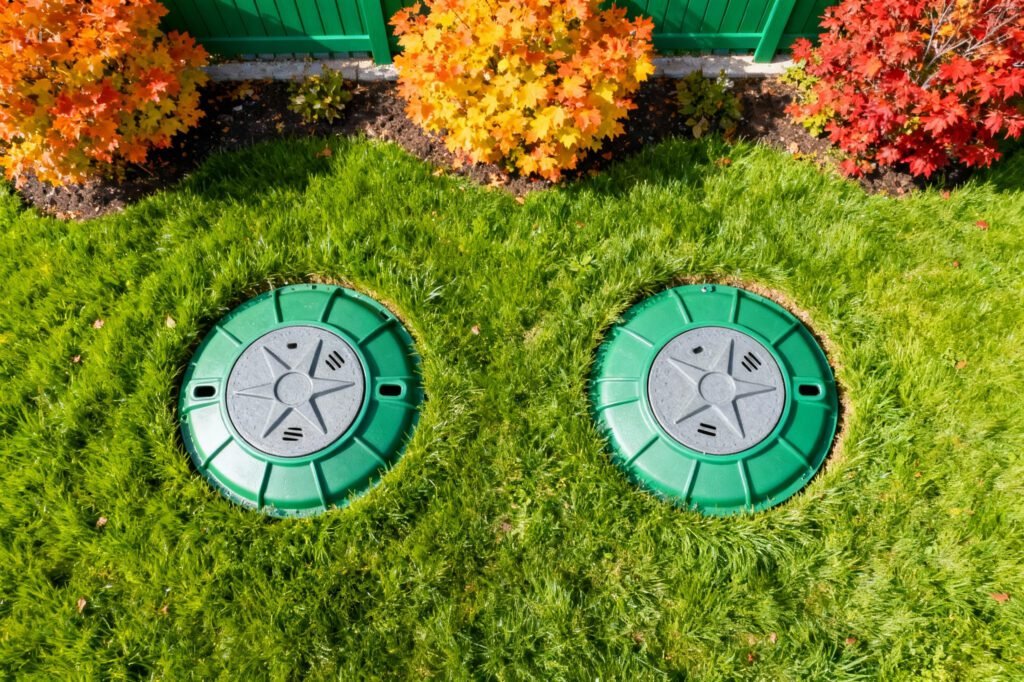
- Visual cues: Look for a large, buried rectangular or circular structure in your yard, usually 10-20 feet from your home. You might see two access lids. Sometimes, the ground above the tank is slightly depressed.
- Professional help: If you can’t find it, a septic service company can often locate it using specialized equipment.
- Assess the situation: Is it a full backup (sewage coming out of fixtures)? Is there pooling water or unusually green grass in your yard, indicating a drain field issue? This information helps the technician diagnose the problem faster.
Step 3: Call for Professional Emergency Septic Services
This is not a DIY job. You need licensed and insured emergency septic services with experience in handling septic backups and overflows.
- Search for “24/7 septic service near me”: Look for companies that specifically advertise emergency response for septic emergencies.
- Verify credentials: Ensure the company is licensed and insured in your state and county. Ask for references if possible.
- Ask about their process: Inquire about their emergency response times, the services they provide (pumping, inspection, minor repairs), and their pricing structure for emergencies.
- Be prepared to describe the issue: Clearly explain the symptoms: sewage backup, odors, location of the backup (toilet, sink, floor drain), and whether you’ve stopped using water.
Step 4: Cooperate with the Technician & Understand the Diagnosis
Once the 24/7 septic service professional arrives, work with them closely. They will likely perform an inspection to determine the cause of the septic overflow.
- Allow access: Give them access to the tank, drain field, and any relevant plumbing areas.
- Listen carefully: Pay attention to their diagnosis. According to leading septic professionals, common causes for emergencies include:
- Full Tank: Requiring immediate pumping. This is often the simplest emergency to resolve.
- Clogged Inlet/Outlet Baffle: Preventing proper flow.
- Drain Field Saturation: The drain field cannot accept more liquid, leading to backup. This is a more serious issue.
- Mechanical Failure: A broken pump in a complex system, or a collapsed tank.
- Ask questions: Don’t hesitate to ask for clarification on what caused the problem and what the recommended solution is.
Step 5: Post-Emergency Cleanup & Prevention
After the immediate crisis is resolved (usually by pumping the tank), proper cleanup and preventative measures are essential.
- Sanitize: Thoroughly clean and disinfect any areas affected by sewage. Use appropriate cleaning agents (diluted bleach solutions are often recommended, but check manufacturer guidelines).
- Ventilate: Open windows and use fans to air out the home and remove odors.
- Dispose of contaminated materials: Discard any porous materials (carpets, upholstered furniture) that cannot be effectively sanitized.
- Address the root cause: If pumping was the solution, schedule regular pumping every 3-5 years. If the drain field is the issue, further investigation and potential repair or replacement may be needed.
- Review usage habits: Be mindful of what goes down your drains and toilets. Avoid grease, non-biodegradable items, and excessive use of garbage disposals.
Septic System Emergency: Key Differences Explained
| Feature | Septic Backup | Septic Overflow | Septic System Failure |
|---|---|---|---|
| Definition | Wastewater backs up into home fixtures. | Wastewater surfaces onto the ground. | System is not treating or draining waste. |
| Primary Cause | Clogged pipes, full tank, drain field issue | Drain field saturation, tank over-pumping | Long-term neglect, drain field collapse |
| Immediate Risk | Health hazard (bacteria), property damage | Environmental contamination, odor, mold | Health hazard, property damage, cost |
| First Action | Stop all water use, call emergency services | Stop water use, prevent runoff, call pros | Stop water use, call specialized pros |
| Typical Fix | Pumping, drain cleaning, tank repair | Drain field inspection/jetting, pumping | Tank pumping, drain field repair/replacement |
| When to Call | Immediately when signs appear. | Immediately when wastewater surfaces. | As soon as warning signs are noted. |
Recommended Products for Septic Health (Post-Emergency)
While you can’t solve an emergency with a product, maintaining your septic system after an emergency can prevent future crises.
- Septic Tank Treatments:
- Rid-X Septic System Treatment
- Description: A popular choice containing beneficial bacteria that help break down waste. Best used monthly for maintenance.
- Availability: Home Depot, Lowe’s, Amazon, Walmart
- Price Range: $10-$20 per box (treats for several months)
- Affiliate Link: Rid-X price comparison at Amazon
- Green Gobbler Septic Saver
- Description: Enzyme-based formula designed to liquefy organic waste.
- Availability: Amazon, Tractor Supply Co.
- Price Range: $25-$50 per bottle (treats for several months)
- Affiliate Link: Shop Green Gobbler Septic Saver
- Bio-Clean Drain Septic Treatment
- Description: A blend of dormant bacteria and enzymes.
- Availability: Amazon, specialized plumbing supply stores
- Price Range: $30-$60 per container
- Affiliate Link: Find Bio-Clean Septic Treatment
- Rid-X Septic System Treatment
- Comparison: Bacterial treatments like Rid-X work by adding beneficial bacteria that are naturally present in healthy septic tanks. Enzyme treatments, like Green Gobbler, use enzymes to break down waste. Both can aid in digestion and odor control. For post-emergency maintenance, a consistent bacterial treatment is often recommended by professionals to support the natural digestive process. Always follow product instructions carefully and consult your septic professional.
- Septic Monitoring Systems:
- SJE Rhombus Pump Control/Alarm: These systems monitor the liquid level in your septic tank or pump chamber and alert you with an audible and visual alarm if the level gets too high, indicating a potential backup. Crucial for systems with pumps.
- Availability: Amazon, specialized electrical/plumbing suppliers
- Price Range: $150-$400
- Affiliate Link: Explore SJE Rhombus Alarms
- SJE Rhombus Pump Control/Alarm: These systems monitor the liquid level in your septic tank or pump chamber and alert you with an audible and visual alarm if the level gets too high, indicating a potential backup. Crucial for systems with pumps.
- Effluent Filters:
- Infiltrator Water Technologies Quick4 Filter: An effluent filter installed in the outlet baffle of your tank can catch solids that might otherwise escape into the drain field, helping to extend its life.
- Availability: Plumbing supply stores, online retailers
- Price Range: $50-$150
- Note: Requires professional installation and cleaning (part of regular maintenance).
- Infiltrator Water Technologies Quick4 Filter: An effluent filter installed in the outlet baffle of your tank can catch solids that might otherwise escape into the drain field, helping to extend its life.
Authority Note: While these products can aid maintenance, the EPA and NOWRA (National Onsite Wastewater Recycling Association) emphasize that regular pumping is the most critical preventative measure. No additive can replace the physical removal of accumulated solids.
DIY vs. Professional: What NOT to Do During a Septic Emergency
When sewage is backing up, the temptation to try a quick fix is strong. However, attempting extensive DIY repairs during an emergency can be dangerous and counterproductive.
- NEVER enter a septic tank: Septic tanks contain highly toxic gases like hydrogen sulfide and methane. Entering a tank without proper training and safety equipment can be fatal due to oxygen deprivation or poisoning.
- Avoid harsh chemicals: As mentioned, chemical drain cleaners can kill the beneficial bacteria needed for your septic system to function and can even cause corrosion or damage to pipes and tank components.
- Don’t ignore warning signs: If you notice slow drains or odors before a full backup, consider it a warning. This is the time to schedule routine pumping and inspection, not wait for an emergency.
- Don’t drive over your drain field: The soil and pipes in your drain field are not designed to support heavy weight. Driving or parking vehicles over it can crush the pipes and ruin the absorption area.
Frequently Asked Questions About Septic Emergencies
What are the main signs of a septic system nearing failure (not just backup)?
Look for consistently soggy or wet spots in your yard (especially over the drain field), persistent sewage odors around the tank or drain field, unusually lush or green grass in the drain field area, and drains that are sluggish even after pumping. These are indicators that the drain field may be failing or clogged.
Is it safe to use my garbage disposal with a septic system?
It is NOT recommended. Garbage disposals significantly increase the amount of solid waste entering your septic tank, requiring much more frequent pumping (potentially every 6-12 months) and increasing the risk of drain field clogs. If you must use one, be diligent with pumping and avoid putting fibrous or greasy food scraps down it.
How do I prevent future septic emergencies in my home?
The best prevention is regular maintenance:
1. Pump your tank: Every 3-5 years, depending on household size and water usage.
2. Be mindful of what you flush: Only flush human waste and toilet paper. Avoid grease, wipes, feminine hygiene products, paper towels, and harsh chemicals.
3. Conserve water: Spread out water usage throughout the day. Fix leaky faucets and toilets promptly.
4. Install alarms: Consider a septic alarm system to warn you of high water levels.
5. Protect your drain field: Do not drive or park on it, and avoid planting trees with invasive roots nearby.
Your Action Plan: Getting Help and Moving Forward
A septic backup is stressful, but acting quickly and decisively can significantly mitigate the damage and health risks.
Immediate Actions Checklist:
- STOP ALL WATER USAGE.
- Call a 24/7 Emergency Septic Service Provider. (Have their number saved in your phone!)
- Locate septic tank access points.
- Avoid DIY fixes, chemicals, and entering the tank.
- Prepare for cleanup and discuss long-term prevention with the technician.
When choosing a service provider, prioritize:
- Emergency Availability: Do they offer 24/7 service?
- Licensing & Insurance: Are they properly credentialed?
- Experience with Emergencies: Have they handled septic backups frequently?
- Clear Communication: Do they explain the problem and solution clearly?
- Reasonable Pricing: While emergencies cost more, avoid excessively high or unclear pricing.
Bottom Line: A septic backup is a serious situation requiring immediate professional intervention. Following these steps will help you navigate the crisis effectively, protect your health, and minimize property damage.
Don’t wait for a crisis to think about your septic system. Regular maintenance is the key to avoiding these stressful and costly emergencies. If you are experiencing a septic backup now, don’t delay – get professional help immediately.
For immediate assistance, use your preferred search engine or online directory to find licensed, 24/7 emergency septic service providers in your area.
General CTA: Find a 24/7 Emergency Septic Service Provider Now
Disclosure: This article provides general guidance for septic emergencies. Costs and service availability vary by region. We may earn a commission from affiliate links to products and services, at no extra cost to you. Always consult with a licensed and insured professional for your specific septic system needs and local regulations. Septic system work can be hazardous; always hire qualified professionals.

Leave a Reply