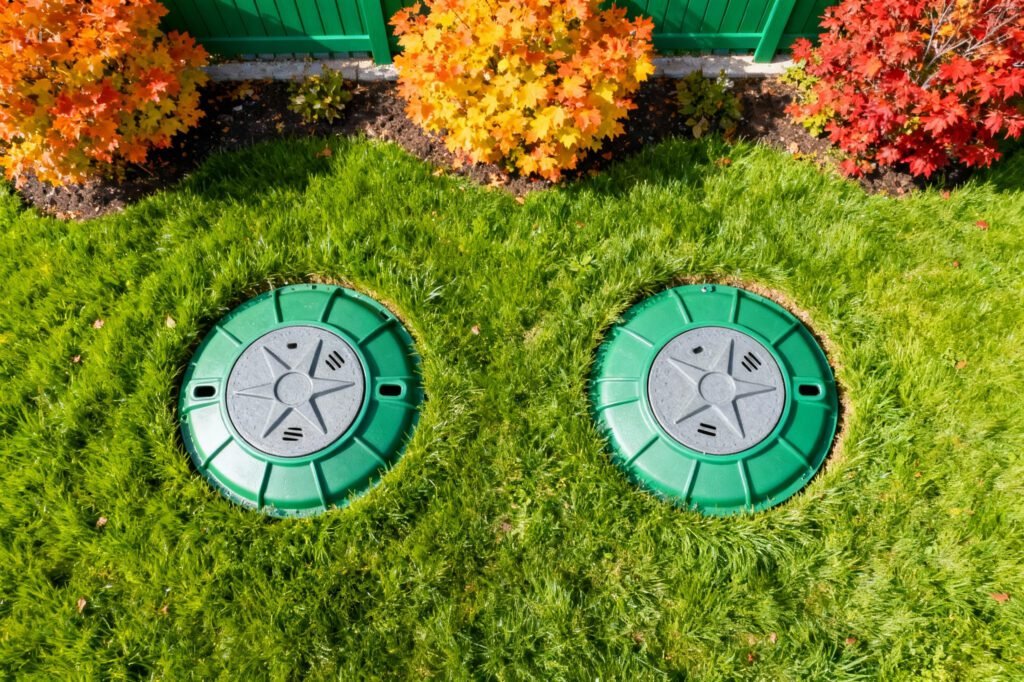
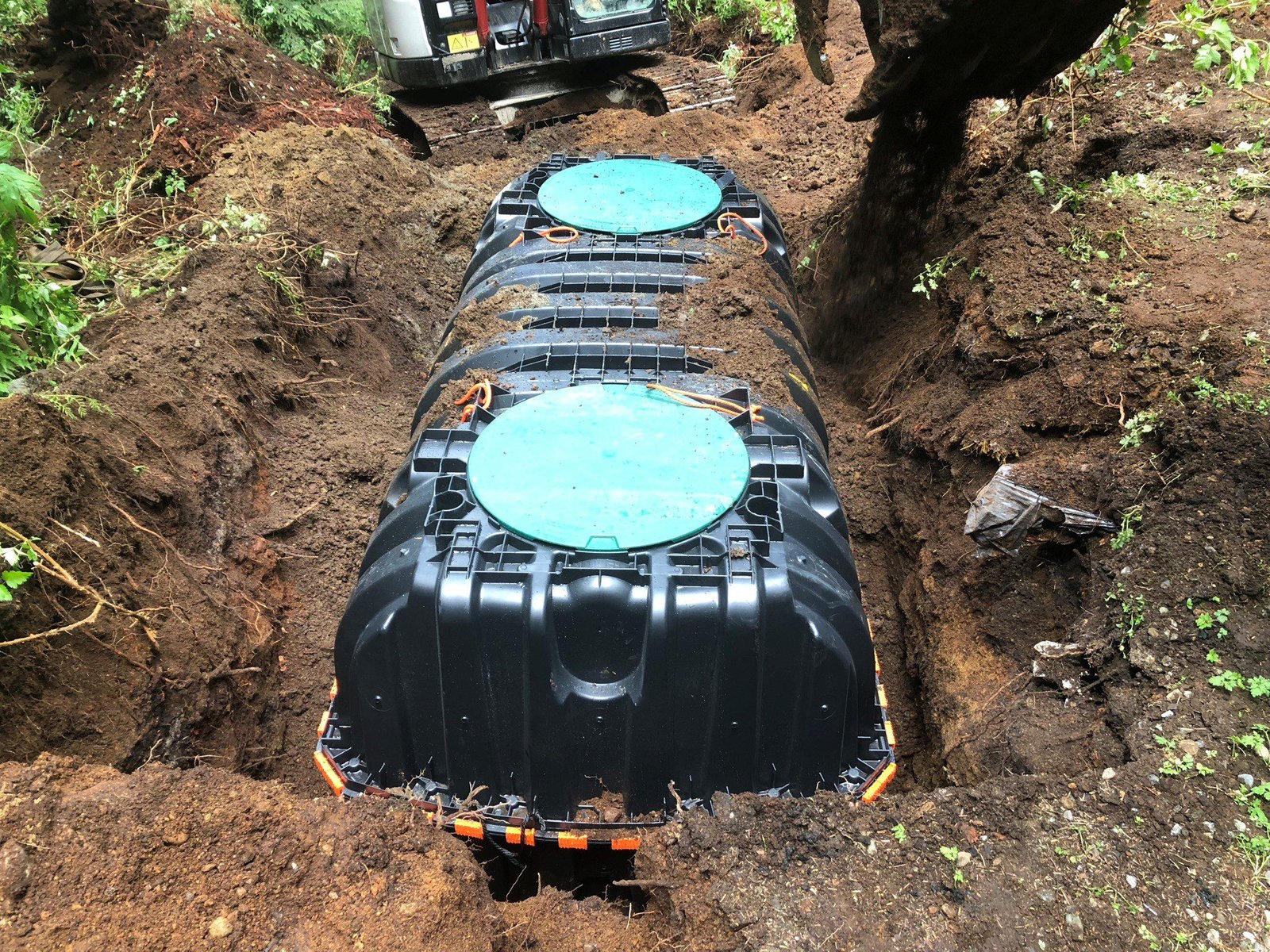
The total installed cost for a complete septic system (tank + drain field) averages $7,500 - $17,500 for a 1,000-gallon system (standard 3-bedroom home). A 500-gallon system (cabin) costs $4,800 - $9,700. A 1,500-gallon system (4-5 bedrooms) costs $11,450 - $25,500+. The drain field is the most expensive component (50-70% of cost), and price varies dramatically based on soil conditions and local regulations.
Key Cost Drivers:
- Tank Size (Gallons): Directly impacts tank material and drain field size/cost.
- Soil & Site Conditions: Poor soil (clay, high water table) can double costs with engineered solutions.
- Drain Field Type: Conventional gravel trench vs. chamber system vs. mound system.
- Labor & Permitting: Regional labor rates and local health department fees.
- System Complexity: Standard anaerobic vs. advanced aerobic treatment.
Table of Contents
Navigating the Major Investment of a Septic System
Installing a septic system is a critical, high-value infrastructure investment that directly enables property use and protects long-term equity. According to 2026 data from the National Onsite Wastewater Recycling Association (NOWRA), soil testing and site conditions can create a cost variance of over 300% for systems of the same tank size. This guide provides a transparent, itemized breakdown of costs for 500, 1000, and 1500-gallon systems, revealing where your money goes and how to budget accurately. You will learn to distinguish between essential and variable costs, identify potential savings without compromising quality, and understand the total 20-year financial commitment, empowering you to make a confident, informed investment.
Prerequisites & Skill Level: This guide is for homeowners, land buyers, and builders planning a new installation or replacement. No prior knowledge is needed.
Time & Cost Context: The process from soil test to completion takes 3-8 weeks. Financing is common, with loan terms of 5-15 years. The investment is substantial but necessary; a properly installed system is a permanent asset that maintains property value.
How Much Does a 1000 Gallon Septic Tank System Cost?
A complete 1,000-gallon septic system installation typically costs between $7,500 and $17,500, with a national average around $12,000. This price includes the tank, drain field, labor, permits, and all materials for a conventional system in average soil. The 1,000-gallon size is the benchmark for a standard 3-bedroom home.
It’s critical to understand that the septic tank itself is only a fraction of the total cost. The drain field (leach field), determined by soil percolation rates, represents the largest line item. Here is a typical allocation for a $12,000 installation:
- Drain Field: $5,000 – $7,000 (50-60%)
- Excavation & Labor: $3,000 – $4,000 (25-30%)
- Septic Tank (Material): $1,000 – $1,500 (8-12%)
- Permits, Engineering, Distribution Box, Pipes: $1,500 – $2,500 (12-20%)
Bottom line: Always budget and get quotes for the complete system. Asking for “just the tank cost” will leave you massively underbudgeted.
Septic System Installation Cost Comparison: 500 vs. 1000 vs. 1500 Gallon
This table provides a detailed, national average cost breakdown for complete conventional system installations, illustrating how scale impacts each component.
| Cost Component | 500-Gallon System (1-2 BR Cabin/Seasonal) | 1000-Gallon System (3 BR Standard Home) | 1500-Gallon System (4-5 BR Large Home) | Notes & What Drives Variance |
|---|---|---|---|---|
| Septic Tank (Material) | $500 – $900 | $900 – $1,500 | $1,200 – $2,500 | Plastic tanks often ~10-15% less than concrete. |
| Drain Field | $2,000 – $4,000 | $3,000 – $8,000 | $5,000 – $12,000+ | Single biggest cost. Size is based on daily flow & soil perc rate, not just tank size. |
| Excavation & Labor | $1,500 – $3,000 | $2,500 – $5,000 | $3,500 – $7,000 | Driven by local labor rates, accessibility, and soil type (rocky = higher). |
| Permits & Engineering | $300 – $800 | $500 – $1,500 | $750 – $2,000 | Health department fees and required stamped design by engineer. |
| Distribution Box, Pipes, Gravel | $500 – $1,000 | $750 – $1,500 | $1,000 – $2,000 | Conveyance and dispersal materials. Chamber systems reduce gravel cost. |
| **Total Installed Cost Range | $4,800 – $9,700 | $7,650 – $17,500 | $11,450 – $25,500+ | Expert consensus: Get 3 detailed bids. Low bids may exclude critical items. |
Major Cost Factors & How to Estimate Your Project
1. Soil Conditions: The Ultimate Price Multiplier
The results of your percolation (perc) test and soil evaluation are the #1 cost determinant.
- Best Case (Fast-Draining Sandy Soil): Supports a standard, low-cost gravel trench drain field.
- Worst Case (Clay, High Water Table, Shallow Bedrock): Requires an engineered system like a sand mound or at-grade system, which can add $5,000 to $15,000+ to the base cost. A mound system alone often costs $10,000 – $20,000+.
2. Drain Field Technology: Conventional vs. Advanced
- Conventional Gravel Trench: Lower material cost, but higher labor/gravel hauling.
- Plastic Chamber System: Often comparable or slightly higher installed cost, but less gravel, lighter, and easier to install in wet conditions.
- Advanced Treatment (Aerobic Unit – ATU): Adds $5,000 – $10,000+ for the unit itself, plus higher electrical and maintenance costs. Required for poor soils or environmentally sensitive areas.
3. Regional Price Variations (2026 Averages)
- Northeast / West Coast: High labor & regulation. $10,000 – $25,000+ for a 1,000-gal system.
- Southeast / Midwest: Moderate costs. $8,000 – $18,000 for a 1,000-gal system.
- South Central / Rural Areas: Lower costs. $6,000 – $15,000 for a 1,000-gal system.
Step-by-Step Estimation Method:
- Get a Soil Test First ($500-$1,500). This is non-negotiable and informs all other costs.
- Determine Design Flow: Based on bedroom count (e.g., 1,000 gal for 3 BR).
- Identify Required System Type: From soil report (conventional, chamber, mound, ATU).
- Obtain 3+ Itemized Bids: From licensed, insured installers referencing the same soil report and design.
Common Questions Answered
Q: How much does it cost to install a septic tank for a 3-bedroom house?
A: For a standard 3-bedroom home, plan for a budget between $8,000 and $20,000 for a complete system. The 1,000-1,250 gallon tank is a small part of this. The final cost hinges almost entirely on your soil’s drainage capability and local labor rates.
Q: Is a 500-gallon septic tank big enough for a house?
A: Rarely for a full-time residence. A 500-gallon tank is typically only approved for a 1-bedroom home or a seasonal cabin with very low water use. Most health codes base minimum size on bedroom count, and 500 gallons is below minimum for a 2+ bedroom home in most jurisdictions.
Q: What is the cheapest septic system to install?
A: The lowest upfront cost is usually a conventional anaerobic system with a plastic tank and chambered drain field in good, permeable soil. However, the “cheapest” long-term option is the correctly sized, professionally installed system that avoids premature failure and costly replacement.
Q: How long does a septic system last, and what fails first?
A: The tank can last 40+ years. The drain field is the component most likely to fail first, typically after 20-30 years. Failure is often caused by lack of tank pumping (solids clog the field), hydraulic overload, or physical damage. Proper maintenance is the key to longevity.
Q: Does homeowners insurance cover septic tank replacement?
A: Almost never. Standard policies exclude failure due to wear, tear, age, or lack of maintenance. Some insurers offer optional “service line” endorsements that might cover a specific external pipe break, but not full system or drain field replacement. Budget for this expense separately.
Q: Can I install a septic tank myself to save money?
A: It is illegal in most areas without a licensed installer’s credential and is strongly discouraged. Errors in placement, depth, or sealing can cause immediate environmental contamination, leading to fines exceeding $10,000+ and remediation costs that dwarf any initial savings. The excavation also requires heavy machinery.
Financing, Saving Strategies & Hidden Costs
Legitimate Ways to Reduce Costs
- Choose the Right Contractor: Get 3+ bids based on the same soil report and system design for an apples-to-apples comparison.
- Consider a Chamber System: In areas where gravel is expensive, plastic chambers may be cost-competitive and easier to install.
- Plan Off-Peak: Schedule installation for late fall/winter (if ground isn’t frozen) when excavation contractors may have more availability and competitive pricing.
- Ask About Incentives: Some states/counties offer low-interest loan programs for replacing failing systems or installing environmentally advanced systems.
Hidden & Incidental Costs to Budget For
- Landscaping Restoration: $500 – $3,000 to re-grade and re-seed/sod the disturbed area.
- Soil Testing & Engineering Design: $1,000 – $2,500 upfront, before any installation.
- System Repair Reserve: Experts recommend saving $50-$100/month for future inevitable maintenance and eventual drain field replacement.
- Increased Insurance: You may need a rider for an advanced system (like an ATU).
Financing Options
- Home Improvement Loans: Personal loans or HELOCs.
- Specialized Lenders: Some national lenders specialize in septic system financing with terms of 5-15 years.
- Government Programs: USDA Rural Development loans/grants may be available for eligible rural properties.
A Long-Term Investment in Your Property
In summary, septic system installation is a significant but essential capital investment where proper planning and professional execution prevent catastrophic financial loss. The wide cost ranges reflect real-world variables, primarily soil science and local regulations. By starting with a professional soil evaluation, obtaining detailed bids, and budgeting for the complete system and its long-term care, you transform this major expense into a durable asset that secures your property’s value and functionality for decades.
Final Synthesis: Industry data and expert consensus confirm that the most expensive septic system is the one that fails prematurely due to poor installation or undersizing. Investing in proper design, quality materials, and a reputable installer provides the highest ROI through avoided emergencies, protected property value, and regulatory compliance.
Ready to get an accurate estimate for your property? Use our Free Septic System Cost Calculator & Local Installer Matching Tool to get personalized estimates based on your location and bedroom count.
Your Next Steps:
- Understand Your Soil: Guide to Soil Percolation Tests & Site Evaluations.
- Explore Financing: Septic System Loan & Financing Options Explained.
- Choose the Right Pro: Questions to Ask a Septic System Installer.

Leave a Reply