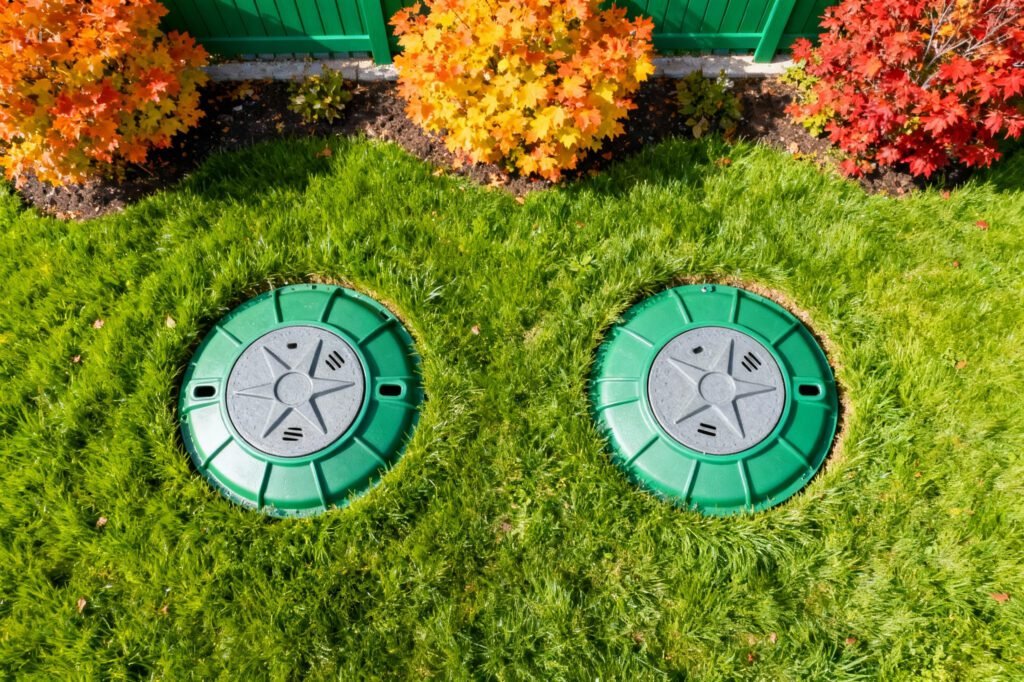
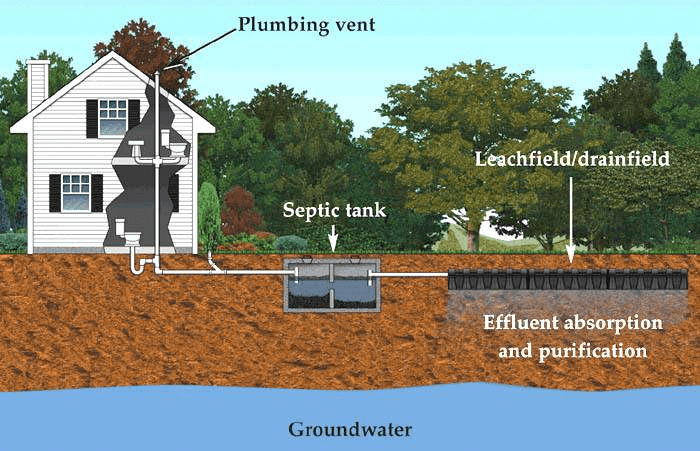
A septic system is an on-site wastewater treatment plant. It works in two stages: First, the septic tank separates solids from liquids using gravity and bacterial digestion. Then, the drain field (leach field) disperses the liquid effluent into the soil, where natural filtration and microbial activity purify it before it returns to groundwater. The entire process is passive, biological, and relies on proper maintenance—primarily pumping the tank every 3-5 years.
Key Process Steps:
- Wastewater Enters the Tank: All household water flows into the buried septic tank.
- Separation in the Tank: Solids settle as sludge; fats/oils float as scum; liquid effluent remains in the middle.
- Bacterial Digestion: Anaerobic bacteria break down a portion of the solids.
- Effluent Dispersal: Clarified liquid flows to the drain field.
- Soil Filtration & Treatment: Effluent percolates through soil, where a biomat and soil microbes remove pathogens and nutrients.
- Clean Water Return: Purified water recharges the groundwater.
Table of Contents
Your Property’s Essential, Invisible Ecosystem
Your septic system is a self-contained, biological wastewater treatment facility that safeguards your home’s sanitation, your property’s value, and the surrounding environment. According to the U.S. Environmental Protection Agency (EPA), over 20% of U.S. households rely on septic systems, and proper function prevents the contamination of drinking water sources and local waterways. This definitive guide explains the science, components, and lifecycle of a septic system in clear, actionable terms. You will learn not just how it works, but the why behind each step, empowering you to make informed decisions that ensure decades of reliable, trouble-free operation.
Prerequisites & Skill Level: This guide is for homeowners, prospective buyers, and curious minds. No technical background is required.
Time & Cost Context: A well-maintained system can function for 20-40 years. Neglect can lead to failure in under 10 years and a replacement cost of $10,000 – $25,000+. The core maintenance task—pumping every 3-5 years—costs $300-$600.
What are the Two Main Parts of a Septic System?
Every conventional septic system has two primary components: the septic tank and the drain field (leach field). These work in tandem, with the tank handling initial separation and the drain field performing the final, critical treatment.
The Septic Tank (The Settler & Digester):
- Function: A watertight, buried container that receives all household wastewater.
- Process: Heavier solids settle to the bottom forming sludge. Lighter fats, oils, and grease float to the top forming scum. The clarified liquid in the middle layer is called effluent.
- Key Actor: Anaerobic bacteria naturally present in the waste slowly digest and break down a portion of the solids.
The Drain Field (The Filter & Purifier):
- Function: A subsurface network of perforated pipes or chambers in gravel-filled trenches.
- Process: Effluent from the tank is evenly distributed into the soil. As it percolates, a gelatinous layer called the biomat forms. This biomat, along with soil bacteria, provides the final treatment by filtering out remaining pathogens, viruses, and nutrients.
- Output: Clean water that safely recharges the groundwater table.
Bottom line: The tank is a settling and digestion chamber; the drain field is a biological filter. Both are essential and interdependent.
The Step-by-Step Wastewater Treatment Process
Follow the journey of a drop of water from your drain to the groundwater.
Step 1: Collection & Entry
All wastewater from toilets, showers, sinks, and appliances flows through a single main pipe into the septic tank.
Step 2: Separation in the Tank (The 3-Layer Cake)
Inside the tank, natural separation occurs over 24-48 hours:
- Sludge Layer: Heavy solids sink to the bottom.
- Effluent Layer: Clear liquid settles in the middle.
- Scum Layer: Grease and light materials float to the top.
Baffles or T-shaped outlets at the tank’s exit ensure only the middle effluent layer flows out to the drain field.
Step 3: Effluent Distribution
The liquid effluent flows from the tank into a distribution box, which splits the flow evenly to multiple perforated pipes laid in gravel trenches or plastic chambers that make up the drain field.
Step 4: Soil Treatment & The “Biomat”
This is the most critical treatment phase. As effluent seeps from the pipes into the soil:
- A biomat—a slimy, organic layer of anaerobic bacteria—forms at the soil-gravel interface.
- This biomat is beneficial; it acts as a living filter, trapping and digesting pathogens, viruses, and organic matter.
- The soil below provides further physical and chemical filtration.
Step 5: Clean Water Return
After passing through the biomat and several feet of soil, the water is purified and rejoins the groundwater table. This completes the natural cycle.
[IMAGE: Septic System Process Diagram]
*Visual: A cross-section diagram showing a house, pipe to tank, tank with 3 layers labeled (Sludge, Effluent, Scum), pipe to distribution box, and drain field trenches with arrows showing effluent percolating through the biomat and soil into groundwater.*
Septic System Types & Comparison Table
Not all properties can support a conventional system. The type is determined by a soil evaluation and percolation test.
| System Type | How It Works & Key Difference | Best For / Scenario | Approx. Installed Cost | Homeowner Maintenance Level |
|---|---|---|---|---|
| Conventional (Gravity) | Tank + subsurface gravel/pipe drain field. Relies on gravity for flow. | Deep, permeable soil with good drainage. | $6,000 – $20,000 | Low: Pump tank, conserve water. |
| Chamber System | Tank + plastic chambers (no gravel) in trenches. Higher storage capacity. | Areas with high water tables or where gravel is costly. | $7,000 – $22,000 | Low: Same as conventional. |
| Mound System | Tank + pump chamber + constructed sand mound above ground. | Shallow soil, high bedrock, or poor permeability. | $15,000 – $35,000+ | Moderate: Pump maintenance, monitor alarm. |
| Aerobic Treatment (ATU) | Tank + oxygen-injected treatment unit + smaller drain field. Produces highly treated effluent. | Poor soil, small lots, environmentally sensitive areas. | $20,000 – $40,000+ | High: Electricity, frequent professional service, alarm monitoring. |
| Drip Irrigation | Advanced pretreatment + shallow drip tubing network for even dispersal. | Sloping sites, shallow soil. | $15,000 – $30,000+ | Moderate-High: Filter cleaning, pump & line maintenance. |
Current Consensus (2026): While conventional systems remain the most common, advanced and engineered systems are increasingly required to meet stricter environmental standards and to build on challenging lots.
Common Questions Answered
Q: How often should you pump your septic tank?
A: The universal guideline is every 3 to 5 years. The exact frequency depends on tank size, household size, and water usage. An annual inspection of sludge and scum levels is the best way to determine your optimal schedule. Never wait until you have a problem.
Q: What are the signs of a failing septic system?
A: Recognize these early warnings: In the yard: Soggy ground, standing water, or foul odors over the drain field. In the house: Slow-draining fixtures, gurgling pipes, or sewage backups. These indicate the system is overloaded or the drain field is clogged.
Q: Can you use a garbage disposal with a septic system?
A: It is strongly discouraged. Garbage disposals significantly increase the solid waste load (by up to 50%), which can overwhelm the tank’s digestion capacity, require pumping 2-3 times more often, and lead to drain field failure. Compost food scraps instead.
Q: What should you NEVER put down the drain with a septic system?
A: Never flush or pour: Non-biodegradables (wipes, feminine products, dental floss, condoms), grease/oils, hazardous chemicals (paint, pesticides), medications, or excessive cleaners (bleach, antibacterial soaps). These kill essential bacteria or clog the system.
Q: How long does a septic system last?
A: The tank (concrete or plastic) can last 40+ years. The drain field has a typical lifespan of 20-30 years before the biomat may become too thick, reducing percolation. Proper maintenance is the single greatest factor in longevity.
Q: Do septic system additives work?
A: Most are unnecessary, and some are harmful. A healthy system has all the bacteria it needs. Additives claiming to “restore” bacteria are a marketing gimmick. Chemical additives can damage the biomat and contaminate groundwater. The only additive you need is regular pumping.
Proactive Maintenance: The 5 Rules for a Healthy System
Efficiency Hacks from Septic Professionals (Based on 25+ Years Experience)
- The “Pump on Sludge, Not Time” Rule: Don’t just pump on a calendar. Have the sludge and scum depth measured during inspection. Pump when sludge is >1/3 of tank depth.
- The “Water Budget” Hack: Know your tank’s daily capacity (e.g., 300-450 gallons for 3BR). Avoid exceeding it. Spread laundry loads over the week.
- The “Toilet is Not a Trash Can” Mantra: Enforce this household rule. Place a clear “Do Not Flush” list by every toilet.
- Install an Effluent Filter: A $100-$200 filter on the tank outlet baffle is the best investment to protect your drain field from solids.
- Map and Record Everything: Keep a file with your system’s diagram, all inspection/pumping reports, and permits. This is vital for troubleshooting and resale.
Essential Maintenance Schedule
- Daily/Weekly: Conserve water, use septic-safe products.
- Monthly: Check for damp spots or odors over the drain field.
- Annually: Inspect sludge/scum levels (or have a pro do it).
- Every 3-5 Years: Pump the tank based on inspection results.
- At System Sale: Get a full inspection and provide records to the buyer.
Troubleshooting: When to Call a Professional
Call a licensed septic pro immediately if you observe: sewage backups, surfacing wastewater in your yard, or persistent foul odors. Do not pour chemical “drain openers” into a slow drain, as they can destroy your system’s biology.
Your Role as Steward of a Living System
In summary, a septic system is a resilient yet delicate living ecosystem that treats your home’s wastewater through natural processes. Your understanding and proactive care are the most critical factors in its performance and lifespan. By respecting its limits, adhering to a disciplined maintenance regimen, and acting swiftly at the first sign of trouble, you protect a significant financial asset and contribute to a healthier environment.
Final Synthesis: Expert opinion and decades of field data confirm that preventive maintenance costs 10-20 times less than corrective repair or replacement. Viewing your septic system as a long-term partner in your property’s health, rather than an out-of-sight utility, is the key to decades of reliable service.
Ready to take charge of your system’s health? Download our Free Septic System Maintenance Calendar & Inspection Checklist to build your personalized care plan.
Your Next Steps:
- Locate Your System: How to Find Your Septic Tank & Drain Field.
- Understand Failure Signs: Drain Field Failure: Early Signs & Repair Options.
- Plan for Costs: Septic System Installation & Replacement Cost Guide.

Leave a Reply