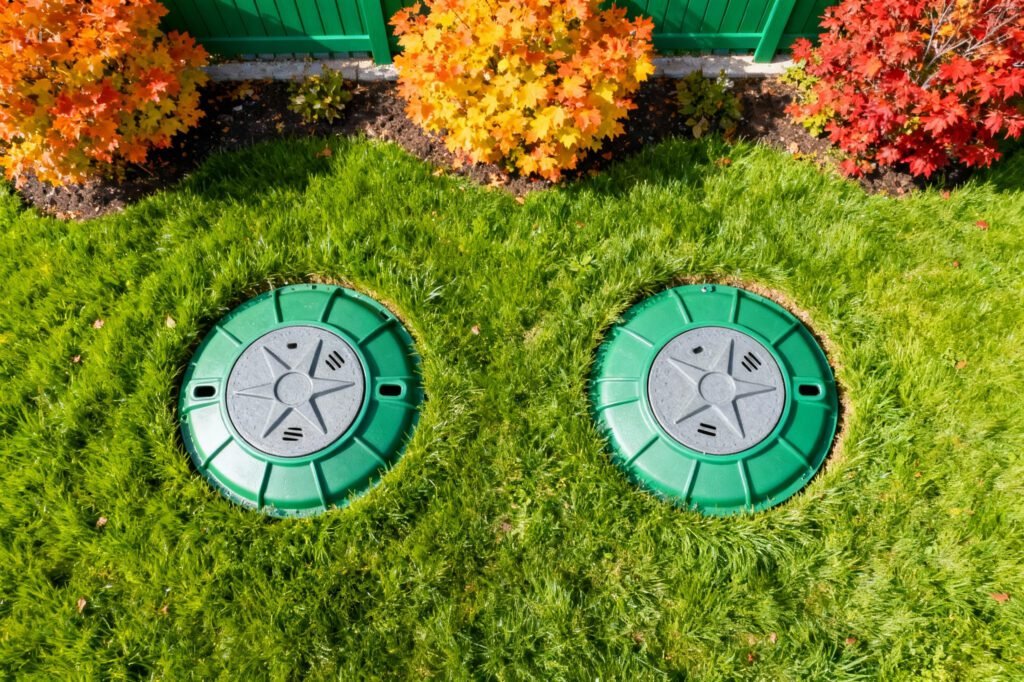
A septic system is an onsite wastewater treatment plant with two main components: a septic tank (for solids separation and bacterial digestion) and a drain field (for soil filtration and dispersal). It functions by allowing waste to settle in the tank, where bacteria break it down, then dispersing the liquid into the soil for final purification. Essential maintenance requires pumping the tank every 3-5 years, conserving water, and never flushing non-biodegradables.
Key Takeaways:
- Two-Stage Process: Tank separation → Soil filtration.
- Core Maintenance: Pumping every 3-5 years is non-negotiable.
- Protect the Drain Field: Never drive on it, plant trees near it, or overload it with water.
- Homeowner’s Role: You are the operator. Proper use and scheduled maintenance prevent $10,000+ failures.
- System Lifespan: Tank: 40+ years. Drain Field: 20-30 years (with proper care).
Table of Contents
Your Home’s Silent, Essential Utility
Your septic system is a critical, self-contained utility that safely manages all your home’s wastewater, protecting your property, health, and local environment from contamination. According to the U.S. Environmental Protection Agency (EPA), failing septic systems are a significant source of water pollution, but a well-maintained one is an effective, long-term solution. This Septic System 101 guide provides the complete foundation—from core components and biological processes to a foolproof maintenance roadmap. You will learn how your system works, the exact steps to keep it healthy for decades, and how to recognize early warning signs of trouble, transforming you from a passive homeowner into an informed system steward.
Prerequisites & Skill Level: This guide is for all homeowners with septic systems, prospective buyers, and anyone seeking foundational knowledge. No prior experience needed.
Time & Cost Context: Basic understanding takes 15 minutes. Core maintenance (pumping) costs $300-$600 every 3-5 years and takes 2-3 hours. Neglect can lead to system failure, with replacement costs ranging from $10,000 to $25,000+.
What are the Main Components of a Septic System?
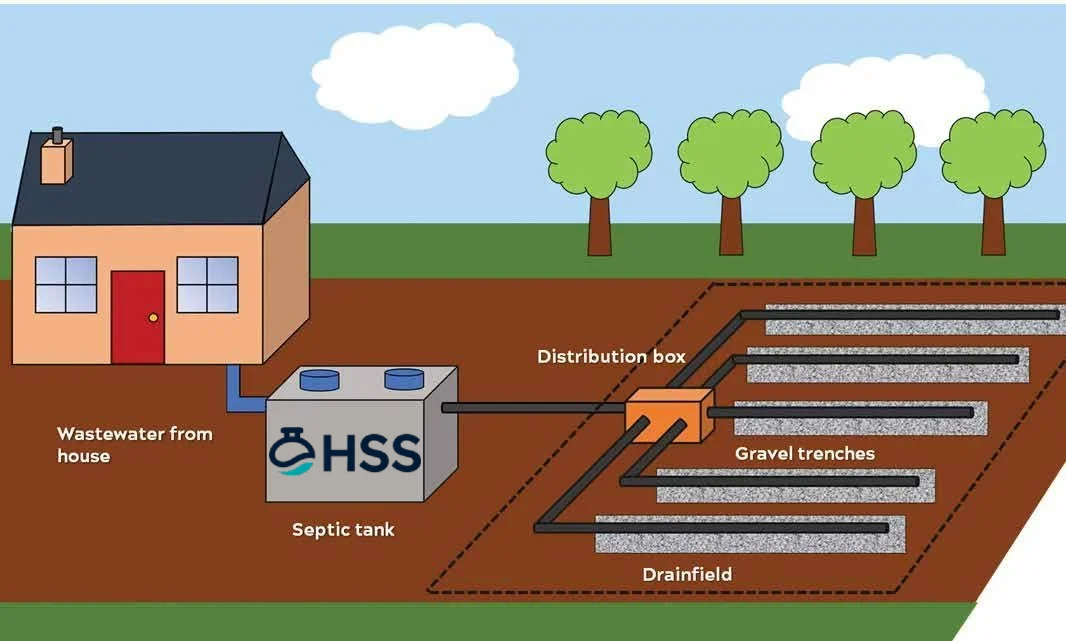
A conventional septic system has three primary structural components that work in sequence: the septic tank, the distribution device, and the drain field (leach field). Each plays a distinct, vital role in the treatment process.
- The Septic Tank: A buried, watertight container (concrete or plastic) that receives all household wastewater. It holds waste long enough for solids to settle and for partial bacterial digestion to occur.
- The Distribution Box/Drop Box: A smaller component that receives effluent from the tank and evenly distributes it to each leg of the drain field network, ensuring the entire field is used effectively.
- The Drain Field (Leach Field): A network of perforated pipes or chambers buried in gravel-filled trenches. This is where the final treatment happens as effluent seeps into the soil, passing through a beneficial biomat and being naturally purified.
Bottom line: Think of it as an assembly line: Tank (Separate) → Distribution (Divide) → Drain Field (Filter). All three must function for the system to work.
How a Septic System Works: The Complete Treatment Process
[IMAGE: Septic System Process Diagram]
*Visual: A cross-section from house to groundwater. 1. House pipe to tank. 2. Tank with three layers: Sludge (bottom), Effluent (middle), Scum (top). Arrow from Effluent layer to Distribution Box. 3. Distribution Box splitting flow to two trenches. 4. Trenches with perforated pipes in gravel, showing effluent percolating down through a “Biomat” layer into clean soil and groundwater.*
Step 1: Separation in the Septic Tank
- Entry: All wastewater from toilets, showers, sinks, and laundry flows into the tank.
- Three-Layer Formation: Heavier solids (sludge) sink. Lighter fats and oils (scum) float. The clarified liquid in the middle (effluent) is the only part that moves to the next stage.
- Bacterial Action: Naturally occurring anaerobic bacteria slowly digest and break down a portion of the solid waste.
Step 2: Distribution to the Drain Field
- The liquid effluent exits the tank (often through an outlet baffle or filter) and flows into the distribution box.
- The box splits this flow evenly into multiple perforated pipes laid in gravel trenches or modern plastic chambers.
Step 3: Treatment in the Soil (The Most Critical Step)
- Effluent trickles out of the pipes and into the surrounding soil.
- A gelatinous layer called the biomat forms where the gravel meets the soil. This biomat is a living filter of bacteria that traps and digests pathogens and nutrients.
- The soil below provides further physical and chemical filtration, removing remaining contaminants.
- Final Output: Purified water that safely recharges the groundwater table.
Essential Maintenance: The 5 Non-Negotiable Rules
Expert consensus and decades of field data confirm that preventive maintenance costs 10-20 times less than emergency repair or replacement. Follow these rules.
| Rule | Action Required | Why It’s Critical | Consequence of Neglect |
|---|---|---|---|
| 1. Pump Regularly | Pump tank every 3-5 years (based on inspection). | Removes accumulated solids before they overflow into and clog the drain field. | Ireversible drain field failure, requiring full replacement. |
| 2. Conserve Water | Fix leaks, use high-efficiency fixtures, spread out laundry. | Prevents hydraulic overload, which flushes solids out of the tank and saturates the drain field. | System backup, surfacing sewage, premature failure. |
| 3. Mind Your Drains | Only flush human waste & toilet paper. Never pour grease or chemicals. | Protects essential tank bacteria and prevents clogs. | Kills treatment bacteria, causes pipe blockages, contaminates groundwater. |
| 4. Protect the Drain Field | No driving/parking, no trees/shrubs, divert rainwater. | Prevents soil compaction and root intrusion that crush pipes and block flow. | Physical destruction of the drain field. |
| 5. Inspect & Record | Annual visual checks, keep all service records. | Catches small problems early. Provides history for troubleshooting and home sales. | Missed warnings, costly surprises, failed home inspections. |
Pro Tip: Install an Effluent Filter
A $100-$200 filter on your tank’s outlet pipe is the single best upgrade. It catches solids that the tank missed, providing a final layer of protection for your drain field.
Common Questions Answered
Q: How often should you pump a 1000-gallon septic tank?
A: For a typical family, every 3 to 5 years. The exact frequency depends on household size and water use. The only way to know for sure is to have a professional inspect sludge/scum levels annually and recommend a schedule.
Q: Can you use a garbage disposal with a septic system?
A: It is strongly discouraged. Garbage disposals can increase solids in your tank by up to 50%, requiring pumping 2-3 times more often (every 1-2 years) and significantly raising the risk of drain field clogging and failure. Compost food waste instead.
Q: What are the early warning signs of septic system failure?
A: In the house: Slow drains, gurgling toilets. In the yard: Soggy ground or lush grass over the drain field, sewage odors. At the tank: Alarm sounding (if equipped) or high liquid level. Act immediately if you see these signs.
Q: Is Rid-X or other septic additives necessary?
A: No, and some can be harmful. A healthy system has all the bacteria it needs. Additives are not a substitute for pumping. Some chemical additives can damage the biomat and contaminate groundwater. Save your money for regular pumping.
Q: How long does a septic system last?
A: The tank (concrete or plastic) can last 40+ years. The drain field typically lasts 20-30 years before the biomat may become too thick, reducing absorption. Your maintenance habits are the biggest factor in lifespan.
Q: What should you NEVER put down the drain?
A: The “Big No’s”: “Flushable” wipes, feminine products, paper towels, dental floss, cotton swabs, condoms, grease/oil, paint, chemicals, medications, coffee grounds, eggshells. Only human waste and toilet paper break down properly.
Septic System Types & Comparison (2026 Context)
[UPDATE: 2026] While conventional systems are common, site conditions often require engineered solutions.
| System Type | How It’s Different | Typical Cost (Installed) | Ideal For |
|---|---|---|---|
| Conventional Gravity | Tank + gravel/pipe trenches. Relies on gravity flow. | $6,000 – $20,000 | Deep, permeable soil with good drainage. |
| Chamber System | Tank + plastic chambers (no gravel). More storage volume. | $7,000 – $22,000 | High water tables, areas with expensive gravel. |
| Mound System | Tank + pump + constructed sand mound above ground. | $15,000 – $35,000+ | Shallow soil, high bedrock, poor permeability. |
| Aerobic Treatment (ATU) | Tank + oxygen-injected unit. Produces highly treated effluent. | $20,000 – $40,000+ | Poor soil, small lots, environmentally sensitive areas. |
Your Action Plan for System Health
In summary, your septic system is a resilient but demandingly simple biological factory. Its longevity and effectiveness hinge entirely on your understanding and adherence to basic preventive care. By integrating the 5 Non-Negotiable Rules into your homeownership routine, you protect a major financial asset and contribute to a cleaner environment.
Final Synthesis: Environmental science and cost-benefit analysis are unequivocal: proactive, scheduled maintenance is the only rational strategy for septic system ownership. The small, planned investment in pumping and care prevents catastrophic, unplanned expenses.
Ready to take control? Download our Free Septic System Maintenance Calendar & Inspection Checklist to build your personalized, worry-free maintenance plan.
Your Next Steps:
- Locate & Inspect: How to Find and Inspect Your Septic System.
- Plan for Costs: Septic Tank Pumping: Cost, Schedule & How-To.
- Understand Failure: Drain Field Failure: Signs, Causes & Solutions.

Leave a Reply