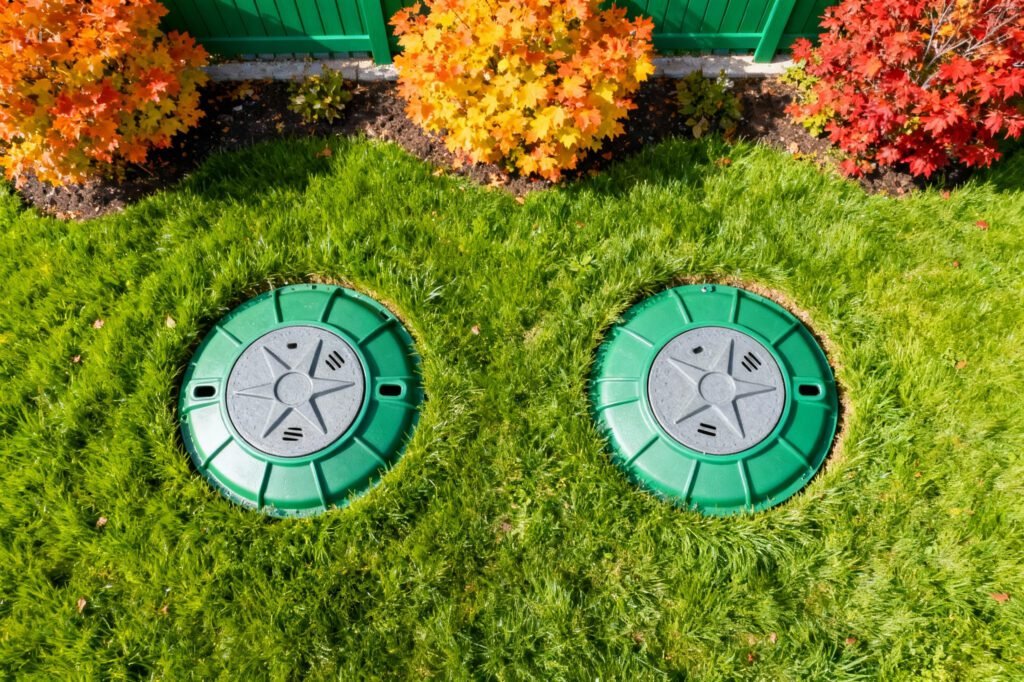
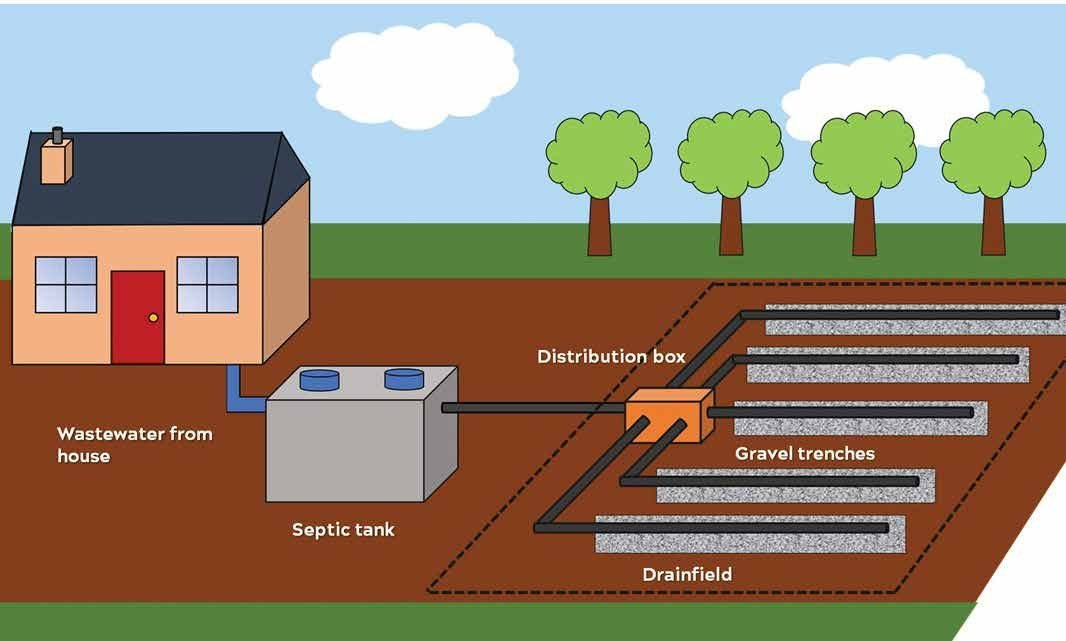
A conventional septic system is a two-stage wastewater treatment plant on your property. Stage 1: The septic tank separates solids (which settle as sludge) from liquids. Stage 2: The liquid effluent flows to the drain field, where it filters through soil, removing pathogens before rejoining groundwater. The entire process relies on gravity and natural bacterial action, with pumping the tank every 3-5 years as the essential maintenance task to protect the drain field.
Key Components & Flow:
- Household Drains → Septic Tank (Separation & Digestion).
- Septic Tank → Distribution Box (Splits Flow).
- Distribution Box → Drain Field Trenches (Soil Filtration).
- Clean Water → Groundwater (Environmental Return).
Table of Contents
Your Property’s Two-Stage Natural Treatment Plant
Your septic system is a elegantly simple, two-stage biological processor that safely manages all your home’s wastewater through separation and soil filtration. According to data from the National Onsite Wastewater Recycling Association (NOWRA), understanding this two-stage process is the single most important factor in preventing system failure, which can cost homeowners $10,000 to $25,000+ to remediate. This guide breaks down the journey from your drain to the groundwater, explaining the distinct roles of the tank and the drain field in clear, actionable terms. You will learn not just what happens, but why each stage is critical and how your daily habits impact the entire chain.
Prerequisites & Skill Level: This guide is for absolute beginners, new homeowners, and anyone seeking a clear, foundational understanding. No prior knowledge is needed.
Time & Cost Context: The natural treatment process is continuous. Your time investment is in understanding (15 mins) and maintenance (pumping every 3-5 years for $300-$600). Ignorance can lead to a process breakdown and catastrophic repair bills.
What are the Two Stages of a Septic System?
A septic system operates in two distinct, sequential stages: primary treatment in the septic tank and secondary treatment in the drain field. The tank’s job is separation; the drain field’s job is filtration. They are interdependent—the first stage must work correctly for the second stage to succeed.
Stage 1: The Septic Tank (The Separator)
- Location: Buried in your yard.
- Function: Holds wastewater long enough for solids to settle out (as sludge) and fats to float (as scum). Natural bacteria partially digest solids.
- Output: Partially clarified liquid called effluent.
Stage 2: The Drain Field (The Filter)
- Location: A larger, subsurface area downslope from the tank.
- Function: Disperses effluent into the soil, where a biomat (a layer of bacteria) and the soil itself act as a living filter, removing harmful pathogens and nutrients.
- Output: Clean water that recharges the groundwater.
Bottom line: The tank prepares the wastewater for final treatment. The drain field completes the treatment. A failure in Stage 1 (e.g., not pumping) will cause Stage 2 to fail.
The Complete Journey: Step-by-Step from Drain to Groundwater
[IMAGE: Septic System Process Flow Diagram]
*Visual: A numbered, linear flow diagram. 1. House with all drains converging. 2. Pipe to Septic Tank. 3. Tank interior showing three layers (Sludge, Effluent, Scum). 4. Effluent pipe to Distribution Box. 5. Distribution Box splitting flow to multiple Trenches. 6. Trench cross-section showing effluent percolating from pipe, through gravel, through the Biomat, and into clean soil. 7. Final arrow to “Clean Groundwater.”*
Step 1: Collection & Entry
All wastewater from toilets, showers, sinks, and appliances flows through a single main pipe into the septic tank.
Step 2: Separation in the Tank
Inside the tank (retention time: 24-48 hours):
- Heavy solids sink, forming a sludge layer at the bottom.
- Fats, oils, and grease (FOG) float, forming a scum layer at the top.
- The relatively clear liquid in the middle is effluent.
Step 3: Effluent Release & Distribution
- Effluent exits the tank through an outlet baffle or filter.
- It flows into a distribution box, which splits the flow evenly to the various trenches of the drain field.
Step 4: Soil Filtration & Treatment (The Critical Stage)
- Effluent trickles out of perforated pipes in the trenches.
- It passes through gravel and into the soil.
- A biomat—a slimy, beneficial bacterial layer—forms at the soil interface. This is the primary treatment zone, destroying pathogens.
- The soil provides final physical and chemical filtration.
Step 5: Environmental Return
Purified water percolates down through the soil, eventually recharging the local groundwater table. The cycle is complete.
Component Breakdown: What Each Part Does
| System Component | Primary Function | What Happens If It Fails | Maintenance Tip |
|---|---|---|---|
| Septic Tank | Separates solids & liquids; begins digestion. | Solids overflow into drain field, causing catastrophic clogging. | PUMP every 3-5 years. This is non-negotiable. |
| Inlet/Outlet Baffles | Directs flow to prevent disturbance of sludge/scum layers. | Solids can escape the tank prematurely. | Inspect during pumping. |
| Effluent Filter | Catches solids that escape the tank. | Protects the drain field. The #1 recommended upgrade. | Clean annually (a 5-minute task). |
| Distribution Box | Evenly splits effluent flow to all drain field lines. | Uneven distribution can overload one trench. | Ensure level during installation. |
| Drain Field Pipes/Chambers | Disperses effluent into the soil for treatment. | Can clog with solids or roots; can collapse. | Never drive or plant trees over them. |
| Soil (The “Biomat”) | The living, final filter that purifies the water. | Can become clogged (“biomat failure”) from excess solids or grease. | Protect by maintaining Stage 1 (the tank). |
Common Questions Answered
Q: How does the septic tank separate waste?
A: It uses gravity and time. Heavier particles sink, lighter particles float, and the clear liquid stays in the middle. The tank is designed to hold wastewater for 1-2 days to allow this natural separation to occur before the liquid moves on.
Q: What is the drain field and why is it important?
A: The drain field (or leach field) is the final treatment area. It’s a network of pipes in trenches that allows liquid effluent to slowly seep into the soil. The soil and a bacterial layer (the biomat) filter out harmful contaminants, making the water safe to enter the groundwater. It’s the most expensive part to replace.
Q: How often should a septic tank be pumped to protect the drain field?
A: Every 3 to 5 years for a typical household. Pumping removes the accumulated sludge and scum before they can overflow and clog the drain field. This is the single most important thing you can do to ensure the two-stage process works.
Q: Can you have a septic system without a drain field?
A: No, not in a conventional system. The drain field is the essential second stage. Alternative systems like holding tanks (which require weekly pumping) or incinerating toilets exist but are not standard and have high operational costs or limitations.
Q: What are signs that the two-stage process is failing?
A: Stage 1 (Tank) Failure Signs: Sewage backup in the house. Stage 2 (Drain Field) Failure Signs: Soggy ground or lush grass over the field, sewage odors outdoors, and slow drains throughout the house. The latter often indicates the drain field is saturated and can’t accept more liquid.
Q: Does all the water from my house go into the septic system?
A: Yes, all wastewater from toilets, showers, sinks, laundry, and dishwashers goes into the system. This is why water conservation (e.g., fixing leaks, using efficient fixtures) directly reduces strain on both stages.
Proactive Care: Protecting Both Stages of Your System
Efficiency Hacks from Industry Pros (Based on 20+ Years Experience)
- The “Toilet is Not a Trash Can” Rule: This protects Stage 1. Only human waste and toilet paper break down properly. Everything else (wipes, floss, grease) can clog the tank or kill bacteria.
- The “Water Budget” Hack: This protects Stage 2. Know your tank size (e.g., 1,000 gallons). Try not to use more than that in a single day to prevent flushing solids out of the tank and overloading the drain field.
- The “Annual Filter Check & Tank Inspection”: A 30-minute annual task. Check/clean your effluent filter and have a pro measure sludge levels. This data tells you if Stage 1 is healthy.
The Most Important Upgrade: The Effluent Filter
For $100-$200, an effluent filter installed on your tank’s outlet is the best investment you can make. It acts as a safety net, catching solids that could otherwise escape and destroy your drain field (Stage 2). Install one if you don’t have it.
Troubleshooting: A Simple Diagnostic Tree
- Problem: Slow drains in ONE fixture.
- Likely Cause: Household plumbing clog.
- Problem: Slow drains EVERYWHERE + no wet yard.
- Likely Cause: Full septic tank or clogged outlet. Call to pump/inspect.
- Problem: Slow drains EVERYWHERE + SOGGY YARD/ODORS.
- Likely Cause: Drain field failure. Call a septic professional immediately.
Mastering the Partnership for Long-Term Health
In summary, your septic system’s health hinges on the successful partnership between the separation tank and the filtration field. By understanding this two-stage sequence, you can make daily choices that support the entire process. Your role is to protect Stage 1 through mindful use and regular pumping, thereby safeguarding the more complex and costly Stage 2.
Final Synthesis: Environmental engineering principles and cost data are clear: The small, planned investment in maintaining Stage 1 (the tank) prevents the catastrophic failure of Stage 2 (the drain field). This understanding is the cornerstone of cost-effective, responsible septic system ownership.
Ready to visualize the process? Watch our Animated Guide to How a Septic System Works to see the two-stage journey in action.
Your Next Steps:
- Locate Your System: How to Find Your Septic Tank & Drain Field.
- Schedule Maintenance: Book a Septic Tank Inspection & Pumping.
- Deepen Your Knowledge: Septic System Maintenance: The Ultimate Checklist.

Leave a Reply