Anaerobic systems are traditional, oxygen-free systems that rely on slower bacteria in a septic tank and drain field; they are lower-cost and simpler but require suitable soil. Aerobic systems (ATUs) inject oxygen to support more aggressive bacteria, providing higher treatment quality for poor soil or sensitive areas but at 2-3x the cost with higher maintenance. Choose anaerobic for standard, percolating soil. Choose aerobic for challenging sites (clay, high water table) or where regulations demand superior effluent quality.
Key Differences:
- Oxygen & Bacteria: Anaerobic = No oxygen, slower bacteria. Aerobic = Added oxygen, faster, more efficient bacteria.
- Effluent Quality: Aerobic produces cleaner, more treated wastewater.
- Site Flexibility: Aerobic works on poor soil/small lots; Anaerobic needs good, deep soil.
- Cost & Maintenance: Anaerobic is cheaper to install/maintain. Aerobic has higher upfront cost, electricity use, and requires frequent professional servicing.
- Best For: Anaerobic = Most homes with good soil. Aerobic = Problem lots, environmentally sensitive areas.
Table of Contents
The Defining Choice in Modern Wastewater Treatment
Selecting between an aerobic and anaerobic septic system is a critical decision that balances site constraints, environmental regulations, and long-term financial commitment. According to 2026 industry analysis, regulatory mandates for enhanced nutrient removal are driving a 25% annual increase in aerobic system installations in sensitive watersheds, even as conventional anaerobic systems remain the dominant choice for suitable properties. This expert round-up synthesizes engineering data, real-world cost analysis, and regulatory trends to deliver a definitive comparison. You will learn not just the technical distinctions, but the practical implications for your property, wallet, and maintenance responsibilities over a 20+ year lifespan.
Prerequisites & Skill Level: This guide is for homeowners planning a new system, replacing a failing one, or seeking to understand advanced options. A basic understanding of septic systems is helpful.
Time & Cost Context: The decision has decades-long implications. Anaerobic systems cost $6,000-$20,000+ installed; Aerobic systems (ATUs) cost $20,000-$40,000+. Maintenance for aerobic systems is more frequent and costly.
What is the Main Difference Between Aerobic and Anaerobic Systems?
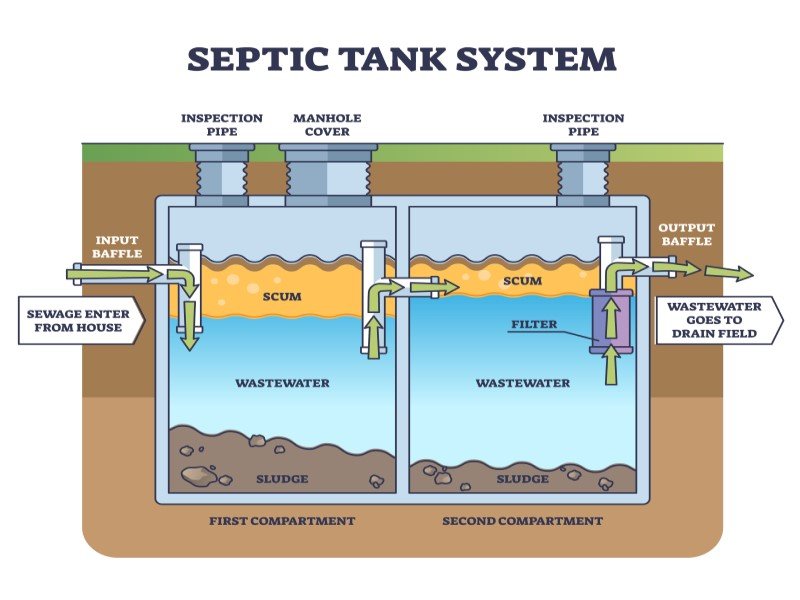
The core difference is the presence of oxygen and the type of bacteria used for waste digestion. An anaerobic system operates in a sealed, oxygen-free environment. Naturally occurring bacteria slowly break down solids. An aerobic system actively pumps air into the treatment chamber, fostering oxygen-loving bacteria that digest waste 5-10 times faster and more completely.
Technical Breakdown:
- Anaerobic Process: Complex organic matter → Acid-producing bacteria → Methane-producing bacteria → Sludge + Effluent + Gases (CO₂, CH₄).
- Aerobic Process: Organic matter + Oxygen → Aerobic bacteria → Carbon Dioxide + Water + Energy. This results in significantly reduced sludge and a higher-quality effluent.
Bottom line: Anaerobic is a slow, steady, passive process. Aerobic is a fast, efficient, mechanical process. This fundamental difference dictates everything from cost to suitability.
Aerobic vs Anaerobic Septic Systems: Master Comparison Table
This table, based on aggregated field data and manufacturer specs, provides a direct, at-a-glance comparison of the two primary system types.
| Evaluation Criteria | Conventional Anaerobic System | Aerobic Treatment Unit (ATU) | Winner & Verdict |
|---|---|---|---|
| Treatment Quality | Basic. Reduces BOD & solids adequately for good soil. | Excellent. Significantly reduces BOD, TSS, and often nitrogen. Produces clear, odorless effluent. | Aerobic. Superior purification. |
| Site Adaptability | Requires suitable soil (deep, permeable). Needs significant drain field space. | High. Works in poor soils (clay), high water tables, and on small lots. Uses a smaller drain field. | Aerobic. Solves challenging site problems. |
| Installed Cost | $6,000 – $20,000 (Conventional gravity system). | $20,000 – $40,000+ (2-3x the cost of anaerobic). | Anaerobic. Dramatically lower upfront investment. |
| Operating Costs | Very low. No electricity. Pumping every 3-5 years ($300-$600). | High. Continuous electricity for aerator (~$30-$60/month). Annual service contract ($200-$500) + pumping every 2-4 years. | Anaerobic. Minimal ongoing expenses. |
| Maintenance Complexity | Low. Homeowner: Conserve water, pump tank. Professional: Pumping only. | High. Professional quarterly/bi-annual servicing of aerator, diffusers, alarms, and controls. Homeowner must respond to alarms. | Anaerobic. “Set it and forget it” (with pumping). |
| Reliability & Lifespan | High. Tank lasts 40+ yrs. No mechanical parts to fail. Drain field lifespan: 20-30 yrs. | Medium. Mechanical components (aerators, pumps, alarms) fail every 5-15 years. Tank lifespan similar. More failure points. | Anaerobic. More robust due to simplicity. |
| Regulatory Acceptance | Standard for suitable sites. May be prohibited in nutrient-sensitive areas. | Often required or incentivized in environmentally sensitive watersheds, coastal zones, or on poor soils. | Context-dependent. Aerobic for regulated areas. |
| Best For Homeowner | The practical, cost-effective choice for standard lots with good soil. | The necessary, high-performance solution for problem lots, small spaces, or eco-sensitive locations. | Depends entirely on your site’s soil test report. |
Current Consensus (2026): There is no “best” system—only the most appropriate system for your specific soil conditions and local regulations. The soil evaluation is the non-negotiable first step.
How to Choose: A Step-by-Step Decision Framework
Step 1: Conduct a Professional Soil Evaluation (Perc Test)
This is the most critical data point. A licensed evaluator will determine your soil’s percolation rate and depth to bedrock/water table. The results will immediately disqualify or qualify system types.
Step 2: Review Local Health Department Regulations
Contact your county health department. Many areas now have Watershed Protection Overlays or Nitrogen-Reducing Zones that mandate advanced treatment (like ATUs) for all new installations or replacements.
Step 3: Assess Your Long-Term Maintenance Willingness
- Can you commit to quarterly professional check-ups and respond immediately to alarms? If not, an ATU is a poor choice.
- Do you prefer a simple system you pump every few years? Anaerobic aligns with this.
Step 4: Analyze Total Cost of Ownership (20-Year View)
- Anaerobic TCO: Installation + 5-7 pumpings + potential drain field replacement at year 25.
- Aerobic TCO: Installation + electricity (20 yrs) + 20 years of service contracts + component replacements (aerator x2, pump x1) + more frequent pumpings.
Step 5: Make the Data-Driven Decision
If your soil passes AND regulations allow → Choose Anaerobic.
If your soil fails OR regulations require advanced treatment → Choose Aerobic (or another engineered system like a mound).
Common Questions Answered
Q: How much more does an aerobic septic system cost?
A: An Aerobic Treatment Unit (ATU) typically costs 2 to 3 times more than a conventional anaerobic system. For a comparable 3-bedroom home, expect to pay $20,000 – $40,000+ for an ATU installed, versus $8,000 – $20,000 for an anaerobic system. This premium buys site flexibility and regulatory compliance.
Q: Do aerobic systems need to be pumped more often?
A: Yes, typically every 2-4 years, compared to 3-5 years for anaerobic. While breakdown is more complete, sludge still accumulates. More importantly, they require quarterly or semi-annual professional servicing of mechanical parts, which is a significant added cost.
Q: Can you convert an anaerobic system to aerobic?
A: Yes, but it’s a major retrofit costing $5,000 – $15,000+. It involves adding an aeration chamber, aerator, controls, and electrical supply. It’s sometimes done to try to revive a failing drain field, but it’s often more cost-effective to install a new system designed for the site.
Q: Which system lasts longer?
A: The anaerobic system structure is more durable long-term. The tank has no moving parts. The mechanical components of an aerobic system (aerators, pumps) have a typical lifespan of 5-15 years and will require replacement, adding to long-term costs.
Q: Is an aerobic system better for the environment?
A: Yes, it produces a significantly cleaner effluent with lower levels of pathogens and nutrients (like nitrogen). This is crucial for protecting sensitive waterways, lakes, and coastal areas from algae blooms and contamination. In many cases, this environmental benefit is why they are mandated.
Q: How do I know which type I currently have?
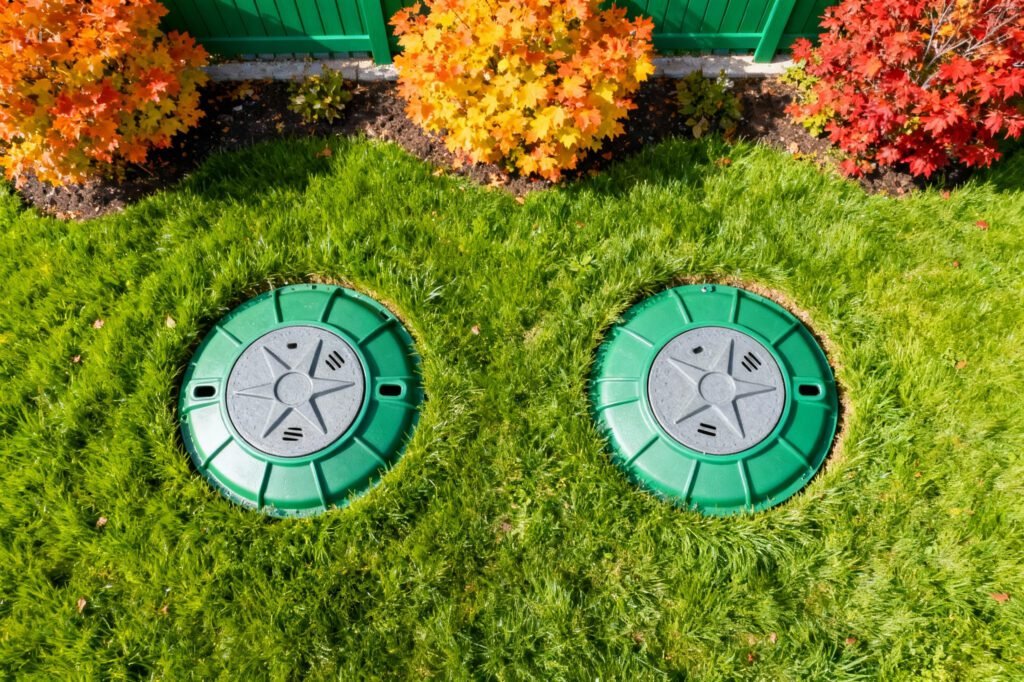
A: Look for electrical components. If you have a control panel, alarm box on your house, or an electrical outlet near your tank, you likely have an aerobic system. A conventional anaerobic system will have only tank lids and possibly a filter access pipe, with no electrical connections.
Pro Tips, Pitfalls & The Future of Treatment
Efficiency Insights from Environmental Engineers
- “The Soil is the Final Judge”: Never let cost alone dictate the choice. Forcing an anaerobic system onto poor soil is the fastest path to a $25,000 drain field failure. The soil report is gospel.
- “ATUs are Not Fire-and-Forget”: The #1 cause of ATU failure is owner neglect of the service contract. Budget for and adhere to the maintenance schedule rigidly.
- Consider Passive Advanced Systems: For sites needing better treatment but wary of mechanical complexity, explore sand filters or peat filters. They offer excellent treatment passively, though media replacement is a periodic cost.
Common Pitfalls to Avoid
- Pitfall: Choosing the cheapest system without regard to soil suitability.
- Solution: Invest in the soil test. It’s a minor cost that prevents a catastrophic mistake.
- Pitfall: Underestimating the ongoing cost and attention required for an ATU.
- Solution: Get a 5-year estimated maintenance quote from your installer before committing.
Future Trends (2026 and Beyond)
- Smart Monitoring Integration: New ATUs come with IoT connectivity for remote diagnostics and alerts.
- Nutrient-Reduction Mandates: Stricter regulations, especially for nitrogen, will make advanced systems (aerobic and others) the only option in more regions.
- Hybrid Systems: Increased use of anaerobic pre-treatment followed by aerobic polishing to balance cost and performance.
Matching Technology to Terrain
In summary, the aerobic vs. anaerobic decision is a classic engineering trade-off: simplicity and cost versus performance and flexibility. Your property’s soil conditions and local environmental regulations will point decisively to the correct technology. An anaerobic system is a robust, economical workhorse for the right site. An aerobic system is a powerful, necessary tool for conquering difficult sites and meeting higher stewardship standards.
Final Synthesis: Expert analysis and lifecycle cost modeling consistently show that the most economical system over 30 years is the one correctly matched to the site from day one. Attempting to save money upfront by installing an undersized or inappropriate system guarantees massive expenses later.
Need clarity for your property? Get a Professional Site Evaluation & System Recommendation from our network of licensed soil evaluators and engineers.
Your Next Steps:
- Understand Your Soil: Guide to Soil Percolation Tests & Reports.
- Calculate Costs: Septic System Installation Cost Calculator.
- Explore Advanced Options: Complete Guide to Engineered Septic Systems.

Leave a Reply