The best septic system for a tiny home, cabin, or ADU is a properly sized, code-compliant system matching your wastewater output and site soil. Key options include a small conventional anaerobic system (500-1000 gal tank), a composting or incinerating toilet paired with a greywater system, or for tough soils, an Aerobic Treatment Unit (ATU). The final choice depends on local regulations, soil percolation rate, budget, and water usage.
Key Decision Factors:
- Local Codes: Health department permits dictate approved system types.
- Soil & Site: A professional percolation test determines what the land can absorb.
- Wastewater Volume: Tiny homes average 20-50 gallons per day; proper sizing prevents failure.
- Budget & Maintenance: Balance upfront cost ($$$ for ATUs, $ for composting) with long-term upkeep.
Table of Contents
Achieving Safe, Legal Wastewater Independence
A reliable septic system transforms your small dwelling from a concept into a fully functional home. For tiny houses, cabins, and ADUs, this isn’t just about waste disposal—it’s about securing permits, protecting your property value, and ensuring environmental responsibility. According to the EPA’s guidelines for decentralized wastewater systems, a correctly designed and installed system is the cornerstone of sustainable small-scale living. This guide synthesizes plumbing codes, installer expertise, and DIY experience to provide your definitive roadmap. You’ll learn to navigate from initial soil testing to final inspection, comparing conventional and alternative systems to find the perfect, compliant fit for your compact lifestyle.
How Much Does a Septic System Cost for a Tiny House or Cabin?
Tiny home septic system costs range from ~$1,500 for a basic composting setup to $15,000+ for advanced engineered systems. The final price is driven by system type, site conditions, and labor.
Comparison Table: Tiny Home & Cabin Septic System Costs
| System Type | Average Installed Cost Range | Best For | Key Cost Drivers |
|---|---|---|---|
| Composting Toilet + Greywater System | $1,500 – $4,000+ | Ultra-low water use, remote cabins, rocky soil. | Toilet model, greyfield construction, permits. |
| Anaerobic Septic Tank & Drain Field | $3,000 – $8,000+ | Most tiny homes & ADUs with suitable soil. | Tank size (500-1000 gal), excavation depth, gravel. |
| Aerobic Treatment Unit (ATU) | $8,000 – $15,000+ | Poor soil, small lots, high environmental standards. | ATU unit cost, electrical hookup, maintenance contract. |
| Mound or Sand Filter System | $10,000 – $20,000+ | High water tables, shallow bedrock, clay soil. | Volume of imported sand, pump system, engineering. |
Bottom Line: While a simple anaerobic system is common, investing in the right system for your soil—verified by a professional perc test—prevents costly failures. The permit and design fees ($500-$2,000) are non-negotiable and critical for success.
Can I Install a Septic System for My ADU or Cabin Myself?
Partial DIY is possible, but full installation typically requires licensed professionals for critical stages. Understanding the split of responsibilities is key to a legal, functioning system.
Featured Snippet Target (List):
Tasks a homeowner can often handle:
- Site Preparation: Clearing vegetation, marking boundaries, providing equipment access.
- Trench Excavation: Digging trenches for drain fields to specified dimensions (if physically able and following safety codes).
- Material Assistance: Hauling and placing gravel, backfilling after inspection.
Tasks that REQUIRE a licensed professional:
- Soil Evaluation & System Design: Conducting the official percolation test and stamping the engineering design.
- Tank Placement & Plumbing: Setting the heavy tank and making watertight, code-compliant inlet/outlet connections.
- Final Inspection & Approval: Only a licensed installer can typically pull the permit and guarantee the work passes health department inspection.
According to most county health departments, the system design and final connection/sealing must be performed or overseen by a licensed septic installer or engineer to receive a Certificate of Occupancy.
Step-by-Step Installation Process for a Small Septic System
Following a structured process ensures safety, compliance, and long-term functionality. Always start with Step 1.
Step 1: Research, Design, and Permitting (The Most Critical Phase)
Determine your daily wastewater flow (estimate 25-50 gallons per person). Hire a licensed professional to conduct a soil percolation test. They will use the results to design a system that meets local code. Submit this design to your health department for permits. Never skip this step.
- Visual Reference [IMAGE: step1-visual]: [Flowchart: Assess Needs (People, Water Use) -> Hire Pro for Soil Test -> Engineer Creates Design -> Submit for Permit -> Receive Approval.]
- Common Mistake: Proceeding with installation before permit approval. This can result in fines and being forced to remove the system.
Step 2: Excavation and Tank Placement
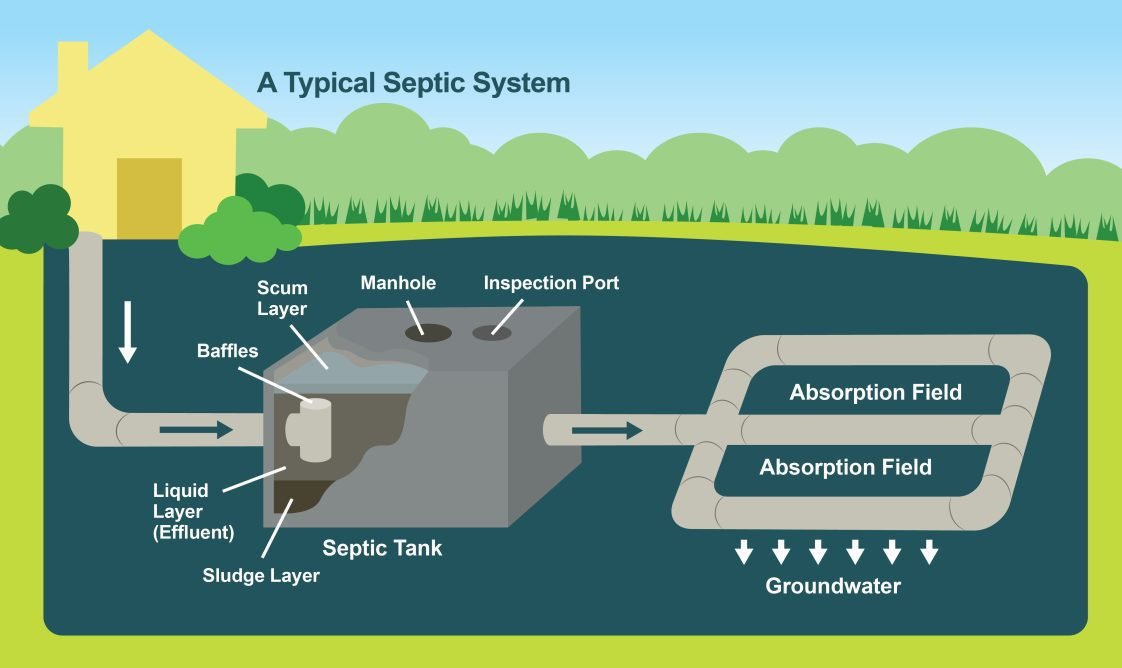
Excavate the hole for the septic tank on stable, level ground. Using machinery, carefully lower the tank. Connect the inlet pipe from the dwelling with a consistent downward slope (1/4 inch per foot minimum). Install the outlet pipe toward the drain field.
Step 3: Drain Field Construction
Dig trenches according to the approved design. Lay a bed of clean gravel, place level perforated distribution pipes, and cover with more gravel. Cover with filter fabric to prevent soil intrusion, then backfill.
Step 4: Final Connections and Inspection
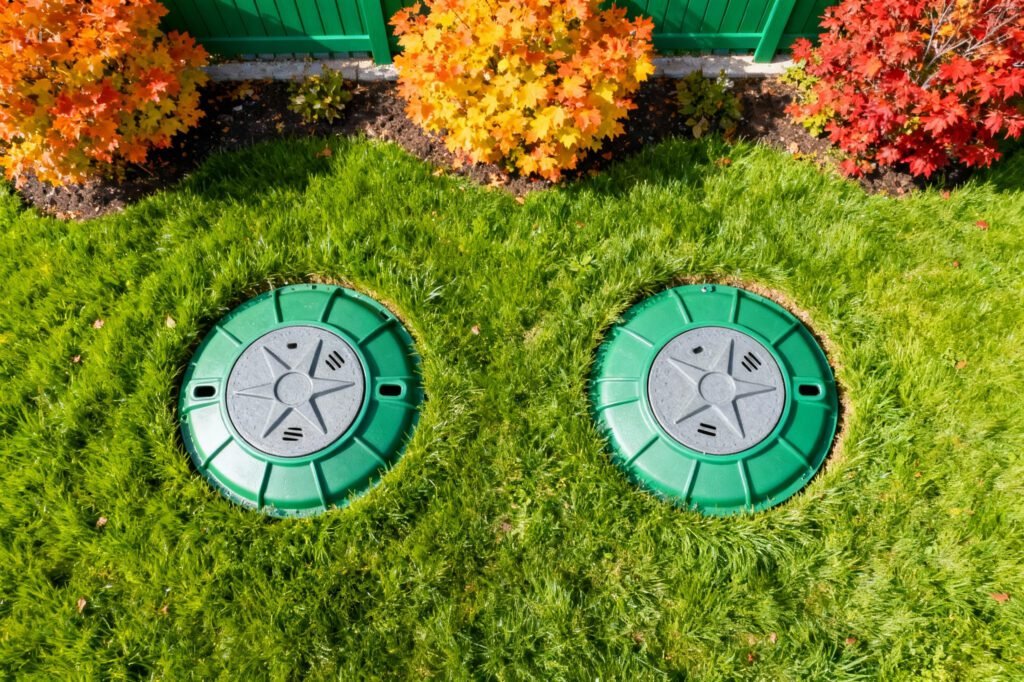
Install risers from tank lids to the surface for easy future access—a pro tip that saves thousands in digging costs later. Install an effluent filter on the tank outlet. Schedule and pass the health department inspection before final backfill over the drain field.
Composting Toilets vs. Traditional Septic: Which is Better?
The “better” system depends entirely on your lifestyle, location, and goals. This comparison highlights the core trade-offs.
Quick Comparison Table: Wastewater Solutions for Small Dwellings
| Aspect | Traditional Septic System (Anaerobic) | Composting Toilet System |
|---|---|---|
| Water Usage | Requires water for flushing. | Waterless for blackwater; greywater handled separately. |
| Upfront Cost | Moderate ($3K-$8K). | Low to Moderate ($1.5K-$4K for toilet + greywater system). |
| Maintenance | Pump tank every 3-5 years ($300). | Empty compost bin every 3-6 months (hands-on). |
| Permitting | Widely understood and accepted. | Can be challenging; some jurisdictions are hesitant. |
| Best For | Full-time occupancy, “normal” water use, good soil. | Off-grid cabins, water conservation, rocky/impermeable soil. |
| Space Needed | Requires significant underground space for drain field. | Minimal indoor space; small exterior greywater field. |
Expert Synthesis: For a typical ADU or frequently used tiny home, a traditional septic system is often the most straightforward and legally compliant path. For a remote, seasonal cabin or a dedicated off-grid enthusiast, a well-permitted composting toilet system can be an excellent, sustainable choice.
Frequently Asked Questions (FAQs)
Q: What size septic tank do I need for a tiny home?
A: For a 1-2 person tiny home, a 500 to 750-gallon tank is typically sufficient, based on an average daily flow of 50-75 gallons per bedroom. A licensed designer will provide the exact size based on your specific fixture count and code.
Q: Do I need a permit for a tiny house septic system?
A: Yes, absolutely. Any permanent wastewater treatment system requires a permit from your local health or environmental department. This ensures it protects public health and groundwater. Unpermitted systems can void insurance and halt property sales.
Q: How close can my cabin be to the septic tank or drain field?
A: Standard setbacks are often 5-10 feet from the dwelling foundation to the tank, and 10-20 feet from the dwelling to the drain field. Your local code is definitive—always check it first.
Q: Can I use a plastic septic tank for my ADU?
A: Yes. Lightweight plastic or fiberglass tanks are popular for small-scale installations due to easier handling. Ensure the tank is certified for subsurface use (e.g., NSF/ANSI Standard 40) and installed on a prepared bed of sand or gravel to prevent shifting.
Q: What is the simplest septic system for a cabin?
A: The simplest permitted system is often a small anaerobic septic tank with a gravity-fed drain field in good soil. For ultra-simplicity where allowed, a self-contained incinerating toilet eliminates liquid waste handling entirely, leaving only greywater to manage.
Q: How do I prevent my cabin’s septic system from freezing?
A: Install all components below the local frost line. Use insulated pipe, and for seasonal use, properly winterize by pumping the tank and adding antifreeze to traps. Regular use with warm water is the best prevention for occupied homes.
Your Path to a Certified, Worry-Free System
Navigating septic for a small dwelling is a process of informed choices and professional partnerships. The goal isn’t just any system—it’s the permitted system that turns your “living space” into a legally recognized “dwelling.” Start with the non-negotiable: a professional site evaluation and permit application. From there, weigh the long-term operational reality of each option against your budget. Whether you choose a conventional septic tank or an alternative composting setup, this diligent approach ensures your tiny home, cabin, or ADU achieves true, sustainable independence.
Ready to move from planning to approval? Your next step is to contact a licensed septic designer or installer in your county for a site evaluation. This single consultation will turn abstract options into a concrete, actionable plan for your property.

Leave a Reply