You should pump your septic tank every 1-5 years, but the exact frequency is not based on time. According to the EPA, the correct schedule is determined by tank size, household size, water usage, and the actual sludge/scum levels measured during an inspection.
Key Factors:
- Tank Size & Household Size: The core formula for your baseline schedule.
- Water Usage Habits: Garbage disposals, frequent laundry, and leaks accelerate the need.
- Sludge/Scum Measurement: The only accurate way to know; pump when sludge exceeds 30% of tank depth.
- Warning Signs: Slow drains, odors, and pooling water mean pump immediately.
Table of Contents
Your Personalized Pumping Plan
Forget the one-size-fits-all “3-5 year” rule. Your septic tank pumping schedule is a personalized equation based on your home’s specific capacity and wastewater output. A proactive, inspection-based schedule is the only way to prevent system failures that can cost $5,000-$15,000+ to repair. This guide, synthesizing EPA guidelines and professional plumbing expertise, will help you calculate your baseline, adjust for your habits, and recognize emergency signs.
Bottom Line: Pumping is not a calendar event; it’s a necessary maintenance procedure triggered by measurable tank conditions and household activity.
What is the Correct Formula for a Septic Pumping Schedule?
The correct frequency is calculated, not guessed. The foundational formula combines your tank’s holding capacity with your household’s daily wastewater flow.
A personalized septic pumping schedule starts with this calculation: (Tank Size in Gallons) / (Number of People x 80 Gallons per Day x 2). The “x2” factor is critical as it ensures adequate settling time for solids. For example, a 1,000-gallon tank for a family of four has a baseline pumping point of approximately 1.7 years, which must then be adjusted for actual usage factors.
Key Steps to Calculate Your Baseline:
- Determine Tank Capacity: Check home records or measure (Length x Width x Depth in feet x 7.48).
- Calculate Daily Flow: Use 50-80 gallons per person per day as the standard.
- ️ Apply the Formula: This gives you a science-based starting point before adjusting for habits.
What Factors Make You Pump More or Less Often?
Your calculated baseline must be adjusted. These household factors directly increase the rate of solid accumulation, requiring more frequent pumping.
The 5 main factors that shorten your septic pumping interval are:
- Garbage Disposal Use: Adds up to 50% more organic solids, according to wastewater studies.
- High Volume Water Use: Frequent laundry days, long showers, and running toilets.
- Household Size & Guests: More people directly equals more wastewater and solids.
- Water Softeners: Backwash cycles introduce excess water and salts into the system.
- Tank Age & Condition: Older tanks may have reduced effective capacity.
Bottom Line: If multiple factors apply, err on the side of more frequent inspections, not a longer interval.
How Do You Check if a Tank Needs Pumping?
You must measure, not guess. A professional sludge and scum layer inspection is the definitive way to know if pumping is required.
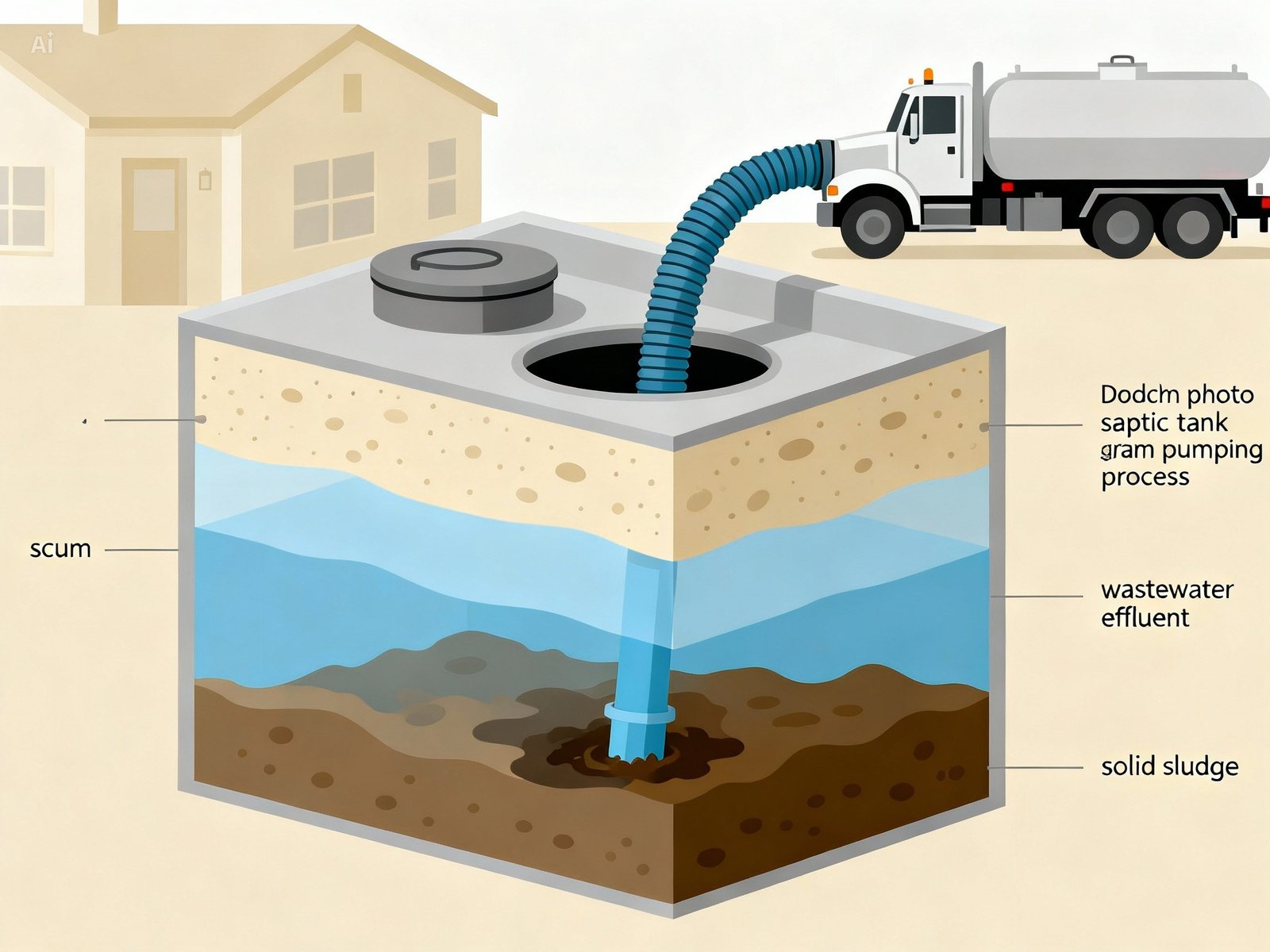
Detailed Answer: Licensed professionals use a tool called a “sludge judge” to measure the depth of accumulated solids at the tank bottom and the floating scum layer at the top. The EPA and National Onsite Wastewater Recycling Association (NOWRA) recommend pumping when the combined sludge and scum volume exceeds 25-30% of the tank’s liquid depth. Self-inspection is possible but involves serious safety risks from toxic gases.
Can I Perform a Safe Basic Check Myself?
With extreme caution, you can perform a visual check. Never enter a tank. Wearing gloves and goggles, use a long stick to gently probe through the inspection port. If the stick meets thick sludge less than a foot down from the bottom of the outlet pipe, call a professional for a full assessment.
What Are the “Pump Immediately” Warning Signs?
These symptoms indicate a system at or beyond capacity. If you observe any of these, schedule emergency pumping and an inspection.
| Warning Sign | What It Indicates | Urgency Level |
|---|---|---|
| Slow Drains & Gurgling | Tank is full, backing up into inlet pipes. | High – Schedule within days. |
| Sewage Odors (indoors/yard) | Gases escaping from a full or clogged system. | High – Investigate immediately. |
| Pooling Water or Lush Grass | Effluent surfacing over a saturated drain field. | Critical – Pump ASAP to prevent field failure. |
| Sewage Backup | Complete system blockage or failure. | Emergency – Call a pro now. |
Septic Tank Pumping Cost, Time & Process
Understanding the service ensures you get what you pay for. The national average cost for professional septic pumping is $300 to $600, based on a survey of industry pricing.
What to Expect:
- Time: The service typically takes 2-4 hours total (including setup and pumping).
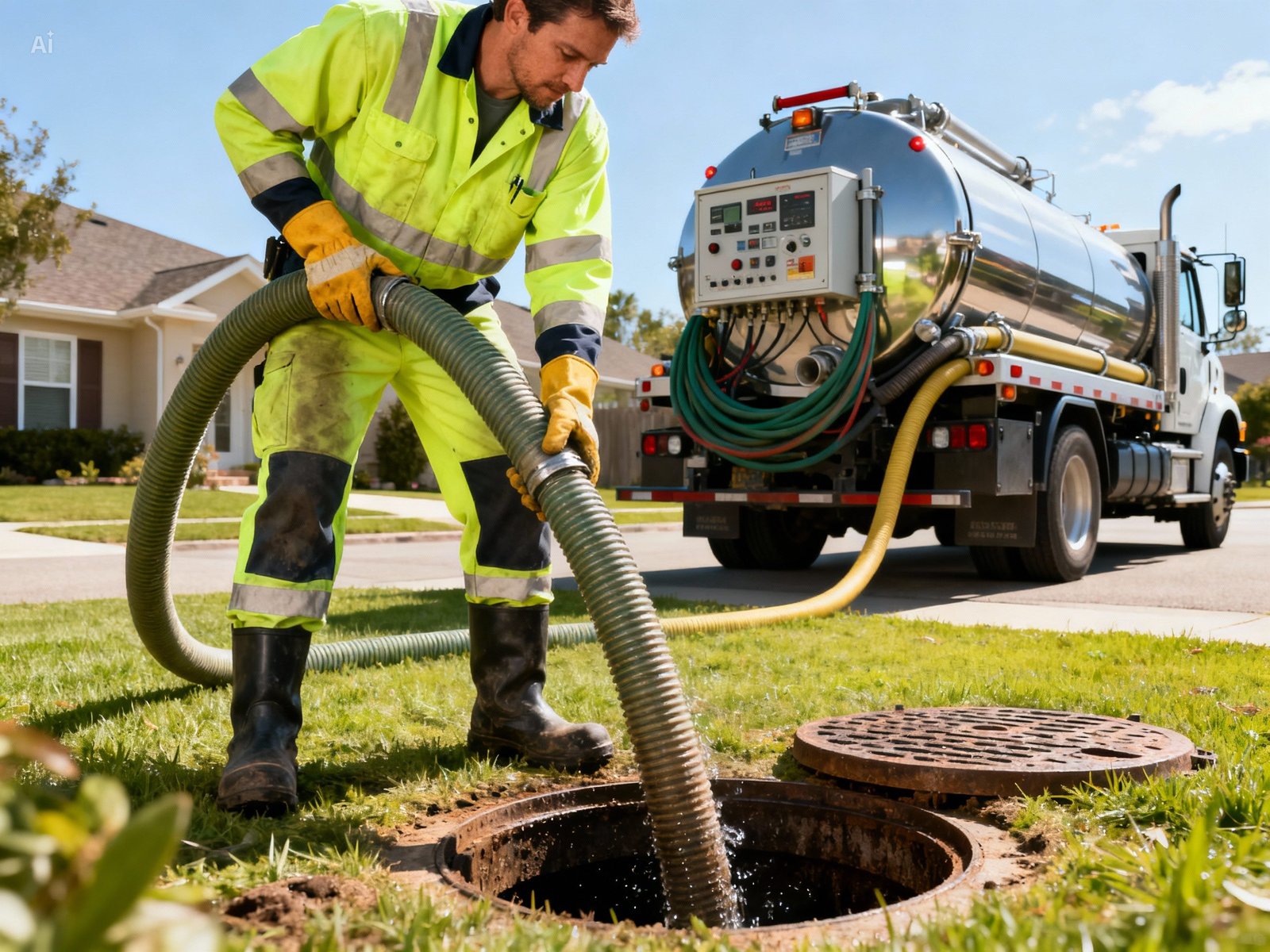
- The Process: Pros will locate lids, pump all solids and liquids, inspect baffles and tees, and legally dispose of waste. They may back-flush with water to break up stubborn sludge.
- Get Multiple Quotes: Ensure quotes include a full pump-out, not just liquid removal, and proper waste disposal documentation.
Common Septic Pumping Questions Answered
Q: Is “pump every 3 years” a good rule?
A: No, it’s an unreliable generalization. For a single person with a large tank, 3 years is too frequent. For a large family with a garbage disposal, it’s too long. According to the EPA, your schedule must be based on inspection and usage, not a standard interval.
Q: Do septic tank additives reduce pumping frequency?
A: Most experts agree they do not. While bacterial additives may aid digestion, they do not eliminate the inorganic solids that accumulate. Harsh chemical “cleaners” can damage the natural bacterial ecosystem, making the problem worse.
Q: What’s the difference between pumping and an inspection?
A: Pumping is the physical removal of waste. An inspection is the assessment of system health. You need regular inspections; pumping is performed only when an inspection deems it necessary.
Q: Should I pump the tank if I’m selling my house?
A: Yes, it is a best practice. It demonstrates responsible maintenance and prevents the tank from being a negative point during the home inspection process.
Q: Can I pump my septic tank myself?
A: We strongly advise against it. Pumping requires licensed equipment for hazardous waste extraction and legal, environmentally-safe disposal. Improper handling poses serious health risks and regulatory fines.
Long-Term Maintenance to Extend Time Between Pumpings
Proactive care maximizes intervals. Efficient water use and mindful habits are the most effective ways to reduce pumping frequency.
How to Reduce Septic System Strain:
- Spread Out Laundry: Do 1-2 loads per day instead of a “laundry day.”
- Fix Leaks Promptly: A running toilet can add hundreds of gallons daily.
- Upgrade to Efficient Fixtures: Install low-flow toilets and showerheads.
- Divert Runoff: Ensure roof and surface water drain away from the drain field.
- Mind What You Flush: Only human waste and septic-safe toilet paper.
Your Action Plan
Current consensus from industry professionals emphasizes a shift from time-based to condition-based maintenance. Start by calculating your home’s unique baseline. Then, commit to professional inspections every 1-3 years to measure sludge levels—this is the only way to know for sure. Finally, adopt water-efficient habits to protect your system’s longevity. By treating your septic system as the vital, living ecosystem it is, you ensure its reliability for decades.
Next Steps:
- Locate your tank layout and capacity.
- Calculate your baseline pumping point.
- Schedule a professional inspection if it’s been over 3 years or you see warning signs.
- Implement one water-saving habit this month.

Leave a Reply