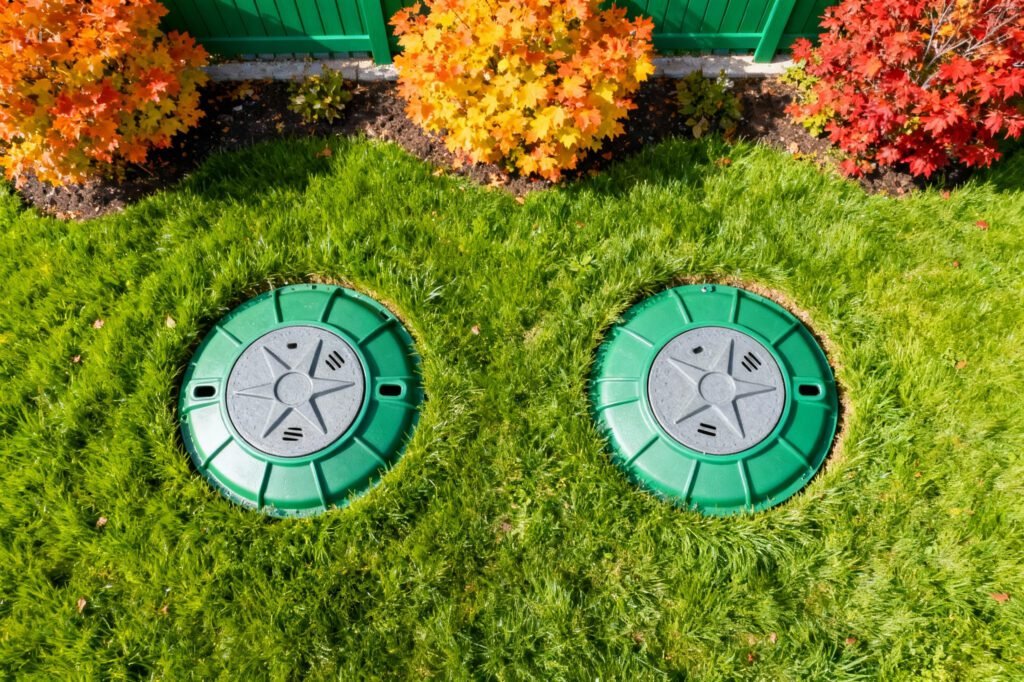
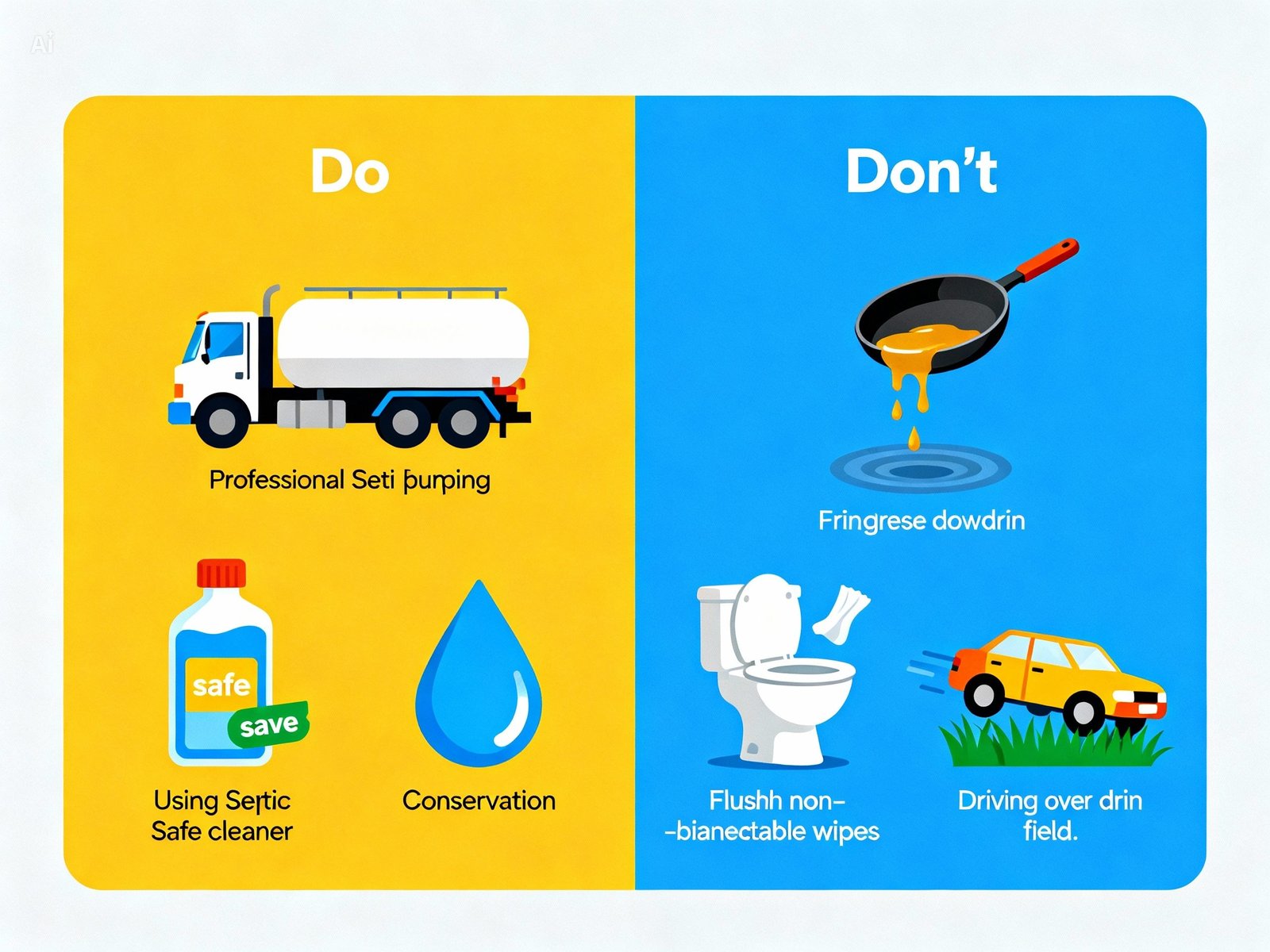
The 7 most critical septic system rules are: 1) DO pump based on inspection, not time, 2) DON’T use a garbage disposal, 3) DO conserve and spread out water use, 4) DON’T flush anything but waste and toilet paper, 5) DO protect your drain field from weight and roots, 6) DON’T pour harsh chemicals or grease down drains, and 7) DO keep detailed maintenance records. Following these prevents system failure and avoids $10,000+ repair bills.
Key Rules:
- Inspect, Don’t Guess: Pump only when sludge/scum exceeds 30% of tank depth.
- Guard the Drain Field: Never drive or plant trees on it.
- Mind What Flows In: No wipes, chemicals, grease, or excess solids.
- Track Everything: Maintain a log of all service and inspections.
Table of Contents
The 7 Non-Negotiable Rules for System Health
Your septic system isn’t mysterious—it’s an ecosystem with clear rules. This definitive list of 7 Do’s and Don’ts, synthesized from EPA guidelines and professional inspector consensus, is the simplest framework to prevent 90% of system failures. Ignoring any one can lead to catastrophic backups and drain field replacement costing $10,000 to $20,000. Master these rules to ensure your system lasts decades.
Bottom Line: Septic system success isn’t about luck; it’s about consistent adherence to a few fundamental, research-backed behaviors that protect the system’s biology and hydraulics.
The 7 Essential Septic System Commandments
1. DO: Pump Based on Inspection & Measurement, Not Just Time
Featured Snippet Target (Paragraph):
You should pump your septic tank when a professional inspection shows sludge and scum layers exceed 25-30% of the tank’s liquid depth, not based on a rigid calendar schedule. According to the National Onsite Wastewater Recycling Association (NOWRA), this measurement is the only accurate way to determine need, as pumping frequency varies drastically by household size, tank size, and water usage.
Why This is Rule #1:
Blindly following the “pump every 3 years” myth is a top cause of failure—from either neglect or unnecessary expense.
Pro Tip: Hire a licensed pro to perform a sludge and scum inspection every 1-3 years. Pump based on their measurement, not the date.
2. DON’T: Use a Garbage Disposal
Featured Snippet Target (List):
A garbage disposal significantly harms your septic system by:
- Increasing Solids: Adds up to 50% more organic solids, dramatically accelerating sludge buildup.
- Raising Costs: Can double or triple required pumping frequency.
- Introducing Fats: Contributes grease, which can solidify and clog pipes and the drain field.
The Verdict: For septic health, composting food scraps is vastly superior. If you must use one, budget for twice the pumping frequency.
3. DO: Conserve Water & Spread Out Usage
Hydraulic overload—flushing the tank with too much water too fast—prevents solids from settling and pushes them into the drain field, causing failure.
How to Implement:
- Fix leaky toilets and faucets immediately.
- Spread laundry loads over the week (not all on one day).
- Install high-efficiency showerheads and toilets.
4. DON’T: Flush Anything But Human Waste & Toilet Paper
Your toilet is not a trash can. Non-biodegradable items clog pipes, destroy pumps, and fill your tank with indigestible solids.
Featured Snippet Target (Table):
| Never Flush These Items | Why They’re Harmful |
|---|---|
| “Flushable” Wipes | Do not break down; cause major blockages. |
| Feminine Hygiene Products | Expand and clog systems. |
| Dental Floss, Cotton Swabs | Tangle and snag on components. |
| Cooking Grease/Fats | Solidify into “fatbergs” that block pipes. |
| Medications & Chemicals | Kill essential tank bacteria and pollute groundwater. |
Pro Tip: Post a friendly reminder list in every bathroom.
5. DO: Protect Your Drain Field Absolutely
The drain field is the most expensive component to replace. Its proper function is destroyed by compression and root intrusion.
Protection Checklist:
- ✅ Never drive, park, or build on the drain field.
- ✅ Plant only grass over it; tree and shrub roots will clog and crush pipes.
- ✅ Divert roof runoff, patio drainage, and sump pumps away from the field.
6. DON’T: Pour Harsh Chemicals or Oils Down Any Drain
Antibacterial cleaners, bleach, paint, motor oil, and cooking grease poison the essential bacterial ecosystem inside your tank that breaks down waste.
The Rule: Use septic-safe cleaning products sparingly. Pour cooled fats into the trash, not the sink.
7. DO: Keep Meticulous Maintenance Records
Your system’s log is its medical chart. Detailed records enable smart decisions, prove maintenance during a home sale, and help diagnose new issues.
What to Record: Every pump date, inspection report, repair, tank layout, and even changes in household size. A simple digital file or binder is sufficient.
How These Rules Work Together
These 7 rules defend two core principles: Protecting the Biology (Rules 2, 4, 6) and Protecting the Hydraulics/Structure (Rules 1, 3, 5, 7).
The Ultimate Power Combination: Rule #1 (Inspect) + Rule #3 (Conserve Water) + Rule #5 (Protect Field). A lightly loaded, regularly inspected tank flowing into a protected drain field is a recipe for decades of trouble-free service.
Common Septic System Questions Answered
Q: Why isn’t “using septic-safe products” a main rule?
A: It’s an important optimization, but the priority is to stop pouring outright toxins (#6) and flushing non-biodegradables (#4). Using “safe” cleaners is good, but not flushing wipes is essential.
Q: Can I keep my garbage disposal if I pump very often?
A: Technically yes, but it’s a costly and inefficient workaround. You are converting compostable waste into a problem requiring frequent, expensive professional service. According to wastewater experts, eliminating the disposal is far more economical.
Q: Are bacterial additives a good substitute for pumping?
A: No. While additives can support bacteria after antibiotic use or chemical contamination, they do not eliminate the accumulated inorganic solids that require physical removal. They are not a substitute for Rule #1.
Q: What’s the first thing a new homeowner should do?
A: Start with Rule #4 (Mindful Flushing), Rule #6 (No Chemicals), and Rule #7 (Start a Log). These are immediate, no-cost actions that provide the biggest initial risk reduction.
Implementation Timeline & Checklist
This Week:
- Post “Do Not Flush” reminders in bathrooms.
- Check for and fix any running toilets or leaky faucets.
This Month:
- Schedule a professional inspection if records are lacking.
- Walk your drain field; remove any debris or new plant growth.
- Set up a simple record-keeping system (digital or physical).
This Year:
- Plan landscaping to ensure proper drainage away from the drain field.
- Review these 7 rules with all household members.
- Consider upgrades like a tank riser for easier future access.
Clarity Leads to Longevity
The current consensus among septic professionals is that consistent, correct homeowner behavior is the single greatest factor in system lifespan. This list provides that clarity. There is no magic bullet—only the disciplined application of these seven fundamental rules. By making them habitual, you transform your septic system from a source of potential anxiety into a reliably functioning asset for the life of your home.
Your Next Step: Perform an audit against this list. Which rule is your household’s weakest link? Address that first, then systematically incorporate the others to build a comprehensive defense against failure.

Leave a Reply