Cleaning a septic system filter involves locating the septic tank lid, carefully opening it, identifying and removing the filter using its handle, thoroughly rinsing and scrubbing the filter with water and a brush, and finally reinstalling the clean filter and securely closing the tank lid. This process should be done every six months to prevent drain field clogs and costly backups.
Modern septic systems are marvels of waste management, designed to process household wastewater safely and efficiently. A critical component in many of these systems is the septic system filter, often called an effluent filter. By the end of this guide, you’ll know how to safely locate, remove, clean, and reinstall your septic system’s effluent filter. This routine maintenance task is essential for protecting your septic drain field, preventing costly septic system backups, and extending the life of your entire system. Keeping your effluent filter clean ensures that only clear, treated wastewater flows into your drain field, preventing solids from clogging the soil absorption area.
This guide is designed for homeowners with basic DIY skills and a willingness to perform a routine, albeit somewhat dirty, maintenance task. No specialized tools are required beyond common household items. The entire process typically takes 30-60 minutes, with minimal cost for cleaning supplies. Regular cleaning of your septic system filter is a vital part of proactive septic system maintenance that saves you significant expense and hassle down the road.
Table of Contents
Preparation and Safety
Before you begin, gather all necessary tools and materials and ensure your workspace is safe and ready. This preparation stage is crucial for a smooth and secure cleaning process.
Key Steps Before You Start
- Gather all necessary tools and materials.
- Ensure the workspace is clear, level, and safe.
- Prioritize safety precautions to avoid health risks.
- Wear appropriate protective gear at all times.
Tools and Materials Checklist
- Gloves: Heavy-duty rubber gloves or chemical-resistant gloves are essential.
- Eye Protection: Safety glasses or goggles to protect against splashes.
- Wrench/Screwdriver: To open the septic tank lid or access port, if necessary.
- Hose with Spray Nozzle: For rinsing the filter. A high-pressure nozzle works best.
- Bucket/Tarp: To place the dirty filter on and contain any drips.
- Stiff Brush: A dedicated septic filter brush or a sturdy toilet brush (never to be used for toilets again) for scrubbing stubborn debris.
- Measuring Tape (Optional): To determine the depth of the filter, if helpful.
- Marker/Notepad: To record cleaning dates.
- Work Clothes: Old clothes that you don’t mind getting dirty or stained.
Safety Precautions and Protective Gear
Working with septic waste involves potential health risks due to bacteria and other pathogens. Always prioritize safety:
- Never enter a septic tank. Septic tanks contain toxic gases (like methane and hydrogen sulfide) that can cause immediate unconsciousness or death. This is a critical safety rule from organizations like the EPA, which warns about the dangers of confined spaces and toxic gases.
- Wear protective gear. Always use heavy-duty gloves and eye protection to prevent contact with wastewater.
- Ensure ventilation. Work in an open-air environment. If working near an open tank, ensure good air circulation.
- Wash thoroughly. After completing the task, wash your hands and any exposed skin with soap and water immediately. Disinfect any tools that came into contact with wastewater.
- Lift lids carefully. Septic tank lids can be heavy. Use proper lifting techniques or get assistance to avoid injury.
Workspace Setup and Preparation
Choose a clear, level area near your septic tank for the cleaning process.
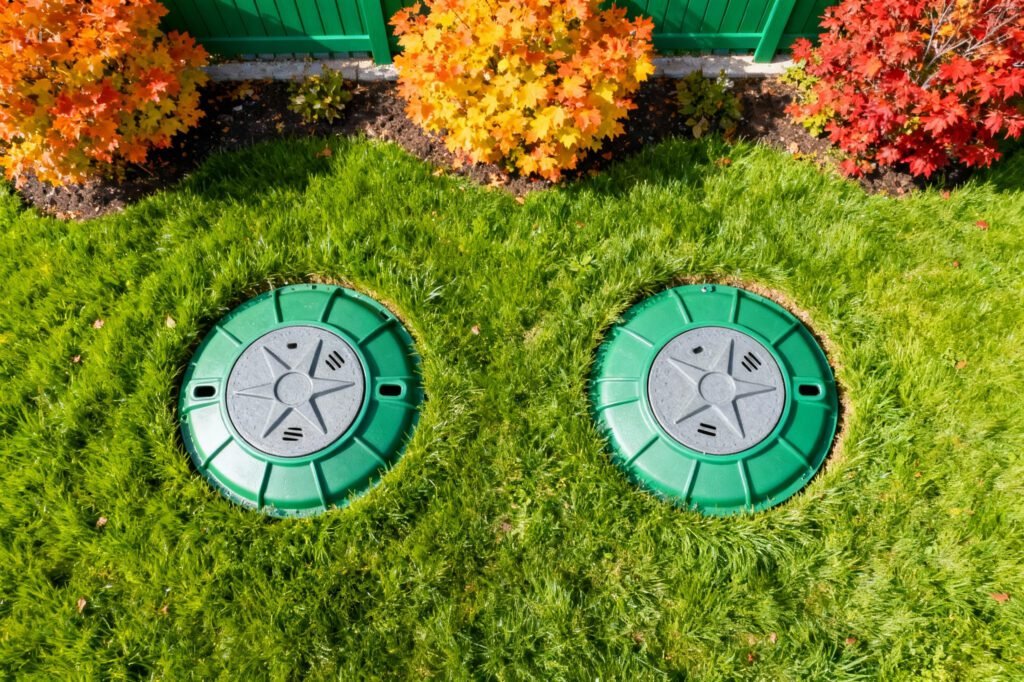
- Locate your septic tank lid or riser. Most newer homes have risers that bring the access point to ground level, covered by a green lid. Older systems might have lids buried a few inches below the surface. If you’re unsure, consult your septic system’s documentation or a professional.
- Clear the area. Remove any landscaping, decorative items, or debris from around the access lid.
- Have your hose ready. Ensure it reaches the work area and has a reliable water supply.
- Lay down a tarp or have a dedicated bucket ready. This will be where you place the dirty filter after removal to avoid spreading waste on your lawn.
Step-by-Step Implementation Guide
This section walks you through the precise steps to clean your septic system filter. Follow each step carefully to ensure a thorough and safe job.
Step 1: Locate and Access the Septic Tank Lid/Riser
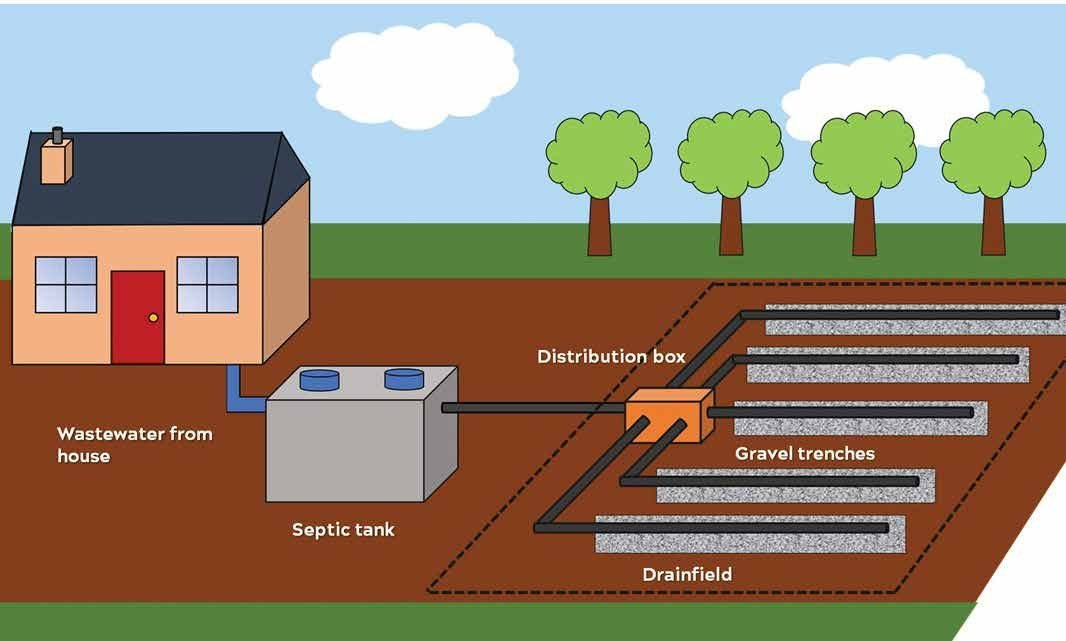
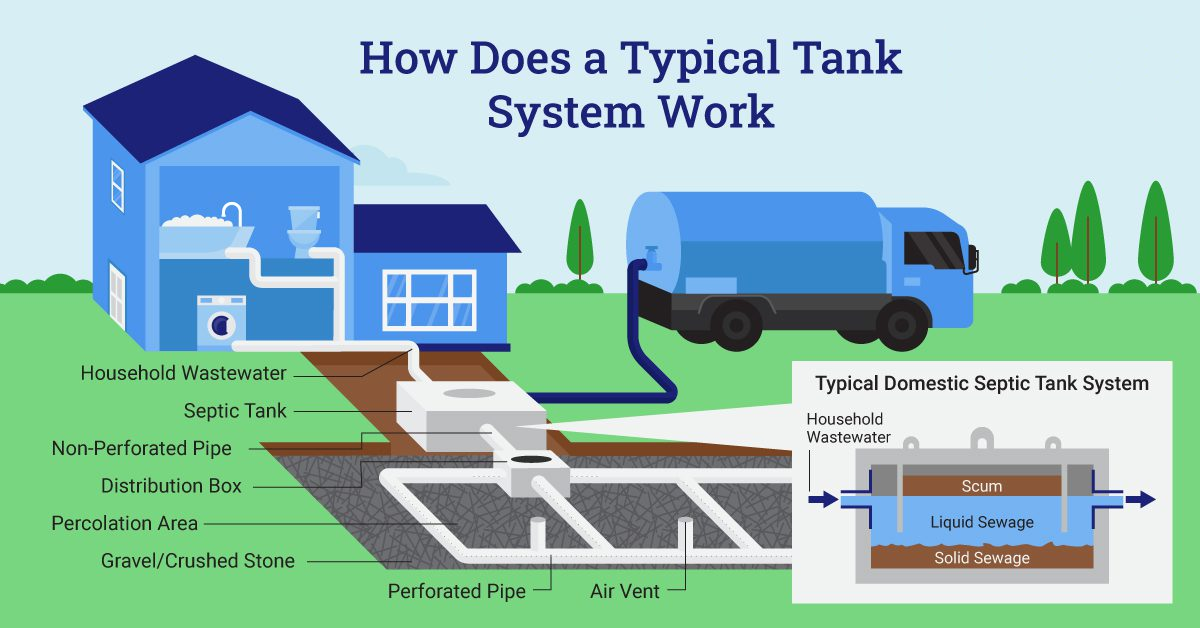
Your septic system’s effluent filter is located within the septic tank, typically in the outlet baffle near the discharge end, just before wastewater flows to the drain field.
- Identify the access point: For most systems, this is a heavy concrete, plastic, or fiberglass lid, often green, positioned over a riser bringing the tank opening to grade. You may need to use a shovel to expose the lid if it’s slightly buried.
- Carefully open the lid: Use a suitable tool (e.g., a pry bar, large screwdriver, or specially designed lid lifter) to remove the lid. Septic tank lids can be heavy and require caution. Set the lid aside in a safe, stable location where it won’t be a tripping hazard or fall back into the tank.
- Ventilate (briefly): Allow the tank to air out for a few moments, standing upwind. Remember, never lean over or enter the tank.
Step 2: Remove the Effluent Filter Cap/Housing
Once the main tank lid is open, you’ll see the interior of the septic tank. The effluent filter assembly is usually a vertical pipe or housing located on the side of the tank opposite the inlet (where waste enters from the house).
- Identify the filter handle: The septic system filter typically has a handle or loop protruding from the top of its housing, making it easy to grab. It might be a T-shaped handle, a rope loop, or a simple finger hold.
- Unscrew or unclip the housing (if applicable): Some filters are housed within a removable basket that might be screwed in or have clips. Most modern filters simply slide into a sleeve. If there’s a cap or a securing mechanism, release it carefully.
- Grip the handle firmly: Ensure you have a good, secure grip on the filter’s handle before attempting to pull it out.
Step 3: Carefully Extract the Dirty Filter
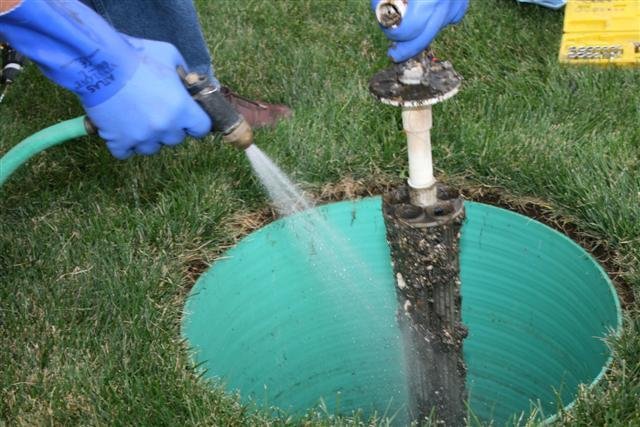
The filter will be heavy with accumulated solids and wastewater. Be prepared for a strong odor.
- Slowly pull upwards: Using the handle, carefully lift the filter straight out of its housing. Try to keep it as vertical as possible to minimize dripping inside the tank.
- Allow excess liquid to drain: As you lift the filter, pause briefly over the tank opening to let any excess liquid drain back into the tank. This reduces mess.
- Place the filter on a tarp or in a bucket: Once removed, immediately place the dirty septic system filter onto the tarp or into your designated bucket to contain the mess and odor. Avoid placing it directly on your lawn.
Step 4: Clean the Effluent Filter Thoroughly
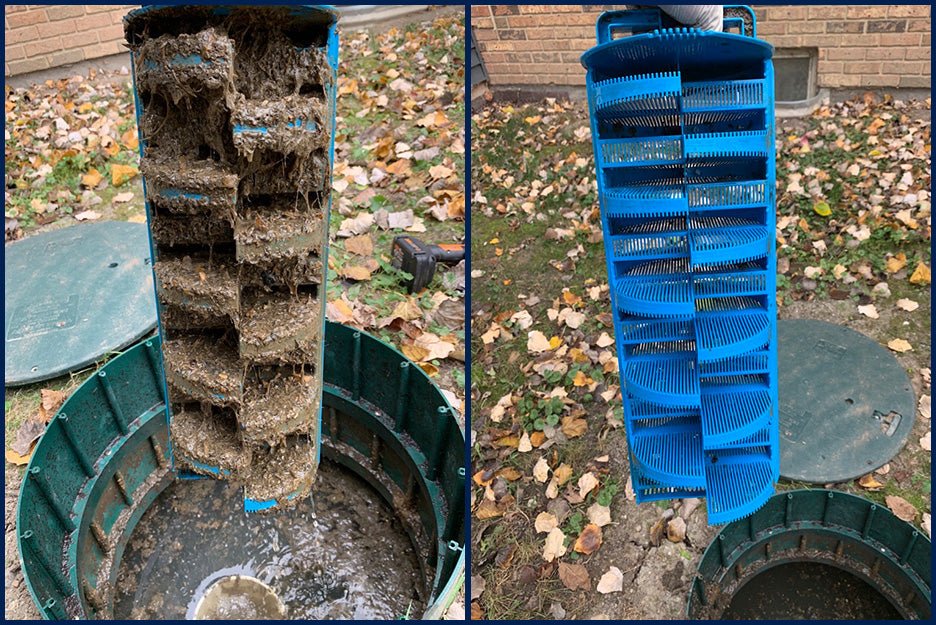
This is the main cleaning stage.
- Rinse with a hose: Use a garden hose with a strong spray nozzle to thoroughly rinse the filter. Direct the spray through the mesh from the top down and from the sides, dislodging accumulated solids. Aim the rinse water onto your lawn or into a designated dirty water area, away from wells or surface water.
- Scrub stubborn debris: For tougher buildup, use your stiff brush to scrub the filter mesh. Ensure all channels and openings are clear. You might need to rinse and scrub multiple times.
- Inspect for damage: While cleaning, check the filter for any cracks, tears, or damage. If the filter is compromised, it will need to be replaced.
- Ensure it’s spotless: The goal is to get the filter as clean as possible, allowing water to flow freely through its mesh. Hold it up to the light to confirm there are no remaining blockages.
Step 5: Reinstall the Clean Filter and Secure the Lid
With the filter clean and inspected, it’s time to put everything back.
- Carefully lower the filter: Guide the clean septic system filter back into its housing in the septic tank. Ensure it slides smoothly into place. It should sit firmly in its intended position.
- Reattach any caps or securing mechanisms: If your filter had a cap, clips, or screws, re-secure them now to ensure the filter remains properly seated.
- Replace the septic tank lid: Carefully lift the heavy septic tank lid and position it securely over the opening. Ensure it is seated correctly and evenly to prevent anything from falling into the tank and to seal out surface water and prevent odors.
- Clean your tools and wash up: Rinse off your hose, brush, and any other tools that came into contact with waste. Wash your gloves, and then thoroughly wash your hands with soap and water.
Quality Control and Testing
After cleaning and reinstalling your septic system’s effluent filter, it’s important to verify that the job was done correctly and to know what to look for moving forward.
How to Verify Success
The primary indicator of success is the visual cleanliness of the filter and its proper reinstallation.
- Visual Inspection of the Filter: After cleaning, the filter media (mesh or baffles) should be free of solids and debris. You should be able to see through the mesh without significant blockages.
- Proper Seating: When reinstalled, the filter should sit firmly and correctly in its housing. There should be no wobbling or signs that it’s not fully engaged.
- Lid Security: The septic tank lid must be fully and securely replaced, preventing accidental falls into the tank and keeping odors contained.
Testing Procedures and Metrics
For an effluent filter, “testing” is primarily a visual and periodic check rather than an active test.
- Post-Cleaning Visual Check: Confirm that the filter appears clean and the housing is unobstructed.
- Flow Observation (Indirect): While you cannot directly observe the flow through the filter without opening the tank again, proper septic system maintenance including regular cleaning helps prevent issues like slow drains or drain field saturation, which are indicators of good flow.
- Scheduled Re-inspection: The most important “metric” is adhering to your bi-annual cleaning schedule. Consistent cleaning prevents issues, making your next removal and inspection easier.
Troubleshooting Common Installation Issues
If you encounter problems during or after cleaning, here are some common issues and solutions:
- Filter too heavy/clogged to remove: If the filter is extremely heavy and difficult to lift, it indicates severe neglect. You may need to gently wiggle it to loosen sediment. If it still won’t budge or if you fear damaging it, call a septic professional.
- Filter won’t go back in: Ensure it’s correctly aligned with the housing. Sometimes twisting it slightly or applying gentle downward pressure can help it seat properly. Check for any debris caught in the housing itself.
- Lingering Odor: If odors persist after the lid is securely replaced, check for cracks in the lid or riser. Ensure the lid gasket (if present) is intact. If odors are from the drain field, it could indicate a larger problem requiring professional attention.
- Visible Damage to Filter: If you find cracks, tears, or broken septic system parts during cleaning, the filter needs replacement. Do not reinstall a damaged filter as it will allow solids to pass to your drain field.
Maintenance and Long-Term Care
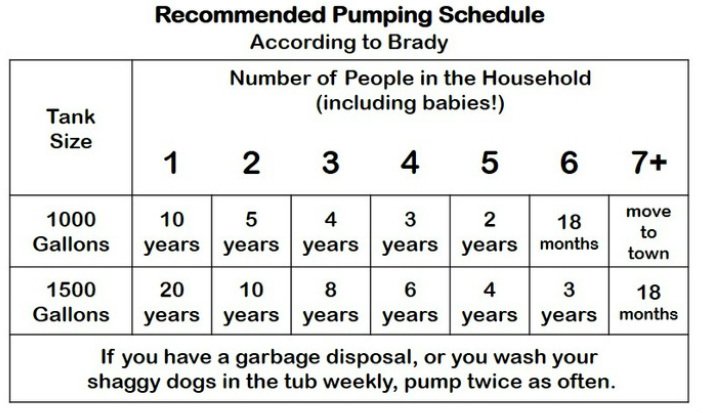
Cleaning your effluent filter is a cornerstone of good septic system maintenance, but it’s part of a larger picture. Adhering to a broader maintenance schedule will protect your investment.
Regular Filter Cleaning Schedule
The effluent filter should be cleaned at least every six months (bi-annually). However, high water usage, frequent disposal of grease or non-biodegradable items, or a larger household may necessitate more frequent cleaning. Mark your calendar and set reminders for this crucial task. A well-maintained filter prevents septic system backup and extends the life of your drain field.
Monthly/Quarterly Checks
Beyond the filter, these checks contribute to overall septic health:
- Water Usage Awareness (Monthly): Be mindful of your household’s water usage. Stagger laundry loads and avoid long showers to prevent overwhelming the septic system. Excessive water can flood the drain field and stir up solids in the tank, leading to filter clogging.
- Drainage Observation (Quarterly): Pay attention to your drains. Slow drains, gurgling sounds, or sewage odors from drains can be early warning signs of a septic issue, including a clogged effluent filter or a failing drain field.
- Landscape Inspection (Quarterly): Walk over your drain field area. Look for unusually lush, green grass (especially in dry weather), standing water, or spongy soil, which can indicate a drain field that is failing or oversaturated.
Signs of Wear and When to Replace
While effluent filters are designed to be durable, they don’t last forever.
- Visible Damage: As mentioned, if the filter media shows cracks, tears, large holes, or broken structural components, it’s time for replacement. A damaged filter cannot effectively prevent solids from reaching the drain field.
- Extreme Clogging/Difficulty Cleaning: If the filter is consistently so clogged that it’s extremely difficult to clean even with scrubbing, or if it seems to be breaking down structurally due to heavy buildup, consider replacing it. This often happens after years of neglect.
- Age: While there’s no fixed lifespan for all filters, many manufacturers recommend inspecting and potentially replacing them after 10-15 years, depending on material and usage. Check your specific filter’s documentation or consult a septic professional.
- Frequent Backups Despite Cleaning: If your filter is regularly cleaned, but you still experience septic system backups, it might indicate a more severe problem with other septic system parts or the drain field itself, and the filter’s effectiveness may be compromised.
Pro Tips and Advanced Techniques
Boost your septic system’s longevity and make maintenance easier with these professional insights and investment recommendations.
Efficiency Hacks from Professionals
- Schedule with Pump-Outs: Coordinate a filter cleaning right before or after a professional septic tank pump-out. The tank is already open, and the system is less full, making access easier.
- Use a Pressure Washer (Carefully): While a garden hose is sufficient, a low-pressure setting on a pressure washer can be highly effective for quickly dislodging stubborn sludge from the filter mesh. Be careful not to use too high a pressure setting, which could damage the filter material.
- Water Down Solids First: Before removing a heavily clogged filter, consider gently spraying it with a hose while it’s still in the tank for a few minutes. This can help soften and dislodge some of the major solid accumulation, making removal and subsequent cleaning easier.
- Maintain Records: Keep a logbook of when you clean your filter, when the tank was pumped, and any observations. This helps track patterns and ensures you stay on schedule for septic system maintenance.
Tools and Accessories Worth Investing In
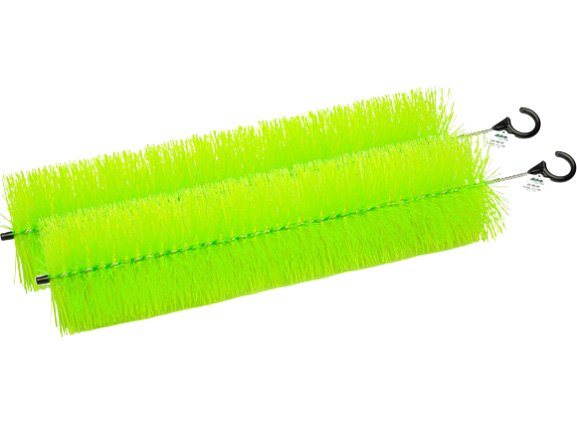
- Dedicated Septic Filter Brush: These brushes are specifically designed to clean the unique shapes and meshes of effluent filters, often with a longer handle for easier reach and stiffer bristles for effective scrubbing.
- Septic Tank Lid Lifter: If your tank has heavy concrete lids, investing in a specialized lid lifter tool can make access safer and less strenuous.
- Riser Extension: If your septic tank lid is buried, consider installing a riser extension to bring the access point to ground level. This makes routine filter cleaning significantly easier and safer.
- High-Quality Rubber Gloves: Upgrade from basic utility gloves to heavy-duty, long-cuff chemical-resistant gloves for maximum protection and comfort during cleaning.
Customization and Adaptation Options
- Upgrading Filter Type: If your current effluent filter is old or consistently gets clogged quickly, research newer, more efficient septic system parts. Some advanced filters offer larger surface areas or finer filtration for improved performance. Consult a septic professional before making changes.
- Adding a Second Filter (Rare): In some specific scenarios, typically for very large or heavily used systems, an additional filter or a pre-filter might be considered. This is an advanced modification that absolutely requires professional assessment and installation.
- Effluent Filter Alarms: For extra peace of mind, an effluent filter alarm can be installed. This device senses when the water level in the filter housing rises due to clogging and triggers an audible or visual alarm, alerting you that the filter needs cleaning before a septic system backup occurs.
Frequently Asked Questions
What is an effluent filter in a septic system?
An effluent filter is a specialized septic system part installed in the outlet baffle of a septic tank. Its purpose is to prevent solid particles that have settled in the tank from flowing out into the drain field, thereby protecting the drain field from premature clogging. Organizations like the National Environmental Services Center (NESC) emphasize their role in extending drain field life.
Why do I need to clean my septic filter?
Cleaning your septic filter is crucial because it traps solids that could otherwise clog your drain field, leading to expensive repairs or replacement. A clogged filter also restricts water flow, potentially causing septic system backups into your home.
How often should I clean my septic filter?
It is generally recommended to clean your septic system filter at least every six months. However, homes with high water usage, more occupants, or those that frequently dispose of grease may need more frequent cleaning, possibly quarterly.
What happens if I don’t clean my septic filter?
If you neglect to clean your septic filter, it will eventually become completely clogged. This will cause wastewater to back up into your septic tank, and potentially into your home’s drains and fixtures, leading to a foul-smelling and unhygienic septic system backup.
Can I clean the filter with bleach or harsh chemicals?
No, you should never use bleach, harsh chemicals, or septic additives to clean your effluent filter or introduce them into your septic system. These substances can kill the beneficial bacteria in your septic tank that are essential for breaking down waste, leading to system failure. Use only water and a brush.
Is it safe to clean my own septic filter?
Yes, cleaning your septic system filter is a safe DIY task for most homeowners, provided you follow proper safety precautions. This includes wearing gloves and eye protection, never entering the tank, and ensuring good ventilation. If you are uncomfortable, always call a professional.
How do I know if my septic system has an effluent filter?
Most modern septic systems (installed in the last 20-30 years) are equipped with effluent filters. You can typically confirm this by checking your septic system’s installation plans, looking for a filter handle within the tank’s outlet baffle, or asking your septic pump-out service.
Bottom Line: A clean filter is a happy drain field. Mark your calendar to check and clean your filter bi-annually to protect your entire septic system and prevent costly repairs.
For more in-depth information on maintaining your septic system, explore our Comprehensive Septic System Maintenance guide. Understand your drain field’s health with our Understanding Your Septic Drain Field resource, learn about potential issues in our Common Septic System Problems article, and know exactly When to Pump Your Septic Tank.

Leave a Reply