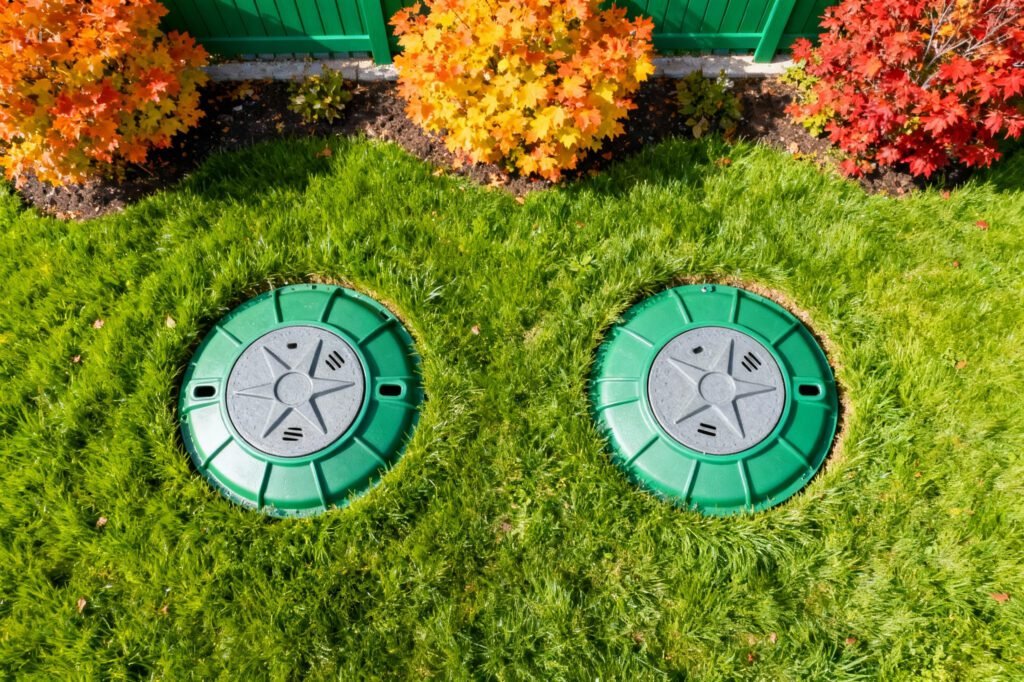
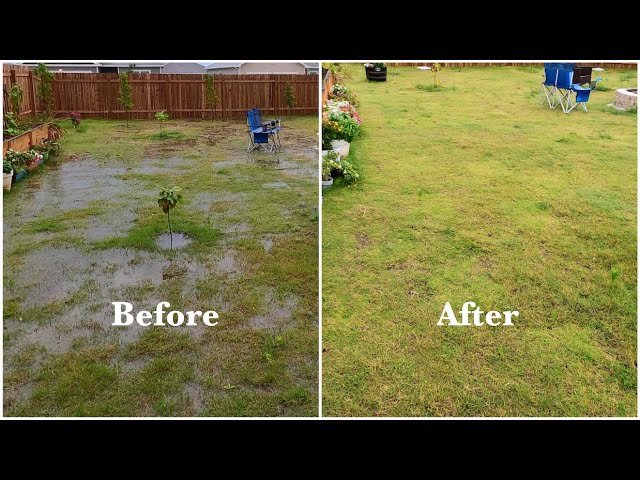
Quick Answer: A failed septic system drain field is marked by persistent soggy ground, strong sewage odors, backed-up drains, or standing water. Immediate action involves stopping excessive water use and calling a licensed septic professional for diagnosis. Solutions range from emergency pumping to complete drain field replacement. Early detection and routine maintenance are key to prevention.
- Drain field failure causes household backup, health risks, and expensive repairs.
- Common signs include wet, smelly patches above the field and slow draining indoors.
- Major root causes: biomat buildup, overloading, root intrusion, soil compaction or system age.
- Immediate, medium-term, and permanent solutions exist based on severity.
- Insurance rarely covers failures; professional repair is often required.
- Proper maintenance can extend drain field life to 20–30 years.
Table of Contents
Recognizing the Septic System Drain Field Problem
A failed septic system drain field is a nightmare scenario for homeowners relying on on-site wastewater treatment. Once hidden beneath your yard, the system’s failure often becomes unmistakable: soggy patches of grass, raw sewage smells, backed-up drains, and standing water over the leach field. Besides embarrassment, it threatens your home’s habitability and presents real health hazards, especially to families and pets.
Drain field failure generates anxiety about home value and repair costs, disrupts daily routines, and creates genuine health risks. According to the US Environmental Protection Agency (EPA), 10–20% of septic systems fail prematurely—most commonly due to leach field issues. Recognizing these signs early and acting decisively are your best protections.
Root Cause Analysis: Why Drain Field Failure Happens
Primary Causes of Drain Field Failure
- Bio-mat buildup: Over time, solids escaping the septic tank form a thick bacterial mat in the drain field that clogs soil pores and halts absorption.
- Hydraulic overloading: Excessive water use can saturate the system and force untreated waste upward, causing surface pooling.
- Soil compaction or saturation: Parking heavy vehicles or equipment over the field, or excess rain and poor drainage, compacts or saturates the soil and impedes drainage.
- Root intrusion: Invasive roots from trees or shrubs enter drain pipes and block or restrict wastewater flow.
- System age/deterioration: Corroded pipes and outdated system designs may not support current household demands or shifting soil conditions.
Contributing Factors
- Neglecting regular septic tank pumping
- Flushing fats, oils, chemicals, or non-flushable items
- Lack of surface water management (e.g., missing diverter drains)
- Undersized or poorly designed septic systems for the property
Diagnostic Self-Assessment Quiz
Answer the following to gauge your risk:
- Do you see soggy or exceptionally green patches above the drain field?
- Are household drains slow, gurgling, or backing up despite clear indoor pipes?
- Do you notice sewage odors outdoors or near the leach field?
- Have there been recent heavy rains, flooding, or major landscaping changes?
- Has it been over three years since your septic tank was professionally pumped?
If you answered “yes” to two or more, your drain field is likely failing or at high risk.
How to Identify Your Specific Cause
Use the following pointers to narrow down the issue:
- Soggy lawn + recent rain: Probable soil saturation
- Backups after heavy water use: Likely overloading
- Bad odors + old system: Bio-mat buildup or damaged pipes
- Patches near trees/shrubs: Possible root intrusion
Solution Framework: Tiered Approach to Drain Field Failure
| Tier | Actions | Purpose |
|---|---|---|
| Immediate (Tier 1) |
| Prevent further contamination and mitigate immediate health hazards |
| Medium-Term (Tier 2) |
| Restore partial flow and reduce load during assessment/repair phase |
| Long-Term (Tier 3) |
| Restore safe, code-compliant, long-lasting septic function |
Step-by-Step Implementation Guides
Solution A: Septic Tank Pumping and Water Restriction
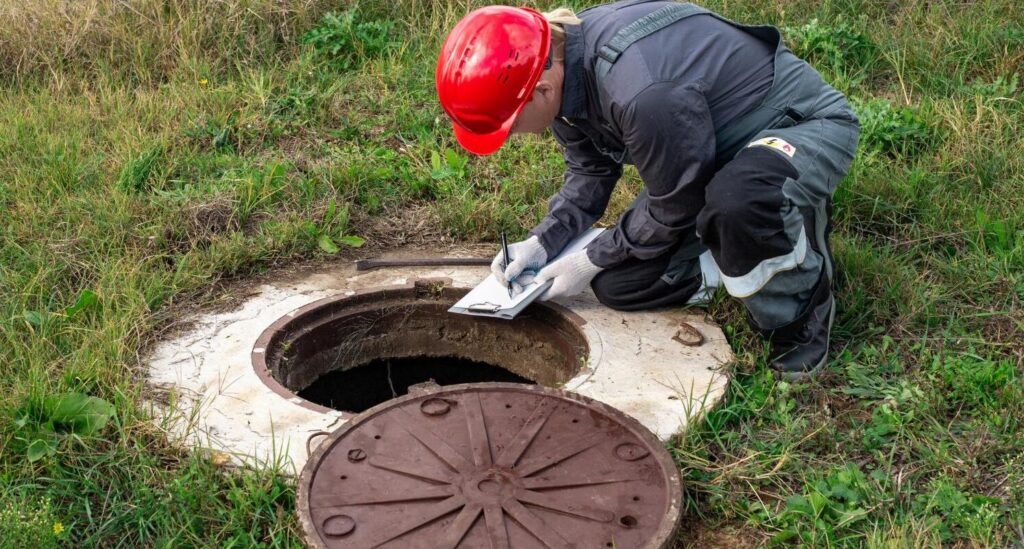
- Book a professional tank pump-out: Ensure tank location is accessible and inform your provider of the failure symptoms.
- Cease all excessive water use: Place reminders in bathrooms and kitchens for household members.
- Monitor the leach field: Check for any new standing water or odors over the next 24–72 hours.
Solution B: Drain Field Jetting & Pipe Clearing
- Hire a licensed septic contractor: Specialized tools and experience are required; never DIY high-pressure jetting.
- Find and expose the distribution box: The pro will do this safely, preventing landscape damage.
- Jetting the lines: Pressurized water jets clear built-up biomat and roots or debris inside leach pipes.
- Inspection: Technician will use a pipe camera to confirm restoration of proper flow.
Solution C: Full Drain Field Replacement
- Site assessment: A licensed engineer tests and selects a compliant new field location and size.
- Permit application: Submission to local health/environmental department.
- Excavation: Outdated pipes/soils are removed for proper installation.
- System installation: New gravel, leach lines/distribution box are installed, meeting local codes (often referencing NOWRA standards).
- Backfill and grading: Yard is restored, minor land settling expected.
- Inspection and commissioning: Local inspector confirms safe operation before system is used.
Prevention Strategies: Ensuring It Never Happens Again
Daily/Weekly Prevention
- Stagger water use (laundry, showers) to avoid peaks
- Never flush wipes, feminine items, or fats/grease
- Use only septic-safe cleaners and chemicals sparingly
Monthly/Quarterly Maintenance
- Inspect the area above the drain field for wetness/odors
- Clean the tank filter if present
- Ensure gutters and downspouts direct water away from the leach field
Monitoring & Alerts
- Install a septic tank high-level alarm (audio/visual)
- Keep a detailed log of inspections and maintenance
- Take periodic photos after storms for comparisons
Environmental and Use Modifications
- Avoid planting trees or deep-rooted shrubs over/near the field
- Do not drive vehicles or place heavy objects (sheds, pools) on the field area
- Install low-flow fixtures/appliances
- Reroute roof drains well clear of the system area
Cost Analysis: DIY vs. Professional Repair
| Solution | DIY Cost | Professional Cost |
|---|---|---|
| Enzyme/Bacteria packets | $30–$60/year | Included in some treatments |
| Manual inspections/record-keeping | Low (Your time) | Typically included in service visits |
| Surface drainage fixes | $200–$500 (materials, minor digging) | Varies (may be included with larger jobs) |
| Tank pump-out | – | $350–$700 |
| Jetting/pipe cleaning | – | $800–$2,000 |
| Soil remediation | – | $2,000–$6,000 |
| Drain field replacement | – | $7,500–$22,000+* |
| Advanced treatment unit | – | $10,000–$25,000 |
*DIY drain field replacement is illegal and unsafe. Always use a licensed, code-compliant professional for major work.
Insurance & Warranty Notes
- Homeowners insurance usually excludes septic system wear-and-tear or root/overuse problems. Sudden, specific accidental damage might be covered—refer to your policy or agent for details.
- Many reputable installers provide 1–3 year parts-and-labor warranties on new installations—always confirm before hiring.
Success Verification & Quality Assurance
How to Know the Problem Is Solved
- No standing water or odors above field
- All household drains work smoothly
- No septic alarms triggered
Testing & Validation Procedures
- Conduct post-repair camera pipe inspections
- Perform percolation testing at outlet points
- Monitor field 48 hours after rain events for return of symptoms
Long-Term Maintenance Checklist
- Schedule septic tank inspections/pumping every 2–3 years (EPA & CDC recommendation)
- Maintain a written maintenance and repairs log
- Conduct a brief annual visual field check, especially after large storms
When All Else Fails: Escalation Path
Red Flags: When Immediate Professional Help Is Needed
- Sewage surfacing above ground or inside home
- Multiple slow or blocked drains, even after tank pumping
- Persistent, strong sewage odors outdoors
- Continued wet/soggy patches despite water conservation efforts
Finding and Vetting a Septic Professional
Choose local companies licensed for septic system repair or replacement with:
- Verifiable licensing, insurance, and relevant credentials
- Positive references from past customers
- Transparent Google & BBB reviews
- Clear explanation of permitting and warranty coverage
Top Questions to Ask Before Hiring
- Are you licensed, bonded and insured for septic work in this area?
- Can you share references from recent drain field rebuilds?
- Will you obtain all permits and schedule inspections?
- What warranty do you provide on new work?
- Can I review a detailed, written estimate?
Frequently Asked Questions
How can I tell if my septic system drain field is failing?
Watch for soggy ground, bright green stripes, persistent sewage odor, or sluggish household drains. A professional septic inspection can confirm failure.
Is it possible to restore my leach field instead of replacing it?
Yes, some leach fields can be partially restored through water jetting, aeration, or bio-restoration additives. Advanced or repeated failures typically require total replacement according to EPA and industry guidelines.
How long does a typical septic system leach field last?
With proper care, a leach field may last 20–30 years. Lack of maintenance, heavy overload, and tree roots significantly shorten lifespan.
What does septic system repair usually involve?
Most repairs start with septic tank pumping and may include jetting the leach lines and applying soil treatments. Severe cases need full drain field replacement and possible system upgrades.
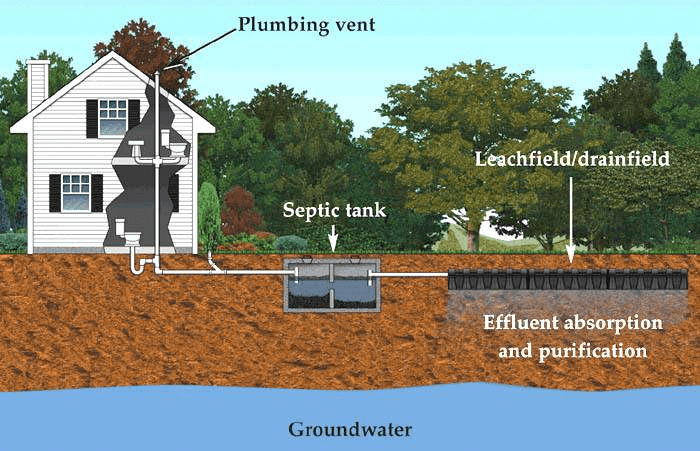
What’s the difference between the septic tank and the drain field?
The septic tank separates solids and begins bacterial treatment, while the drain field distributes and filters partially treated water into the soil for final purification.
Can I use chemical drain cleaners or additives to fix a failing system?
Harsh drain cleaners are not recommended for septic systems. Only use certified, septic-safe biological additives, and always consult a septic pro beforehand.
What does it cost to replace a septic system drain field?
Replacement ranges from $7,500–$22,000+ depending on region, site difficulties, size, and permitting costs. Always get several local estimates.
Will homeowners insurance pay for drain field repairs or replacement?
Usually not. Most homeowners insurance excludes normal wear, tree roots, or gradual failure. Only sudden, covered accidents may be eligible—always check your policy.
How quickly should I act if I notice drain field trouble?
Immediately. Continued water use risks sewage backup and environmental contamination. Every day’s delay can amplify costs and hazards.
Can landscaping or gardening over my drain field make it worse?
Yes. Trees and deep-rooted plants cause root invasion; heavy landscaping can compact the soil and accelerate failure. Maintain only grass over the leach field.
External Resources
- US EPA – How Septic Systems Work
- National Onsite Wastewater Recycling Association
- Centers for Disease Control: Septic System Basics
Bottom Line: A failed drain field threatens your health and property. Take fast action: stop water overuse, prevent exposure, and contact an experienced local septic professional. Early detection, clear diagnosis, and expert repairs protect your home and your wallet.
Request an urgent septic inspection today →

Leave a Reply