Quick Answer: Before buying a home with a septic system, hire a licensed inspector to evaluate its age, capacity, and condition. Look for warning signs like odors, slow drains, or wet patches in the yard, and always verify system records. Most septic systems last 20–40 years, so factor potential repair or replacement costs into your offer.
- Septic systems require proactive assessment before purchase—inspection is essential.
- Signs of failure include slow drains, odors, backups, and wet patches over the drain field.
- System lifespan: generally 20–40 years with proper maintenance.
- Budget for inspection, possible repairs, or full replacement ($3,000–$15,000+).
- Match system capacity to your household size and future needs.
- Prioritize reputable brands and ensure compliance with local codes and environmental standards.
Navigating the Septic System Buying Process
Purchasing a home with a septic system can feel overwhelming. With various system types, unique maintenance requirements, and potential hidden issues, buyers face complexities not seen in homes connected to municipal sewers. A poorly assessed septic system may lead to costly repairs or full replacement. This guide simplifies the process, helping you understand how to assess system condition, costs, and risks—so you buy with confidence and avoid unpleasant surprises.
Pre-Purchase Assessment: Do You Actually Need This?
Signs You Need a New Septic System
Before buying, look for indications that a system replacement may be imminent:
- Frequent backups or slow drains: Sign of failing components.
- Unusual odors around the drain field: May indicate overflow or system failure.
- Wet patches or lush grass over the drain field: Suggests leakage or saturation.
- System age: Most last 20–40 years; if near or above this range, plan for replacement.
Alternatives to Buying New
If the septic system is aging but functional, consider rehabilitation instead of immediate replacement. Options include:
- Pumping the tank
- Repairing damaged pipes
- Restoring or rejuvenating the drain field
- Upgrading components (e.g., effluent filters or alarms) to extend system life
Right-Sizing Your Purchase (Avoiding Over/Under Buying)
Ensure system capacity matches your household. Undersized systems often fail due to overload; oversized systems may add upfront and maintenance costs with little benefit. Review permit documents or commission an inspection to confirm proper sizing.
Key Decision Factors and Prioritization Matrix
| Decision Factor | Why It Matters | Questions to Ask |
|---|---|---|
| Budget Analysis & Price Tiers | Costs vary: plan for inspection, repair, and potential full replacement. | What is your all-in budget? What is the worst-case scenario? |
| Size, Capacity & Specs | System must handle household/staff size and intended water use. | Is the system sized for current and future needs? |
| Features | Alarms, filters, advanced treatment—all affect practicality and cost. | Which features are essential vs. optional upgrades? |
| Brand Reputation & Support | Impacts reliability and long-term maintenance ease. | Are parts and service easily available locally? |
Feature Breakdown Dictionary
Technical Terms Explained Simply
- Drain Field: Area for final wastewater absorption/final treatment.
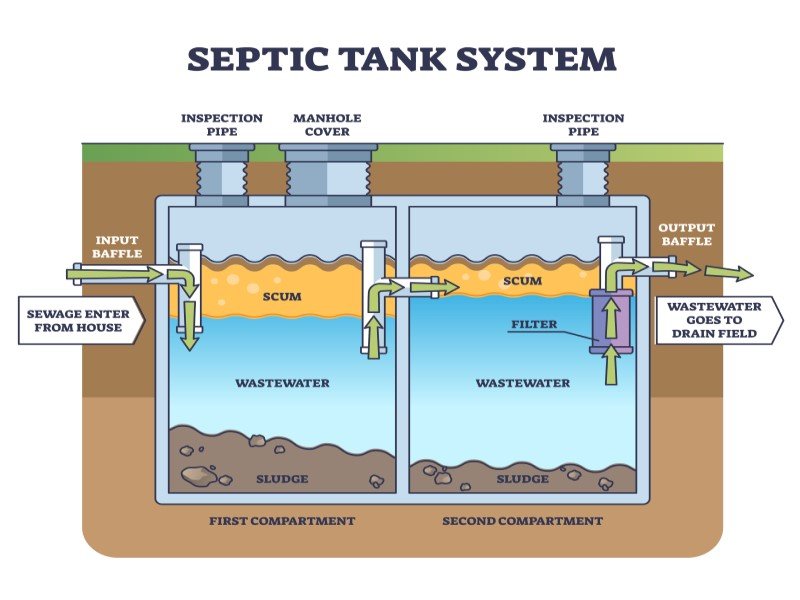
- Septic Tank: Watertight container for solid settling and primary treatment.
- Effluent Filter: Prevents solids from reaching the drain field; extends its life.
- Pump Chamber: Moves wastewater to higher ground or specialized fields when required.
Marketing Hype vs. Real-World Utility
Steer clear of claims like “maintenance-free” or “lifetime guaranteed.” According to the EPA, all septic systems require regular inspection and maintenance. Focus on proven engineering, track record, and local compliance.
Compatibility and Integration
Planning additions to the home or increased usage? Discuss system capacity and necessary upgrades with your septic professional to ensure compliance and optimal performance.
Quality Assessment Guidelines
How to Assess Build Quality In-Person
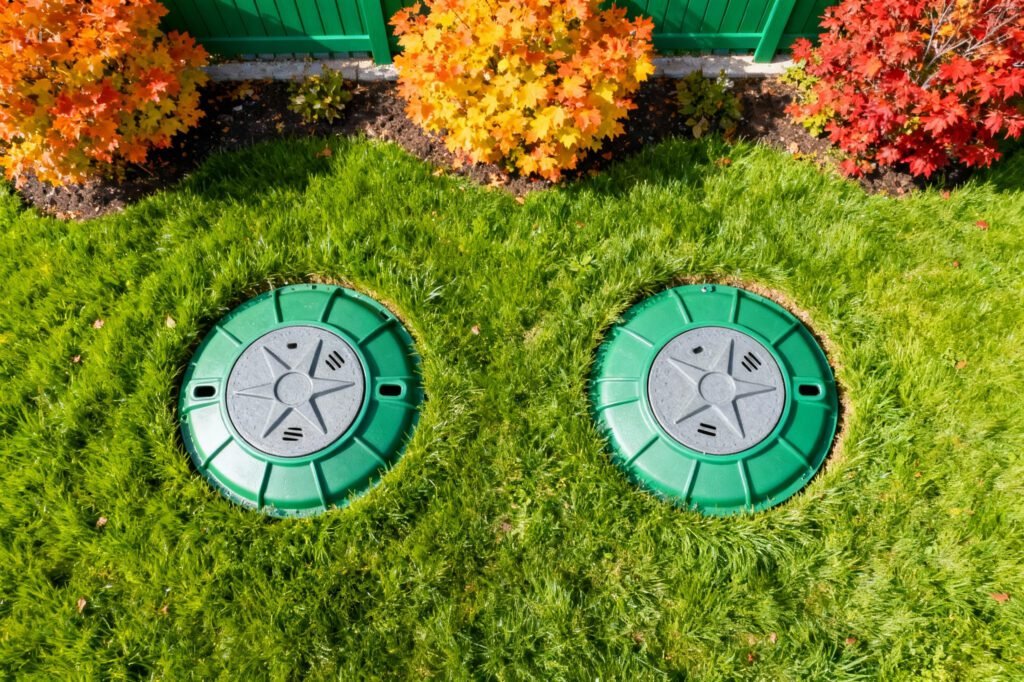
- Inspect tank access covers for damage or cracks.
- Look for sinking soil, standing water, or lush grass around system components.
- Request the last pumping and maintenance records.
- Check for visible corrosion, leaks, or odors near the tank/drain field.
Materials and Construction Standards
High-quality tanks are made of reinforced concrete or heavy-grade polyethylene. Correctly installed drain fields are graded away from home/wells and meet or exceed local code.
Tip from the National Onsite Wastewater Recycling Association (NOWRA): Always confirm that both installation and materials meet your local jurisdiction’s requirements.
Red Flags in Product Specifications
- Missing or incomplete permits
- Unrecorded repairs or modifications
- Installations on improper or unsuitable soil types
Where and When to Buy
Retailer Comparison (Online vs. Local)
Septic systems require specialized design and installation—typically sourced through licensed local contractors rather than retail purchase. Always verify contractor credentials and experience.
Seasonal Buying Patterns and Best Times
Schedule inspections and repairs in spring or fall—these seasons offer ideal soil conditions and avoid the stress of wet winters or peak summer heat, both of which impact drain field performance and accessibility.
New vs. Refurbished vs. Used Analysis
| Type | Pros | Cons |
|---|---|---|
| New | Warranties, full lifespan, latest technology, compliance | Higher upfront cost |
| Refurbished | Professional upgrades, mid-level cost, some assurance | Shorter warranty, unknown history |
| Used | Lower upfront cost | High risk, usually no warranty or history |
How to Negotiate or Find Hidden Deals
- Use inspection report findings to negotiate price reductions or seller-paid repairs.
- Request all maintenance logs and permits to strengthen your position.
- Ask about system upgrades or recent repairs as leverage.
Interactive Buying Checklist
- Ordered a professional septic system inspection?
- Confirmed tank capacity and system age?
- Detected signs of backup or drain field failure?
- Verified system size matches household requirements?
- Estimated ongoing maintenance and replacement costs?
- Checked future home expansion compatibility?
- Reviewed maintenance records and permits?
- Allocated total budget for septic-related expenses?
- Compared possible systems based on inspection findings?
Recommended Products by Category
Best Overall in Each Price Tier
- Entry-Level: Basic concrete tank systems with standard drain fields.
- Mid-Range: Systems featuring effluent filters and alarm modules.
- Premium: Advanced treatment units with enhanced filtration, ideal for sensitive sites.
Best for Specific Use Cases
- Small families: Compact systems (2–3 bedrooms).
- Larger households: High-capacity drain fields and pump chambers.
- Environmentally sensitive sites: Advanced biofilter or aerobic treatment units.
Best for Beginners vs. Experts
- Beginners: Simple gravity systems, easy maintenance, robust design.
- Experts: Multi-stage treatment with electronic monitoring.
Post-Purchase Considerations
Setup and Installation Best Practices
Ensure all work follows local codes and permit requirements. Install proper tank lids and venting; position the drain field at correct distances from foundations and wells.
Maintenance Schedule and Requirements
- Pumping: Every 3–5 years, or as recommended by your system capacity and usage.
- Annual inspections: Identify minor issues before they lead to failure.
- Effluent filter cleaning: Maintain at least yearly to protect the drain field.
When and How to Upgrade in the Future
Monitor performance after changes in water use (new family members, added bedrooms). Upgrade components—such as high-capacity filters or adding secondary treatment—based on inspection insights and professional recommendations.
Frequently Asked Questions
What is a septic system inspection and why is it important?
A septic system inspection evaluates the tank, pipes, and drain field for damage or signs of failure. It’s crucial before buying a home to prevent costly surprises and is often required by lenders or local boards of health. (Source: CDC)
How much does a typical septic system cost to install or replace?
Costs vary widely, usually from $3,000–$15,000 depending on complexity, tank size, local labor, and soil requirements. Advanced and large-capacity systems are on the higher end. (Source: EPA)
How often should I pump my septic tank?
Most systems should be pumped every 3–5 years, but usage and tank size may alter this schedule. Consult with a qualified septic professional for your specific situation.
Can a septic system be expanded if I add bedrooms?
Usually, expansion is possible but requires professional design, permitting, and possibly a larger tank or new drain field to meet local health codes.
What are the signs of septic system failure?
Warning signs include slow drains, sewage odors, wet or unusually green grass over the drain field, or sewage backups inside the home.
Is a septic system covered by home insurance?
Most standard homeowner insurance policies do not cover system failure or maintenance. Some policies offer optional add-ons—always check your coverage.
Should I consider a new system or repair the existing one?
Have a certified inspector assess age, condition, and repairability. If costs for repair are near those of replacement, or if the system is at the end of its lifespan, replacement is usually the best option.
What maintenance do septic systems require?
Regular tank pumping, effluent filter cleaning, annual inspection, and avoiding excessive water use and inappropriate waste disposal.
How long does a septic system last?
With proper care, most systems last between 20 to 40 years, depending on construction quality, usage, and soil conditions.
Can I finance a septic system replacement?
Yes. Many lenders offer home improvement loans or septic-specific financing—check local and state programs.
Will the septic system affect property value?
A well-maintained system has little negative impact, but a damaged or failing one can sharply decrease value and saleability.
How do I find a qualified septic system inspector?
Search for state-certified inspectors with strong reviews. Referrals from health departments or realtors are especially reliable.
Can I negotiate the sale price based on septic inspection findings?
Yes, inspection reports can support price reductions or seller concessions for repairs before closing.
Are there eco-friendly septic system options?
Yes, options such as aerobic treatment units and advanced biofilters reduce environmental risk and are sometimes required near waterways.
What records should I request from the seller?
Request inspection results, maintenance records, permit history, and all repair/upgrade documentation.
Authoritative Resources
- U.S. Environmental Protection Agency (EPA): Septic Systems
- National Onsite Wastewater Recycling Association (NOWRA)
- CDC: Septic Systems and Public Health
Related Guides
- Septic System Maintenance: What Every Homeowner Should Know
- How to Choose a Licensed Septic Inspector in Your Area
- Understanding Septic System Replacement Costs in 2024
- Signs of Septic System Failure: Early Detection Guide
- Eco-Friendly Septic Systems: Pros and Cons
Ready to take the next step? Order a professional septic inspection before you commit—peace of mind and negotiating leverage are just an appointment away.

Leave a Reply