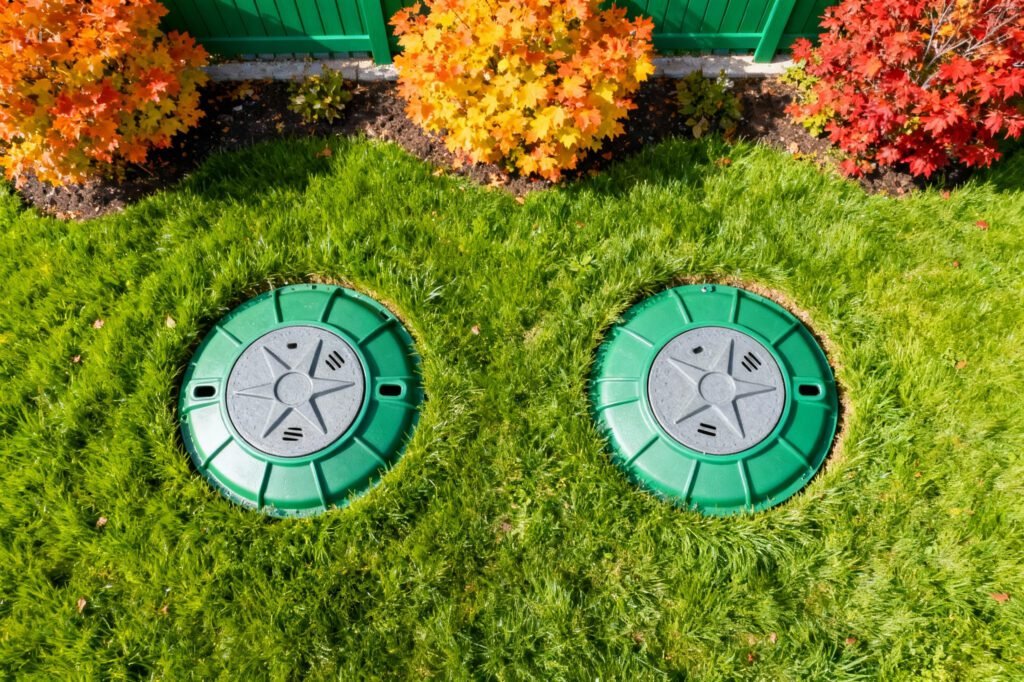
A septic system inspection is a critical step when buying or selling a home with a septic tank. It verifies the system’s health, uncovers potential repairs, and ensures certification for smooth real estate transactions. A thorough inspection by a licensed professional helps avoid costly surprises, supports negotiations, and meets local compliance requirements.
- Septic system inspections are typically required during real estate transactions for properties not on municipal sewage.
- Inspections reveal the system’s condition, necessary repairs, and compliance with health codes.
- Certified inspections protect both buyers and sellers by preventing legal or costly issues post-sale.
- Understanding the inspection process and standards streamlines negotiations and prevents delays.
Navigating the Septic System Inspection Buying Process
When buying or selling real estate, encountering a septic system inspection can quickly become overwhelming. The range of requirements, potential repairs, and certification standards creates a complex process that impacts negotiations and closing timelines. A poor assessment or misunderstanding of the septic system’s condition can lead to costly repairs, legal disputes, or delayed transactions. This buyer’s and seller’s guide simplifies the septic system inspection process, offering clear insights into what to expect, how to prepare, and ways to interpret results for a smooth real estate transaction.
Pre-Purchase Assessment: Do You Actually Need This?
Signs You Need a New Septic System Inspection
A septic system inspection is necessary for property sales or purchases involving septic tanks to verify current condition. Consider an inspection if:
- The property is being sold or refinanced
- There have been changes in property use
- The system hasn’t been inspected in 3–5 years
- There are red flags like slow drains, pooling water, sewage odors, or health department notices
These signs indicate the need for a thorough inspection and possible repairs.
Alternatives to Buying New
Before considering full system replacement, explore solutions such as septic repair and routine maintenance. Many problems—like clogs, minor leaks, or pump issues—can be resolved without extensive upgrades. A professional inspector determines if repairs suffice or if certification renewal is appropriate for your transaction.
Right-Sizing Your Purchase (Avoiding Over/Under Buying)
Septic systems should match household size, water use, and local code. Overinvesting in overly complex systems or neglecting maintenance (“under-buying”) both risk unnecessary costs or early failures. A proper assessment ensures you choose or approve a system suited to your current and future needs.
Key Decision Factors and Prioritization Matrix
Factor 1: Budget Analysis and Price Tiers
Septic inspection costs typically range from $300–$600, depending on property size and system complexity. Repairs or upgrades extend from several hundred to several thousand dollars. Understanding your budget helps prioritize inspections and supports effective negotiation during the transaction.
Factor 2: Size, Capacity, and Specifications
Evaluate the tank capacity, drain field dimensions, and system type (conventional, aerobic, mound). Larger homes or higher usage require more robust systems—these can carry higher inspection and repair costs. Compliance with local health codes is crucial for certification and sale completion.
Factor 3: Essential vs. Nice-to-Have Features
Reports may detail features like alarms, effluent filters, or advanced treatment units. While essentials are required for safety and code, nice-to-haves improve durability or convenience but raise costs. Choose features based on your risk tolerance and budget.
Factor 4: Brand Reputation and Support
Always select licensed, reputable providers with strong customer support. Well-established professionals with proven local track records ensure proper inspection, documentation, and post-sale service.
Feature Breakdown Dictionary
Technical Terms Explained Simply
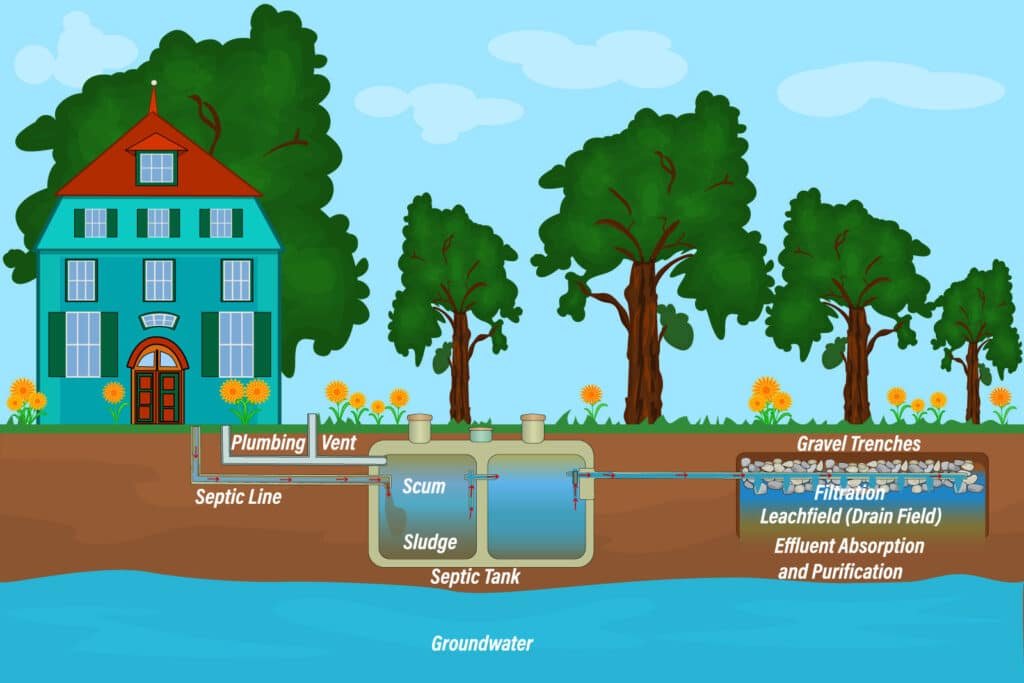
- Septic Tank: Underground tank where solids settle; liquids exit to the drain field.
- Drain Field: Trench or bed where liquid is naturally purified by soil.
- Baffle: Structure in the tank that directs wastewater and stops solids from flowing out.
- Effluent Filter: Device to keep solids from entering the drain field, extending system life.
- Certification: Official documentation that the system meets health/safety codes.
Marketing Hype vs. Real-World Utility
Some advertised features, like “advanced bio-filters,” may add unnecessary expense and maintenance complexity. Focus on proven functions that reduce repairs and meet local regulations. Consult with your inspector on which upgrades are truly beneficial for your system and site.
Compatibility and Integration Considerations
New parts and upgrades must be compatible with your existing tank and drain field. Mismatched or non-certified additions can cause system failures or void certifications. Discuss integration and compatibility with your inspector before any purchase or service.
Quality Assessment Guidelines
How to Assess Build Quality In-Person
During inspections, check the tank for cracks, leaks around lids, and sturdy materials (e.g., concrete or heavy-duty plastic). In the drain field, watch for unusual vegetation (lushness or die-off), as this may signal leaks or blockages. Verify venting and alarm system operation when present.
Materials and Construction Standards
Common materials include:
| Material | Strengths | Potential Drawbacks |
|---|---|---|
| Concrete | Durable, long-lasting | May crack with age or improper installation |
| Fiberglass | Corrosion-resistant, lightweight | Can shift if not properly anchored, lower impact resistance |
| Polyethylene | Lightweight, corrosion resistant | Requires secure installation, may be vulnerable to UV |
Systems must meet local or state building codes; always verify through official inspection reports.
Red Flags in Product Specifications
- Undersized tanks (relative to household)
- Non-certified or generic parts
- Systems older than 25 years without recent certification
- Incomplete or vague inspection documentation
Lack of detail can indicate poor maintenance and possible undisclosed issues.
Where and When to Buy
Retailer Comparison (Online vs. Local)
Septic inspections require local expertise for code adherence. Use online platforms for searching, but hire licensed, local inspectors for in-person evaluations and quick response.
Seasonal Buying Patterns and Best Times
Spring and fall are ideal for scheduling inspections due to favorable soil and weather conditions. These times typically feature lower wait times and easier access to drain fields. Winter can complicate inspections in cold climates due to frozen ground.
New vs. Refurbished vs. Used Analysis
| Type | Pros | Cons | When to Choose |
|---|---|---|---|
| New | Guaranteed compliance, latest materials and tech | Highest cost, installation timeline | System failure or non-compliance |
| Refurbished | Lower cost, certified repairs possible | Must meet re-certification standards | Component issues, budget limitations |
| Existing/Used | Lowest upfront, existing on property | Unknown condition/maintenance history | If system passes current inspection/certification |
How to Negotiate or Find Hidden Deals
Use inspection results to support repair requests, price reductions, or credits. Sellers can avoid surprises by certifying systems before listing. Buyers should request inspection contingencies and compare repair quotes before closing. Investigate health department resources for grants or incentives, especially for upgrades.
Interactive Buying Checklist
- List system inspection history and previous maintenance
- Identify known issues and local compliance requirements
- Create a feature priority list (essential vs. optional items)
- Estimate inspection, pumping, and anticipated repair costs
- Score and compare providers using a simple worksheet
- Document all negotiations, offers, and agreements for septic system repairs or credits
Recommended Products by Category
Best Overall in Each Price Tier
- Low-Cost: Basic inspection and code compliance certification
- Mid-Range: Full inspection, camera investigation, minor repairs as needed
- Premium: Soil testing, advanced system diagnostics, and maintenance planning
Best for Specific Use Cases
- First-Time Homebuyers: Streamlined, easy-to-understand inspection focused on overall health and certification
- Experienced Investors: In-depth performance evaluations and upgrade recommendations
- Sellers Preparing for Market: Pre-listing certification and clear documentation for negotiation strength
Best for Beginners vs. Experts
- Beginners: Hire certified locals who explain reports clearly, without jargon
- Experts: Use inspectors with advanced technology for data-driven assessments
Post-Purchase Considerations
Setup and Installation Best Practices
File septic certification with local agencies immediately after purchase. New owners should request an operation manual, learn household water conservation habits, and confirm warranties for new components. This ensures easier future maintenance and real estate transactions.
Maintenance Schedule and Requirements
Maintain your septic system with routine pumping every 3–5 years (as recommended by the EPA). Avoid harsh chemicals, clean filters and alarms regularly, and track all maintenance activities to protect your investment and support future sales.
When and How to Upgrade in the Future
Upgrade your system if recurring problems emerge, your household size increases, or regulations change. Discuss phased upgrades or new technologies (like advanced filters) with your inspector to minimize upfront energy and cost.
Frequently Asked Questions
What is included in a typical septic system inspection?
A standard inspection evaluates tank condition, sludge and scum levels, drain field function, baffle and filter status, leaks or odors, and checks for local code compliance.
How long does a septic system certification last?
Certifications are valid 1 to 5 years based on local regulations, maintenance, and system condition. Some jurisdictions require annual or biennial inspections.
Can a septic system inspection reveal future repair needs?
Yes. Skilled inspectors often identify potential issues based on age, materials, or observed wear that signal likely future repairs.
Who is responsible for septic system repair during a real estate transaction?
Typically, sellers address known issues pre-sale or provide credits. Buyer responsibilities begin post-closing, but all terms can be negotiated.
What happens if a septic system fails inspection?
Immediate repairs, upgrades, or possible system replacement may be required. Sale terms can be renegotiated, and local authorities may enforce corrections.
Are septic system inspections mandatory when selling a property?
Many states and municipalities mandate inspections for septic properties at sale. Always confirm local requirements, especially if not connected to sewer.
How often should septic system maintenance be performed?
Routine pumping is advised every 3–5 years; full inspection frequencies vary by system type and use (EPA).
Can a septic system inspection delay a real estate closing?
Yes. Unforeseen repairs or follow-up testing can postpone closing. Early inspection minimizes delays.
What qualifications should a septic system inspector have?
Look for state licenses, professional certifications (e.g., NAWT), and demonstrated knowledge of local codes.
Internal Links
- How to Choose a Home Inspector: A Comprehensive Guide
- Understanding Home Inspection Reports
- Local Septic System Regulations and Compliance
- Real Estate Negotiation Strategies for Buyers and Sellers
- Home Maintenance Checklist for New Homeowners
External Resources
- U.S. Environmental Protection Agency (EPA) – Septic Systems Overview
- National Association of Wastewater Technicians (NAWT)
- Centers for Disease Control and Prevention (CDC) – Septic System Safety
Ready to make an informed real estate decision? Schedule a certified septic system inspection early and review your full home inspection checklist for a hassle-free purchase or sale. For more in-depth insights, see our full reviews and step-by-step buyer resources.
Leave a Reply