Quick Answer: Installing a DIY septic system is rarely legal or practical for most homeowners. Strict local regulations, complex system requirements, and environmental safeguards mean professional installation is strongly advised. Attempting a DIY setup often leads to fines, system failures, and long-term costs that outweigh any initial savings. Always check local codes, permit needs, and consult licensed experts before considering a DIY approach.
- DIY septic system installation is heavily regulated and often illegal without permits or licenses.
- Improper septic system design risks groundwater contamination, property damage, and legal penalties.
- Professional installation ensures code compliance, environmental safety, and long-term system performance.
- DIY kits rarely meet residential standards or include necessary plans, inspections, and equipment.
What is a DIY Septic System? Complete Definition
Core Concept Explained Simply
A DIY septic system is when a homeowner personally designs, installs, and sometimes maintains their own onsite wastewater treatment system without professional assistance. The system collects, treats, and disperses household sewage underground where municipal sewer connections are unavailable. The key concept: creating a functioning septic setup via self-led efforts instead of hiring licensed contractors.
Key Terminology Breakdown
- Septic Tank: A watertight container that receives household sewage, separates solids, and begins decomposition via anaerobic bacteria.
- Drainfield (Leach Field): The subsurface soil area that disperses treated effluent from the septic tank for final filtration.
- Effluent: Liquid discharge exiting the septic tank, further treated in the drainfield.
- Septic System Design: The engineered layout specifying tank size, soil evaluation, and drainfield configuration for safe wastewater management.
- Septic System Kit: A package of pre-assembled components for DIY installation, typically lacking formal plans or permitting support.
Historical Development and Current Context (2026 Update)
Septic systems have served as alternatives to central sewers since the late 1800s. Over time, regulatory requirements, technical standards, and material options have grown far more sophisticated. In 2026, most areas require certified designs, official permits, inspections, and compliance with evolving environmental codes (EPA, NSF). As a result, DIY septic installations face significant legal and practical barriers compared to previous decades.
How a DIY Septic System Actually Works: The Mechanism
Fundamental Principles
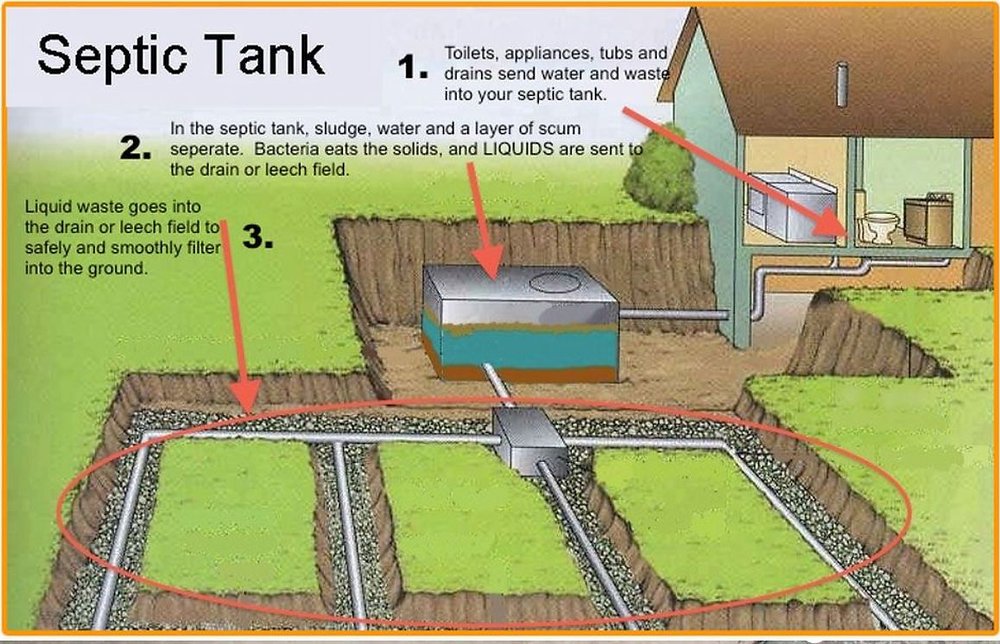
Septic systems rely on gravity and natural bacterial processes. Wastewater flows into a septic tank, where solids settle and break down. The clarified effluent exits into a drainfield, where soil and microbes filter remaining contaminants before the water seeps back to the groundwater table. System capacity, soil suitability, and accurate setup are crucial for long-term functionality and ecological protection.
Process Flow Visualization
Standard process: Household wastewater → Septic tank settling → Effluent to drainfield → Soil filtration/microbial treatment → Clean groundwater recharge.
| Stage | Input | Process | Output |
|---|---|---|---|
| Entry | Household wastewater | Flows to tank | Waste separated |
| Treatment | Solid & liquid waste | Settling, bacterial breakdown | Clarified effluent |
| Dispersion | Effluent | Percolates via drainfield | Treated water absorbed by soil |
Components and Variations
Main Parts and Their Functions
- Septic Tank: Retains solids, allows liquid to exit for further treatment.
- Effluent Filter (optional): Prevents particulate matter from reaching the drainfield.
- Distribution Box: Ensures even effluent dispersal to multiple drainfield trenches.
- Drainfield: Array of perforated pipes in gravel-filled trenches for soil absorption.
- Vent Pipes: Allow gas escape and airflow to encourage aerobic conditions in soil layers.
Different Models and Configurations
- Tank Materials: Concrete, plastic, or fiberglass, each with specific durability and installation needs.
- Drainfield Types: Conventional (trench/chamber), evapotranspiration mound, drip dispersal for challenging soils.
- Advanced Units: Aerators, pumps, or media filters for sites with restrictive regulations or unique soil/water table conditions.
- DIY Kits: Generally basic, aiming for temporary or very small-scale use—not adequate for standard homes.
Industry-Specific Versions
Commercial or industrial septic designs use larger-capacity tanks, multi-stage treatment, and enhanced monitoring, governed by stringent permit protocols. Farms may deploy lagoon systems. Homeowners face unique legal boundaries dictating acceptable system types, making professional oversight even more critical.
Benefits, Applications, and Impact
Primary Advantages and Value Proposition
- Offers residential wastewater management where sewer lines are unavailable.
- Can ensure independence from local utility fees and provide reliable onsite treatment.
- When well-designed and maintained, preserves groundwater and public health.
Bottom Line: The promise of a DIY septic system is low cost and self-reliance—but these are canceled by code complexity, system risks, and environmental liabilities. Benefits only materialize if every regulatory and technical detail is followed.
Real-World Applications Across Industries
- Rural homes not connected to central sewer networks
- Construction job sites and off-grid cabins
- Agricultural properties with custom waste handling
- Businesses in remote locations meeting commercial codes
Who Benefits Most and Why
- Homeowners with adequate land, suitable soils, and ability to fully comply with codes.
- Licensed contractors, environmental engineers, and inspectors ensure systems protect health and the environment per EPA and NSF guidelines.
Limitations and Considerations
Potential Drawbacks and Constraints
- Permitting & Codes: Most locations require permits, soil studies, and licensed installers.
- Complexity: Soil perc tests, correct sizing, and exact installation depth are challenging for DIYers.
- Equipment Needs: Heavy machinery (excavator, backhoe), specialty tools, and safety gear are rarely homeowner-owned.
- Long-Term Risks: Improper DIY work risks contamination, property damage, fines, or mandatory system removal.
- True Costs: Upfront “savings” are negated by the high risk of future repairs or full system replacement.
When Alternatives Are Better
For small or sloped lots, high groundwater, or code-restricted areas, connect to the city sewer or use advanced packaged wastewater units instead. These options, though costlier upfront, ensure safety and full legal compliance. See Home Wastewater Treatment Options Compared.
Common Misconceptions Debunked
- “It’s just a hole with a tank”: True septic design requires soil analyses, hydraulic calculation, and code-compliant features.
- “A kit is all I need”: Kits lack engineering designs, professional oversight, and legal sign-off.
- “DIY saves thousands”: Mistakes frequently cost more due to repairs, lawsuits, or health hazards.
- “No maintenance needed”: Even perfect installations need periodic pumping, inspection, and filtration checks for decades of service.
Frequently Asked Questions
Is it legal to install a DIY septic system?
No, not in most jurisdictions. Even rural areas typically require permits, soil tests, and inspections by licensed professionals. Unpermitted DIY installations often result in fines, forced removal, and denial of future property sales. Always consult local health and building authorities first.
What is the average cost of septic system installation?
Between $3,000 and $10,000+ for a standard residential system, depending on location, soil, tank type, and regulations. DIY attempts seldom deliver real savings after including hidden costs (permits, soil testing, excavation equipment).
Read more: Septic System Installation Cost: What to Expect and Budget For
Can I buy a complete septic system kit for DIY installation?
Yes, but DIY kits usually suit temporary, mobile, or very small-scale setups. They often omit required legal documents, system design, permits, and machinery rental. Kits are not code-legal for typical homes.
What basic septic design expertise do I need?
Knowledge of soil percolation, tank sizing for household flow, drainfield design, setback rules, excavation method, and relevant building codes is essential. Lacking any one of these puts system safety at risk.
More resources: Soil Testing and Percolation: A Homeowner’s Guide
What equipment is necessary for installation?
1. Excavator or backhoe
2. Pumping and grading tools
3. Soil testing equipment
4. PVC/cast iron pipe fitting tools
5. Protective gear
Most homeowners lack safe access or experience with this equipment.
How long does a proper septic system last?
When professionally installed and routinely maintained, tanks and drainfields typically last 25–30 years or more. Improper DIY jobs result in early failure, sometimes within a few years.
What are the signs of septic system failure?
1. Pooling water above or near the drainfield
2. Persistent sewage odors
3. Slow-draining sinks and toilets
4. Backups or overflow in plumbing
5. Abnormally lush grass near septic lines
Recognizing these signs early prevents larger environmental or property hazards. See Signs and Solutions for Septic System Failure
Is septic maintenance difficult?
Proper maintenance requires regular tank pumping (every 3–5 years), inspection of baffles and filters, and careful waste disposal practices. Homeowners can handle some checks, but professional service is strongly recommended to remain EPA-compliant.
Can a DIY septic system harm the environment?
Absolutely. Mistakes with DIY systems are the leading cause of well contamination by bacteria, nitrates, and pathogens, threatening community health, aquifers, and local ecosystems. The EPA, National Environmental Health Association, and state authorities all stress the importance of qualified installation and upkeep.
Are there safer options than DIY for homeowners?
Yes. Hire a licensed septic contractor, or—where possible—connect to a municipal sewer line. Both approaches guarantee health, legal, and insurance safeguards unachievable through DIY alone.
See: Local Septic System Regulations and Permit Requirements
Trusted External Resources
- EPA – Septic Systems Overview
- National Small Flows Clearinghouse – Septic System Design and Maintenance Guide
- ASCE – Wastewater Management Standards
Considering a septic solution? Don’t risk legal issues or your family’s health—contact a licensed septic professional today for a site assessment and code-compliant installation. Your property, neighbors, and the environment will thank you.

Leave a Reply