Quick Answer: If traditional septic systems aren’t viable due to poor soil, high water tables, space limits, or strict environmental rules, homeowners have effective alternatives: engineered septic systems (like aerobic units, mounds, or drip irrigation), constructed wetlands, composting toilets, and greywater recycling. The right solution depends on your site’s constraints and local regulations. Always consult certified professionals for system selection, installation, and permitting.
- Traditional septic systems often fail on difficult sites due to soil, water, or regulatory challenges.
- Alternatives include engineered septic systems, composting toilets, constructed wetlands, and greywater reuse.
- Professional guidance is crucial for compliance, effective treatment, and environmental protection.
Recognizing the Septic System Alternatives Problem
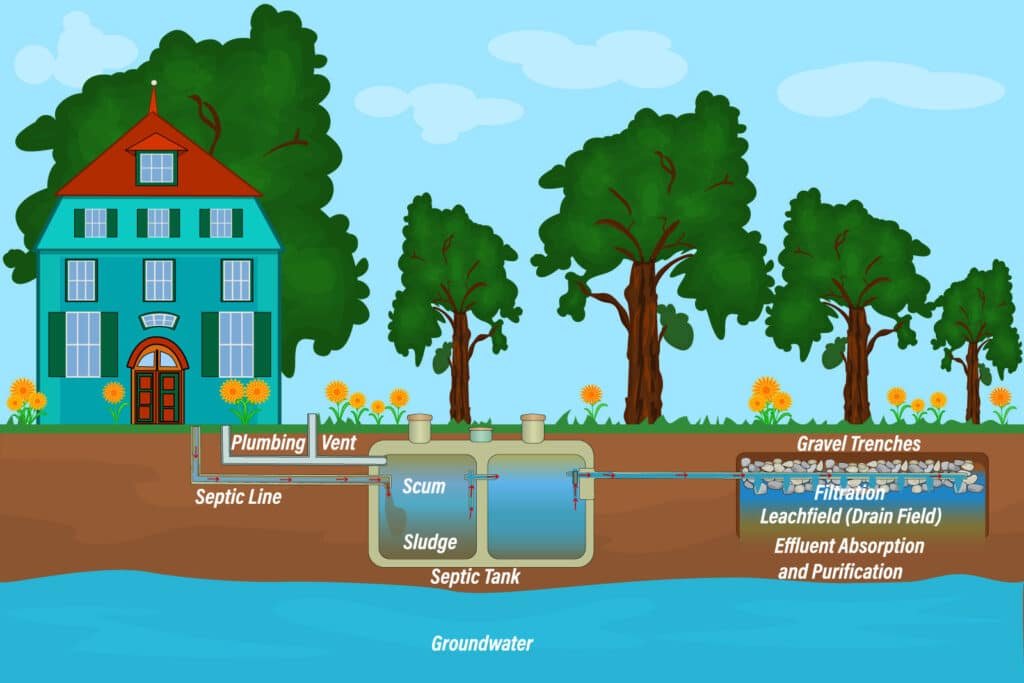
Managing wastewater on difficult sites or in environmentally sensitive areas poses a complex challenge for homeowners. Traditional septic systems—comprising tanks and leach fields—can fail or be inappropriate if the property has unsuitable soils, high groundwater, limited space, or strict environmental regulations. The consequences often include system failure, unpleasant odors, groundwater contamination, costly repairs, and use restrictions on the property.
According to the U.S. Environmental Protection Agency (EPA), nearly 20% of conventional septic systems fail within 10 years, especially on properties facing poor soil absorption or space limitations. For sustainability-minded homeowners, the challenge is to find environmentally responsible alternatives that ensure effective wastewater treatment and regulatory compliance.
This guide helps you identify core challenges with septic systems on difficult sites, presents alternative solutions, and empowers you to choose approaches that balance property needs with environmental protection.
Root Cause Analysis: Why This Happens
Primary Causes
- Unsuitable Soil Conditions: High clay content or shallow bedrock limits the soil’s ability to absorb and filter treated wastewater, raising failure risk.
- High Groundwater Levels: Waterlogged soils cannot adequately disperse effluent, leading to backups and contamination.
- Limited Space: Small, irregular, or sloping lots often lack the area required for conventional leach fields to function.
- Environmental Regulations: Local rules protect wetlands and water bodies by restricting conventional septic installation and discharge.
- Heavy Wastewater Loads: Excessive flows, usually from larger households or high water use, overwhelm the system’s treatment capacity.
Contributing Factors
- Poor system maintenance or neglected pumping schedules
- Improper design or installation not tailored to the site
- Seasonal flooding elevating water tables
- Household expansions without system upgrades
Diagnostic Self-Assessment Quiz
- Is your site’s soil rocky or clay-heavy?
- Does the groundwater often reach or approach the surface?
- Are there local restrictions on wastewater discharge or septic use?
- Have you experienced slow drainage, pooled water, or odors near the drain field?
- Is lot size a limiting factor for system expansion?
If you answered “yes” to multiple questions, your site likely requires a septic system alternative.
How to Identify Your Specific Cause
Refer to our diagnostic flowchart for step-by-step site evaluation—including soil tests, water table checks, and current system assessment—to pinpoint the main obstacles and select suitable alternatives.
Solution Framework: Tiered Approach
| Tier | Actions | Typical Use Case |
|---|---|---|
| Tier 1: Immediate Emergency Fixes |
| Prevent sanitation issues until a long-term solution is chosen |
| Tier 2: Medium-Term Solutions |
| Sites with known limitations, where permanent work is pending |
| Tier 3: Long-Term/Professional Solutions |
| Permanent solution for challenging or regulated properties |
Step-by-Step Implementation Guides
Solution A: Composting Toilets
- Choose a composting toilet model certified for your household size and type of use (NSF/ANSI certified models recommended).
- Follow the manufacturer’s installation guide; composting toilets typically require minimal or no alterations to plumbing.
- Install in a ventilated location and create a plan for periodic compost removal and safe on-site use or disposal as per local health codes.
- Educate all residents on correct operation and compost management to ensure safe, pathogen-free processing.
Solution B: Constructed Wetlands
- Hire a qualified professional (engineer or septic designer) to assess site parameters: soil, grade, water table, and wastewater volume.
- Design the wetland with appropriate dimensions and select regionally appropriate wetland plants.
- Excavate and install impermeable liners as needed to prevent groundwater contamination.
- Plant engineered wetland vegetation known for phytoremediation and water filtration.
- Direct septic tank effluent into the wetland’s distribution area using the specified inflow pattern.
- Regularly monitor water levels, plant health, and outflow quality; adjust as needed for optimal performance.
Solution C: Professional Engineered Septic System
- Site Evaluation: Environmental engineer conducts soil testing, water table analysis, and site mapping.
- System Design: Engineer creates a treatment system plan (mound, aerobic, drip irrigation, etc.) tailored to your site and local requirements.
- Permitting: System submitted for regulatory approval per local/state law.
- Installation: Licensed contractors implement the system following engineered plans and specs.
- Inspection and Maintenance: Final inspection required; maintenance plan established for longevity.
Prevention Strategies: Ensuring It Never Happens Again
Daily/Weekly Measures
- Do not dispose of grease, non-biodegradable materials, or harsh chemicals via drains or toilets—these disrupt treatment processes.
- Conserve water to cut down on system overloading.
Monthly/Quarterly Maintenance
- Inspect distribution areas for pooling water, odor, or lush plant growth.
- Test pumps, aerators, and mechanical units in engineered or aerobic systems.
- Schedule septic tank pumping every 3–5 years or as recommended for your system size and usage.
Early Warning Monitoring
- Checklist for slow drains, persistent odors, wet ground patches, or sewage backups.
- Maintain a logbook to track minor issues and spot trends early.
Environmental and Usage Adjustments
- Divert roof runoff and excess surface water away from septic components.
- Avoid driving vehicles or installing heavy structures atop the system area.
- Maintain root-resistant landscaping near pipes and chambers to prevent infiltration or damage.
Cost Analysis: DIY vs. Professional
| System Type | DIY Cost Estimate | Professional Installation Estimate | Notes |
|---|---|---|---|
| Composting Toilet | $1,000–$3,000 | $1,300–$5,000 | Certified models recommended; minimal plumbing |
| Greywater Reuse System | $800–$2,500 | $2,500–$8,000 | Complexity and local code compliance drives cost |
| Engineered Septic (Mound, Aerobic, Drip) | N/A (Professional Only) | $15,000–$40,000 | Requires engineering, permitting, and professional installation |
| Constructed Wetland | N/A (Professional Recommended) | $10,000–$30,000 | Includes design, excavation, liners, and planting |
| Drip Irrigation (add-on) | N/A | $5,000–$15,000 | Upgrade cost on top of new system |
- Insurance/Warranty: Verify if homeowner’s insurance covers septic system failure; check for manufacturer and contractor warranties or service guarantees with all installations.
Success Verification and Quality Assurance
Signs the Problem Is Solved
- No surface effluent or odors near treatment or dispersal areas
- Effluent is clear and odor-free and meets local environmental discharge standards
- Household plumbing operates without backups or slow drains
Testing and Validation
- Conduct post-installation effluent quality testing (per state/local codes and EPA or NSF guidelines)
- Schedule inspections by a certified environmental professional or local health department
- Perform soil absorption/percolation tests where required
Long-Term Maintenance
- Routine system maintenance every 6–12 months (varies by system type)
- Annual inspection for mechanical/electrical and vegetation-based systems
- Full system evaluations every 3–5 years for continued compliance and function
When All Else Fails: Escalation Path
Red Flags—Call a Professional Immediately
- Backups of sewage inside the home
- Standing or pooling effluent on the ground surface near the septic field or wetland
- Persistent strong sewage odors outdoors
- Obvious contamination of wells, streams, ponds, or lakes adjacent to your property
Finding and Vetting Professionals
Seek local specialists in onsite wastewater treatment. Ensure:
- All required local/state licensing, certifications, and insurance
- Proven track record with alternative septic system designs/installations
- Client references and positive performance reviews
- Clear, transparent written estimates and maintenance/service plans
See our full guide on
Finding Trusted Local Septic Professionals.
Key Questions to Ask Before Hiring
- What experience do you have with alternative septic system solutions?
- Can you provide a design tailored to my unique site?
- Are you familiar with permitting and regulatory procedures for alternatives?
- What is included in your installation and maintenance warranty?
- Do you have references or case studies of similar projects?
Frequently Asked Questions
What are the best septic system alternatives for limited space?
Engineered systems—such as mound systems, aerobic treatment units, and subsurface drip irrigation—are the most effective for properties where traditional leach fields cannot be installed due to space constraints.
Can I install a septic system without a leach field?
Yes. Alternatives—including aerobic treatment units, constructed wetlands, and composting toilets—do not require a conventional leach field for effluent dispersal.
How do constructed wetlands treat wastewater?
Constructed wetlands use natural processes—soil filtration and plant phytoremediation—to remove contaminants and purify wastewater, similar to the way natural wetlands protect groundwater and surface water.
Are composting toilets environmentally safe?
When installed and maintained correctly using certified models, composting toilets are an eco-friendly and sanitary method of waste disposal, reducing household water use and the risk of groundwater pollution.
How much does an engineered septic system cost?
A full engineered system typically costs from $15,000 to $40,000, with pricing dependent on technology, site complexity, and local permitting requirements.
What maintenance is required for alternative septic systems?
Maintenance varies: composting toilets require scheduled emptying and compost handling; constructed wetlands benefit from annual inspection and plant management; engineered systems need regular checks for pumps and alarms.
Can I DIY install a septic system alternative?
Homeowners can often install composting toilets and simple greywater systems with proper research and code compliance, but engineered systems and constructed wetlands require professional expertise and legal permitting.
How do I know if my soil is suitable for a conventional septic system?
A certified professional can perform percolation and soil tests to determine if your property meets the minimum standards for absorption and filtration—results dictate if alternatives are needed.
What are the environmental benefits of alternative septic systems?
Alternative systems reduce groundwater pollution risks, conserve water, support ecological health, and often use natural treatment processes, aligning with sustainability and public health goals.
When should I call a professional for septic issues?
Contact an expert at the first sign of persistent odors, backups, slow drainage, surface effluent, or if water quality in nearby wells or streams is at risk—quick response protects health and property.
Additional Internal Resources
- Engineered Septic Systems: Choosing the Right Design
- How to Maintain Your Septic System for Longevity
- Finding Trusted Local Septic Professionals
- Greywater Recycling Systems for Homeowners
- Understanding Septic System Permitting and Regulations
Recommended External Resources
- U.S. EPA: Onsite Wastewater Systems
- National Environmental Services Center: Septic System Fact Sheets
- USDA: The Septic System Owner’s Manual
Bottom Line: Alternative septic systems protect your property, wallet, and environment where conventional systems fail. Don’t risk health or compliance— consult a certified septic specialist today to explore your options and ensure responsible wastewater management.

Leave a Reply