Quick Answer: To restore a neglected septic system, stop using antibacterial chemicals and excessive water, pump the tank, and apply a high-quality bacterial starter designed for septic systems. Follow with regular use of bacterial additives and professional inspections to ensure full recovery and prevent future problems. Immediate professional help is needed if sewage backs up, odors persist, or the system fails to improve.
- Bacterial populations are vital for septic system function—chemical overload, neglect, or improper use can destroy these colonies.
- Restoration involves shock treatment (adding selected bacteria), tank pumping, and changed household habits.
- Consistent maintenance and professional oversight help avoid costly repairs and environmental hazards.
Table of Contents
Recognizing the Septic System Shock Treatment Need
A septic system can quickly change from a dependable waste management solution to a source of anxiety and expense when its essential bacterial balance is disrupted. Homeowners who acquire properties with neglected systems or who have used antibiotics and harsh chemicals risk wiping out the bacteria crucial for organic waste breakdown. This imbalance leads to sluggish drainage, unpleasant odors, recurring backups, and can result in costly system failure.
Neglected or chemically overloaded systems typically suffer not only mechanical strain but also from devastation of their bacterial population—nature’s engine for breaking down household waste. The EPA reports that nearly 10% of U.S. homes with septic systems face some form of failure annually, usually due to a bacterial crash and poor maintenance. Recognizing the warning signs and knowing how to intervene can prevent expensive environmental and health impacts.
Root Cause Analysis: Why This Happens
Primary Causes
- Antibiotic or Chemical Use: Strong antibiotics and antibacterial cleaners kill off beneficial bacteria essential for waste digestion.
- Chemical Overload: Excessive detergents, bleach, and disinfectants upset colony balance, stalling organic decomposition.
- Long-Term Neglect: Skipped maintenance allows sludge and scum to crowd out beneficial bacteria.
- Excessive Water Use: Overuse dilutes bacterial activity and can flush bacteria out of the tank before they do their job.
- Foreign or Non-Biodegradable Inputs: Items like wipes, plastics, and oils physically disrupt the environment bacteria need to thrive.
Contributing Factors
- Poor system design or aging technology
- Lack of regular pumping and inspection
- Poor soil absorption
- High household occupancy exceeding design capacity
- Flooding or groundwater intrusion damaging system integrity
Diagnostic Self-Assessment Quiz
- Is your septic system draining slower than usual?
- Do you notice sewage odors in your yard?
- Has your system recently received heavy chemical or antibiotic inputs?
- Has it been over three to five years since the last tank pumping?
- Are there wet spots or soggy patches near the drain field?
If you answer “yes” to multiple questions, your system likely needs shock treatment.
How to Identify Your Specific Cause
Refer to the diagnostic flowchart to connect symptoms like slow drains or odors to potential root causes and find targeted solutions.
Solution Framework: Tiered Approach
| Tier | Goal | Actions |
|---|---|---|
| Tier 1 | Immediate Risk Reduction & Bacterial Restart |
|
| Tier 2 | Medium-Term Recovery |
|
| Tier 3 | Long-Term Professional Intervention & Prevention |
|
Step-by-Step Implementation Guides
Solution A: Septic System Shock Treatment
- Stop flushing antibacterial agents into the system.
- Buy a septic system shock treatment bacterial starter formulated for restoring septic bacteria.
- Pour product into a toilet or drain per the manufacturer’s directions, usually once or twice over 1-2 days.
- Minimize water use to prevent flushing out the new bacteria.
- Watch for improved drainage and fewer odors within a week.
Solution B: Septic Tank Pumping and Bacterial Additives
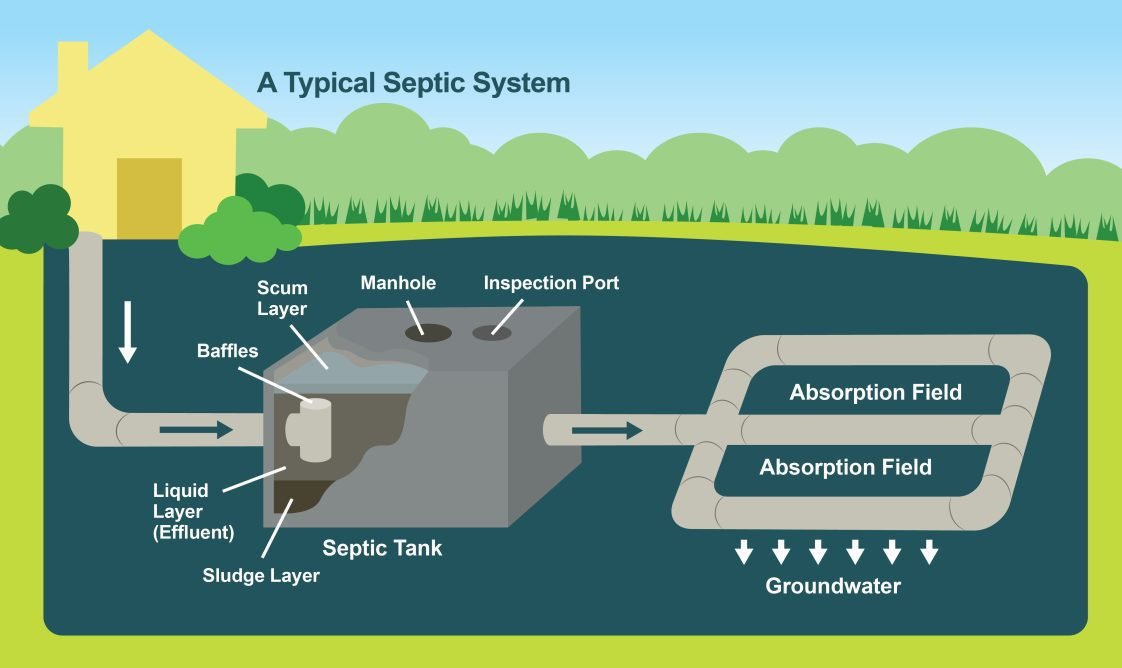
- Contact a licensed septic hauler for a complete tank pump-out.
- Remove all sludge, scum, and accumulated solids.
- Immediately re-seed the tank with a quality bacterial additive post-pump.
- Reduce use of household chemicals and limit water use during recovery.
- Repeat bacterial additive treatments monthly if needed.
Solution C: Professional Assessment and Restoration
- A certified professional will inspect tank, drain field, and surrounding soil.
- Bacteria levels and organic load are tested to gauge system health.
- Tailored solutions will be recommended—whether structural repairs, aeration, or advanced bacterial treatments.
- Implementation of recommended upgrades, including new components as necessary.
- Continued health checks and potential maintenance contracts to secure long-term function.
Prevention Strategies: Ensuring It Never Happens Again
Daily/Weekly Measures
- Only use septic-safe cleaning products, and sparingly.
- Never flush non-biodegradable items.
- Track household water use to avoid overload.
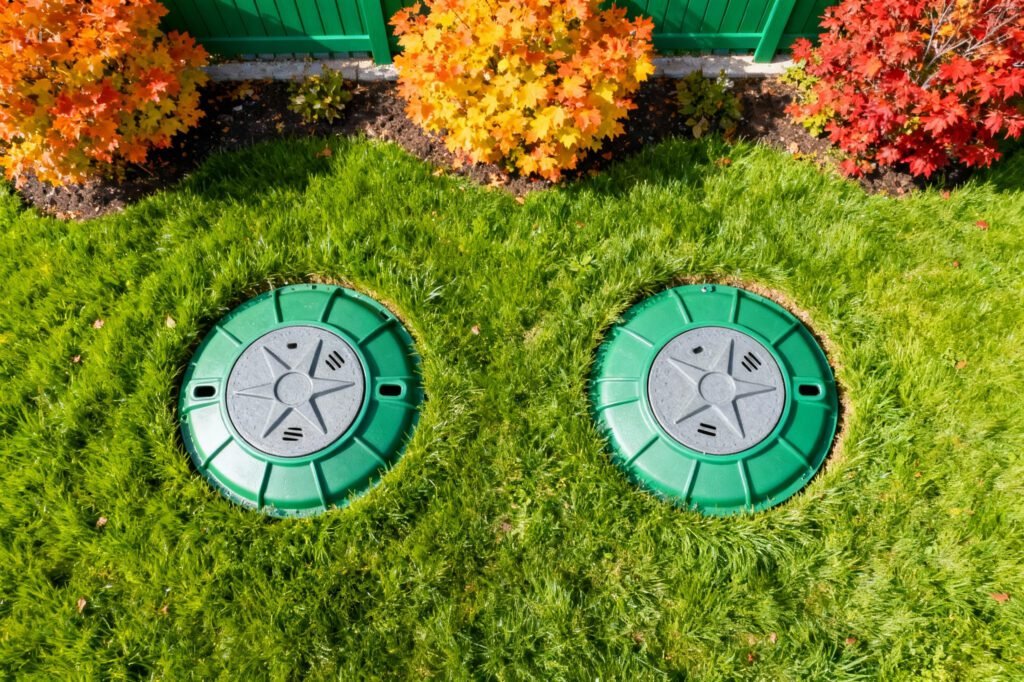
- Routinely check system components (tank risers, vent pipes) for early warning signs.
Monthly/Quarterly Maintenance
- Add natural bacterial boosters to maintain healthy colonies.
- Look for leaks, slow drainage, or signs of system distress around the yard.
- Audit household chemical storage and disposal habits.
Early Warning Sign Monitoring
- Persistently slow drains or gurgling in plumbing fixtures
- Green streaks or soggy areas above the drain field
- Regular well water tests (if nearby)
Environmental and Usage Modifications
- Diverge roof or surface water runoff away from the drain field
- Install water-saving toilets and fixtures
- Train all household members on septic-safe practices
Cost Analysis: DIY vs. Professional
| Item/Service | DIY Cost (Est.) | Professional Cost (Est.) |
|---|---|---|
| Shock treatment bacterial starter (per use) | $30 – $70 | Included in service fee |
| Septic-friendly cleaners (monthly) | $10 – $20 | — |
| Time invested monthly | 2–4 hrs | – |
| Septic tank pumping | — | $250 – $500 |
| System inspection | — | $150 – $300 |
| Drain field repair or restoration | — | $1,000 – $5,000+ |
| Aeration system installation | — | $2,000 – $4,000 |
Insurance and Warranty
- Standard homeowner insurance rarely covers neglect-based septic failures.
- Manufacturer warranties often require proof of routine maintenance.
- Check local government programs—some municipalities provide repair grants or loans.
Success Verification and Quality Assurance
How to Tell if Restoration Worked
- Drains run clear and at normal speeds throughout your home.
- No foul odors persist around the home or yard.
- Drain field areas are dry (no soggy patches, no sewage surfacing).
- No backups or recurring problems observed.
Testing and Follow-up Procedures
- Arrange for bacterial count tests if available locally for system validation.
- Perform soil percolation (perk) tests post-restoration.
- Test nearby well water for contaminants annually.
Post-Treatment Follow-up Schedule
- Arrange semi-annual professional inspections for the next two years.
- Pump tanks every 3–5 years, customized by tank size and household usage.
- Continually monitor for warning signs and keep chemicals out of your drains.
When All Else Fails: Escalation Path
Red Flags Demanding Immediate Professional Attention
- Sewage backing up indoors
- Visible pooling of untreated sewage or persistent foul odor outdoors
- Rapidly worsening system function or ongoing drainage issues post-treatment
- Visible damage or cracks in tank or pipes
How to Find the Right Septic Service Professional
Refer to our local septic system services guide for a vetted listing.
Ensure providers are licensed, insured, and can demonstrate experience in biological system restoration.
Questions to Ask Before Hiring
- Are you fully licensed and insured for this type of work?
- Do you specialize in biological (bacterial) septic restoration?
- What protocols or treatments do you recommend after inspection?
- Can you provide references for similar successful repairs?
- Do you offer maintenance or follow-up services for ongoing system health?
Frequently Asked Questions (FAQs)
What is septic system shock treatment, and when is it needed?
Septic system shock treatment is a rapid method for restoring the essential bacteria in a septic system after they have been destroyed by chemicals, antibiotics, or chronic neglect. It’s required when the system shows signs of bacterial failure like foul odors, drainage slowdowns, or repeated backups.
How long does it take for septic bacteria to recover?
Recovery can range from one week (with proper shock treatment and care) to several months for full biological restoration, depending on severity and regular maintenance.
Can I add bacteria and fix the system myself?
Adding bacteria helps but often isn’t sufficient alone. Proper diagnosis, possible pumping, and ongoing reduction in chemical input are often needed for a complete fix—especially after severe neglect.
Will a pump-out alone revive a dead septic system?
No. Pumping removes solids but does not restore lost bacterial populations. For long-term health, combine pump-outs with bacterial re-seeding.
How do I prevent future septic system problems?
Regularly limit chemical use, schedule periodic pumping, avoid flushing damaging materials, and control household water usage.
Are all septic system bacteria the same?
No. Different bacteria serve unique roles in breaking down various types of waste. Effective treatment and restoration use a mix of robust strains for comprehensive waste decomposition.
What if my system has been neglected for years?
Severe neglect usually demands professional diagnosis, a thorough pump-out, advanced bacterial restoration, and possible system repairs or replacement.
Are commercial bacterial starter products safe?
Yes, if you use reputable, septic-specific products and strictly follow the manufacturer’s instructions.
How can I confirm my drain field works properly?
A functioning drain field stays dry on the surface, smells neutral, and supports healthy grass. Persistent sogginess or odors signal a problem.
Is bleach safe to use if the system is struggling?
No. Bleach and similar harsh chemicals can further damage essential bacterial colonies; use only septic-safe products.
Expert Resources and Scientific References
- EPA Septic Systems Information
- National Environmental Services Center: Septic Systems Guide
- Penn State’s Onsite Sewage Treatment Program
Need more help restoring your septic system? Contact a licensed local septic pro today or explore our complete Homeowner’s Septic Maintenance Guide for step-by-step solutions.

Leave a Reply