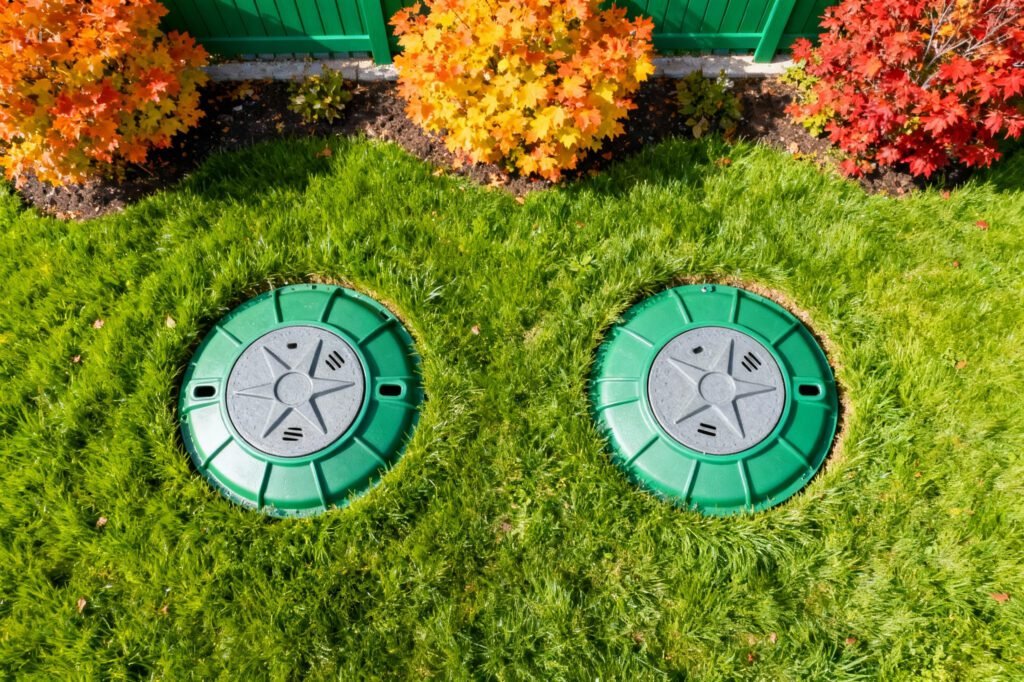
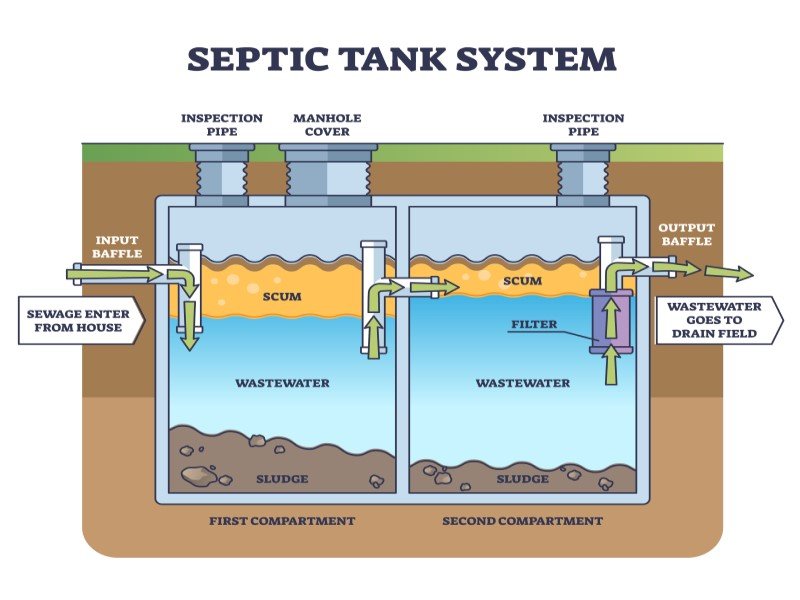
Quick Answer: Use only septic-approved, slow-dissolve chlorine tablets in your aerobic septic system’s chlorinator to disinfect treated wastewater and protect your drain field. Add tablets monthly, monitor chlorine levels (1–3 ppm), and never use pool or household chlorine tablets, as these can harm beneficial bacteria.
- Always use slow-dissolve, septic-approved chlorine tablets in aerobic treatment units (ATUs).
- Maintain monthly refilling and weekly chlorine testing to ensure effective disinfection.
- Pool or household chlorine tablets should never be used due to potential system damage.
- Proper use prevents pathogen release and protects drain field health.
- Monitor, clean, and maintain your chlorinator and aerator for long-term system reliability.
Table of Contents
What You’ll Achieve and Why It Matters
This guide explains the correct use of chlorine tablets for aerobic septic system disinfection, focusing on aerobic treatment units (ATUs). You’ll learn how to identify the right tablets, dose and maintain your chlorinator, and keep your system working safely and efficiently in line with EPA and NSF guidelines. Proper chlorination prevents bacteria and pathogen escape, protecting your property’s wastewater environment and keeping your system compliant.
Basic familiarity with your ATU’s components and safe chemical handling is required. Maintenance generally takes 15–30 minutes per month, with annual chlorine tablet costs between $30 and $60 depending on system size.
Preparation and Safety
Tools and Materials Checklist
- Septic-approved, slow-dissolve chlorine tablets (usually 1″ or 3″)
- Protective, chemical-resistant gloves
- Safety goggles
- Chlorinator or tablet feeder compatible with your ATU
- Clean bucket or container for tablet storage
- User manual for your aerobic septic system
- Clean water source for rinsing
- Flashlight (for internal checks)
Safety Precautions and Protective Gear
Wear chemical-resistant gloves and safety goggles to avoid irritation from chlorine. Work outdoors or in a well-ventilated space to prevent fume buildup. Never mix chlorine with other chemicals. Keep children and pets out of the workspace. In case of skin or eye contact, immediately rinse with water.
Workspace Setup and Preparation
Before starting, ensure your chlorinator is powered off to prevent tablet release during refilling. Clear the access area to your septic tank. Organize your materials on a stable, accessible surface and confirm dry, clean hands before handling tablets for safety and consistent dosing.
Step-by-Step Implementation Guide
Step 1: Access the Chlorinator Unit
Locate the chlorinator or tablet feeder, commonly near the aerator or disinfection chamber. Carefully open the chlorinator access lid, avoiding dirt or debris entry.
Step 2: Remove Old Tablets and Clean the Chamber
Remove any leftover or partially dissolved tablets to prevent jamming or overdosing. Check for buildup or sediment—if present, rinse with clean water only. Avoid all soaps or harsh cleaners, which may interfere with system function.
Step 3: Add Septic-Approved Chlorine Tablets
Add the correct quantity of slow-dissolve tablets, ensuring they are labeled for septic/ATU use. Avoid pool or household chlorine, which may kill beneficial bacteria and affect treatment efficacy.
Step 4: Adjust the Feed Rate (If Applicable)
Set the chlorinator’s feed rate using the manufacturer’s instructions. This typically means adjusting a dial or timer to maintain a consistent flow and steady residual chlorine.
Step 5: Reassemble and Test
Close and secure the chlorinator lid. Restore power to the chlorinator or aerator. Check for proper tablet dissolution and observe system flow. Dispose of packaging appropriately, and wash your hands thoroughly after completion.
Quality Control and Testing
How to Verify Success
- Look for clear effluent and no unpleasant odors downstream of the ATU.
- Confirm there’s no chlorine taste or odor in nearby well water.
- Tablet usage matches expected consumption rates each month.
Testing Procedures and Metrics
- Use chlorine test strips (or a digital meter) weekly for the first month to check effluent residuals.
- Follow your system’s recommended residual level, generally 1–3 ppm free chlorine.
- Record each reading to build a performance log.
Troubleshooting Common Installation Issues
- If tablets dissolve too quickly and chlorine is high, lower feed rate or reduce tablet count.
- If tablets remain intact and there is minimal chlorine in effluent, verify aerator is running and check for clogs or blockages in the chlorinator.
- Immediately replace any cracked, leaking, or malfunctioning components.
Maintenance and Long-Term Care
Daily/Weekly Maintenance Tasks
- Visually inspect chlorinator operation and check for tablet dissolution.
- Look for cracks or leaks in the chlorinator housing.
- Ensure aerator works as designed—address faults immediately for safe system function.
Monthly/Quarterly Checks
- Refill chlorine tablets based on depletion—typically monthly.
- Quarterly, clean chlorinator to avoid sediment accumulation.
- Inspect aerator air intake filters periodically for clogs.
Signs of Wear and When to Replace
- Replace tablets that are crumbling, discolored, or show signs of contamination.
- Swap damaged or malfunctioning chlorinator components immediately.
- Request a professional inspection if strong odors, discharge issues, or symptoms of chlorine over/underdose persist.
Pro Tips and Advanced Techniques
Efficiency Hacks from Professionals
- Use automatic-feed chlorinators for consistent dosing and reduced manual effort.
- Label chlorinator lids with refill dates for easy tracking.
- Keep spare tablets in a sealed, secure location to ensure you never run out.
Tools and Accessories Worth Investing In
- Invest in a digital chlorine meter for precise, reliable readings.
- Quality chemical-resistant gloves and splash guards improve operator safety.
- Add an aerator alarm for early warning of malfunctions or faults.
Customization and Adaptation Options
- Select tablets with dissolution rates best suited to your ATU and seasonal wastewater flows.
- Optimize chlorinator feed rates in response to changes in household water usage or temperature.
- Always consult your manufacturer’s manual before modifying tablet type, size, or dosing method.
Frequently Asked Questions
| Question | Quick Summary Answer |
|---|---|
| What type of chlorine tablets should I use for my aerobic septic system? | Use only slow-dissolve, septic-approved chlorine tablets labeled for ATU use. Pool or household tablets can harm the process. |
| How often should I add chlorine tablets? | Refill monthly, but monitor and adjust based on actual usage and system needs. |
| Can I use regular pool chlorine tablets? | No. Pool chlorine tablets contain additives that can damage septic bacteria and should not be used. |
| What happens if the chlorinator runs empty? | Disinfection halts, increasing risk to your drain field and environment. Check and refill regularly to avoid outages. |
| How do I know the chlorinator feed rate is correct? | Test effluent with chlorine strips or meters and follow your system’s recommended ppm (commonly 1–3 ppm). |
| Is it hazardous to handle chlorine tablets? | Yes, always use gloves and goggles, work with care, and wash up after handling. |
| Can I overdose with chlorine tablets? | Yes, too much harms beneficial bacteria and disrupts treatment—follow dosing instructions faithfully. |
| What are the signs of chlorine injection problems? | Watch for foul smells, cloudy effluent, frequent tablet buildup, or test readings out of range. Address these or call for professional service if needed. |
Bottom Line
Effective aerobic septic system disinfection relies on the correct use of septic-approved, slow-dissolve chlorine tablets added on a regular schedule, careful monitoring, and safe, informed maintenance. Consistently following these guidelines protects your property, health, and investment.

Leave a Reply